
Note
Importing Bacteriostatic Water to Argentina
Bacteriostatic water can be imported to Argentina as laboratory reference material. PeptoClinic ships with full customs documentation included.
Yes, bacteriostatic water can be imported to Argentina. The material enters under the classification of laboratory reference material, which means the customs process differs from that of a regulated medicine and does not require a special import permit for pharmaceutical specialties.
What bacteriostatic water is
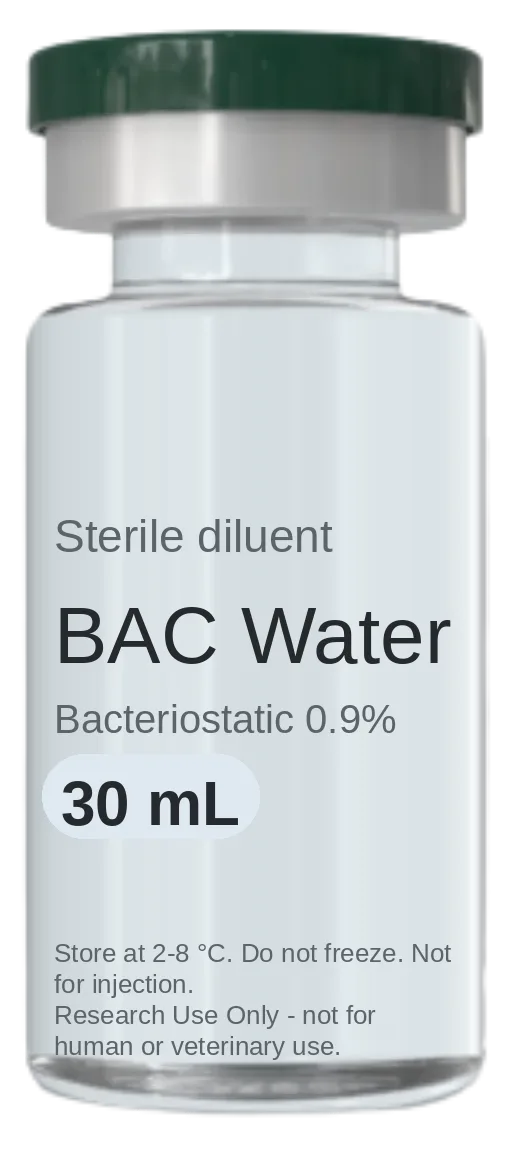
Bacteriostatic water is sterile water containing 0.9% benzyl alcohol as a preservative. That preservative inhibits bacterial growth and allows the vial to be used more than once without losing its condition between successive manipulations. This distinguishes it from preservative-free sterile water, which becomes susceptible to contamination as soon as the seal is broken.
In laboratory research, bacteriostatic water functions as a solvent for reconstituting lyophilised compounds. The researcher adds the volume the protocol requires and obtains a solution of defined concentration for the assay.
PeptoClinic supplies bacteriostatic water for Argentina within its catalogue of research laboratory materials. The catalogue also includes a plus variant, formulated for protocols where a different composition is preferred.
How it enters Argentina
Bacteriostatic water is not a medicine or a supplement. When imported with the classification of laboratory reagent — reference material for in vitro research — the customs process follows the channel for analytical inputs, not the channel for pharmaceutical specialties regulated by ANMAT.
That distinction is practical. Laboratory reagents do not require product registration with the health authority or involvement of a licensed pharmaceutical importer. What they do require is documentation that substantiates the declared use of the material and its technical specification.
The entry channel varies with order volume and the level of documentation the researcher or institution requires: international mail for small quantities, private courier for more frequent shipments, and formal import when the institution requires it. All three channels are valid. The tariff implications and transit times differ in each case.
Documentation that travels with the shipment
To import bacteriostatic water into Argentina as a laboratory input, the minimum documentation includes:
- A commercial invoice with the technical name of the product, the purity grade, and the declared use as in vitro research material
- A Safety Data Sheet (SDS) with the benzyl alcohol concentration and storage conditions
- A grade certificate or manufacturer's technical specification
PeptoClinic prepares this documentation at the time of quoting. The import file travels with the shipment and is structured for the entry channel that applies to each order.
For the lyophilised peptides in the catalogue, the documentation also includes a batch analysis from an independent laboratory. The quality section of this site shows how that documentation is structured, including the reports issued by Janoshik Analytical.
Why the grade of the material matters
Not everything marketed as bacteriostatic water carries the same specification. In research, the relevant distinction is between pharmaceutical grade — equivalent to the standard of the United States Pharmacopeia — and technical or commercial grade.
Pharmaceutical grade entails endotoxin control, documented pyrogen-free status, benzyl alcohol concentration within the declared range, and packaging under documented sterile conditions. Technical grade may meet some of those requirements, but the labelling does not always specify which.
When a research protocol works with live cells or tissue, the presence of endotoxins can interfere with results. The grade distinction, in that context, is not cosmetic.
The diluents in PeptoClinic's catalogue are USP grade. That is stated in the documentation that accompanies each shipment.
The distinction between laboratory reagent and medicine
This distinction determines the import channel, so it is worth stating plainly.
ANMAT regulates pharmaceutical specialties and medical devices in Argentina. Bacteriostatic water imported with the classification of laboratory reagent and declared for in vitro research use does not fall into that category. Product registration with ANMAT is not required, nor is enrolment as a pharmaceutical importer.
What determines the channel is the combination of the tariff description of the product and the declared use in the commercial documentation. A diluent described as a laboratory input follows a different customs path from an injectable medicine, even when the main component is chemically identical.
This distinction is structural within the Argentine regulatory system. It is how customs rules categorise analytical reagents separately from pharmaceutical inputs, and it determines which procedures apply to each type of import.
For laboratory research only
All material supplied by PeptoClinic — including bacteriostatic water and its variants — is strictly for in vitro and laboratory research use.
This material is not a medicine. It is not approved for human or veterinary consumption, and no claim on this site has been evaluated by ANMAT, the FDA, or any equivalent authority. PeptoClinic is not a pharmacy, does not issue prescriptions, does not operate as a clinic, and does not provide administration or reconstitution guidance for personal use.
Requesting a quote for Argentina
PeptoClinic quotes shipments of bacteriostatic water to Argentina and to other destinations in the region and in the United States. The process starts with a technical consultation: the researcher describes the material, the quantity and the delivery address. PeptoClinic returns a supply proposal with the corresponding import documentation, normally within one business day.
To see the full catalogue of diluents and peptides, visit the catalogue section. Orders that combine lyophilised peptides with their corresponding diluents are handled as a single shipment, which simplifies the customs file for both materials.
Frequently asked questions
Does importing bacteriostatic water to Argentina require a special ANMAT permit?
No, when the material is imported with the classification of laboratory reagent and declared for in vitro research use. Medicines regulated by ANMAT follow a separate process that involves product registration and licensed importers. The documentation PeptoClinic prepares is structured for the laboratory input channel, not the pharmaceutical specialty channel.
What is the difference between bacteriostatic water and sterile water for injection?
Sterile water for injection contains no preservative. Once the vial is opened, any manipulation can introduce contamination and the solution loses its sterile condition. Bacteriostatic water contains 0.9% benzyl alcohol, which inhibits bacterial growth and allows the vial to be used more than once in a laboratory setting.
What is the difference between bacteriostatic water and bacteriostatic water plus?
PeptoClinic's catalogue includes two variants with different formulations. The choice depends on the research protocol and the compound being worked with. The specifications for each variant are provided at the time of quoting.
How long does a shipment of bacteriostatic water to Argentina take?
PeptoClinic does not publish fixed delivery times. Transit depends on the import channel, the order volume and the state of customs clearance at the time of shipment. That information forms part of the quote.
Does bacteriostatic water come with an independent laboratory analysis?
The batch analysis from an independent laboratory — Janoshik Analytical — is available for the lyophilised peptides in the catalogue. For bacteriostatic water, the documentation includes the grade certificate and the product's technical specification. If the protocol requires additional documentation, that can be discussed at the time of quoting.
Can bacteriostatic water be imported together with peptides in the same order?
Yes. PeptoClinic quotes orders that combine lyophilised peptides with their corresponding diluents. That simplifies the import documentation and ensures both materials clear customs in the same shipment. The [Argentina catalogue page](/en/argentina/) lists the peptides PeptoClinic supplies to Argentine destinations.
What happens if customs requests additional documentation?
PeptoClinic supports the import process. If customs clearance requires use-declaration letters, expanded technical data sheets or other supporting documentation, the technical team provides it. That support is part of the supply service.
Is there a minimum order quantity for imports to Argentina?
Order conditions, including minimum quantities where applicable, are defined in the quote. There is no published minimum because it varies with the material, the quantity and the import channel.
Compounds mentioned
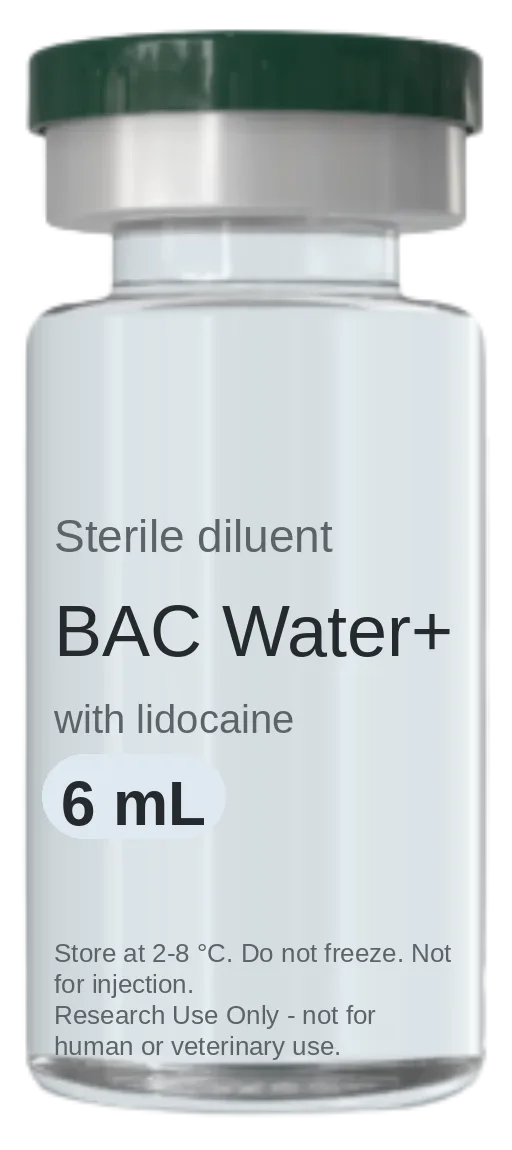
BAC Water+ (6mL con Lidocaína)
Bacteriostatic water with lidocaine, 6 mL, for laboratory reconstitution.
- Purity:
- USP grade
- Sizes available:
- 6 mL
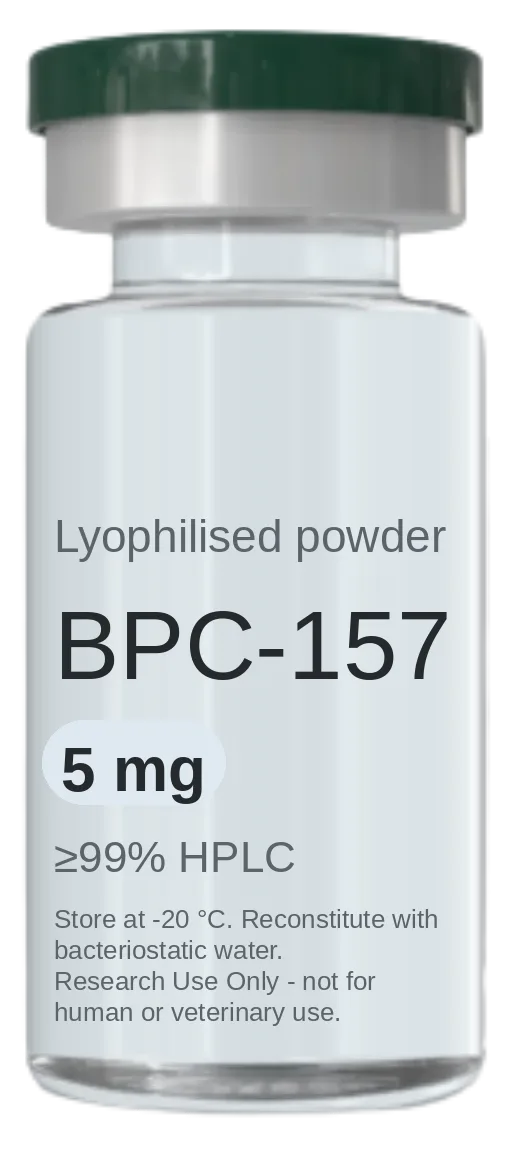
BPC-157 + TB-500
BPC-157 and TB-500 in a single vial — the pairing most studied together in tissue-repair research.
- Purity:
- ≥99% HPLC
- Sizes available:
- 5 mg + 5 mg
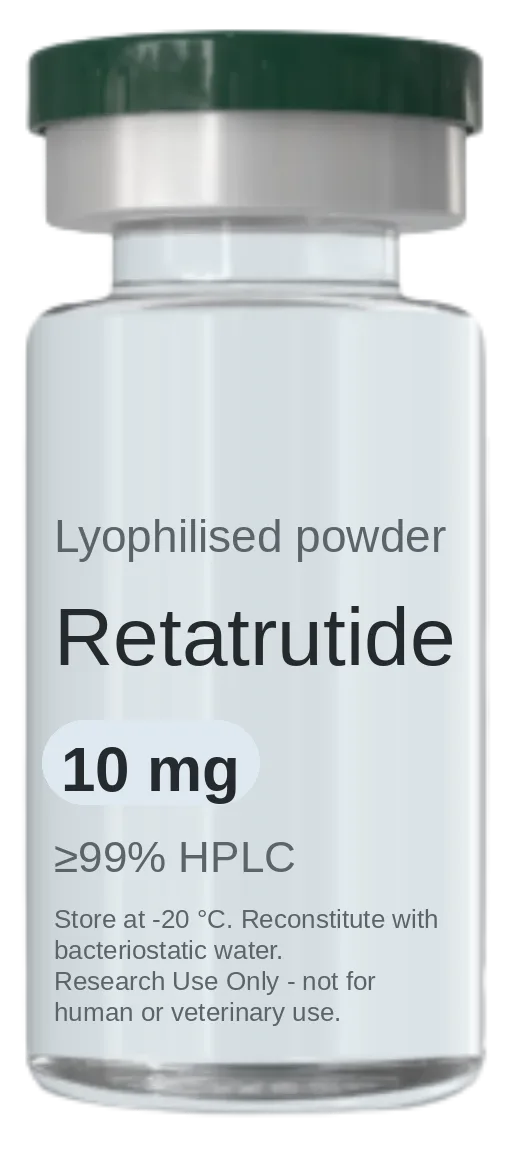
Retatrutide
Triple-agonist metabolic research peptide targeting GLP-1, GIP and glucagon receptors.
- Purity:
- ≥99% HPLC
- Sizes available:
- 10 mg
The consultation
One intake that settles goals, history and contraindications alongside compound, quantity, documentation and route — reviewed by a physician before anything ships.
More notes
-
Tesamorelin vs Sermorelin: The Difference
Tesamorelin and sermorelin are both GHRH analogs, but not the same molecule. Here's the structural difference and what the studies on each measure.
-
Peptide Supplier vs. Reseller: What Differs
The real difference is whether someone can name the lab that tested a batch and show the report — or only promise it's pure.
-
MOTS-c or NAD+: What's the Difference
MOTS-c and NAD+ are studied through different mitochondrial pathways; here's what each line of research actually measures.