
Note
Is Selank Legal in the US?
By the PeptoClinic editorial team · Medically reviewed by Dr. Emily Parker
Selank isn't a scheduled drug, but it's also not FDA-approved, and compounding pharmacies are barred from using it. Here's what that means.
Selank is not a controlled substance under US federal law, and it is not FDA-approved as a drug. Those two facts sound similar but point in different directions: nothing makes it illegal to possess, yet nothing has ever cleared it for a medical use in a person. The FDA has gone further than silence, too — it placed selank on a list of bulk substances that compounding pharmacies are specifically barred from using, citing safety risk concerns. That combination — legal to hold, not approved, barred from compounding — is the actual answer, and it's worth understanding each piece before buying anything.
What Selank actually is
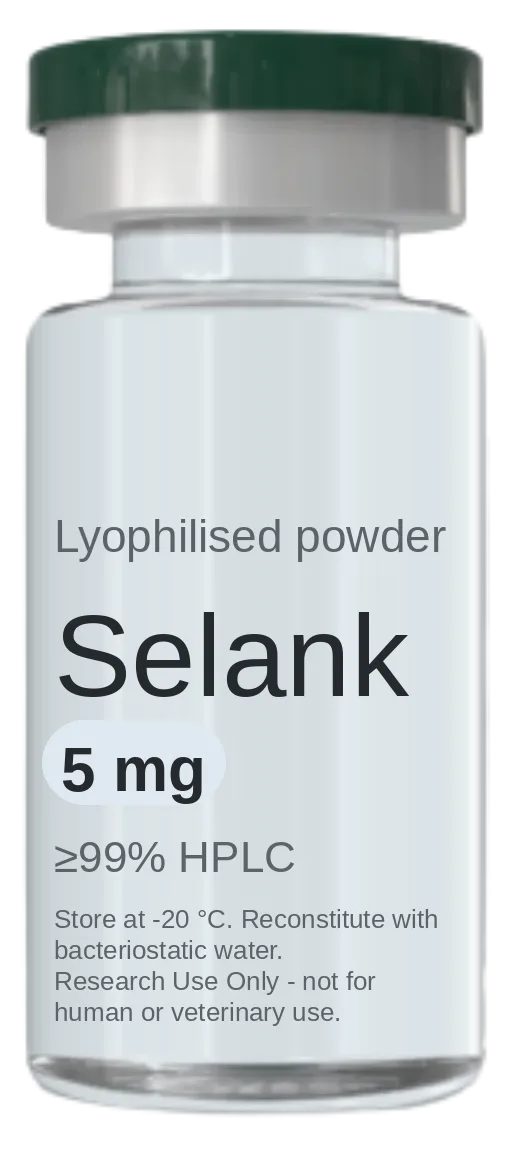
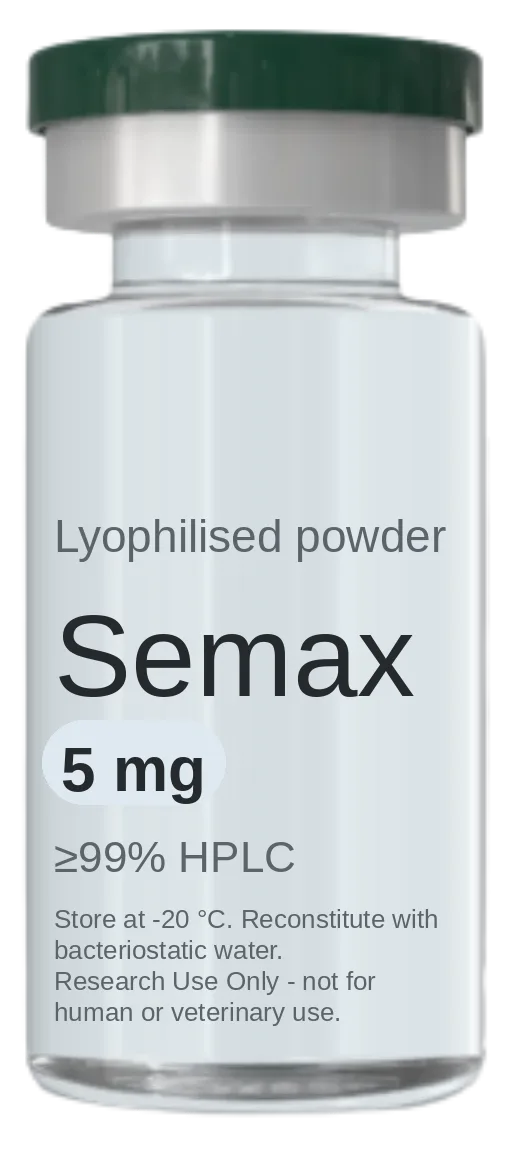
Selank is a synthetic heptapeptide developed in Russia, derived from the human immune peptide tuftsin. It was studied there as an anxiolytic candidate, and it has since drawn interest from researchers outside Russia as well, mostly in connectivity and cognition work rather than large clinical trials. One such study examined how Selank and Semax affect functional brain connectivity, comparing the two peptides' effects on resting-state networks. Semax, a related heptapeptide from the same research tradition, shows up in nearly every discussion of Selank for exactly that reason — they're frequently studied and sold side by side.
Neither peptide has gone through a US clinical trial program aimed at drug approval, and neither has a defined human dose established by any regulator. Nothing in the published literature on Selank constitutes a protocol for a person to follow, and nothing here does either.
Is Selank scheduled or controlled?
No. Selank does not appear on any Drug Enforcement Administration schedule. It is not an opioid, a stimulant, a benzodiazepine or anything else that federal scheduling law treats as a controlled substance. For someone asking "can I get arrested for having this," the honest answer is: scheduling status alone does not make that a risk.
But absence from a controlled-substances list is not the same as approval, and it is not the same as "cleared for compounding." Those are two separate regulatory questions, and Selank fails both of the others.
Is Selank approved by the FDA?
No. Selank has never been approved by the FDA as a drug for any indication, and there is no pending approval process that would change that in the near term. This is different from several other research peptides that sometimes get lumped into the same conversation: tirzepatide, for instance, is the active ingredient in Mounjaro and Zepbound, both of which did receive FDA approval. Semaglutide is the active ingredient in Ozempic and Wegovy, also approved. Selank has no equivalent. There is no brand-name Selank drug on a pharmacy shelf anywhere in the United States, and there isn't a late-stage trial program working toward one.
Why compounding pharmacies can't use it
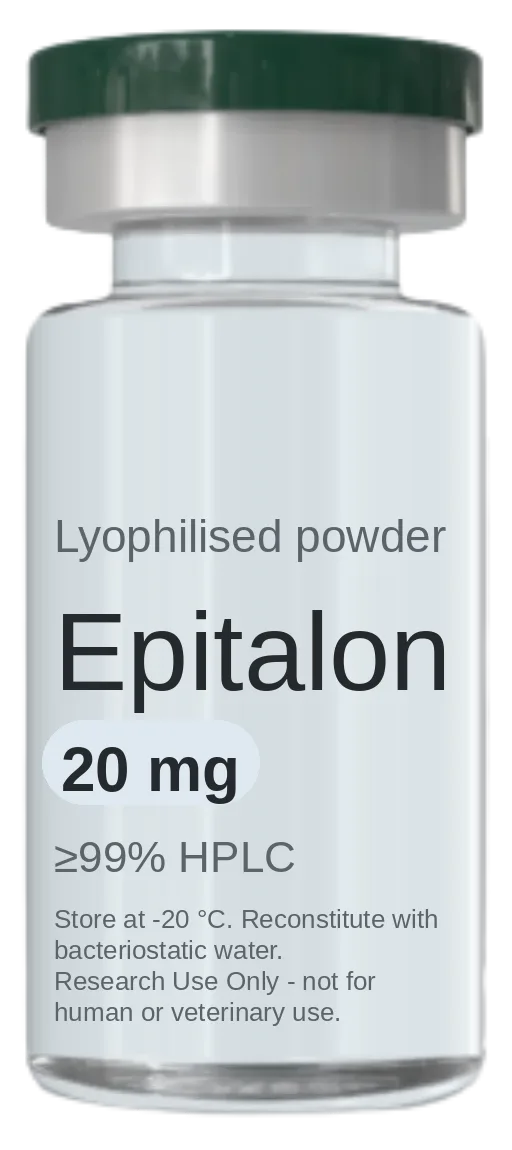
This is the part of the legal status that actually carries weight for a US buyer. The FDA maintains a list of bulk drug substances that pharmacies are prohibited from using when they compound a medication for a patient, because the agency has identified possible safety risks associated with those substances. Selank is on that list, alongside several other peptides with similar research histories — BPC-157, MOTS-c, epitalon and KPV among them. The FDA's own description of that list of bulk drug substances spells out the mechanism: these are substances the agency has reviewed and specifically decided compounders should not be formulating into patient-specific prescriptions.
That single fact answers most of what "is it legal" is really asking. A compounding pharmacy down the street cannot legally put Selank into a prescription for you. A telehealth clinic offering a "Selank prescription" is operating outside what the FDA permits for compounded substances on that list. The honest legal position is: not a controlled substance, not an approved drug, and specifically excluded from the one pathway — compounding — that lets pharmacies dispense unapproved peptides to individual patients at all.
| Status | Selank |
|---|---|
| DEA scheduling | Not scheduled |
| FDA drug approval | Not approved |
| Approved brand-name equivalent | None |
| Compounding pharmacy use | Barred — on the FDA's bulk drug substances list |
| Clinical trial program toward US approval | None known |
Where that leaves a buyer
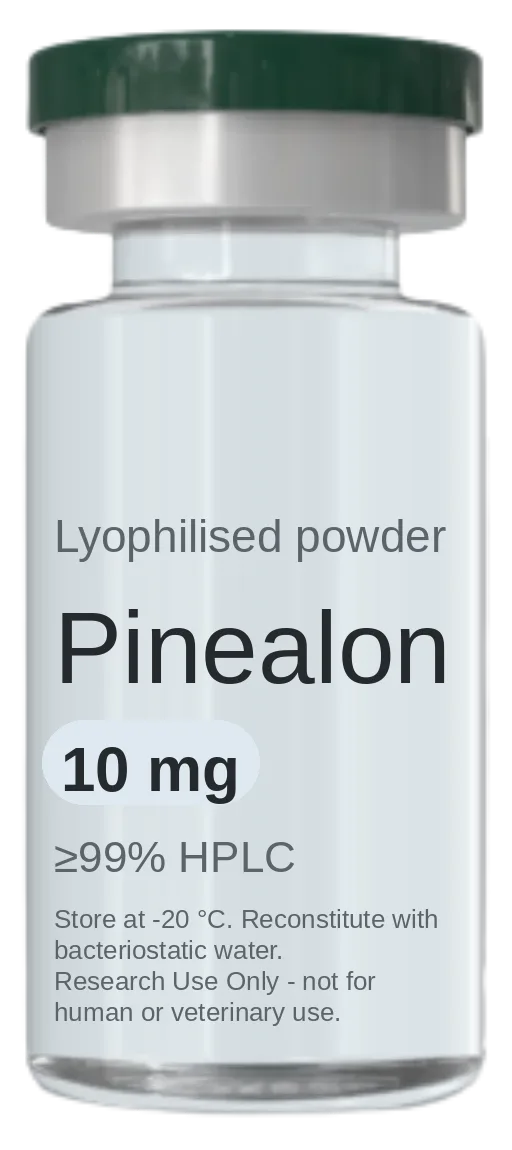
Nothing here is legal advice, and the regulatory picture above is the extent of what can be said with a straight face. What it means in practice is that Selank sits in the same category as most of the research peptides discussed on this site: available for purchase, not approved for use in a person by any US regulator, and not something a pharmacy can legally compound into a prescription. PeptoClinic's catalogue carries it as lab-reference material, the same way it carries Semax, Pinealon and Epitalon — related peptides with comparable research histories and comparable regulatory status. None of them are research use only in the sense of being restricted from sale, and none of them are approved drugs either. Pricing for the current catalogue is published rather than quoted case by case, and the quality page covers how each lot is verified before it ships.

Medical review
Dr. Emily Parker

Reviews every consultation as it comes in
Frequently asked questions
Is Selank a scheduled drug in the United States?
No. Selank does not appear on any DEA controlled substances schedule, so possessing it does not carry the kind of legal risk associated with scheduled drugs.
Has the FDA approved Selank for any use?
No. The FDA has never approved Selank as a drug for any indication, and there is no brand-name Selank product sold in US pharmacies.
Can a compounding pharmacy legally prepare Selank for me?
No. Selank is on the FDA's list of bulk drug substances that compounders are barred from using because of identified safety risk concerns, so a pharmacy cannot legally compound it into a patient prescription.
Is Selank the same as a research-use-only chemical?
Selank is a peptide with a defined regulatory status: not scheduled, not approved, excluded from compounding. It is sold as laboratory-reference material rather than a dispensed medication.
Why is Selank sometimes mentioned alongside Semax?
Both are heptapeptides developed in the same Russian research tradition, both lack FDA approval, and researchers have studied them together — including a published comparison of their effects on brain connectivity. They tend to appear in the same catalogues and the same literature searches for that reason.
Is it illegal to import Selank into the United States?
Scheduling status and import law are separate questions, and nothing here constitutes legal advice on importation specifically. What can be said is that Selank's lack of DEA scheduling removes it from the category of substances where importation itself is the primary legal exposure.
Does "not approved" mean Selank is unsafe?
Not approved means the FDA has not reviewed it through the process that leads to an approved drug label, and that it's barred from compounding over identified safety risk concerns. That is a regulatory status, not a clinical verdict, and it's not the same question as efficacy or safety in a given use.
Where can I buy Selank as lab-reference material?
PeptoClinic lists Selank in its catalogue with published pricing and a certificate of analysis for the batch; the product page covers specifications and lab verification before you decide anything.
Compounds mentioned
The consultation
One intake that settles goals, history and contraindications alongside compound, quantity, documentation and route — reviewed by a physician before anything ships.
More notes
-
Thymosin Alpha 1 vs Selank: How They Differ
Thymosin Alpha 1 and Selank sit in different research families—one studied in immunomodulation, the other in the anxiolytic-cognitive axis.
-
Is Epitalon Legal in the US?
Epitalon is not approved by the FDA and sits on its bulk drug substances list, meaning pharmacies cannot legally compound it.
-
Selank: What It Is and What Science Shows
Selank is a synthetic heptapeptide derived from tuftsin. Its structure, origin, and what the published literature studies about it.
-
Is Thymosin Alpha 1 Legal in the US?
Thymosin alpha 1 hasn't been approved by the FDA and sits on its bulk drug substances list. Here's what that means for buying it in the US.
-
Semax vs Selank: How They Differ
Two synthetic Russian peptides with distinct profiles. What the published literature shows about Semax and Selank, and how they differ.