
Note
What Is Lyophilized Peptide Reconstitution
Reconstituting a lyophilized peptide dissolves freeze-dried powder in a compatible solvent. What changes chemically, which solvents, how to verify.
Reconstitution is the process of dissolving a lyophilized peptide — a dry powder produced by vacuum freeze-drying — in a compatible solvent to return it to liquid form. In a research laboratory, it is the required step before any work with the compound: a crystalline powder cannot be pipetted into a cell culture plate, injected into an HPLC column, or used in a bioassay.
Why peptides are supplied as lyophilized powder
Lyophilization is a cold-drying process. The material is frozen, then placed under vacuum: water passes directly from solid to vapor without a liquid phase in between, a transition called sublimation. The result is a fine powder that retains the original amino acid sequence and peptide conformation without thermal degradation.
In aqueous solution, many peptides degrade within days to weeks. Peptide bonds hydrolyze, susceptible residues oxidize, and molecules aggregate into inactive clusters. As lyophilized powder stored under appropriate conditions — controlled temperature and low humidity — shelf life extends considerably. That is why lyophilization is the standard format for research peptide supply and transport.
Purity analysis on a production lot is performed on the powder as it leaves the synthesis process. The Janoshik Analytical reports that PeptoClinic Research Supply attaches to each order report results on the lyophilisate: 99.893% for retatrutide, 99.669% for MOTS-c, both analyzed on 2026-04-13. Those figures describe the powder. The quality of the resulting solution also depends on the reconstitution procedure. The full reports are available in the quality section.
What happens chemically during reconstitution
When solvent contacts the lyophilized powder, solvent molecules surround the peptide chains and disperse them. A successful reconstitution produces a homogeneous solution where each peptide molecule is separated and solvated. A failed one produces aggregates — clusters of molecules that have stuck together — which alter the compound's behavior in any subsequent assay.
Solubility is determined by the peptide's sequence. Charged residues such as lysine, arginine, aspartic acid, and glutamic acid favor dispersion in water. Hydrophobic residues such as leucine, valine, and phenylalanine work against it. Peptides with a high proportion of hydrophobic residues may require co-solvents or pH adjustment to enter solution. A supplier's lot-specific documentation should state which solubility conditions were verified on that batch.
Solvents used in peptide research
Solvent selection is not arbitrary. It must be compatible with the downstream assay, with the laboratory's equipment, and with the peptide's physicochemical properties.
Bacteriostatic water is the most common solvent for research peptides. It contains benzyl alcohol at low concentration as a bacteriostatic agent, which extends the working life of a reconstituted vial after it has been opened. It is compatible with most hydrophilic peptides. PeptoClinic supplies USP-grade bacteriostatic water as part of its laboratory consumables catalogue.
Sterile water is used when benzyl alcohol would interfere with the assay. Without a preservative, the working window of an opened vial is shorter.
Dilute acetic acid — typically 10 to 30% in water — is the solvent of choice for peptides with a high proportion of basic residues that aggregate at neutral pH. Lowering the pH protonates amine groups and increases electrostatic repulsion between molecules, keeping them dispersed.
DMSO (dimethyl sulfoxide) is used as a co-solvent for highly hydrophobic peptides. It is miscible with water and with most assay buffers, but can interfere with some cellular systems at elevated concentrations.
None of these is a universal default. The assay protocol and the scientific literature on the specific compound are the correct references for the choice — not general convention.
Reconstitution conditions in the laboratory
Solvent temperature, addition order, mixing method, and contact time all affect the outcome.
A common error in non-optimized protocols is vigorous mixing. Intense vortexing can induce aggregation in sensitive peptides. Standard practice is gentle rotation or repeated inversion of the vial, followed by visual inspection to confirm that the solution is clear and homogeneous.
Contact time matters. Some peptides require several minutes of hydration before the solution reaches full homogeneity. Forcing mixing before the powder has absorbed the solvent produces a partial suspension that gives erroneous readings in absorbance measurements or bioassays.
Elevated solvent temperature can facilitate dissolution of poorly hydrophilic peptides but can also accelerate degradation if it goes too high. The compound's data sheet should be consulted before applying heat.
Verifying that reconstitution worked
In an equipped laboratory, verification is quantitative. The most commonly used methods are:
- UV absorbance at 280 nm: peptides containing aromatic residues — tyrosine, tryptophan, phenylalanine — absorb at this wavelength. Comparing the measured absorbance against the compound's molar extinction coefficient gives the actual solution concentration.
- Analytical HPLC: separates the peptide from aggregates or degradation products and quantifies the active fraction independently.
- Visual inspection: a solution that should be colorless and clear but shows turbidity or precipitate indicates aggregation or incomplete dissolution. It does not replace quantitative verification, but it rules out the most obvious failures immediately.
If the absorbance or HPLC result differs from the expected concentration, the first step is to review the reconstitution procedure before concluding that the lot is degraded.
Storing a reconstituted solution
Once reconstituted, the solution has a much shorter shelf life than the lyophilized powder. Degradation rate depends on the solvent, concentration, storage temperature, and whether a preservative is present.
Standard practice in research is to work with aliquots: reconstitute the full lot, divide it into single-use portions, and freeze those not needed in the current session. Repeated freeze-thaw cycles increase the probability of aggregation and degradation. Aliquots are frozen once and discarded if thawed without being used.
Bacteriostatic water plus — formulated with a slightly higher benzyl alcohol concentration — extends the working window of reconstituted vials kept refrigerated between uses within the same week.
For laboratory research only
All material supplied by PeptoClinic Research Supply is intended exclusively for laboratory research — in vitro assays and analytical studies — and is classified as Research Use Only (RUO). It is not a medicine. It has not been approved or evaluated by the FDA, ANMAT, or any equivalent authority, and it is not supplied with therapeutic indications, administration protocols, or guidance for use in humans or animals.
Anyone acquiring this material is responsible for handling it in accordance with the biosafety protocols of their laboratory. For the regulatory framework governing supply and import to specific destinations, see the shipping page.
Frequently asked questions
What does it mean for a peptide to be lyophilized?
It means the compound was subjected to vacuum freeze-drying: water was removed by sublimation rather than evaporation, leaving a dry powder that retains the original amino acid sequence. Lyophilization is the standard format for research peptide storage and transport because it extends shelf life substantially compared with an aqueous solution.
What solvent is used to reconstitute research peptides?
It depends on the peptide and the assay. Bacteriostatic water is the most common choice for hydrophilic peptides. Peptides with a high proportion of hydrophobic residues may require dilute acetic acid or DMSO as a co-solvent. The scientific literature on the specific compound and the supplier's data sheet are the correct references for that decision, not general convention.
Why prepare aliquots before freezing?
To avoid repeated freeze-thaw cycles, which raise the probability of aggregation and degradation. Dividing the reconstituted solution into single-use portions allows each session to thaw only what is needed, leaving the rest intact. Aliquots not used in a session are frozen rather than refrigerated to prevent accumulated degradation.
How long is a reconstituted peptide solution stable?
It depends on the solvent, the concentration, and storage temperature. A bacteriostatic-water solution stored under refrigeration is generally considered stable for days to a few weeks under normal laboratory conditions. Without a preservative, the window is shorter. The compound's data sheet is the primary reference for the specific stability window.
How do I know if reconstitution succeeded?
Visual inspection rules out obvious failures: turbidity or precipitate in a solution that should be clear indicates aggregation or incomplete dissolution. Quantitative verification is UV absorbance at 280 nm — for peptides with aromatic residues — or analytical HPLC. The measured concentration is compared against the expected value derived from the vial's net weight and the volume of solvent added.
Does powder purity determine solution purity?
Powder purity is the starting condition, not a guarantee of the final solution. A lot reporting 99.669% purity — the floor across PeptoClinic's published Janoshik Analytical reports — can yield a solution of lower effective concentration if the reconstitution procedure induces aggregation or degradation. Analysis of the powder does not replace verification of the solution in the research protocol.
What documentation should accompany a lyophilized peptide lot?
At minimum: lot number, HPLC purity result with the assay date, net weight of the vial, and the name of the analytical laboratory. PeptoClinic attaches a Janoshik Analytical report to each order, identified by a verifiable task number. The four analyzed compounds and their results are listed in the quality section of the site.
Can PeptoClinic material be used in humans?
No. It is Research Use Only (RUO): intended for laboratory research and not approved or evaluated for human or veterinary use by any regulatory authority. PeptoClinic Research Supply does not provide administration protocols, dosing guidance, or therapeutic indications of any kind.
Compounds mentioned
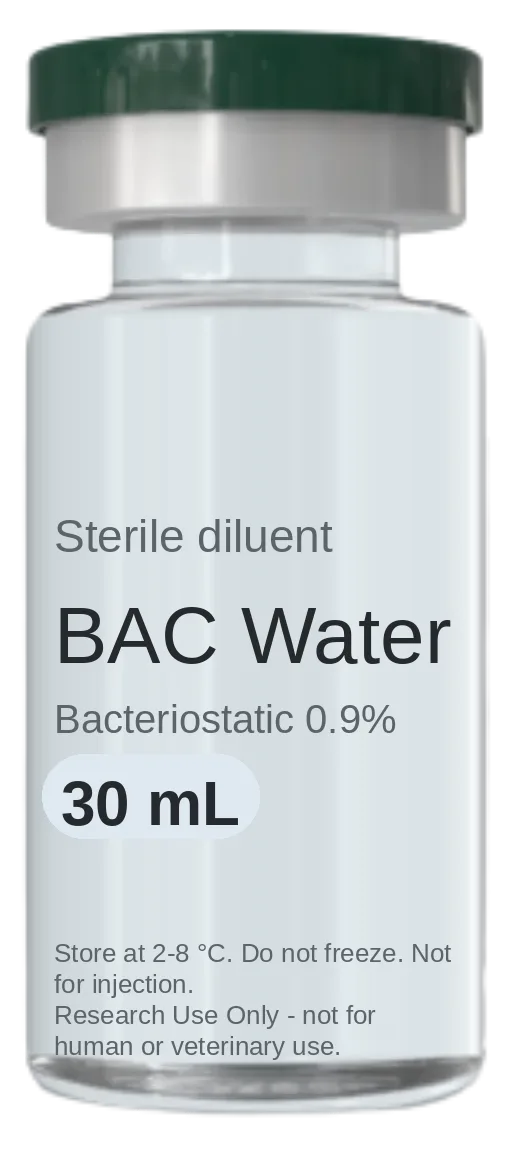
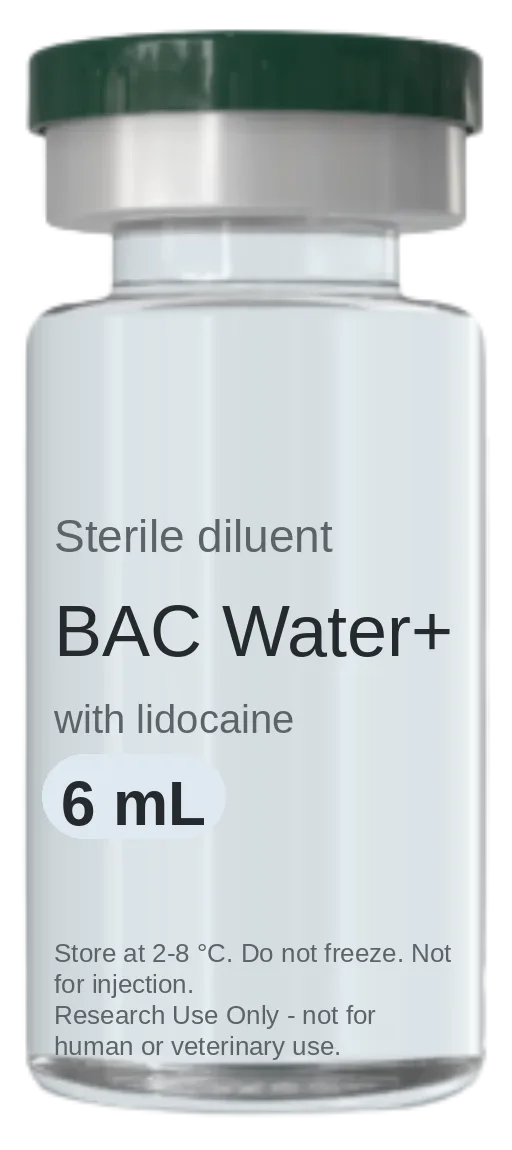
BAC Water+ (6mL con Lidocaína)
Bacteriostatic water with lidocaine, 6 mL, for laboratory reconstitution.
- Purity:
- USP grade
- Sizes available:
- 6 mL
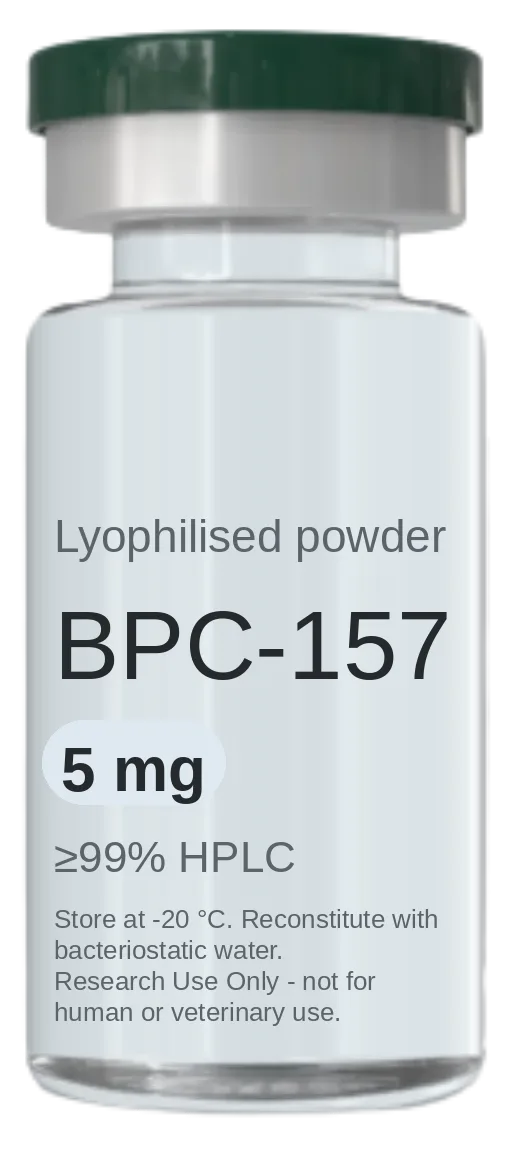
BPC-157 + TB-500
BPC-157 and TB-500 in a single vial — the pairing most studied together in tissue-repair research.
- Purity:
- ≥99% HPLC
- Sizes available:
- 5 mg + 5 mg
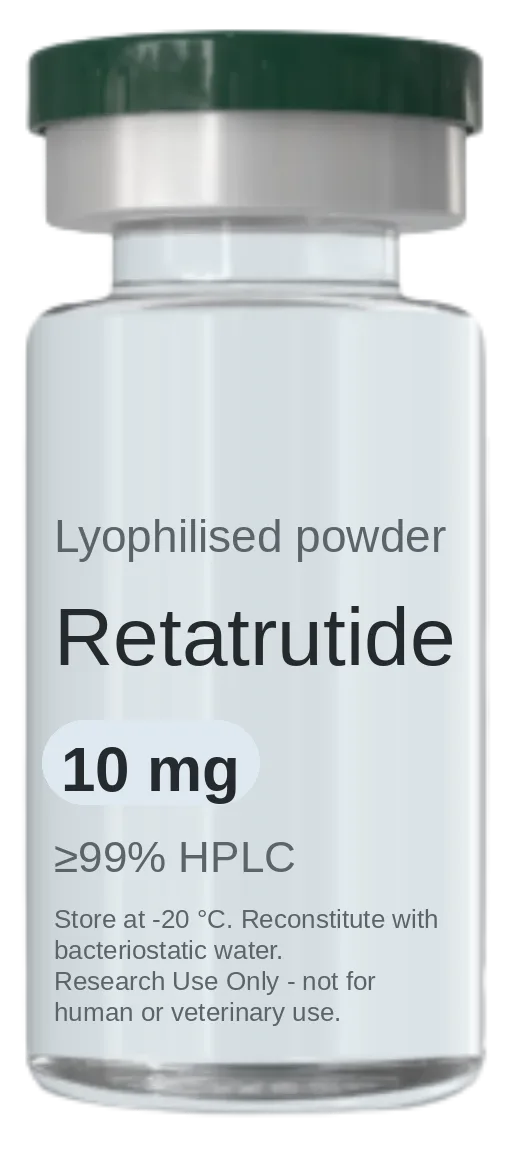
Retatrutide
Triple-agonist metabolic research peptide targeting GLP-1, GIP and glucagon receptors.
- Purity:
- ≥99% HPLC
- Sizes available:
- 10 mg
The consultation
One intake that settles goals, history and contraindications alongside compound, quantity, documentation and route — reviewed by a physician before anything ships.
More notes
-
No Tax Address on File: Argentine Customs
What Argentine customs does with a research peptide shipment when the recipient has no registered tax address.
-
How Long Does a Peptide Quote Take?
A research peptide quote from PeptoClinic usually arrives within one business day. Here's what happens during that review.
-
Retatrutide vs CJC-1295: Key Differences
Retatrutide and CJC-1295 no DAC are different research peptide classes, with different mechanisms and different purity reports behind them.