
Note
BPC-157 or MOTS-c: What Sets Them Apart
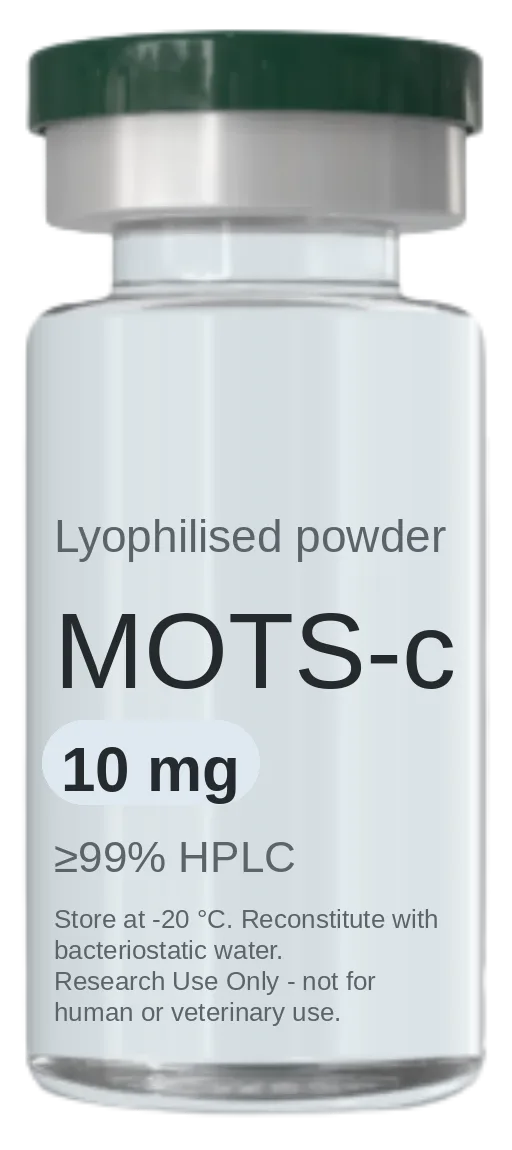
BPC-157 and MOTS-c differ in origin, molecular structure and what the research literature on each one actually studies.
BPC-157 and MOTS-c differ in origin, molecular structure, and in what the published research literature studies for each one. BPC-157 is a synthetic 15-amino-acid peptide (a pentadecapeptide) derived from a fragment of a protein first isolated from gastric juice. MOTS-c is a 16-amino-acid peptide encoded by a region of mitochondrial DNA, specifically the gene that also encodes the 12S ribosomal RNA. These are not two names for the same compound, and they are not variants of one another: they belong to different molecular families, and the research models used to study them point at different biological processes.
Origin and structure: the base-level difference
The first difference is where each sequence comes from.
BPC-157 does not exist as such in the human body: it is a synthetic sequence built from an active portion of a larger gastric protein (referred to in the literature as BPC, body protection compound). Because it is an isolated and synthesized fragment, it is classified as a synthetic research peptide.
MOTS-c, by contrast, has an endogenous origin: it is one of the few peptides known to be encoded directly by mitochondrial DNA, outside of nuclear DNA. For that reason it is grouped under the category of mitochondrial-derived peptides (MDPs), a relatively new category within peptide biochemistry.
That difference in origin explains why laboratories that research one do not necessarily research the other: they answer different questions and are produced through different synthesis processes. You can review the technical sheet, published report and quote process for each compound separately on the BPC-157 and MOTS-c pages for Argentina.
What the research literature studies on each one
No compound in this catalogue is approved for human or veterinary use, and PeptoClinic makes no claims about outcomes in people. What can be described, attributed and in the third person, is which lines of research exist in the published literature.
On BPC-157, the literature available on PubMed includes animal-model studies focused on tissue repair processes — tendon, ligament, gastric mucosa — and on vascular signaling pathways. It is one of the research peptides with the largest volume of accumulated preclinical publications in recent years.
On MOTS-c, the published research concentrates on cellular energy metabolism: its proposed role as a signaling link between the mitochondria and the cell nucleus, and its behavior in models of metabolic stress and exercise. This is a more recent field of study than BPC-157's, with fewer years of accumulated literature.
Anyone who wants to check the primary sources can search directly in PubMed for studies on BPC-157 and in PubMed for studies on MOTS-c. These are separate evidence bases, not the same research question asked twice.
The difference you can verify on paper: the certificate of analysis
Beyond the biology, there is a concrete, checkable difference: the document that accompanies each batch.
The Janoshik Analytical reports on these compounds are not the same document and do not report the same thing. The MOTS-c batch (task 136923) lists a reported purity of 99.669% on 11.31 mg of content. The batch that includes BPC-157 (task 204975) combines BPC-157 and TB-500 in a total of 10 mg — 5 mg of each peptide — and that particular report does not list a purity percentage of its own.
This matters because the 99.669% figure for MOTS-c is, among the reports published, the lowest purity of the four PeptoClinic currently has available for review. It's worth citing that figure rather than a higher one from a different batch, because it reflects the actual standard, not the best possible case.
To understand how to read a certificate of analysis point by point — which number to check, what the HPLC method means, how to tell a real report from a fabricated one — it's worth reviewing the quality and certificates of analysis page before evaluating any supplier, not just this one.
Are they ever studied together in a model?
There are publications that study BPC-157 and MOTS-c separately, within different research lines: tissue repair on one side, mitochondrial metabolism on the other. There is no consolidated body of evidence that treats them as a pair or as complementary compounds within a single protocol. Any laboratory that works with both does so because it has two open research questions, not because there is a standard experimental design that combines them.
PeptoClinic does not offer protocol, dosing or combination guidance: that falls outside the scope of a technical supply consultancy and is a decision that belongs to the research team receiving the material, not to the supplier.
Laboratory research material, not for human use
Everything described in this post corresponds to in vitro and animal-model research literature. BPC-157 and MOTS-c are supplied strictly for Research Use Only (RUO): they are not medicines, not supplements, not approved by ANMAT, the FDA or any equivalent authority for human or veterinary consumption, and no claim on this site has been evaluated by those bodies. PeptoClinic is not a pharmacy, a clinic or a telehealth provider, and it does not provide dosing or administration guidance for people.
How they differ in the quote process
Within PeptoClinic's catalogue, BPC-157 and MOTS-c are two separate entries, each with its own technical sheet, its own certificate of analysis and its own quote. There is no published price and no cart: the technical team reviews compound, quantity, batch documentation and dispatch route, and returns a written quote, normally within one business day. That quote is independent for each peptide, even when the same laboratory requests both. Destinations and shipping details are covered on the Argentina and shipping pages.
Frequently asked questions
Are BPC-157 and MOTS-c the same type of peptide?
No. BPC-157 is a synthetic 15-amino-acid peptide derived from a fragment of a gastric protein, while MOTS-c is a 16-amino-acid peptide encoded directly by mitochondrial DNA. They are two molecules with different origins and different classifications within peptide biochemistry.
Which of the two has the higher certified purity?
The Janoshik Analytical report on the MOTS-c batch lists a purity of 99.669% on 11.31 mg of content. The report for the batch that includes BPC-157 combines that peptide with TB-500 in a total of 10 mg and does not report an individual purity percentage, so that particular comparison cannot be made report against report.
Is the scientific literature on BPC-157 and MOTS-c comparable in volume?
Not exactly. BPC-157 has accumulated more years of preclinical publications, mostly in tissue-repair models. MOTS-c is a more recent field of study, centered on mitochondrial metabolism, with less accumulated literature so far.
Can BPC-157 and MOTS-c be requested in the same quote?
Yes, they can be requested in the same inquiry, but each compound is quoted separately according to its own technical sheet, quantity and batch documentation.
Are BPC-157 or MOTS-c approved by ANMAT for human use?
No. Neither is approved by ANMAT, the FDA or any equivalent authority for human or veterinary use. Both are supplied exclusively as laboratory research material (RUO).
What certificate accompanies each vial?
Each batch published on PeptoClinic comes with a Janoshik Analytical report, dated to its analysis and, when the report includes one, a direct verification link with the laboratory. The exact content — reported purity, vial milligrams — varies by compound and batch.
Does PeptoClinic provide dosing guidance for BPC-157 or MOTS-c?
No. PeptoClinic is a technical supply consultancy for research peptides, not a source of administration protocols. Decisions about experimental design are left to the research team that receives the material.
How does the material arrive in Argentina?
The material travels as lyophilized powder in a sealed vial, at room temperature, with no cold chain: lyophilized powder stays stable at room temperature for weeks, unlike a solution that has already been reconstituted. More detail on import documentation and shipping is on the [Argentina](/en/argentina/) page.
Compounds mentioned
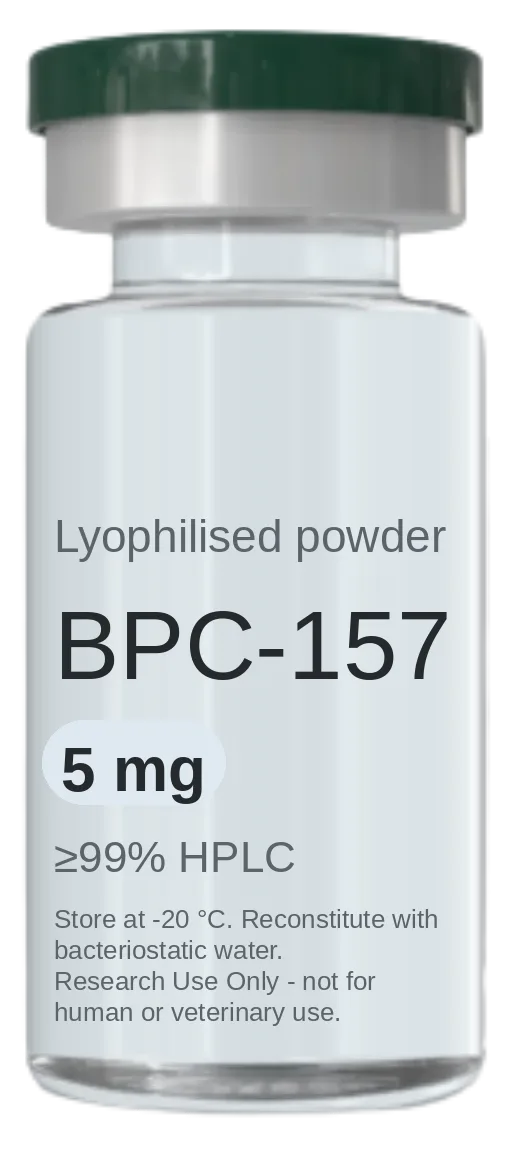
BPC-157 + TB-500
BPC-157 and TB-500 in a single vial — the pairing most studied together in tissue-repair research.
- Purity:
- ≥99% HPLC
- Sizes available:
- 5 mg + 5 mg
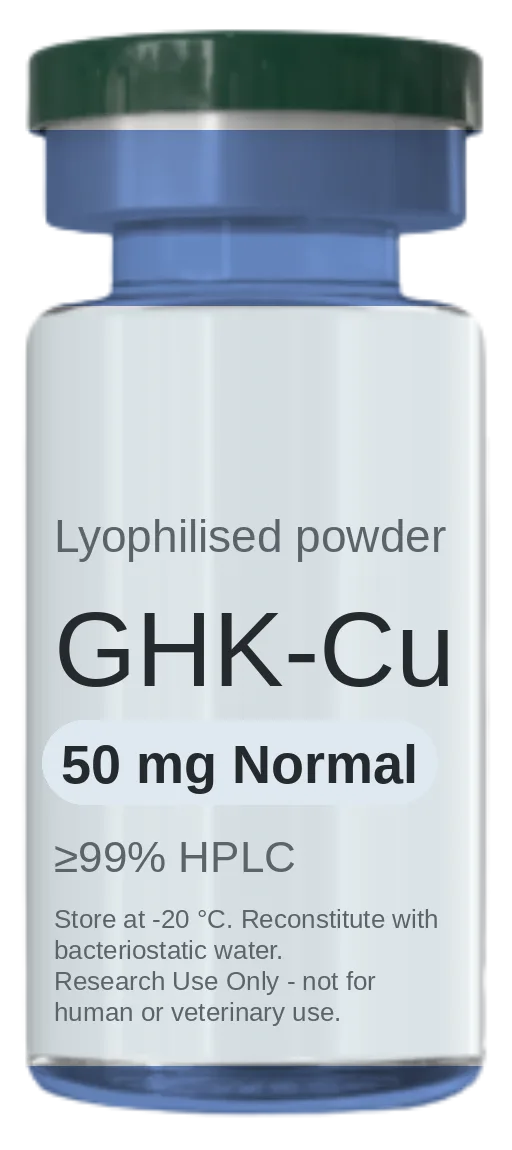
GHK-Cu (Copper Peptide)
Copper-binding tripeptide studied in extracellular matrix and dermal research models.
- Purity:
- ≥99% HPLC
- Sizes available:
- 50 mg Normal – 50 mg Plus
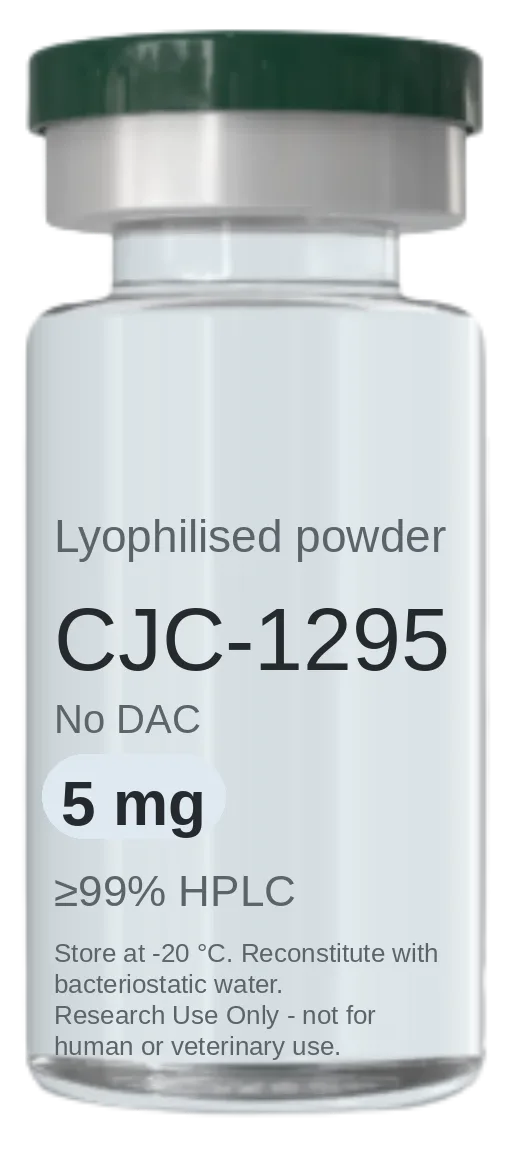
CJC-1295 (sin DAC)
Modified GRF(1-29) tetrasubstituted analogue without drug affinity complex.
- Purity:
- ≥99% HPLC
- Sizes available:
- 5 mg – 20 mg
The consultation
One intake that settles goals, history and contraindications alongside compound, quantity, documentation and route — reviewed by a physician before anything ships.
More notes
-
GHK-Cu vs Epithalon: What's the Difference
GHK-Cu and Epithalon are distinct research peptides in structure and in what the literature studies on each. Here's the difference.
-
Freight Forwarder vs Courier to Argentina
Can a freight forwarder replace a courier to import research peptides into Argentina? What changes, and what the practical answer is.
-
No One Home for Your Argentina Shipment?
What happens when a research peptide shipment to Argentina arrives at an address with no one there to sign for it.