
Note
BPC-157 vs TB-500: What's the Difference
BPC-157 and TB-500 are distinct research peptides with different origins and mechanisms. What the literature and each COA actually show.
BPC-157 and TB-500 are two distinct research peptides, different in origin, structure and mechanism of action. They show up together across a lot of the literature because both are studied in tissue-repair models, but that doesn't make them equivalent or interchangeable: each acts through a separate pathway, and the papers that describe them treat them as separate compounds, not synonyms.
What BPC-157 is
BPC-157 (Body Protection Compound-157) is a synthetic peptide derived from a partial sequence of a gastric protein. It's stable in acidic conditions, which is why a large share of the early research concentrated on digestive models. Later literature broadened to connective tissue, blood vessels and wound-healing models, where researchers investigate its interaction with pathways related to growth factor receptors and nitric oxide signaling.
It's one of the compounds in PeptoClinic's catalog, supplied as lyophilized material for laboratory research. For researchers sourcing into Argentina, PeptoClinic keeps a dedicated page on BPC-157 in Argentina with the documentation and import logistics detail.
What TB-500 is
TB-500 is the synthetic version of an active fragment of thymosin beta-4 (Tβ4), a small protein present in nearly all mammalian cells. Thymosin beta-4 binds to G-actin, one of the cell's structural components, and through that pathway the literature links it to cell migration and angiogenesis in animal models. TB-500 retains the portion of the molecule responsible for that actin binding, which is exactly what's being investigated in wound-healing and vascular remodeling studies.
Unlike BPC-157, TB-500 isn't a gastric derivative and doesn't share the same sequence family: these are molecules of distinct biological origin that arrived at similar research areas by separate routes.
Where the mechanisms actually diverge
The central difference between the two is the molecular target:
- BPC-157 is studied in relation to growth factor receptors and the nitric oxide pathway, and its stability in acidic conditions made it an early candidate of interest for gastrointestinal research before extending to other tissues.
- TB-500 is studied for its direct binding to G-actin, which in cellular models translates into effects on cell motility and new blood vessel formation.
These are non-overlapping mechanisms. That the literature frequently mentions them in the same paragraph reflects that the study models (tendon, ligament, skin, cardiac tissue) are shared, not that the compound is the same or acts the same way.
Why they show up together in the literature
Several animal-model research papers evaluate BPC-157 and TB-500 within the same experimental protocol, often in combination, because researchers want to compare or stack two distinct pathways within the same tissue-injury model. That's why laboratory preparations exist that combine both peptides in a single vial, built for experimental protocols that need to administer both compounds together without reconstituting them separately.
PeptoClinic has laboratory documentation for a combined BPC-157 and TB-500 preparation, with declared content detailed in the corresponding certificate of analysis. Outside of that specific combination, each peptide is also quoted individually.
What the certificate of analysis (COA) says
PeptoClinic doesn't publish a purity claim without a laboratory report behind it. Batches are analyzed by Janoshik Analytical, an independent third-party laboratory, and every report is available for a buyer to review before deciding. The quality and certificates of analysis page has the full detail: which compound was tested, on what date, and what content was found against the label claim. Janoshik's own site is at janoshik.com.
That's what separates a verifiable supplier from one that just writes "guaranteed purity" with nothing behind it: the number has to resolve to a document signed by a laboratory, not a line on a product page.
Research use only (RUO)
BPC-157 and TB-500, like PeptoClinic's entire catalog, are supplied strictly for Research Use Only (RUO): in vitro and laboratory studies. Neither is a medicine, a supplement, or a product approved for human or veterinary consumption, diagnosis, or treatment. No claim about these compounds has been evaluated by the FDA, ANMAT, or any equivalent regulatory authority. Reference for peptide classification and oversight is available from the FDA. PeptoClinic is not a pharmacy, a clinic, or a telehealth provider, and does not offer dosing, administration, or protocol guidance for use in people — that kind of request is declined.
Documentation and shipping to Argentina
Orders quoted to Argentine destinations are prepared with the corresponding customs documentation for entry as laboratory reference material. The material travels lyophilized, in a sealed vial with desiccant and protected from light, at room temperature: it doesn't require a cold chain, because lyophilized powder is stable under those conditions for weeks. Full detail on packaging and the destinations served is on the shipping page.
Frequently asked questions
Are BPC-157 and TB-500 the same peptide under two names?
No. They're two distinct molecules with different origin and sequence. BPC-157 derives from a gastric protein fragment, and TB-500 is a synthetic fragment of thymosin beta-4, a protein that binds actin. They share a research area, not a structure or a mechanism.
Why do so many studies mention them together?
Because several animal-model research protocols evaluate both compounds within the same tissue-injury model, sometimes in combination, to compare or stack two distinct pathways. That's also why laboratory preparations exist that combine both peptides in a single vial.
Which one has higher purity?
The purity of a specific batch is only known by reading that batch's certificate of analysis. PeptoClinic publishes reports from **Janoshik Analytical** on the [quality page](/en/quality/), where the verified content of each analyzed compound is listed, with nothing to take on faith.
Can they be bought combined in a single vial?
PeptoClinic has laboratory documentation for a combined BPC-157 and TB-500 preparation in a single vial, in addition to each compound sold separately. A technical inquiry determines which presentation fits a given research project.
Does the material arrive refrigerated in Argentina?
No. It travels as lyophilized powder, sealed and protected from light, at room temperature. Refrigeration only becomes relevant after the compound is reconstituted into solution, not during transport of the lyophilized vial.
Are these peptides approved for human use in Argentina?
No. Neither is approved by ANMAT or any equivalent regulatory authority for human or veterinary consumption. Both are supplied strictly for laboratory research (RUO).
Does PeptoClinic provide dosing or usage protocol guidance?
No. PeptoClinic is a technical supplier of research material, not a clinic or medical practice. No dosing, administration, or protocol guidance directed at a person is offered, and that kind of request is declined.
What other peptides are studied in the same tissue-repair models?
The research literature frequently pairs these with compounds like [GHK-Cu](/en/product/ghk-cu/), studied in skin remodeling and collagen models. The [full catalog](/en/catalog/) has the detail on each compound and its laboratory documentation.
Compounds mentioned
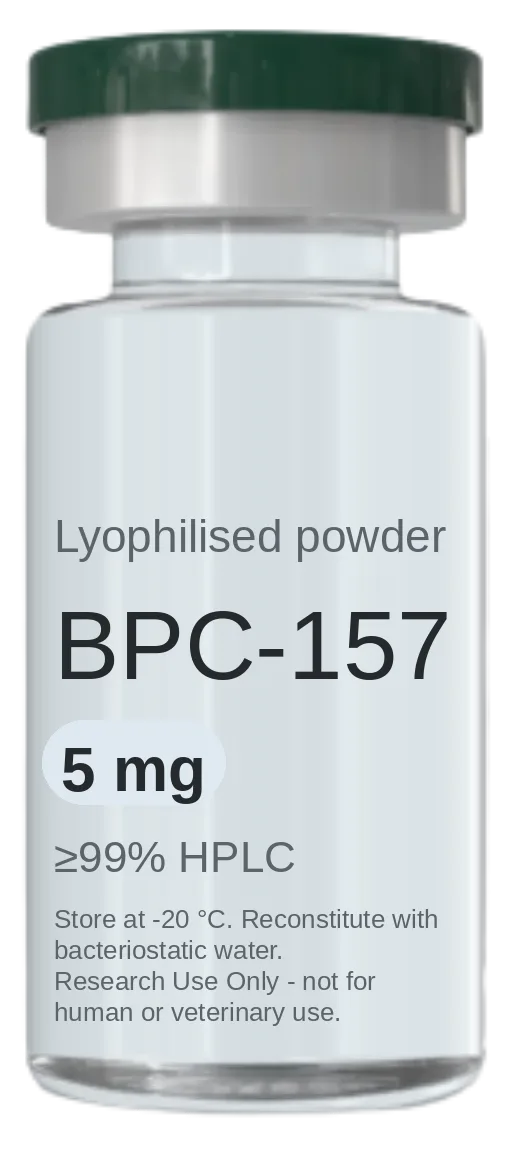
BPC-157 + TB-500
BPC-157 and TB-500 in a single vial — the pairing most studied together in tissue-repair research.
- Purity:
- ≥99% HPLC
- Sizes available:
- 5 mg + 5 mg
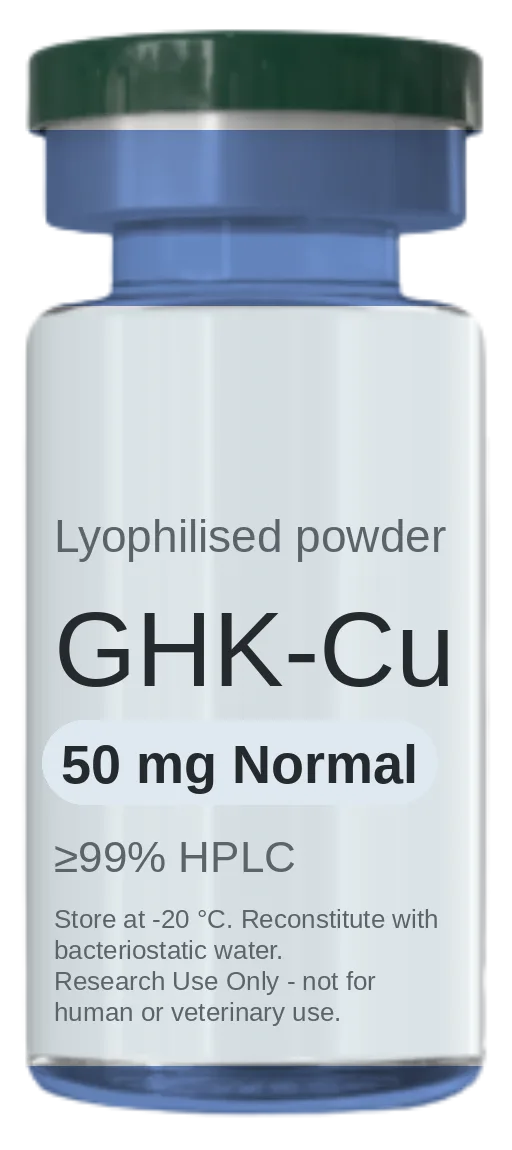
GHK-Cu (Copper Peptide)
Copper-binding tripeptide studied in extracellular matrix and dermal research models.
- Purity:
- ≥99% HPLC
- Sizes available:
- 50 mg Normal – 50 mg Plus
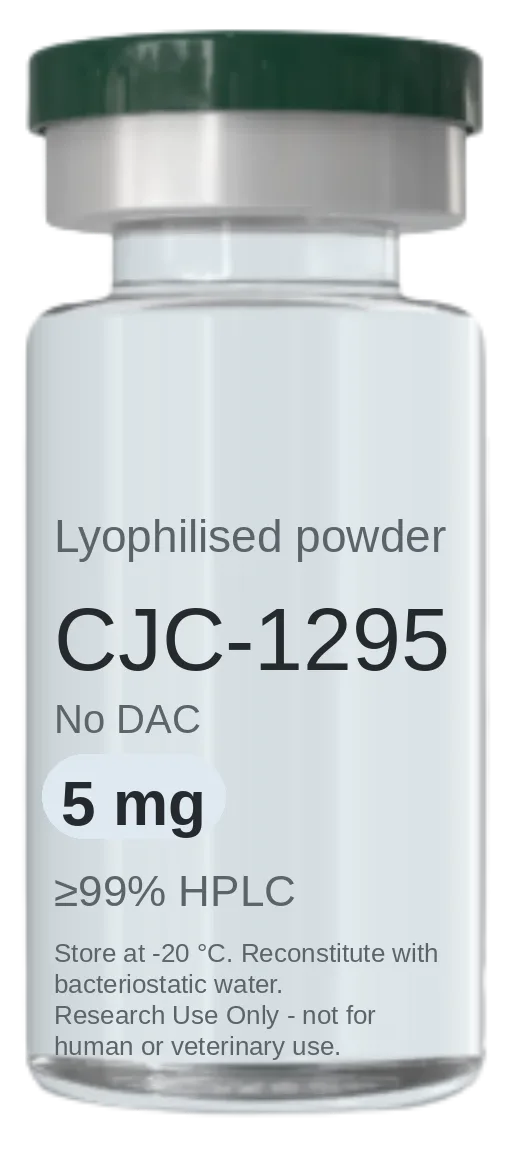
CJC-1295 (sin DAC)
Modified GRF(1-29) tetrasubstituted analogue without drug affinity complex.
- Purity:
- ≥99% HPLC
- Sizes available:
- 5 mg – 20 mg
The consultation
One intake that settles goals, history and contraindications alongside compound, quantity, documentation and route — reviewed by a physician before anything ships.
More notes
-
Peptide Invoice: What Argentine Customs Wants
What a research peptide invoice needs so Argentine customs releases the shipment instead of holding it in bonded storage.
-
Hexarelin vs CJC-1295: The Differences
Hexarelin is a ghrelin-mimetic GHRP; CJC-1295 is a GHRH analog. What separates the two mechanisms and their documentation.
-
Certificate of Origin to Import Peptides?
Do you need a certificate of origin to import research peptides into Argentina? What customs actually asks for, and what document matters.