
Note
Peptide Invoice: What Argentine Customs Wants
What a research peptide invoice needs so Argentine customs releases the shipment instead of holding it in bonded storage.
A research peptide invoice clears Argentine customs when it names the compound by its chemical identity, states explicitly that the material is for laboratory research only, includes the batch number, and matches the shipment's quantity and declared value line for line with the package label and the courier waybill. The single most common reason a shipment gets held isn't the compound itself — it's that the invoice says one thing and the rest of the paperwork says another.
The name has to be the chemical name, not a generic one
"Supplement," "wellness product," or "cosmetic peptide" are vague descriptions, and a vague description is exactly what a customs officer flags for manual review. The invoice needs to name the compound the way it appears in the scientific literature — Retatrutide, MOTS-c, BPC-157, GHK-Cu — along with its form (lyophilised, vialed) and its stated concentration. That's the same information the vial label carries, and the two need to say the same thing.
If you're looking at a specific compound, /en/argentina/retatrutide/ covers how that particular shipment is documented for Argentine destinations, and /en/argentina/mots-c/ does the same for MOTS-c.
The research-use declaration belongs on the invoice itself
The single line that prevents the most rejections is also the easiest one to forget: a statement, in those words or close to them, that the material is intended exclusively for laboratory research (Research Use Only) and is not approved or intended for human or animal consumption. That sentence isn't a formality — it's what lets the customs officer classify the shipment as a laboratory reagent rather than a consumer product, which is a different category with different requirements.
An invoice without that declaration leaves the classification up to whoever is reviewing it, and that's where delays start.
Sender and recipient details have to match across every document
Customs cross-checks the invoice against the transport document — the air waybill or the courier's own waybill — and against the recipient's declaration. If the sender's name on the invoice doesn't match the name on the waybill, or if the invoice's recipient doesn't match the identification of the person picking up the package, the system flags it as an inconsistency and the shipment sits in bonded storage until someone clarifies it.
The same applies to the address: it needs to be a single, complete address, identical on both documents. A partial address on the invoice and a complete one on the waybill is the kind of minor discrepancy that's enough to stop a shipment with nothing actually wrong underneath it.
The invoice's batch number has to match the certificate of analysis
Every serious research vial ships with a certificate of analysis (COA) from an independent laboratory, and that certificate carries a batch number. That same batch number needs to appear on the commercial invoice. If the invoice doesn't mention the batch, or mentions one that doesn't match the certificate the buyer is holding, there's no way for customs — or the buyer — to verify that the certificate actually corresponds to that specific shipment.
/en/quality/ explains how to read a certificate of analysis and what it needs to state to be useful: which laboratory issued it, the date of analysis, the method (HPLC), and the purity result — not just a bare percentage with nothing behind it.
Quantity, unit and declared value
The invoice needs to detail the exact quantity — number of vials, milligrams per vial — and the unit and total value in the currency of origin. A declared value of zero, or the phrase "no commercial value" on a shipment that does have value, is another classic red flag: customs reads it as under-declaration to avoid the applicable process, and that triggers review even when the real cause was a seller's administrative error.
The value needs to reflect what was actually quoted and invoiced, without rounding that pulls it away from the real amount of the transaction.
What customs actually holds up in practice
The three most frequent reasons a package gets stopped have nothing to do with the compound and everything to do with the paperwork:
- A generic description that doesn't allow the contents to be classified (missing the chemical name).
- Data that doesn't match between the invoice, the waybill, and the recipient's declaration.
- No research-use declaration, which leaves the tariff classification open to interpretation.
None of the three gets solved by rushing the process in the moment — they get solved beforehand, by building the invoice with those four elements from the start: chemical name, batch number, use declaration, and details that match across every document tied to the shipment.
How PeptoClinic prepares that documentation
PeptoClinic supplies research peptides to Argentine destinations with the documentation built for this specific process: the invoice names the compound by its chemical identity, includes the batch number that corresponds to the certificate of analysis issued by Janoshik Analytical, and states the laboratory research use explicitly. The order is quoted first — each shipment is reviewed before it's invoiced, not after — and the quote is normally answered within one business day.
The full catalogue, with the chemical identity of every compound, is at /en/catalog/, and how the material actually travels — with no cold chain, because lyophilised powder is stable at room temperature — is at /en/shipping/.
The material is strictly for laboratory research
Everything PeptoClinic supplies is Research Use Only (RUO) material: for in vitro and laboratory research. It is not a medicine, a supplement, or a food, it is not approved for human or veterinary consumption, and none of its properties have been evaluated by ANMAT, the FDA, or any equivalent regulatory authority. The customs documentation described in this article exists precisely so that classification is clear from the first document in the shipment.
Frequently asked questions
Is it enough to write "peptide" on the invoice description?
No. "Peptide" without the specific chemical name (Retatrutide, BPC-157, GHK-Cu, and so on) is a generic description, and a generic description is the first thing a customs officer sets aside for manual review, because it doesn't allow the contents to be classified.
Does the certificate of analysis need to travel physically with the package?
It doesn't need to be printed inside the box, but the batch number on the certificate does need to match the one on the invoice and on the vial label. That match is what allows the shipment to be verified, whether the certificate is physically present or delivered separately.
What happens if the recipient's name on the invoice doesn't match the ID of the person picking up the package?
It's one of the most common inconsistencies that cause delays. Customs automatically cross-checks the invoice, the transport document, and the recipient's declaration, and a difference in the name is enough for the package to stay in bonded storage until it's clarified.
Does the invoice have to be in Spanish?
No, there's no requirement that the invoice be in Spanish. What matters is that the information — chemical name, batch number, quantity, value, and use declaration — is legible and verifiable, in whichever language it's written.
Does declaring zero value help the package clear faster?
The opposite. Declaring zero value or "no commercial value" on a shipment that does carry commercial value is one of the most frequent triggers for review, because customs reads it as under-declaration.
Do all the compounds in the catalogue have a certificate of analysis with a batch number?
The published certificates come from Janoshik Analytical and list the batch analysed. Which certificates are available and how to read them is covered at [/en/quality/](/en/quality/).
Does the research-use declaration protect against any customs review?
It doesn't remove the possibility of review — no document does — but it does give the customs officer the information needed to correctly classify the shipment as research material from the start, instead of leaving it open to interpretation.
Can I ask for the batch number to be confirmed before the order ships?
Yes: the batch number corresponds to the certificate of analysis issued for that compound, and it's confirmed as part of the quoting process, before the invoice is issued.
Compounds mentioned
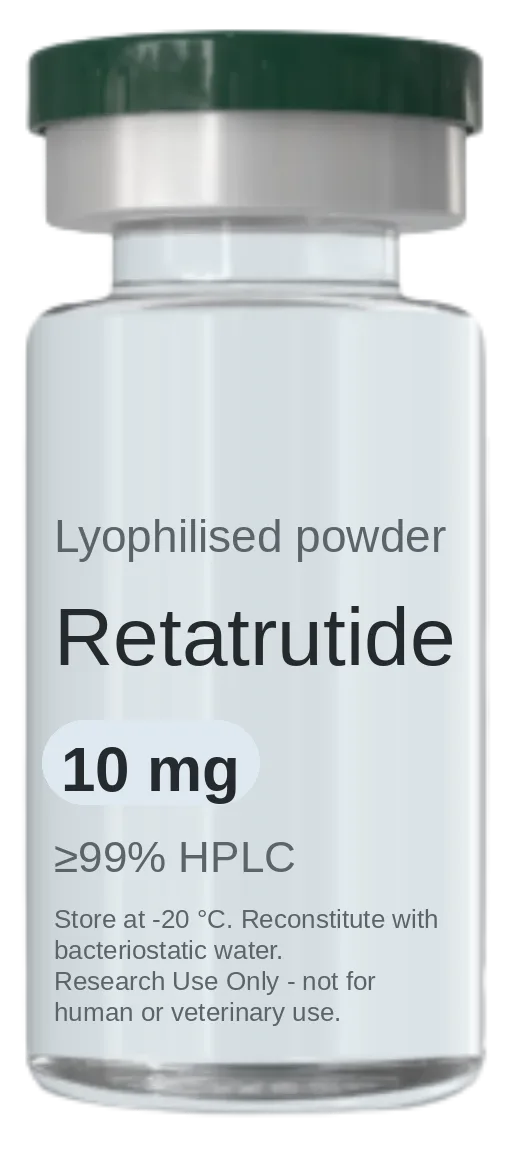
Retatrutide
Triple-agonist metabolic research peptide targeting GLP-1, GIP and glucagon receptors.
- Purity:
- ≥99% HPLC
- Sizes available:
- 10 mg
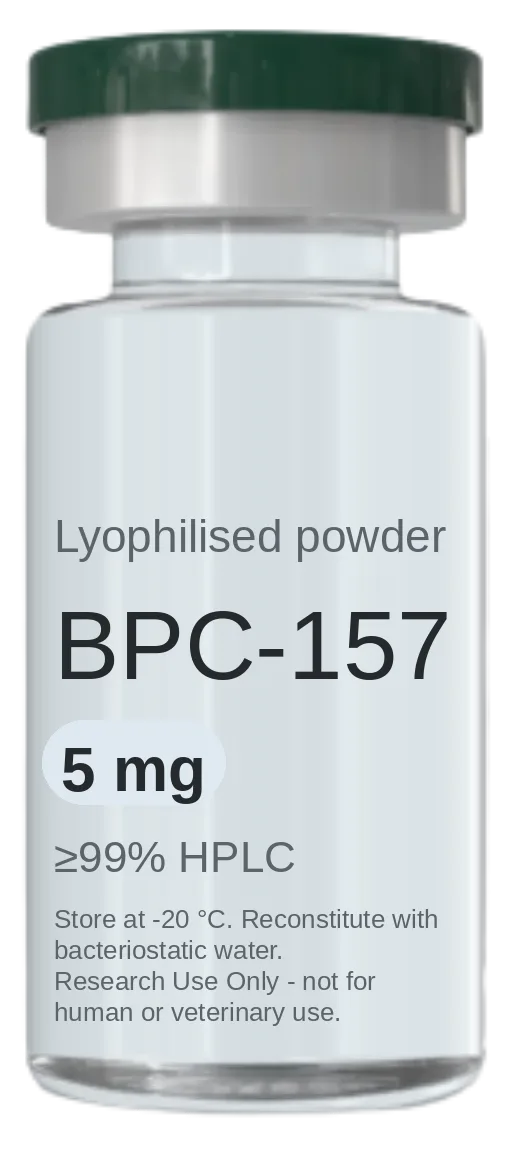
BPC-157 + TB-500
BPC-157 and TB-500 in a single vial — the pairing most studied together in tissue-repair research.
- Purity:
- ≥99% HPLC
- Sizes available:
- 5 mg + 5 mg
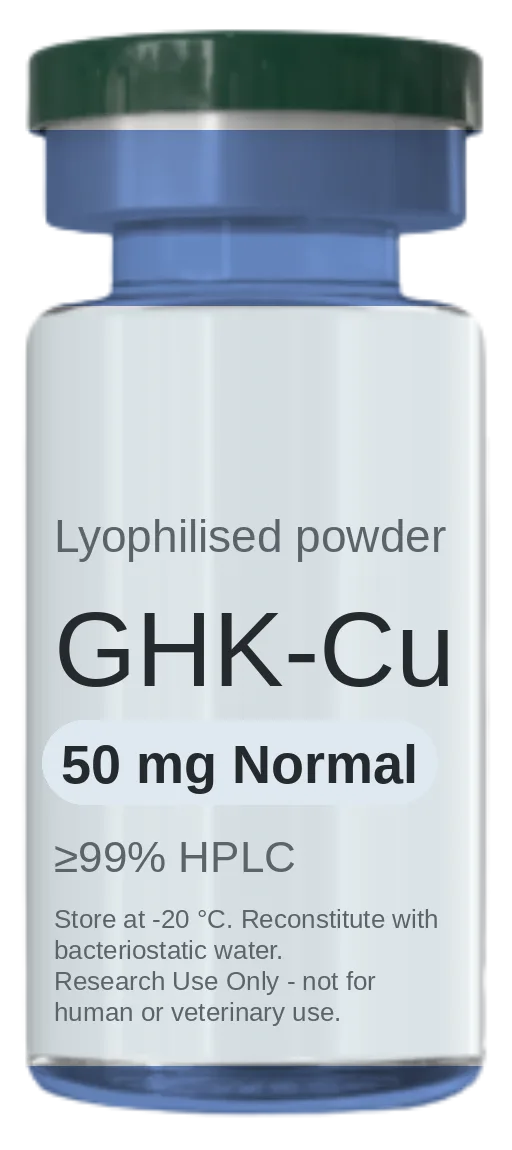
GHK-Cu (Copper Peptide)
Copper-binding tripeptide studied in extracellular matrix and dermal research models.
- Purity:
- ≥99% HPLC
- Sizes available:
- 50 mg Normal – 50 mg Plus
The consultation
One intake that settles goals, history and contraindications alongside compound, quantity, documentation and route — reviewed by a physician before anything ships.
More notes
-
Thymosin Alpha 1 vs Selank: How They Differ
Thymosin Alpha 1 and Selank sit in different research families—one studied in immunomodulation, the other in the anxiolytic-cognitive axis.
-
Temporary Import Regime & Peptides
Temporary import covers goods that leave the country again; a research peptide shipment stays and gets used up.
-
Retatrutide vs GHK-Cu: What's the Difference
Retatrutide and GHK-Cu are different molecules studied for different reasons. Here's what each investigates and what documentation backs a batch.