
Note
CagriSema Side Effects in REDEFINE
By the PeptoClinic editorial team · Medically reviewed by Dr. Emily Parker
What REDEFINE 1 and REDEFINE 2 reported about CagriSema's side effects, by category, attributed to the published trials.
The REDEFINE trials reported mostly gastrointestinal side effects for CagriSema — nausea, vomiting, constipation, diarrhea — consistent with what's already documented for GLP-1 therapies, plus injection-site reactions tied to the cagrilintide component. Garvey et al., NEJM 2025 and Davies et al., NEJM 2025 are the two published reports: REDEFINE 1 in adults with overweight or obesity, REDEFINE 2 in adults with overweight or obesity and type 2 diabetes.
CagriSema combines two peptides with different mechanisms: semaglutide, a GLP-1 receptor agonist, and cagrilintide, an amylin receptor agonist. Both act on appetite regulation through separate pathways, and both carry their own, overlapping side-effect profiles. Knowing which symptom traces back to which mechanism is most of what matters here.
What REDEFINE 1 reported
REDEFINE 1 enrolled adults with overweight or obesity without type 2 diabetes. Garvey et al. reported the adverse event profile for CagriSema against placebo over the trial period. The dominant category, by a wide margin, was gastrointestinal: nausea, vomiting, constipation and diarrhea were the most frequently reported events, most of them mild to moderate and clustering early in the trial, typically during the periods when the dose was being increased.
A second category specific to cagrilintide-containing therapies is injection-site reactions — redness, itching or mild swelling at the injection site. This is a known class effect of amylin receptor agonists and shows up in the cagrilintide arms of earlier trials as well, not just in combination with semaglutide.
Discontinuations due to adverse events were reported in the trial, concentrated among participants experiencing the more persistent gastrointestinal symptoms. The trial also tracked standard safety parameters — heart rate, gallbladder-related events, pancreatic markers — the same categories regulators and investigators monitor for any GLP-1 or amylin-pathway therapy in development.
What REDEFINE 2 reported
REDEFINE 2 looked at the same combination in adults who also had type 2 diabetes. Davies et al. reported a broadly similar side-effect pattern to REDEFINE 1: gastrointestinal events as the leading category, injection-site reactions as a secondary category tied to cagrilintide, and a safety monitoring panel consistent with what's expected for this drug class in a population that also carries diabetes-related comorbidities.
One difference worth noting: a population with type 2 diabetes already on glucose-lowering therapy introduces hypoglycemia as a safety question that doesn't apply the same way in a non-diabetic population. The trial tracked this alongside the gastrointestinal and injection-site categories, since combining an amylin-pathway agent with existing diabetes medication changes the risk calculus compared to REDEFINE 1's population.
How this compares to semaglutide and tirzepatide alone
Gastrointestinal side effects aren't unique to CagriSema. Wilding et al., NEJM 2021 reported the same category — nausea, vomiting, diarrhea, constipation — as the leading adverse events for semaglutide alone in STEP 1, and Jastreboff et al., NEJM 2022 reported it for tirzepatide in SURMOUNT-1. What's specific to CagriSema is the added injection-site reaction category, which traces to cagrilintide and doesn't appear the same way in GLP-1-only therapies.
| Side effect category | CagriSema (REDEFINE 1/2) | Semaglutide alone (STEP 1) |
|---|---|---|
| Mechanism | GLP-1 agonist + amylin agonist | GLP-1 agonist only |
| Leading adverse event category | Gastrointestinal (nausea, vomiting, constipation, diarrhea) | Gastrointestinal (nausea, vomiting, constipation, diarrhea) |
| Injection-site reactions | Reported, tied to cagrilintide component | Not reported as a distinct category |
| Population studied | Overweight/obesity (REDEFINE 1); overweight/obesity + type 2 diabetes (REDEFINE 2) | Overweight/obesity without diabetes |
| Hypoglycemia tracking | Relevant in REDEFINE 2 (diabetic population) | Not a primary concern in STEP 1's non-diabetic population |
| Development phase | Phase 3 | Approved — see regulatory note below |
Does the added mechanism mean more side effects, not fewer?
Combining two mechanisms doesn't automatically mean a worse safety profile — the REDEFINE trials reported a side-effect category list similar to GLP-1-only therapy, with the amylin pathway adding injection-site reactions rather than compounding the gastrointestinal burden. But "similar category list" isn't the same as "identical magnitude," and the published trials are the only source for how often and how severely each category showed up in each population.
Regulatory status in the United States
Semaglutide is approved by the FDA as Ozempic for type 2 diabetes and as Wegupb for chronic weight management, based on trials including Wilding et al.. Tirzepatide received FDA approval as Mounjaro for type 2 diabetes and as Zepbound for chronic weight management, based on trials including Jastreboff et al.. CagriSema itself — the combination of cagrilintide and semaglutide — is not approved by the FDA; it remains in phase 3 development, with REDEFINE 1 and REDEFINE 2 as its published registration trials.
PeptoClinic's material is not any of those approved products, and it is not approved by the FDA. The catalogue carries cagrilintide and semaglutide as separate research materials, each analyzed by Janoshik Analytical and reported against the purity standard described on the quality page. Pricing for what's in the catalogue is listed on the pricing page.

Medical review
Dr. Emily Parker

Reviews every consultation as it comes in
Frequently asked questions
What were the most common side effects reported in REDEFINE?
Gastrointestinal events — nausea, vomiting, constipation and diarrhea — were the most frequently reported category in both REDEFINE 1 and REDEFINE 2, according to [Garvey et al.](https://pubmed.ncbi.nlm.nih.gov/40544433/) and [Davies et al.](https://pubmed.ncbi.nlm.nih.gov/40544432/). This matches the pattern already documented for GLP-1 therapies alone, such as semaglutide in [Wilding et al.](https://pubmed.ncbi.nlm.nih.gov/33567185/)
Are injection-site reactions specific to CagriSema?
They're more prominent in cagrilintide-containing therapies than in GLP-1-only therapies. Both REDEFINE trials reported injection-site reactions as a distinct category, which the published literature attributes to the amylin receptor agonist component rather than to semaglutide.
Did REDEFINE 2 report different side effects than REDEFINE 1?
The leading categories were similar — gastrointestinal events and injection-site reactions — but REDEFINE 2 enrolled a population with type 2 diabetes, which introduced hypoglycemia as an additional safety parameter that [Davies et al.](https://pubmed.ncbi.nlm.nih.gov/40544432/) tracked alongside the standard categories.
Is CagriSema approved by the FDA?
No. CagriSema is in phase 3 development, with REDEFINE 1 and REDEFINE 2 as its published trials. Semaglutide and tirzepatide, its related GLP-1 compounds, have received FDA approval under separate brand names for diabetes and weight management, but that approval doesn't extend to the cagrilintide-semaglutide combination.
Does combining cagrilintide with semaglutide make side effects worse?
The published trials reported a side-effect category list similar in kind to GLP-1-only therapy, with cagrilintide adding injection-site reactions as its own category rather than amplifying the gastrointestinal events. Comparing severity and frequency across trials with different designs and populations isn't something a single paragraph can answer reliably — the primary sources are the place to check specifics.
What is cagrilintide's mechanism, separate from semaglutide?
Cagrilintide is an amylin receptor agonist, a different pathway from semaglutide's GLP-1 receptor agonism. Both act on appetite regulation but through distinct receptors, which is part of why CagriSema's trial designers combined them.
Were there discontinuations due to side effects in REDEFINE?
Both trials reported discontinuations attributable to adverse events, concentrated among participants with more persistent gastrointestinal symptoms, according to [Garvey et al.](https://pubmed.ncbi.nlm.nih.gov/40544433/) and [Davies et al.](https://pubmed.ncbi.nlm.nih.gov/40544432/)
Where can I read the full REDEFINE trial data?
The primary sources are [Garvey et al., NEJM 2025](https://pubmed.ncbi.nlm.nih.gov/40544433/) for REDEFINE 1 and [Davies et al., NEJM 2025](https://pubmed.ncbi.nlm.nih.gov/40544432/) for REDEFINE 2, both published in the New England Journal of Medicine.
Compounds mentioned
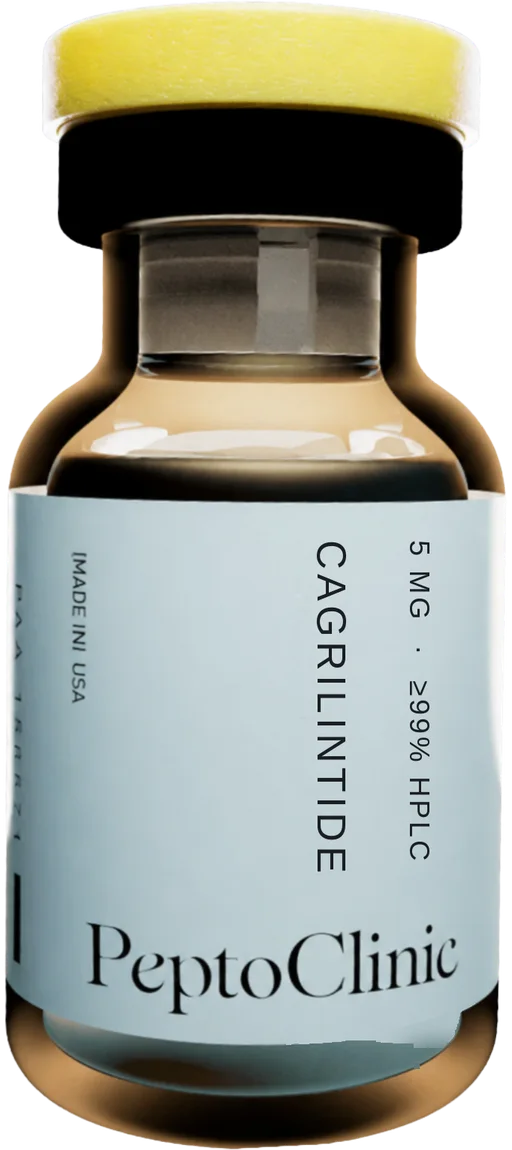
Cagrilintide
Long-acting amylin analogue, the cagrilintide half of CagriSema.
- Purity:
- ≥99% HPLC
- Sizes available:
- 5 mg
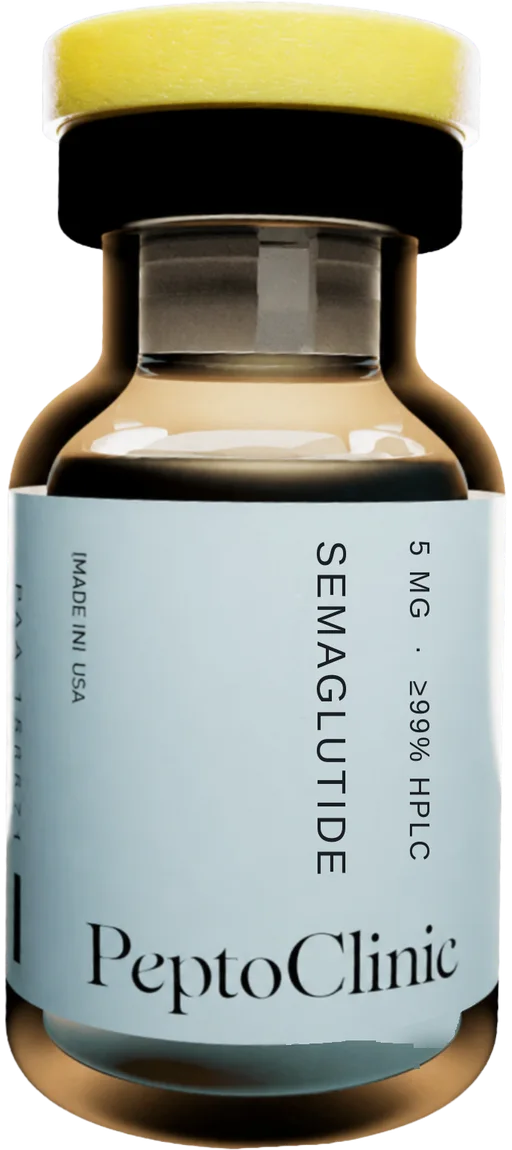
Semaglutide
GLP-1 receptor agonist, the molecule in Ozempic and Wegovy.
- Purity:
- ≥99% HPLC
- Sizes available:
- 5 mg
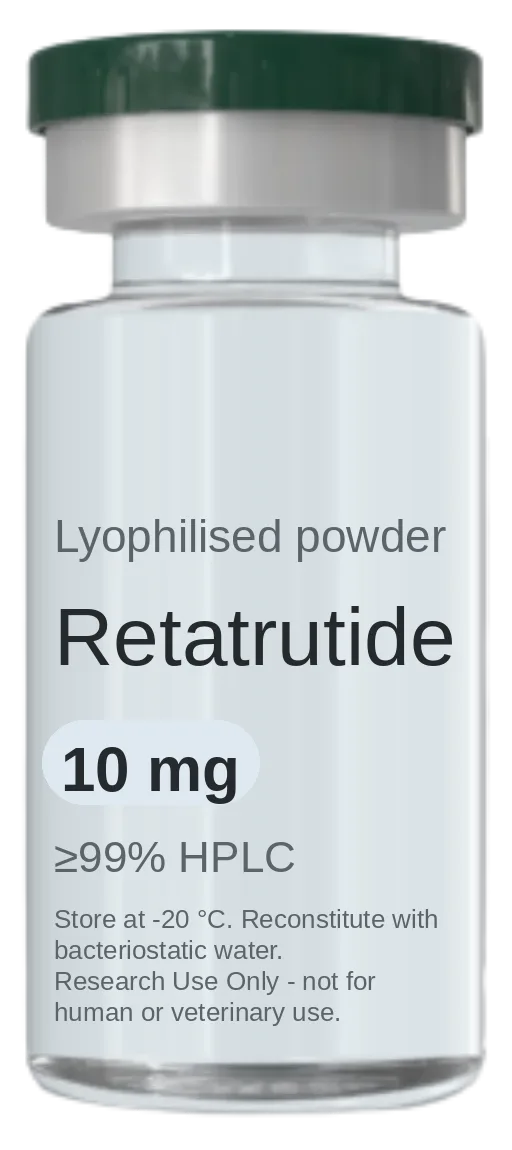
Retatrutide
Triple-agonist metabolic research peptide targeting GLP-1, GIP and glucagon receptors.
- Purity:
- ≥99% HPLC
- Sizes available:
- 10 mg
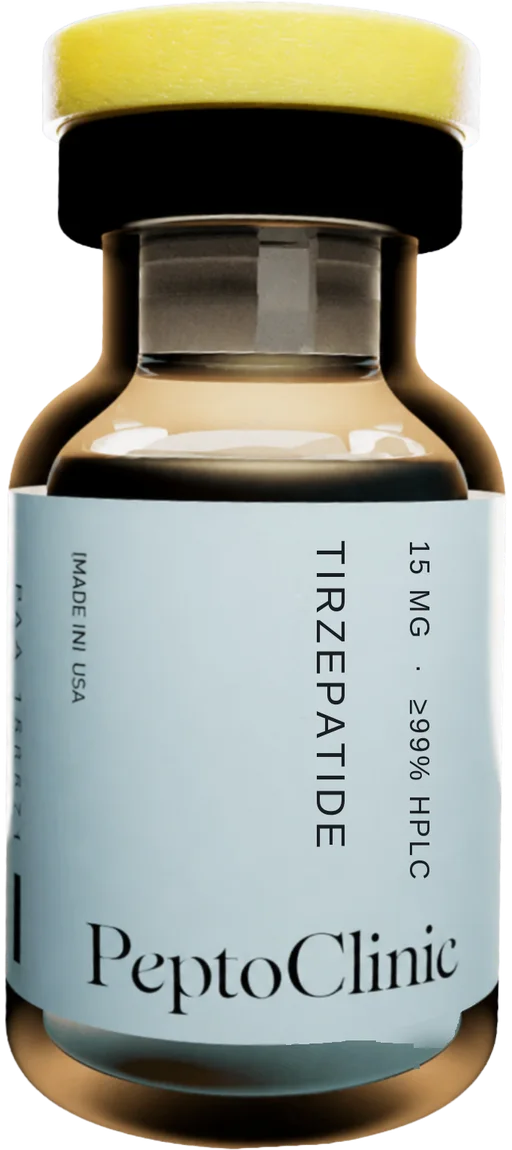
Tirzepatide
Dual GIP and GLP-1 receptor agonist, the molecule in Mounjaro and Zepbound.
- Purity:
- ≥99% HPLC
- Sizes available:
- 15 mg – 30 mg
The consultation
One intake that settles goals, history and contraindications alongside compound, quantity, documentation and route — reviewed by a physician before anything ships.
More notes
-
CagriSema vs Tirzepatide: Full Comparison
CagriSema vs tirzepatide (Zepbound, Mounjaro): mechanism, trial data, tolerability questions, and FDA approval status compared.
-
Compounded Semaglutide vs. Ozempic
Compounded semaglutide and Ozempic are not the same product. Here is how FDA approval, manufacturing, and oversight actually differ.
-
Retatrutide vs. Zepbound: Key Differences
Retatrutide and Zepbound are different molecules at different regulatory stages. Here's how they compare, with sources.
-
CagriSema Weight Loss Results Explained
What the REDEFINE trial data show about weight loss on CagriSema, cagrilintide plus semaglutide, and its FDA approval status.
-
CagriSema vs. Cagrilintide
CagriSema pairs cagrilintide with semaglutide. Here is what the REDEFINE trials measured and how the two compounds differ.