
Note
Argentina Customs Penalty for Bad Declarations
What happens when a research peptide shipment is misdeclared to Argentine customs: fines, smuggling charges, and seizure.
When a research peptide shipment arrives in Argentina with a declaration that doesn't match what's inside the package, customs can apply two different sanctions, and they are not the same thing: an administrative fine for an "unjustified difference" (Article 954 of the Customs Code, Law 22.415), or a criminal smuggling case (Articles 863 to 865 of the same law) if the Dirección General de Aduanas concludes there was intent to deceive the control process. In both cases the first effect is identical: the shipment is held, and it can end up seized before either sanction is even resolved.
What is the "unjustified difference" under Article 954
Article 954 doesn't require proof that anyone intended to defraud the treasury. It's enough that what was declared — the type, quality, quantity, weight or value of the merchandise — doesn't match what customs finds when it inspects the package, and that the difference could cause fiscal harm or evade a control. This is the article applied, for example, when an invoice describes the contents vaguely or uses a tariff code that doesn't match the actual product. The fine is calculated on the value of the detected difference, not on the total value of the shipment, and it's an administrative sanction: customs itself resolves it, with no need for a criminal trial.
This is the most common outcome for a lot that got mislabeled through carelessness: the sender wrote "supplement" on the invoice when the vial actually contains a lyophilized peptide with no food use whatsoever, or left out the certificate of analysis that customs needs to classify the cargo correctly.
When a difference stops being an infraction and becomes smuggling
The line separating an infraction from a crime is the intent to evade customs control, not simply paying a lower duty. If the declaration was built so the merchandise would pass unnoticed — hiding the real contents, using a description that makes it impossible to identify what the product actually is, or knowingly presenting false documentation — the case falls under smuggling. That charge carries prison sentences, not just a fine, and it's aggravated by circumstances: quantity, repetition, use of falsified documentation, or multiple people involved in the operation.
The practical difference for someone importing research peptides is this: a tariff classification error, even if it ends in a fine, gets resolved as a matter of money. A declaration built to conceal what the product is gets investigated as a crime, and that's when the Federal Justice system steps in, not just customs.
Why a shipment can be held even without smuggling
Regardless of which sanction ends up applying, a package with data that doesn't add up sits at customs until it's clarified. If the product also requires a prior authorization that's missing — for example, if something in the paperwork suggests it's an unregistered pharmaceutical product — customs treats it as a restricted import and can seize it directly, with no intent to defraud required. In that case, the reason for the seizure isn't the Article 954 fine or smuggling: it's that the product, as declared, has no authorized path of entry.
This is exactly what separates a shipment of laboratory reference material from a shipment of a pharmaceutical product: the first is declared and documented as what it actually is, without claiming to be a medicine or entering through that regulatory channel.
The point that decides everything: how the peptide was declared
A peptide like retatrutide or BPC-157 can be classified in very different ways depending on what the invoice says and what accompanies the shipment. If the paperwork describes it as a finished pharmaceutical product, without the registration that channel requires, customs has no margin: it treats it as a prohibited import and holds it. If the same vial is documented as what it actually is — laboratory research reference material, with its certificate of analysis and no mention of human or veterinary use — the classification is consistent from end to end and there's no discrepancy for customs to flag.
PeptoClinic prepares the paperwork for every shipment to Argentina under that second logic: invoice, batch certificate of analysis, and product description are consistent with each other and with the vial's label. You can see how each batch is documented on quality and which compounds are available in the catalog.
What documentation reduces the risk of an inaccurate declaration
- The commercial invoice describes the product with the same name and quantity that appears on the vial's label, without adding or removing information.
- The batch certificate of analysis travels with the shipment, naming the laboratory that issued it. This is the document that lets customs verify that what was declared and what was shipped are the same thing.
- The product description explicitly states that it's laboratory research material, with no reference to consumption, treatment, or use in people or animals.
- The tariff classification code used on the invoice corresponds to what the product actually is, not to whichever code carries the lowest duty.
What to do if a shipment is already held
When customs detects a discrepancy, it notifies the importer and opens a window to file a response — the stage where the error is explained and the missing or corrected documentation is submitted. If the difference is a formal error and can be backed up with the certificate of analysis and the correct invoice, a large share of these cases get resolved without reaching a final fine. A licensed customs broker is the one who files that response and follows up on the file; it's not a step worth handling without guidance once a shipment is already held.
The material is for laboratory research, not for consumption
Everything PeptoClinic documents is supplied strictly for laboratory research (RUO, Research Use Only). No product in the catalog is approved, evaluated, or intended for human or veterinary consumption, diagnosis, or treatment, and no regulatory authority — not ANMAT nor any equivalent — has evaluated the claims that appear on this site. The documentation for every shipment reflects exactly that.
Frequently asked questions
¿La multa del artículo 954 requiere que haya intención de defraudar?
No. Alcanza con que exista una diferencia entre lo declarado y lo verificado que pueda producir un perjuicio fiscal o eludir un control; la intención es lo que distingue esta infracción administrativa del delito de contrabando.
¿Quién decide si un caso es multa administrativa o contrabando?
La aduana aplica la multa del artículo 954 en la instancia administrativa. Si durante esa revisión se detectan elementos que sugieren intención de engañar al control —documentación falsa, ocultamiento del contenido real— el caso se deriva a la Justicia Federal, que es quien investiga y resuelve el contrabando.
¿Un envío puede quedar decomisado sin que haya multa ni contrabando?
Sí. Si el producto, tal como está declarado, necesita una autorización previa que no acompaña al envío, la aduana lo trata como importación prohibida y puede decomisarlo por esa sola razón, independientemente de si hubo o no intención de defraudar.
¿El certificado de análisis reemplaza otros documentos exigidos por la aduana?
No lo reemplaza, lo complementa. El certificado de análisis acredita qué contiene el lote; la factura comercial y la descripción del producto siguen siendo los documentos que la aduana usa para clasificar la mercadería y compararla contra lo que encuentra al verificar.
¿Declarar el péptido como "reactivo de laboratorio" alcanza para evitar problemas?
La descripción tiene que coincidir con la etiqueta del vial, el certificado de análisis y el resto de la documentación del envío. Una frase genérica sin esa coherencia entre documentos es justamente el tipo de discrepancia que el artículo 954 sanciona.
¿Qué pasa si el envío se retiene mientras se resuelve el descargo?
La mercadería queda a disposición de la aduana hasta que se resuelve la diferencia notificada. El plazo y los pasos dependen del expediente concreto, y es el despachante de aduana quien hace el seguimiento formal ante el organismo.
¿Esto aplica igual a otros péptidos como MOTS-c o CJC-1295?
Sí. La sanción no depende del compuesto específico sino de si la declaración del envío coincide con su contenido real; lo mismo vale para [MOTS-c](/en/argentina/mots-c/) o [CJC-1295 No-DAC](/en/argentina/cjc-1295-no-dac/) que para cualquier otro material recibido como referencia de laboratorio.
¿Dónde puedo ver qué compuestos llegan a la Argentina con esta documentación?
La lista completa de destinos y compuestos disponibles para investigación de laboratorio está en [Argentina](/en/argentina/).
Compounds mentioned
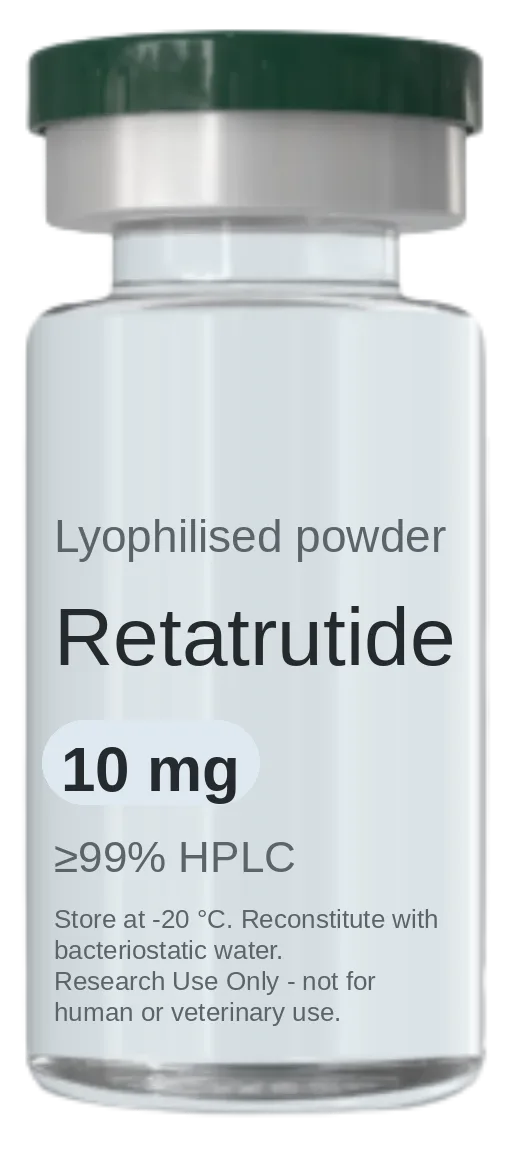
Retatrutide
Triple-agonist metabolic research peptide targeting GLP-1, GIP and glucagon receptors.
- Purity:
- ≥99% HPLC
- Sizes available:
- 10 mg
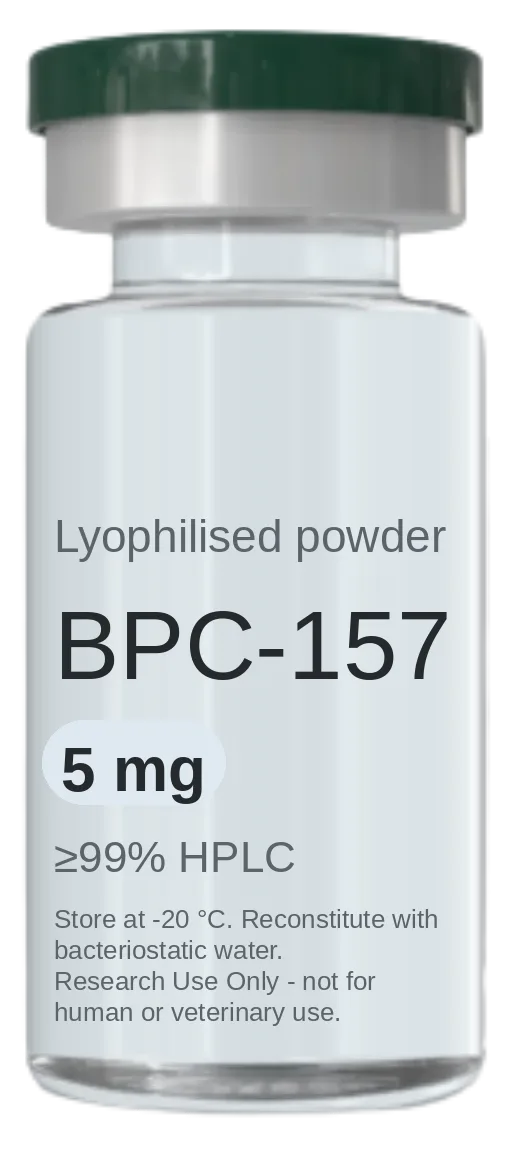
BPC-157 + TB-500
BPC-157 and TB-500 in a single vial — the pairing most studied together in tissue-repair research.
- Purity:
- ≥99% HPLC
- Sizes available:
- 5 mg + 5 mg
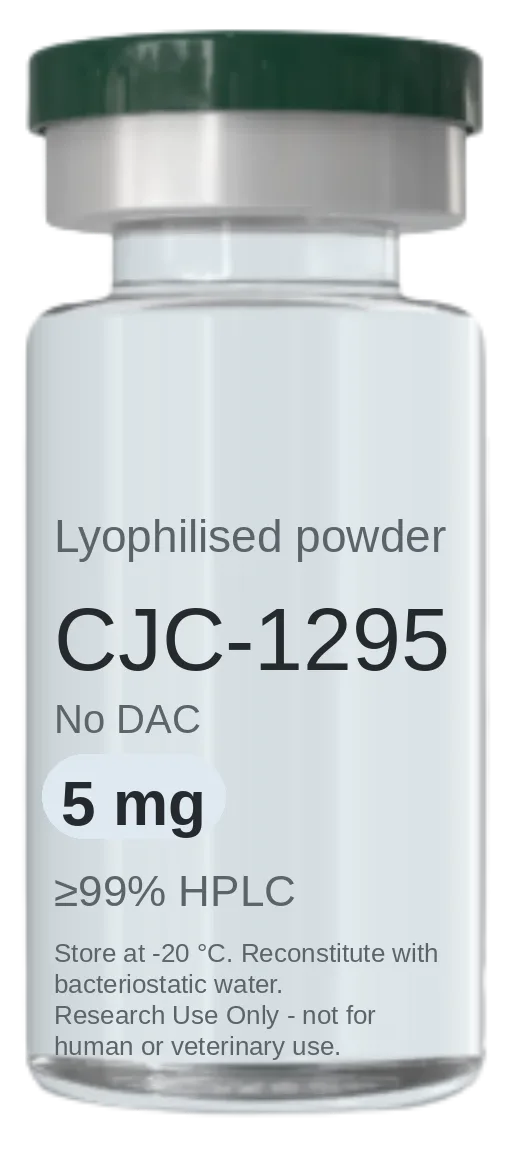
CJC-1295 (sin DAC)
Modified GRF(1-29) tetrasubstituted analogue without drug affinity complex.
- Purity:
- ≥99% HPLC
- Sizes available:
- 5 mg – 20 mg
The consultation
One intake that settles goals, history and contraindications alongside compound, quantity, documentation and route — reviewed by a physician before anything ships.
More notes
-
Hexarelin vs GHRP-6: Key Differences
Hexarelin and GHRP-6 are both GHRP hexapeptides, but differ in receptor affinity, appetite effect, and cardiovascular research findings.
-
Do You Need a Customs Broker for Peptides?
Customs broker to import research peptides into Argentina: when one is required and when the courier already handles it.
-
BPC-157 vs GHK-Cu: What's the Difference
BPC-157 and GHK-Cu are distinct research peptides with different structures and study lines. Here's what separates them, with sources.