
Note
How to Choose a Peptide Supplier in Argentina
What to evaluate before quoting research peptides for Argentina: certificate of analysis, named laboratory, cold chain, and customs documentation.
The criterion that cuts before every other when evaluating a research peptide supplier for Argentina: can the supplier produce a certificate of analysis for the batch, issued by an independent laboratory with a name? If the answer is no — or if the certificate does not carry a verifiable task number — the conversation ends there.
The Certificate of Analysis: Why It Matters
A certificate of analysis (COA) is the report an external laboratory issues after analyzing a sample from a specific batch. It needs to state three things: who performed the analysis, what method they used, and what they found. A PDF carrying the supplier's own logo and the word "certified" without any third-party backing is not a COA — it is a formatted page.
The relevant analytical method for research peptides is HPLC — high-performance liquid chromatography. The report must show the purity value the instrument recorded, expressed as a percentage, and the date of analysis. Without those three elements — laboratory, method, and dated result — the document does not prove anything about the composition of the material.
PeptoClinic publishes batch analysis reports on the site's quality page. The four reports currently published were issued by Janoshik Analytical, all with an analysis date of April 13, 2026. The lowest purity result among the published lots is 99.669% for MOTS-c. That is the figure cited here, not the highest. A headline built on the best result on record breaks the next time a batch posts a lower number — which is why this site does not build headlines on the best.
How to Verify the Certificate Is Real
A serious independent laboratory assigns a unique task number to each analysis it performs. That number should resolve in a record the laboratory itself controls — not only in the PDF the supplier distributed.
Janoshik Analytical publishes its results on its own site and maintains a verification system searchable by task number. Two of PeptoClinic's four published reports carry working verification links. The other two carry a task number but no direct link, because the laboratory's verification page returns an error when opened. Readers should not be sent to a verifier that is broken. PeptoClinic publishes those reports with the task number visible, because a task number alone is more than a badge with no independent backing.
The practical verification checklist: confirm that the laboratory name on the COA matches a laboratory findable by independent search; confirm that the report explicitly names HPLC as the method, not just "purity analysis" without specification; and locate the task number in the laboratory's own system.
Purity ≥99%: The Standard and What It Represents
For research peptides, the purity threshold worth requiring is ≥99% by HPLC. Below that level, impurities are a variable that can compromise the reproducibility of laboratory results. Whether a given experiment is sensitive to that margin depends on the specific work — but requiring ≥99% is the reasonable default before considering the question compound by compound.
A supplier who publishes no laboratory reports and asserts "99% purity" in a product description without supporting the figure is not making a guarantee. They are writing copy. The difference between claiming and demonstrating is a COA signed by someone who is not the supplier.
PeptoClinic's two compounds with published purity percentages are retatrutide at 99.893% (Janoshik Analytical task 136921) and MOTS-c at 99.669% (task 136923). Both reports are available as downloadable PDFs with the task number included. That combination — named laboratory, named method, verifiable number — is what ≥99% actually means when a supplier states it.
Cold Chain and Customs Documentation
Peptides are lyophilized compounds. In powder form they are more stable than in solution, but they still degrade when exposed to inappropriate storage conditions, and exposure during transit accumulates. A supplier working in research peptides can describe exactly how material travels: refrigeration during transit, estimated shipping time for each route, and what documentation accompanies the package through customs clearance.
For Argentina, PeptoClinic configures shipments with the customs file prepared for import as laboratory reference material. That classification is distinct from the one that applies to a medicine, a dietary supplement, or a food product, and the difference affects both the import procedure and the legal characterization of the material. A supplier who cannot explain what category their product falls under at the border does not have a clear picture of their own supply chain.
The destinations PeptoClinic ships to and the details of the shipping process are described on the shipping page.
What a Serious Research Supplier Does Not Do
Some indicators are more immediately visible than the COA status, because they signal that the supplier is not operating as a research supplier at all.
A research peptide supplier does not provide administration instructions, dosing recommendations, or reconstitution volumes framed for a person. The material is for laboratory use: in vitro, under controlled conditions. If a supplier's site carries a "how to use" section, a "protocol guide," or dosing tables organized by body weight, that supplier is selling for human use without saying so. That is not a communication inconsistency — it is a categorically different business operating under a different regulatory exposure.
A research supplier also does not publish a fixed-price catalog with a shopping cart. Material is quoted per consultation because purity specification, available quantity, batch, cold-chain route, and customs requirements vary. A site with per-milligram pricing and a checkout button on pages that describe the product as "research peptides" is a signal that the supplier's framing does not match what they are selling.
This Material Is for Laboratory Research Only
This is not a disclaimer included for coverage. It describes what the product is.
The research peptides supplied by PeptoClinic are strictly for in vitro and laboratory research. They are not approved or appropriate for human or veterinary use. No regulatory body — including ANMAT, the FDA, or their international counterparts — has evaluated or approved these compounds for use in people.
PeptoClinic is not a pharmacy, a clinic, or a provider of any health service. Material ships with batch documentation and a customs file. Requests about dosing, administration, or cycling for human use fall outside the scope of what PeptoClinic provides, and those requests are declined.
Five Questions for Any Supplier
These five questions, asked before requesting a quote, sort most of the market:
- Can you provide the COA for the most recent available lot of the compound I need?
- Was the analysis performed by HPLC? What purity percentage did the instrument record?
- Does the laboratory that signed the COA have a name and a publicly accessible site of its own?
- What customs category does the material fall under when shipped to Argentina?
- Does the material ship with batch documentation, or with an invoice only?
A supplier who cannot answer the first three with a PDF attached is unlikely to have clear answers to the last two either. The Argentina section of PeptoClinic's catalog lists available compounds for that destination alongside the corresponding batch documentation.
Frequently asked questions
What does a valid COA need to include?
A valid COA identifies the laboratory that performed the analysis, specifies the method — for peptides, HPLC — reports the purity result as a percentage, and carries the date of the analysis. A document that reads "purity certificate" without naming the laboratory or specifying the method does not demonstrate anything about the composition of the material.
Why is it not acceptable for the supplier to analyze their own material?
A laboratory that analyzes its own product has an evident conflict of interest: no independent party is producing the result. The evidentiary value of a COA rests on the signing laboratory having no financial stake in the outcome being favorable. Suppliers operating in the research category contract external analysis and publish the name of the laboratory.
What minimum purity should a research buyer require for peptides?
The reasonable starting threshold is ≥99% by HPLC. Below that level, impurities are a variable that can affect the reproducibility of experiments, though sensitivity depends on the specific work. The lowest published purity result from PeptoClinic's batch reports is 99.669%, recorded for MOTS-c by Janoshik Analytical.
Can research peptides be imported into Argentina through customs?
Yes, with appropriate documentation. PeptoClinic prepares shipments to Argentina with the customs file configured for import as laboratory reference material. That classification involves different procedures from those that apply to medicines or dietary supplements, and it is the appropriate classification for research material.
Does a COA purity result indicate the material is safe for use in people?
No. Analytical purity describes the chemical composition of the material — it does not indicate clinical safety or therapeutic efficacy. Research peptides have not been evaluated or approved for human or veterinary use by any regulatory authority. A COA is a document about chemistry, not a clinical safety assessment.
How do I check that a COA has not been falsified?
The task number assigned by the laboratory should appear in the laboratory's own records — not only in the PDF the supplier provided. Janoshik Analytical maintains a task-based verification system on its own site. If a task number cannot be located there, the document is not independently verifiable.
What if a supplier claims 99% purity but does not publish the COA?
Claiming and demonstrating are different things. Without a COA signed by a named independent laboratory, a purity figure in a product description is marketing copy. There is no basis for confirming whether the number reflects an actual analysis or a figure written to fill in the product listing.
Does PeptoClinic supply research peptides to Argentina?
PeptoClinic supplies research peptides to Argentina. Material is quoted per consultation, with batch documentation included and guidance on importing it as laboratory reference material. The compounds available for Argentina can be reviewed in [PeptoClinic's Argentina catalog](/en/argentina/), or inquiries can be sent to [email protected].
Compounds mentioned
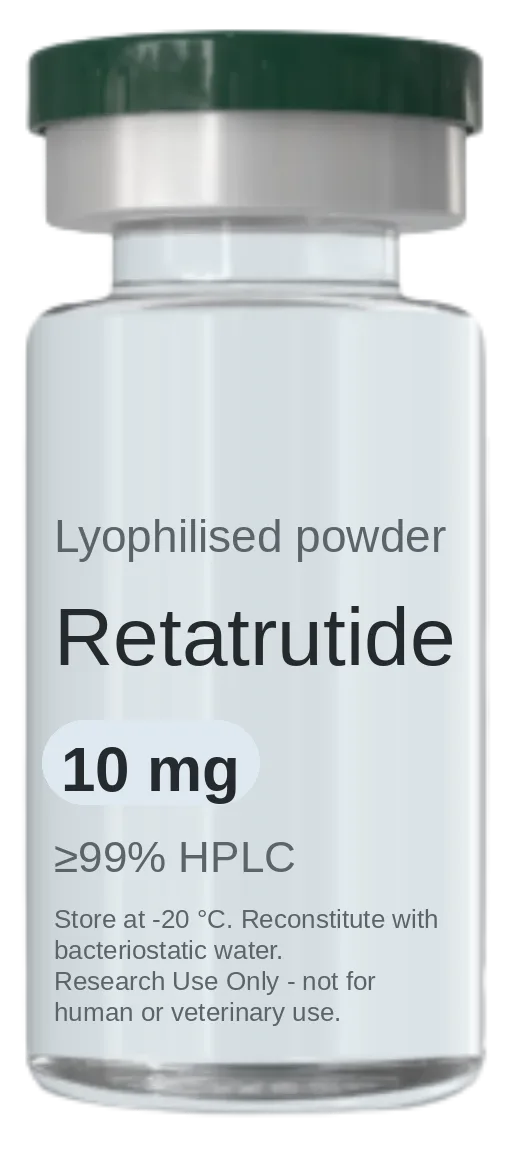
Retatrutide
Triple-agonist metabolic research peptide targeting GLP-1, GIP and glucagon receptors.
- Purity:
- ≥99% HPLC
- Sizes available:
- 10 mg
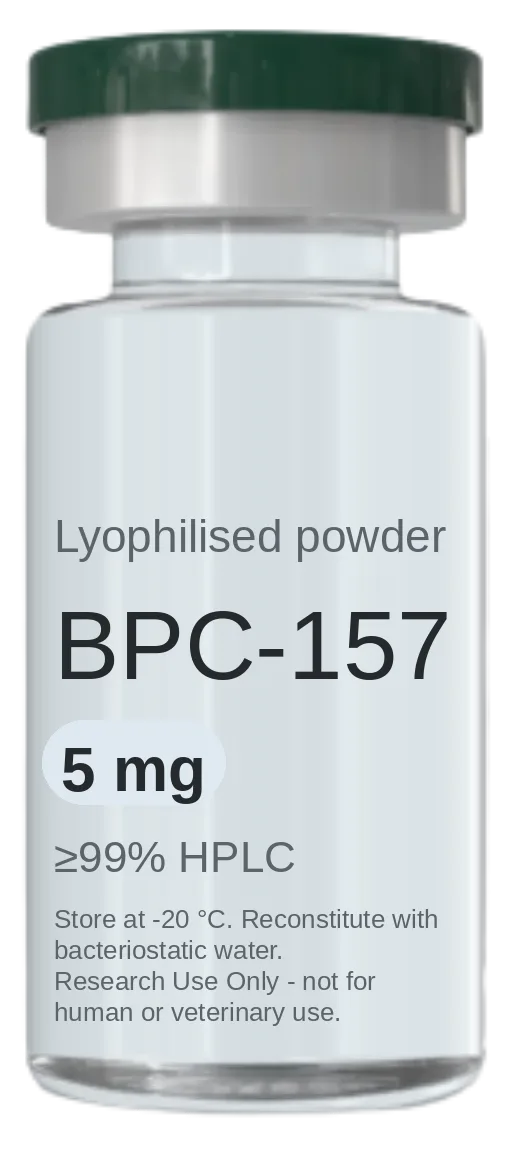
BPC-157 + TB-500
BPC-157 and TB-500 in a single vial — the pairing most studied together in tissue-repair research.
- Purity:
- ≥99% HPLC
- Sizes available:
- 5 mg + 5 mg
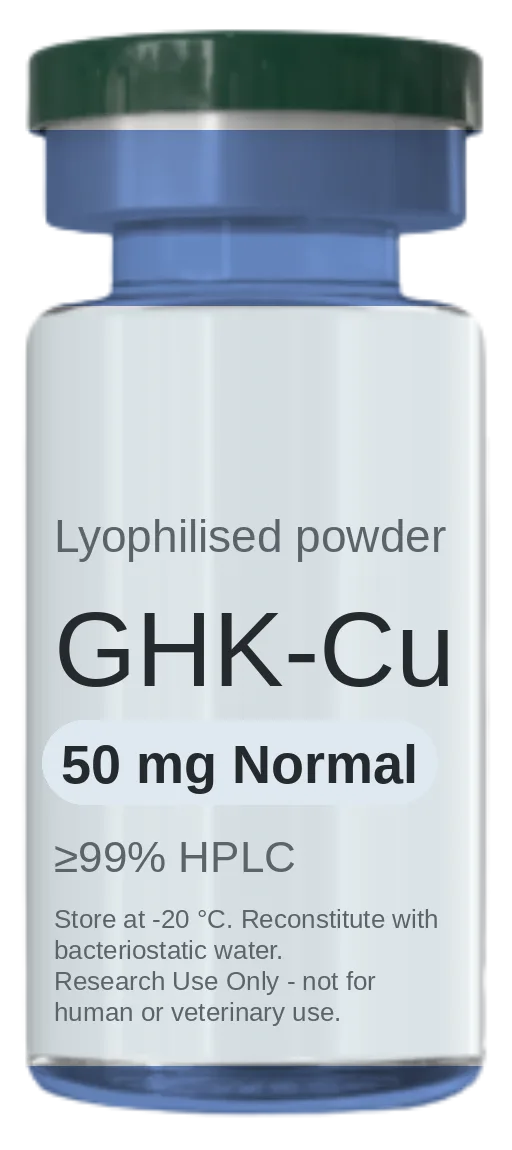
GHK-Cu (Copper Peptide)
Copper-binding tripeptide studied in extracellular matrix and dermal research models.
- Purity:
- ≥99% HPLC
- Sizes available:
- 50 mg Normal – 50 mg Plus
The consultation
One intake that settles goals, history and contraindications alongside compound, quantity, documentation and route — reviewed by a physician before anything ships.
More notes
-
Tesamorelin vs Sermorelin: The Difference
Tesamorelin and sermorelin are both GHRH analogs, but not the same molecule. Here's the structural difference and what the studies on each measure.
-
Peptide Supplier vs. Reseller: What Differs
The real difference is whether someone can name the lab that tested a batch and show the report — or only promise it's pure.
-
MOTS-c or NAD+: What's the Difference
MOTS-c and NAD+ are studied through different mitochondrial pathways; here's what each line of research actually measures.