
Note
Peptide Imports: Courier vs Formal Customs
Courier vs. formal customs clearance for peptide imports into Argentina: what changes and what paperwork each route requires.
The real difference between courier and formal customs clearance isn't the cost of freight — it's who files the declaration with Argentina's customs authority and what paperwork each route requires. Under the courier regime, the shipping company (OCA, Correo Argentino, DHL, FedEx, and similar carriers) files a simplified declaration and stands as the responsible party before the Dirección General de Aduanas; the recipient doesn't need a customs broker of their own. Under formal clearance — also called *despacho a plaza*, or definitive import — a licensed customs broker files a complete declaration that includes the commercial invoice, the packing list, and the correct tariff classification, and the importer is formally registered as such in the customs system.
For anyone receiving research peptides in Argentina, this is not a logistics footnote. It determines which documents need to be ready before a shipment leaves origin, and what can happen if those documents are missing when the package reaches customs control.
What the courier regime is
The courier regime — also referred to as the postal shipment or "door to door" regime — was built for low-value, low-volume packages with no declared commercial character. The carrier consolidates the shipment, files a simplified declaration with customs, and if any duty applies, collects it from the recipient before delivery or at the moment the package arrives.
What makes this route attractive for a lab or a researcher ordering a small quantity of reference material is speed: there is no broker to retain and no importer's sworn declaration to file, and the carrier absorbs the process as part of its service. The trade-off is that this regime has a ceiling. Once the declared value passes a certain threshold, or once customs identifies a pattern of repeated shipments to the same recipient, the package falls out of the simplified regime and is redirected into formal clearance — with whatever delay that carries if nobody planned for it.
What formal customs clearance is
Formal clearance is the route for any import that, because of its value, its nature, or its frequency, doesn't fit the simplified regime. A licensed customs broker files the detailed declaration in the customs information system, attaches the full commercial documentation, and calculates the duties and taxes that correspond to the product's tariff classification.
This route is slower and more documented than courier, but it's also the only path available once the value or the volume of a purchase exceeds the simplified regime's limit, or when the importer — a university, a lab, a research center — needs to be formally registered as the party that brought that material into the country, for instance to support its own internal traceability record.
What decides which route applies
Neither regime is "better." Each fits a different scenario, and what determines which one applies is not a preference but three concrete factors:
- The declared value of the shipment. The higher it is, the more likely the package falls outside the simplified regime.
- Frequency. A recipient getting repeated, sustained shipments over time can be reclassified as a habitual importer, even if each individual shipment has a low value.
- The declared nature of the product. A shipment correctly presented as reference material for laboratory research, not intended for human or veterinary consumption, is processed differently from one that leaves its use unstated or arrives with an ambiguous description.
This last point carries the most weight in practice and is the one buyers least often plan for. A research peptide is not a pharmaceutical: it doesn't require the import authorization ANMAT demands for drug products, because it is neither presented nor sold as one. That doesn't mean it enters without documentation — it means the documentation has to state precisely what the product is, and that precision is exactly what keeps a customs officer from interpreting the shipment as something else.
What documentation to have ready
Whether the route is courier or formal clearance, three pieces of paper reduce friction at the border:
- The commercial invoice, describing the product exactly as it appears in the supplier's catalogue, not a generic description put together to "simplify" the paperwork.
- A statement of use, stating in one line that the material is laboratory reference material for research use only (RUO) and is not intended for human or veterinary consumption.
- The batch's certificate of analysis (CoA), which identifies that specific lot, who tested it, and what the result was.
That last requirement doesn't change depending on the import route. At PeptoClinic, every quote for an Argentine destination is prepared with the customs file ready: the invoice describes the material for what it is, and the lot travels alongside its laboratory report. That's the same logic explained in how to read a certificate of analysis: a paper without a laboratory's signature proves nothing, no matter which route the package takes.
A concrete example
Take an order of research-grade retatrutide. The batch PeptoClinic has published was analyzed by Janoshik Analytical and returned a purity of 99.893%, tested against a 10 mg label. That figure — who measured it, when, and with what result — has nothing to do with whether the shipment enters Argentina by courier or by formal clearance. What changes between the two routes is the administrative process around the package; what stays the same is that the declared material has to correspond exactly to what the certificate describes.
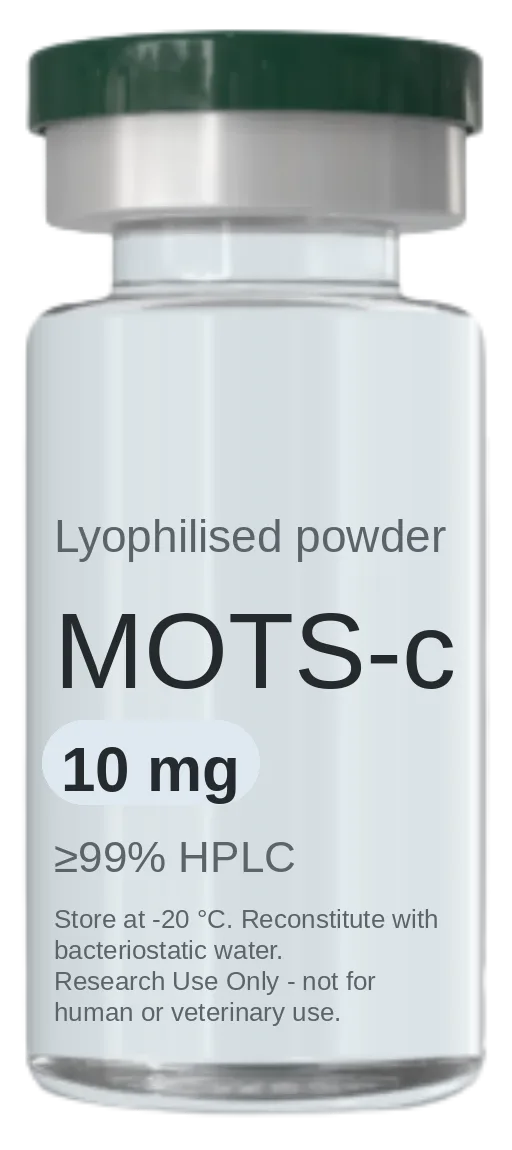
The same logic applies to any other compound in the catalogue, whether it's MOTS-c, GHK-Cu, or CJC-1295 without DAC: the entry route is a logistics decision, and the batch documentation is a traceability decision. They're two separate questions, and it's worth not conflating them when planning an import.
What this material is and isn't
Everything quoted under this framework is material strictly for laboratory research use only (RUO) — in vitro and research applications. It is not a medicine, not a supplement, not a food. It is not approved or intended for human or veterinary consumption, diagnosis, or treatment, and none of its properties have been evaluated by ANMAT, the FDA, or any equivalent regulatory authority. No prescription is written, because none applies, and any inquiry oriented toward human use falls outside the scope of this service.
Before you place the order
In either regime, the most efficient move is not to leave classification to whoever happens to be clearing the package at destination. Confirming, before purchase, exactly what description will appear on the invoice; whether the volume and value fit the simplified regime or will require a broker; and whether the batch's certificate of analysis will travel with the shipment or needs to be requested separately, keeps a shipment from getting held up over a mismatch between what was declared and what arrived. Asking these questions at the quoting stage — before the material ever leaves origin — is cheaper than sorting them out with the package already sitting at customs. The current list of destinations served shows where this preparation applies beyond Argentina as well.
Frequently asked questions
Does the courier regime work for any quantity of peptides?
No. The courier regime has a value ceiling and is built for shipments without commercial or recurring character. A single low-volume order usually fits this route, but if the declared value exceeds the threshold, or if customs identifies a pattern of frequent shipments to the same recipient, the process is redirected into formal clearance.
Do I need a customs broker to receive a shipment by courier?
No. Under the courier regime, the carrier itself files the simplified declaration with customs and acts as the party responsible for the process. A licensed broker only steps in once a shipment is processed through formal clearance.
Does a research peptide need ANMAT authorization to enter the country?
No, because it is neither presented nor sold as a pharmaceutical. What it does need, under either regime, is a precise description on the invoice and a statement of use identifying the material as research use only, not intended for human or veterinary consumption.
Does the certificate of analysis have to travel physically with the package?
It doesn't have to be inside the box, but it's worth having it on hand alongside the commercial invoice, since it identifies that exact batch in response to any question raised during customs control. It's the same document described in [how to verify a batch's purity](/en/quality/).
Why might the same buyer get one shipment by courier and the next by formal clearance?
Because classification doesn't depend on the buyer — it depends on the individual shipment: its value, its frequency relative to prior purchases, and how the merchandise is described. Two orders from the same buyer can qualify for different regimes if those variables change.
Does PeptoClinic handle customs clearance at destination?
Quotes for Argentine destinations are prepared with the customs file ready: the product description and the corresponding batch documentation. The process at destination — courier or formal clearance, depending on the shipment — is carried out by whichever logistics operator or broker is involved at that stage.
What other destinations does PeptoClinic quote besides Argentina?
The full list of destinations and shipping details is on the [shipping page](/en/shipping/). Each quote is built around the specific destination and the compound requested.
What happens if the invoice describes the product inaccurately?
An imprecise or generic description is the most common cause of delays under either regime, because it forces customs control to interpret what the shipment is instead of verifying it against a clear document. Confirming the exact description before the shipment leaves origin is the simplest way to avoid that problem.
Compounds mentioned
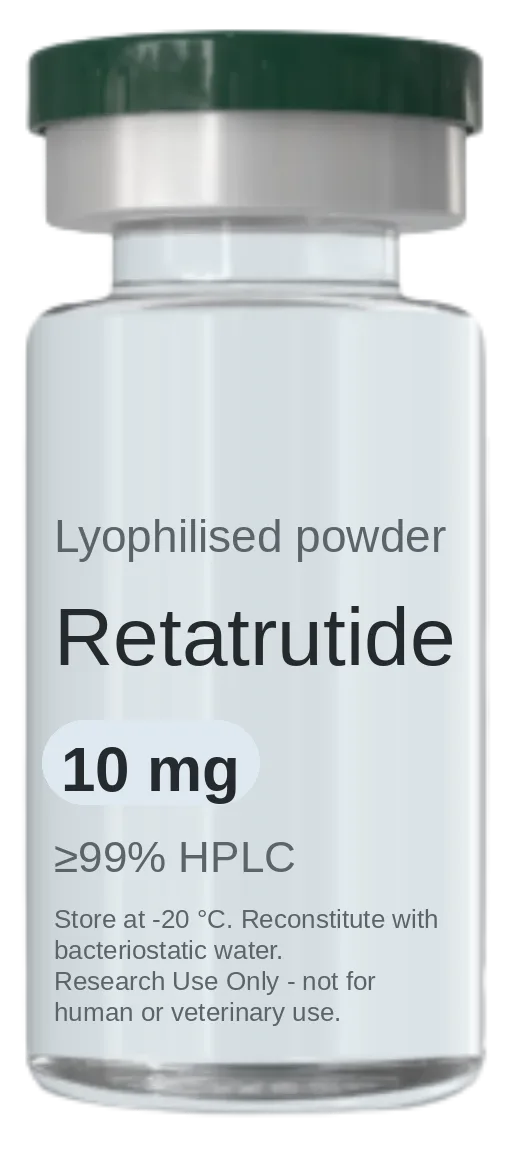
Retatrutide
Triple-agonist metabolic research peptide targeting GLP-1, GIP and glucagon receptors.
- Purity:
- ≥99% HPLC
- Sizes available:
- 10 mg
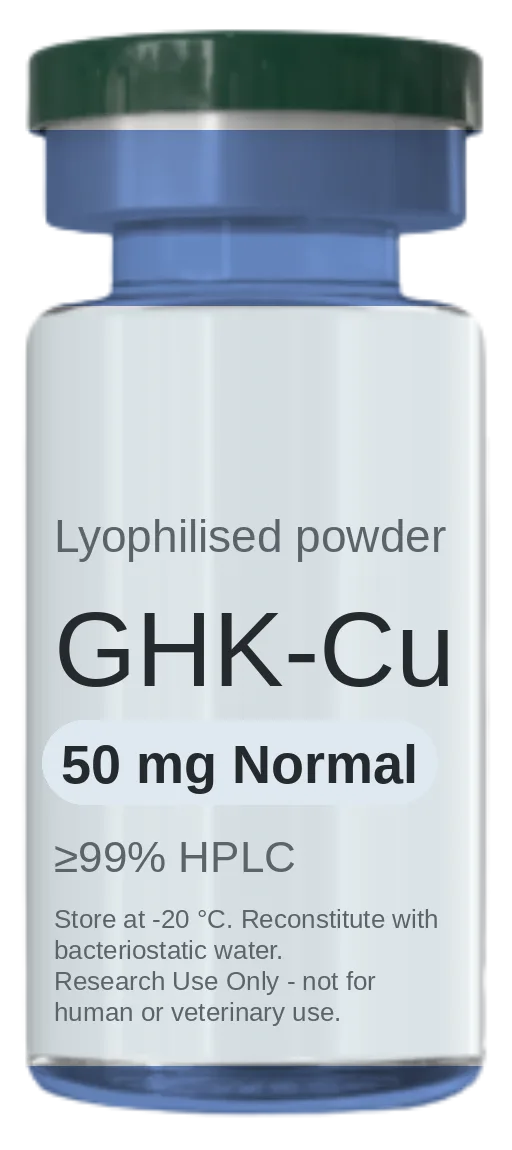
GHK-Cu (Copper Peptide)
Copper-binding tripeptide studied in extracellular matrix and dermal research models.
- Purity:
- ≥99% HPLC
- Sizes available:
- 50 mg Normal – 50 mg Plus
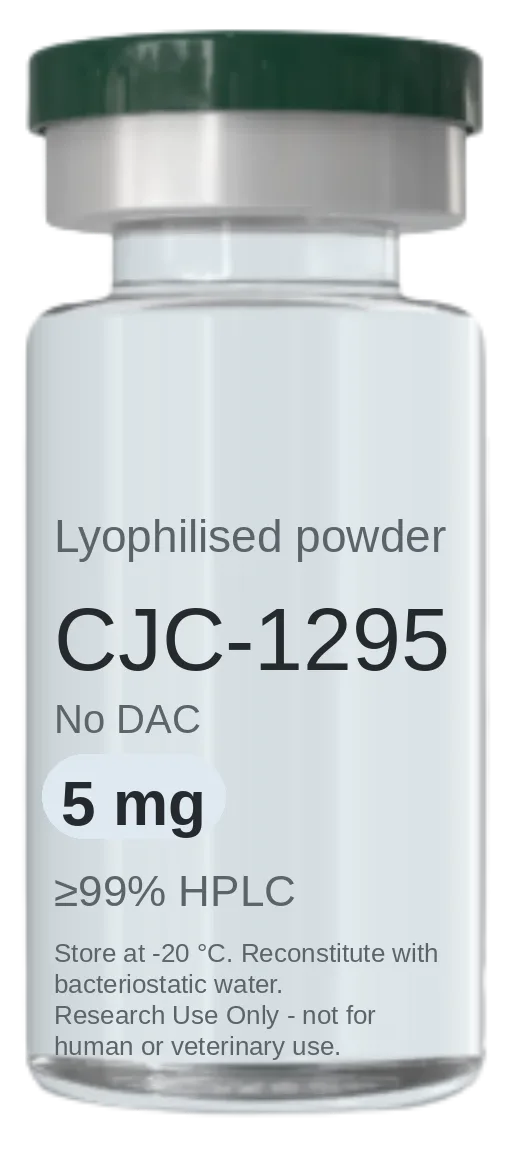
CJC-1295 (sin DAC)
Modified GRF(1-29) tetrasubstituted analogue without drug affinity complex.
- Purity:
- ≥99% HPLC
- Sizes available:
- 5 mg – 20 mg
The consultation
One intake that settles goals, history and contraindications alongside compound, quantity, documentation and route — reviewed by a physician before anything ships.
More notes
-
Tesamorelin vs Sermorelin: The Difference
Tesamorelin and sermorelin are both GHRH analogs, but not the same molecule. Here's the structural difference and what the studies on each measure.
-
Peptide Supplier vs. Reseller: What Differs
The real difference is whether someone can name the lab that tested a batch and show the report — or only promise it's pure.
-
MOTS-c or NAD+: What's the Difference
MOTS-c and NAD+ are studied through different mitochondrial pathways; here's what each line of research actually measures.