
Note
Who Signs Argentina's Peptide Declaration?
Argentina's sworn customs declaration for a peptide shipment is signed by the importer or their customs broker — never by the foreign supplier.
The sworn declaration attached to a peptide shipment entering Argentina is signed by whoever is named as the consignee — the importer — or by the licensed customs broker (*despachante de aduana*) acting on that person's behalf before Argentine Customs. It is not signed by the foreign supplier who ships the package. What the supplier provides is a different document: commercial paperwork describing exactly what the contents are, so the person receiving the shipment can declare it accurately.
This distinction gets muddled because, in everyday conversation, "the sworn declaration" and "the shipment's paperwork" sound like the same thing. They are not, and it is worth separating them before anything ships or arrives.
What the exporter signs, and what the importer signs
The supplier — in this case, whoever ships the material from abroad — issues the commercial invoice: the document describing what is being sent, in what quantity, and at what declared value. That invoice travels with the package and is the basis for everything that follows, but it is a document from the seller, not a sworn statement made to another country's customs authority.
The sworn declaration, by contrast, is an act performed by the importer. It is that person — or the customs broker representing them, when the transaction requires one — who becomes legally responsible for what the declaration says about the contents once the shipment crosses into Argentina. That is not a minor formality: it is the reason the description on the commercial invoice has to be precise and verifiable, because the importer is the one who ends up standing behind it.
For lower-value shipments handled through the mail or a courier, the process is usually resolved with simplified documentation and no broker involved. For larger shipments, or when the applicable import regime requires it, a licensed customs broker steps in and signs the declaration on the importer's behalf, using the paperwork the supplier provided.
What documentation PeptoClinic prepares for each Argentina shipment
PeptoClinic puts together the file for each shipment so that whoever receives it in Argentina has what they need to declare without ambiguity. That includes:
- A commercial invoice with an exact description of the contents: compound, format and quantity.
- The lot's certificate of analysis (COA), when one has been published for that compound, so the description doesn't rest on an unsupported claim.
- An explicit statement that the material is supplied as Research Use Only (RUO) laboratory reference material — not a product for human or veterinary consumption.
That third point matters more than it might seem. A shipment clearly declared as research material is treated differently, in terms of which regime applies to it, than a shipment presented as a pharmaceutical or consumer product. Ambiguity in the description doesn't help anyone: it complicates the process regardless of who ultimately signs. Details of routing and the destinations currently quoted live on the shipping page.
Why the description matters as much as the signature
The fact that the importer applies the signature doesn't mean the supplier's responsibility ends once the package leaves. A vague description — or worse, one that doesn't match what actually travels inside the package — forces the person receiving the shipment to declare based on information they don't control. That's backwards from how it should work: the documentation is supposed to support the declaration, not create a problem for whoever signs it.
That's why every lot quoted for an Argentine destination is accompanied, when one exists, by the report from the laboratory that analyzed it. It is a third-party document — not a claim PeptoClinic makes about its own product — and it is what keeps the invoice's description from depending on blind trust. How to read that report, and which laboratory issues it, is explained on the quality page.
The material is for laboratory research, not for consumption
Everything quoted in the catalogue is supplied strictly as reference material for in vitro and laboratory research. It is not a medicine, not a supplement, not a food, and it is not approved or evaluated for human or veterinary use, diagnosis or treatment of any condition. No prescription is issued or required, and no consultation on this site includes administration guidance, dosing or a protocol intended for a person. That boundary shapes both the shipment documentation and the entire catalogue.
Which compounds most often travel with this file
The compounds that generate the most inquiries for Argentine destinations are the ones with a published laboratory report and their own country page, such as retatrutide, MOTS-c and GHK-Cu. In each of those cases, the shipping file is built with the same criteria: exact compound name, format, quantity, and the lot's report when one exists. The full catalogue, along with what is currently quoted for the Argentine market, is on the Argentina destination page.
What happens when the declaration doesn't match the contents
A declaration that doesn't match what actually arrives in the package — whether from an incomplete description, a mis-entered value, or an omission — is the responsibility of whoever signed it, which in most cases is the importer or their broker. That is another reason the precision of the commercial invoice the supplier provides is not an administrative detail: it is the material the other party will have to rely on when answering to Customs.
Frequently asked questions
¿Quién es el importador cuando el envío va a nombre de una persona física?
Es la persona que figura como destinataria en la factura y en la guía del envío. Esa persona queda vinculada a la declaración del contenido ante la Aduana argentina, ya sea que resuelva el trámite directamente o a través de un despachante.
¿El despachante de aduana es obligatorio para cualquier envío?
No. Depende del valor, el volumen y el canal por el que ingresa el envío. Muchos envíos de bajo valor gestionados por courier o correo se resuelven con documentación simplificada y sin la intervención de un despachante matriculado; otros, según el régimen que corresponda, sí lo requieren.
¿La factura comercial reemplaza a la declaración jurada?
No. Son documentos distintos, emitidos por partes distintas. La factura comercial la emite quien vende y describe qué se envía; la declaración jurada la hace quien importa, usando esa factura y el resto del legajo como base.
¿Qué documentación entrega PeptoClinic con cada envío a la Argentina?
Factura comercial con la descripción exacta del contenido, el informe de análisis del lote cuando existe, y la indicación de que se trata de material de referencia para investigación (RUO), no para consumo humano ni veterinario.
¿Se puede declarar el contenido como "muestra sin valor comercial"?
Eso depende del criterio del régimen de importación aplicable y de si esa descripción refleja con exactitud lo que se está enviando. PeptoClinic no arma la documentación con esa categoría por defecto; describe el compuesto y el formato tal como son.
¿Qué significa que un compuesto sea RUO?
Significa que se suministra exclusivamente como material de referencia para investigación de laboratorio, sin aprobación ni evaluación para uso humano o veterinario, diagnóstico o tratamiento. Es la base sobre la que se redacta toda la documentación de cada envío.
¿Quién responde si la declaración terminó mal hecha?
En términos generales, la responsabilidad recae sobre quien firmó la declaración —el importador o el despachante que actuó en su nombre—, apoyada en la documentación que recibió del proveedor. Por eso la exactitud de esa documentación es tan relevante como quién estampa la firma.
¿Dónde se puede ver qué compuestos se cotizan hoy para la Argentina?
En [la página de destino Argentina](/en/argentina/) está el listado de compuestos con ficha propia por país, cada uno con su informe de laboratorio cuando corresponde. También se puede consultar [el catálogo completo](/en/catalog/) para ver el resto del material disponible para cotización.
Compounds mentioned
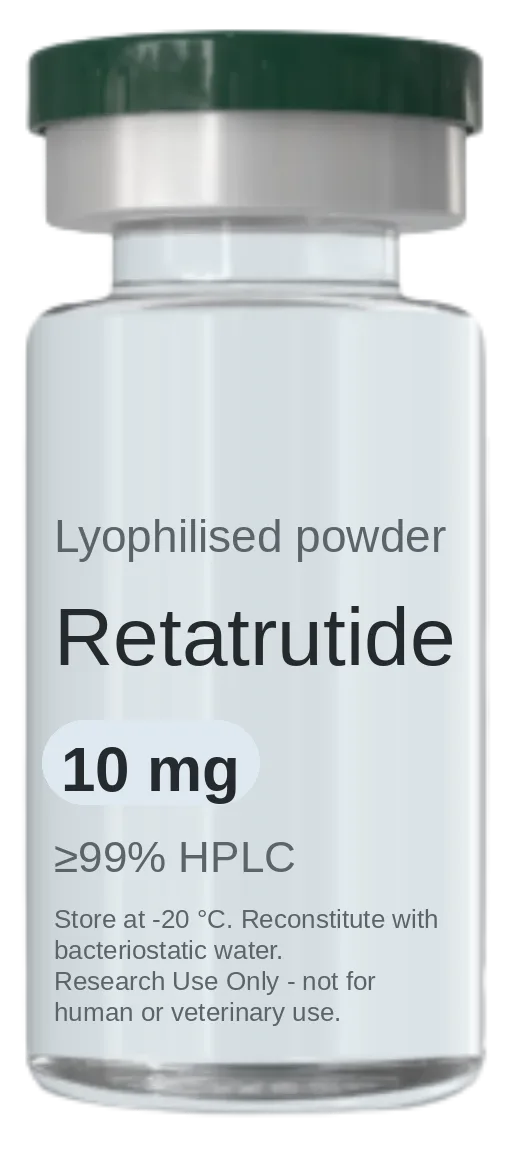
Retatrutide
Triple-agonist metabolic research peptide targeting GLP-1, GIP and glucagon receptors.
- Purity:
- ≥99% HPLC
- Sizes available:
- 10 mg
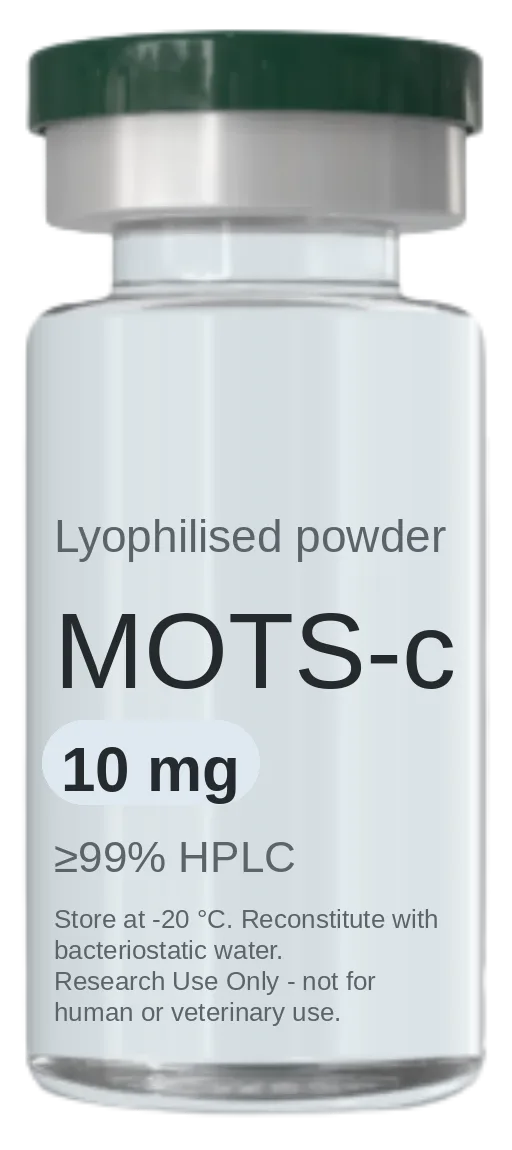
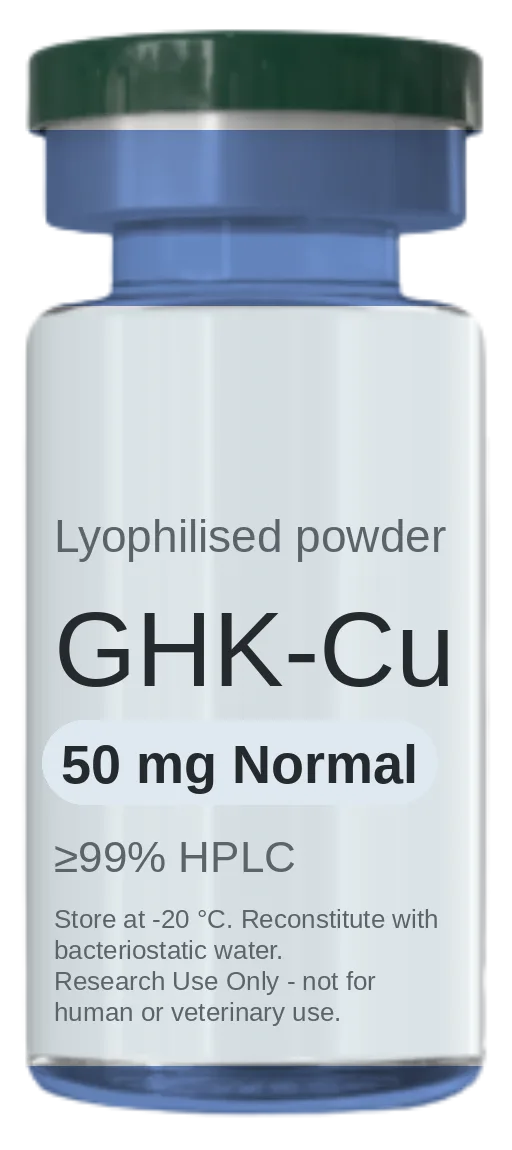
GHK-Cu (Copper Peptide)
Copper-binding tripeptide studied in extracellular matrix and dermal research models.
- Purity:
- ≥99% HPLC
- Sizes available:
- 50 mg Normal – 50 mg Plus
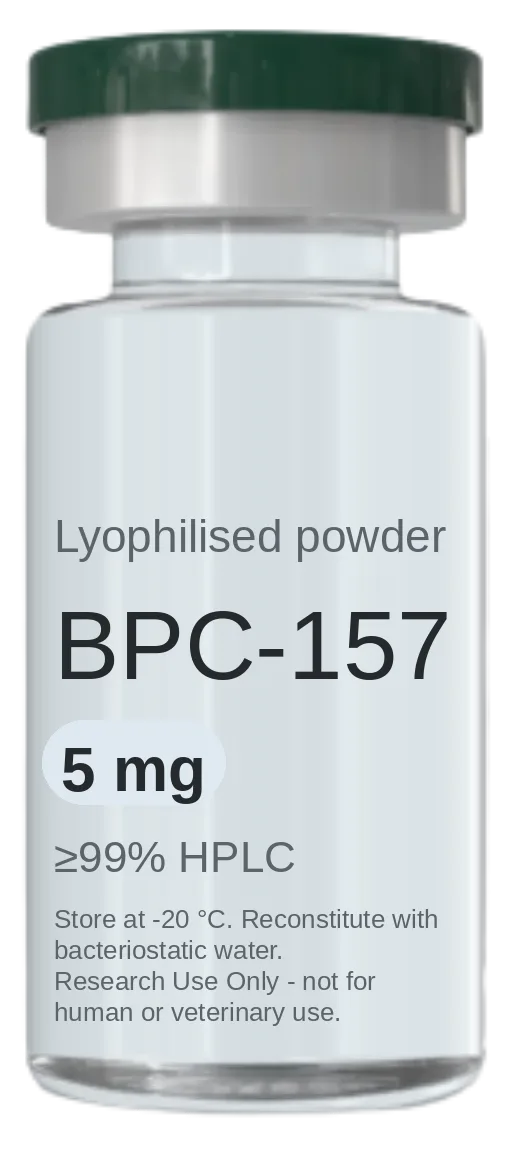
BPC-157 + TB-500
BPC-157 and TB-500 in a single vial — the pairing most studied together in tissue-repair research.
- Purity:
- ≥99% HPLC
- Sizes available:
- 5 mg + 5 mg
The consultation
One intake that settles goals, history and contraindications alongside compound, quantity, documentation and route — reviewed by a physician before anything ships.
More notes
-
Tesamorelin vs Sermorelin: The Difference
Tesamorelin and sermorelin are both GHRH analogs, but not the same molecule. Here's the structural difference and what the studies on each measure.
-
Peptide Supplier vs. Reseller: What Differs
The real difference is whether someone can name the lab that tested a batch and show the report — or only promise it's pure.
-
MOTS-c or NAD+: What's the Difference
MOTS-c and NAD+ are studied through different mitochondrial pathways; here's what each line of research actually measures.