
Note
Research-grade vs. clinical-grade peptides
A research-grade peptide meets analytical specifications for laboratory use; clinical-grade adds regulated manufacturing for human administration.
A research-grade peptide (*research use only*, RUO) is material synthesized and characterized for laboratory work: in vitro assays, preclinical studies, analytical research. A clinical-grade peptide is material manufactured under regulatory controls that authorize its administration to human subjects within an approved protocol. The difference between the two is not the purity percentage printed on the label. It is the intended destination of the material, the manufacturing requirements it must meet, and the documentation that accompanies it.
What the purity number does not measure
A certificate of analysis reporting 99.7% purity by HPLC states that the identified compound represents 99.7% of the vial's content. That is what chromatography measures: chemical identity and proportion. It does not measure bacterial endotoxin levels. It does not measure microbial bioburden. It does not certify that the manufacturing process was validated, and it says nothing about the production environment.
A research-grade peptide can carry an HPLC purity equal to or higher than a clinical-grade one. The distinction does not live in that number. It lives in everything that number cannot see.
What research grade means
Research grade (RUO) means the material was produced for laboratory use, not for administration to people. RUO manufacturers work under their own quality standards and provide analytical documentation — typically a certificate of analysis from an independent laboratory — but they are not subject to the same manufacturing requirements that apply to medicines.
A quality RUO lot ships with:
- A certificate of analysis issued by an independent analytical laboratory, with a verifiable task number.
- Purity measured by HPLC, with the method and the result stated explicitly.
- Identity confirmation by mass spectrometry.
- Lot information: net weight, analysis date, storage conditions.
What it does not include — and cannot include within the RUO framework — is authorization from any regulatory agency for use in humans.
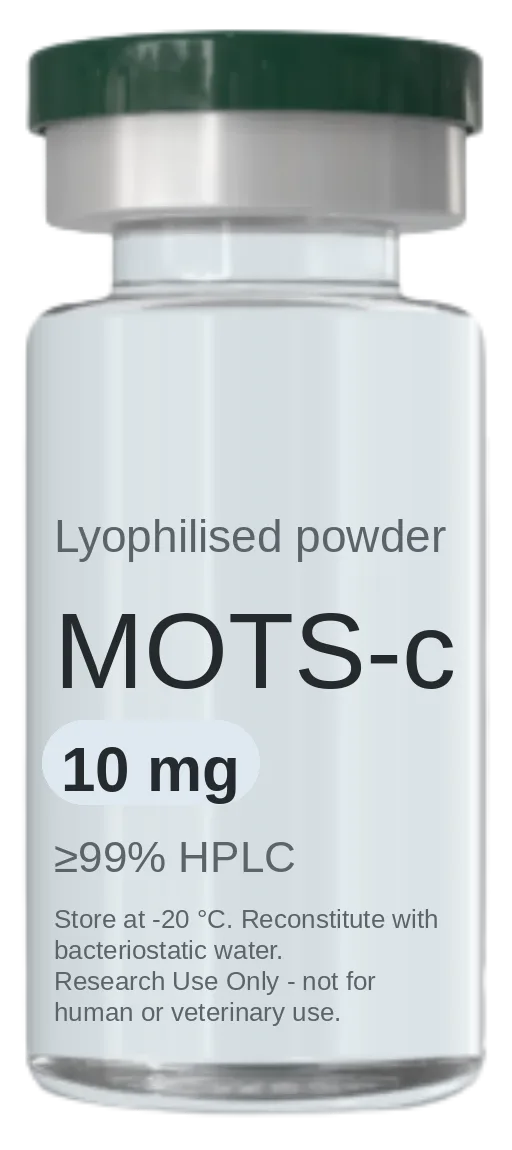
As a concrete reference: PeptoClinic publishes reports from Janoshik Analytical, an independent European laboratory. The analysis of the retatrutide lot conducted on April 13, 2026 (task 136921) returned a purity of 99.893%. The MOTS-c analysis from the same date (task 136923) returned 99.669%. Those figures were issued by the laboratory, not declared by the supplier, and the task numbers are verifiable directly with Janoshik.
What clinical grade means
A clinical-grade peptide — also called pharmaceutical grade — is material produced under conditions reviewed and approved by a regulatory agency for administration to humans. In the United States, that means FDA regulations. In Argentina, the equivalent framework is ANMAT. For material intended for clinical trials, ICH guidelines apply as well.
What separates clinical manufacturing from research manufacturing is not the final analysis but everything that precedes it:
- The production environment: cleanrooms with controlled air classification and continuous environmental monitoring.
- Full traceability of every raw material and every step in the process.
- Bacterial endotoxin testing (LAL or recombinant method) to verify the absence of pyrogens.
- Microbiological sterility testing.
- A documented quality management system with validated standard operating procedures.
- Lot release by a qualified person carrying a signature and legal accountability.
That set of controls is what makes a compound legally administrable to a human being within an authorized clinical trial or as an approved medicine. HPLC purity is one data point on the release certificate. It is not the only one, and it is not the one that draws the clinical/research line.
Why the distinction exists
The separation between research grade and clinical grade is not bureaucratic overhead. It marks two entirely different uses of the same compound.
In a laboratory, what matters is chemical identity and known concentration. A researcher studying the effect of a peptide on cell cultures needs to know the compound is what it claims to be and in what proportion. HPLC purity and mass-spectrometry identity confirmation are the relevant metrics for that work. They are the right tool for the right question.
In a clinical context, what matters is that the compound is safe to administer to a person. That requires controls that analytical testing alone cannot provide: endotoxin absence, sterility, validated manufacturing, regulatory authorization. A different question demands a different set of answers.
Equating "high-purity research grade" with "suitable for human use" is a category error. Research grade is not an inferior version of clinical grade. It is a standard designed for a different destination entirely. The purity is not the deficiency; the regulatory framework is simply different because the use is different.
The compounds in the PeptoClinic catalogue
The PeptoClinic catalogue includes compounds in lyophilized vial format — retatrutide, MOTS-c, BPC-157, GHK-Cu, and others — all supplied as research-grade material. The Janoshik Analytical reports published cover four of those lots, each with a task number that can be checked directly with the laboratory. The lowest purity across all four published reports is 99.669%, on the MOTS-c lot from April 2026.
Shipments to Argentina are documented as laboratory reference material for import. The customs file specifies the nature of the material and its research destination. That documentation is part of the quoting process, not a separate step.
This material is for laboratory research only
All material supplied by PeptoClinic Research Supply is intended strictly for in vitro laboratory research. It is not approved or intended for administration to humans or animals, and not for use in the diagnosis, treatment, or prevention of any condition. No evaluation by ANMAT, the FDA, or any equivalent health authority supports its clinical use. This applies without exception to every compound in the catalogue, regardless of analytical purity.
Frequently asked questions
Is a research-grade peptide with 99% purity equivalent to a clinical-grade one?
No. HPLC purity measures the proportion of the target compound in the vial. Clinical grade adds controls that purity does not capture: absence of endotoxins, microbiological sterility, manufacturing process validation, and regulatory authorization for administration to humans. They are different metrics addressing different dimensions of the material.
What does a certificate of analysis for a research-grade peptide actually contain?
A certificate of analysis (CoA) reports compound identity by HPLC and mass spectrometry, purity percentage, net weight of the vial, and analysis date. It does not state whether the material is suitable for human use, whether it was produced under regulated manufacturing conditions, or whether it passed endotoxin testing. Those are separate determinations requiring separate methods.
Why do endotoxin tests matter for clinical grade and not for research grade?
Endotoxins are fragments of the cell wall of gram-negative bacteria. In a compound administered to a patient, they can trigger severe inflammatory responses. The limit for injectable material is set by pharmacopeias and enforced under clinical manufacturing regulations. An HPLC purity analysis does not detect endotoxins — that requires a specific test such as the LAL method or a recombinant equivalent. For laboratory research on cell cultures or analytical work, endotoxin testing is a separate consideration governed by the experimental design, not by the supplier's grade designation.
Does clinical-grade retatrutide exist anywhere?
Not as a marketed medicine. As of the date of this article, retatrutide holds no approval from the FDA, EMA, or ANMAT for use in humans. The compound is in clinical investigation. All material available globally — including what PeptoClinic supplies — is research grade.
What does the task number on a Janoshik Analytical report allow a buyer to verify?
The task number uniquely identifies the report in the laboratory's records. It allows independent verification of the result directly with Janoshik Analytical, so the figure on the supplier's CoA and the figure in the laboratory's own records can be compared without taking the supplier's word for it. PeptoClinic publishes these task numbers because external verification is what makes a report substantive rather than decorative.
What grade is appropriate for in vitro cell culture and receptor binding assays?
For in vitro work — cell cultures, receptor binding assays, analytical characterization — research-grade material with verifiable analytical documentation is the standard. The relevant specifications are chemical identity, known purity, and lot-level traceability. If the work involves administration to human subjects within an authorized clinical trial, clinical-grade material produced under the corresponding regulatory framework is required.
Does PeptoClinic supply clinical-grade material?
No. PeptoClinic Research Supply supplies exclusively research-grade (RUO) material for laboratory use. It does not supply material intended for human or veterinary use, does not write or manage research protocols, and does not provide guidance on administration.
How are PeptoClinic shipments to Argentina documented for customs?
Shipments to Argentina are documented as laboratory reference material for import. Preparation of the customs file is part of the quoting process. Further detail is on the [shipping page](/en/shipping/).
Compounds mentioned
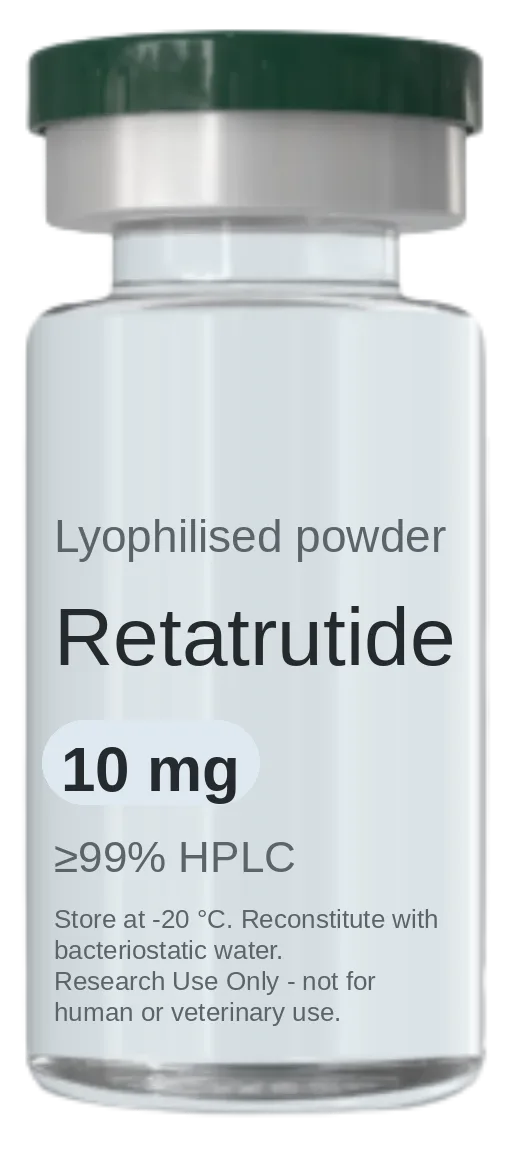
Retatrutide
Triple-agonist metabolic research peptide targeting GLP-1, GIP and glucagon receptors.
- Purity:
- ≥99% HPLC
- Sizes available:
- 10 mg
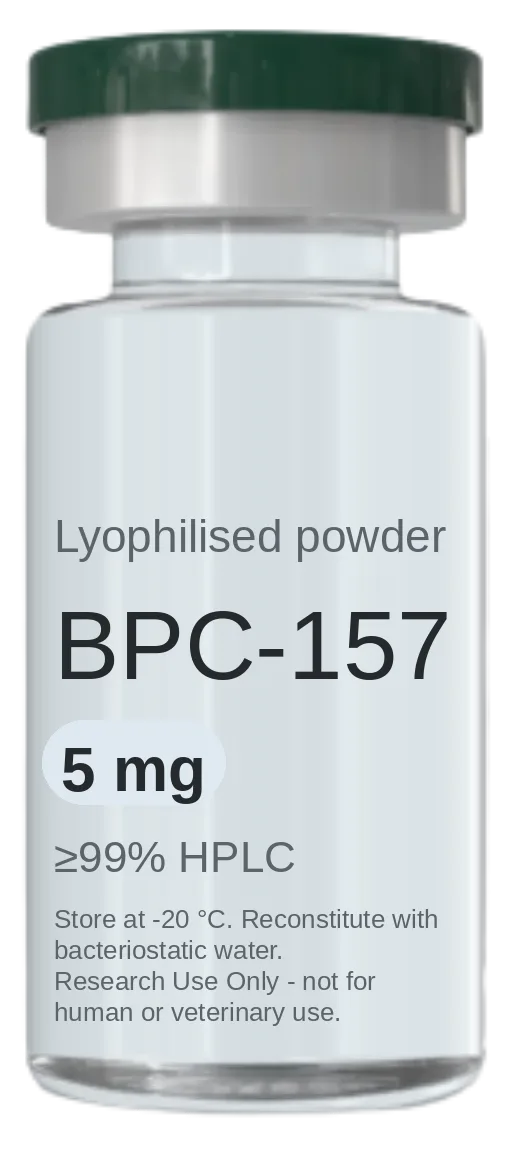
BPC-157 + TB-500
BPC-157 and TB-500 in a single vial — the pairing most studied together in tissue-repair research.
- Purity:
- ≥99% HPLC
- Sizes available:
- 5 mg + 5 mg
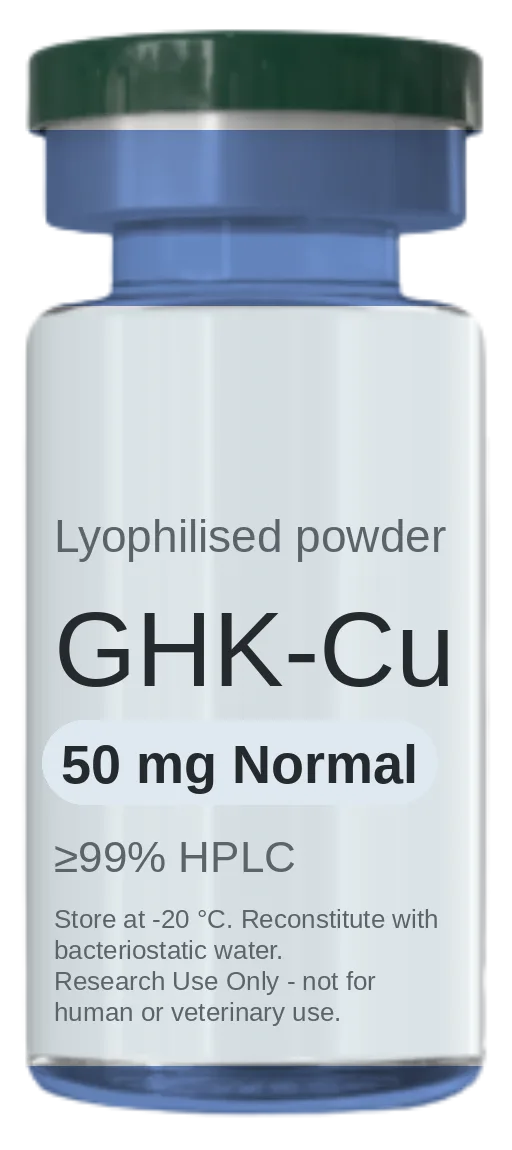
GHK-Cu (Copper Peptide)
Copper-binding tripeptide studied in extracellular matrix and dermal research models.
- Purity:
- ≥99% HPLC
- Sizes available:
- 50 mg Normal – 50 mg Plus
The consultation
One intake that settles goals, history and contraindications alongside compound, quantity, documentation and route — reviewed by a physician before anything ships.
More notes
-
No Tax Address on File: Argentine Customs
What Argentine customs does with a research peptide shipment when the recipient has no registered tax address.
-
How Long Does a Peptide Quote Take?
A research peptide quote from PeptoClinic usually arrives within one business day. Here's what happens during that review.
-
Change Recipient After Argentine Customs
Once a research peptide shipment enters Argentine customs, can the recipient be changed? What the process actually allows.