
Note
Declaring Research Reagents in Argentina
Documentation, NCM code, and end-use declaration for importing laboratory reagents into Argentina without ANMAT intervention.
A research reagent enters Argentina under Chapter 38 or Chapter 29 of the MERCOSUR Common Nomenclature (NCM) and clears through ARCA with a commercial invoice, transport document, safety data sheet (SDS), certificate of analysis for the batch (COA), and an end-use declaration stating the material is intended exclusively for in vitro laboratory research. That declaration is what separates the procedure from a pharmaceutical import and what determines whether ANMAT becomes involved.
What Argentine customs means by "research reagent"
There is no category in Argentine customs nomenclature called "research reagent" by that exact name. What exists is a set of NCM headings — primarily in Chapter 29 (organic chemicals) and Chapter 38 (miscellaneous chemical products and preparations) — that group laboratory substances without an authorized pharmaceutical use in the local market.
A synthetic peptide acquired as a reference material — with a certificate of analysis issued by an independent analytical laboratory and no therapeutic indication — qualifies under that framing when it is correctly declared. What distinguishes it from a medicine is not the molecule but the documentation supporting the import: the supplier must issue the paperwork that establishes the laboratory destination before the goods cross the border.
PeptoClinic supplies research reagents to Argentine destinations with that documentation prepared for each shipment, including the COA signed by the analytical laboratory, the SDS, and the technical information required for customs clearance.
The NCM code: the classification that sets the rules
Each NCM heading carries its own import duty rate and its own prior-approval requirements. For peptide laboratory reagents, the most common headings are:
Chapter 38, heading 3822: Laboratory or diagnostic reagents on any backing. This heading applies when the material is sold explicitly as an in vitro standard or reagent, without clinical indication. Many Argentine research laboratories and scientific institutions import under this heading.
Chapter 29, subheadings 2924, 2933 and 2937: Specific organic chemical compounds, including amide-function compounds, nitrogen-heterocyclic compounds, and hormone-derived compounds. Some synthetic peptides, depending on their chemical structure, fall under these subheadings rather than 3822.
The correct code is not optional. The Argentine Customs Code requires that the classification correspond to the chemical nature of the product, not the buyer's intention. A misassigned code can generate a duty discrepancy, a referral to ANMAT, or a shipment hold. This is why institutions that import these materials work with a licensed customs broker — the operator authorized to file the declaration with ARCA.
To verify the tariff heading for a specific compound, the ARCA tariff schedule is available on the Argentine government portal.
Documents ARCA requires
To release a research reagent shipment through Argentine customs, the importer must present:
Commercial invoice: issued by the foreign supplier, with a technical description of the product (IUPAC name or scientific denomination, not a generic name), lot number, quantity, unit of measure, proposed NCM code, and the transaction value in the agreed currency. A vague description such as "chemical compound" is not sufficient for clearance.
Bill of lading or airway bill: the transport document proving the shipment. Small research peptide shipments typically travel by air, so the document is generally an airway bill (AWB).
Packing list: a breakdown of the contents of each package, gross and net weight, dimensions, and packaging conditions. For materials that require cold chain, the packing list must specify the thermal packaging type used.
Safety data sheet (SDS): mandatory for any imported chemical substance. Argentine regulations recognize SDS documents in GHS format. It must identify the specific lot and compound; a generic SDS for the chemical family is not sufficient.
Certificate of analysis (COA): the document establishing the batch composition, purity measured by HPLC or another instrumental analytical method, and the data of the laboratory that performed the analysis. It is the document most relevant to demonstrating that the material matches the declaration. The quality reports on the PeptoClinic website are issued by Janoshik Analytical with HPLC analysis, a task number, and per-batch purity results.
Depending on the NCM code and the shipment value, ARCA may also require an automatic or non-automatic import license. Confirming this with the customs broker before placing the order prevents clearance delays.
The end-use declaration: the key document
The end-use declaration is a signed note from the importer — the research institution, laboratory, or responsible technical officer — specifying the destination of the material. For research reagents, the text must state that the product is for exclusive use in in vitro laboratory research, that it will not be administered to humans or animals, and that it will not be repackaged or resold as a medicinal product.
This declaration is not a standard ARCA form. The importer drafts it and attaches it to the clearance file. Three points that must appear explicitly:
- The material is acquired under the RUO category (Research Use Only)
- The destination is exclusively in vitro laboratory use
- The buyer is responsible for compliance with applicable regulations governing use and storage
Without this declaration, customs may classify the shipment as a pharmaceutical product based on molecular similarity and refer it to ANMAT, halting the clearance process.
When ANMAT becomes involved
ANMAT (the Argentine national authority for medicines, food and medical technology) intervenes when an imported substance is registered as a medicine in Argentina, or when customs interprets that the material may be intended for therapeutic use. In that case, ANMAT requires either registration of the product in the medicinal specialties registry or a specific import authorization for clinical research.
Research reagents imported with a COA, SDS, and an end-use declaration that explicitly states the in vitro laboratory destination generally do not require ANMAT involvement. The key is the combination of the correct NCM code and documentation that is consistent with that code.
For compounds that have a registered analogue as a medicine in any country, or that may be held based on the name of the chemical family, consulting a regulatory advisor before placing the first shipment is the practical way to anticipate the process. ANMAT's regulatory information on research imports is available on its official website.
The PeptoClinic catalogue states the status of each available compound. None is approved for human or veterinary use in any jurisdiction.
Who can import
Importing goods into Argentina requires registration as an authorized importer with ARCA, with an active CUIT and importer status in the Importers and Exporters Registry. Natural persons can import under certain conditions and thresholds, but most research institutions — universities, CONICET, private laboratories — file the import in the entity's name with a customs broker acting as representative before the agency.
The customs broker is the operator who knows the current nomenclature, manages prior licenses when required, and files the documentation in ARCA systems. For materials with no prior import history at the institution, the first operation may take longer while the NCM code agreed with customs is established.
For details on how PeptoClinic prepares shipment documentation to Argentine destinations, the starting point is the Argentina shipping page.
Research material: legal framework
The material PeptoClinic supplies is intended exclusively for in vitro research and laboratory use. It is not a medicine, not a dietary supplement, and not approved for administration to humans or animals.
None of the compounds in the catalogue holds approval from ANMAT, the FDA, or any other regulatory agency for clinical, diagnostic, or therapeutic use. PeptoClinic does not issue administration protocols, does not indicate doses, and does not provide guidance on use in humans. The use of RUO material outside a laboratory setting is the sole responsibility of the party carrying it out.
Frequently asked questions
What NCM code applies to synthetic research peptides in Argentina?
It depends on the chemical structure of the compound. Synthetic peptides may fall under Chapter 29, headings 2924, 2933, or 2937, or under Chapter 38, heading 3822, when classified as laboratory reagents. The exact assignment is determined by the customs broker based on the composition declared in the COA and the commercial invoice. There is no single rule that covers all peptides.
Do I need ANMAT authorization to import a research reagent?
Generally not, if the import is documented as RUO material with an end-use declaration specifying in vitro laboratory use, a batch COA, and an SDS. If the compound has a registered analogue as a medicine in Argentina, or if customs refers it to ANMAT based on the NCM classification, an additional step may be required. The customs broker can anticipate these cases before the shipment enters the country.
What is the end-use declaration and who signs it?
It is a document drafted by the importer stating that the material will be used exclusively in laboratory research, will not be administered to humans or animals, and will not be repackaged as a medicinal product. The signature comes from the legal representative of the importing institution or the principal investigator. There is no official ARCA form; the importer drafts it and attaches it to the clearance file.
How long does customs clearance take for laboratory reagents?
The time depends on the selectivity channel ARCA assigns to the shipment. The green channel releases without physical inspection; the orange channel involves documentary review; the red channel involves content verification. For well-documented reagents, the green or orange channel is most frequent. Total time from when the goods arrive in the country to clearance can range from one to several business days, depending also on the type of shipment and the port of entry.
Is the supplier's COA sufficient or is a local analysis required?
The supplier's COA — issued by an independent analytical laboratory with a verifiable task number — is the document that establishes the batch composition for customs purposes. A local analysis is not required as a condition of clearance. One may be requested in subsequent controls or by the importer's own institutional policy. PeptoClinic's COAs are issued by Janoshik Analytical with HPLC purity results, a task number, and analysis date, as shown on the [quality page](/en/quality/).
How does cold chain affect the customs process?
Cold chain is a requirement of the supplier and buyer, not a differential customs requirement. If the SDS or COA specifies refrigerated or sub-zero storage conditions, the importer must document that the material arrived within those ranges and coordinate clearance with a temperature-controlled warehouse. Some airports and customs zones have that infrastructure; it is part of the logistics the customs broker manages together with the freight forwarder.
Does a CONICET institution or university receive different treatment?
Public research institutions do not have a differentiated customs channel for reagents, but the fact that the importer is an entity recognized by CONICET or the Ministry of Science facilitates the presentation of additional documentation when ARCA requests it. Prior import history also matters: an institution with previous operations under the same NCM heading has more predictable clearance times.
Does PeptoClinic prepare the import documentation?
PeptoClinic supplies with each batch the COA issued by an independent analytical laboratory, the SDS for the compound, and the commercial invoice with the technical data required for Argentine customs. The importer is responsible for the end-use declaration and for filing with ARCA — through their customs broker — any import licenses required based on the NCM code and shipment value.
Compounds mentioned
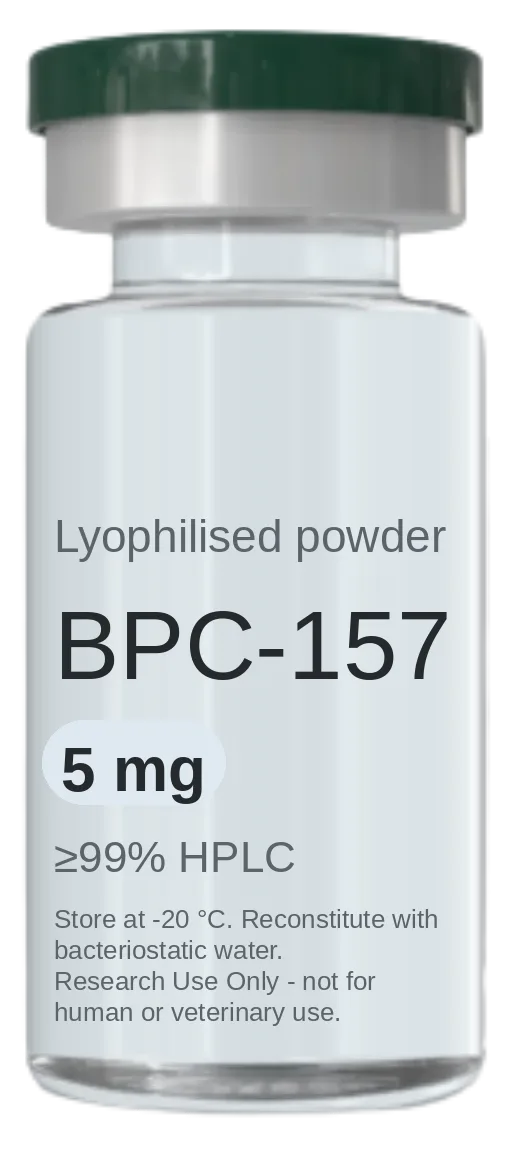
BPC-157 + TB-500
BPC-157 and TB-500 in a single vial — the pairing most studied together in tissue-repair research.
- Purity:
- ≥99% HPLC
- Sizes available:
- 5 mg + 5 mg
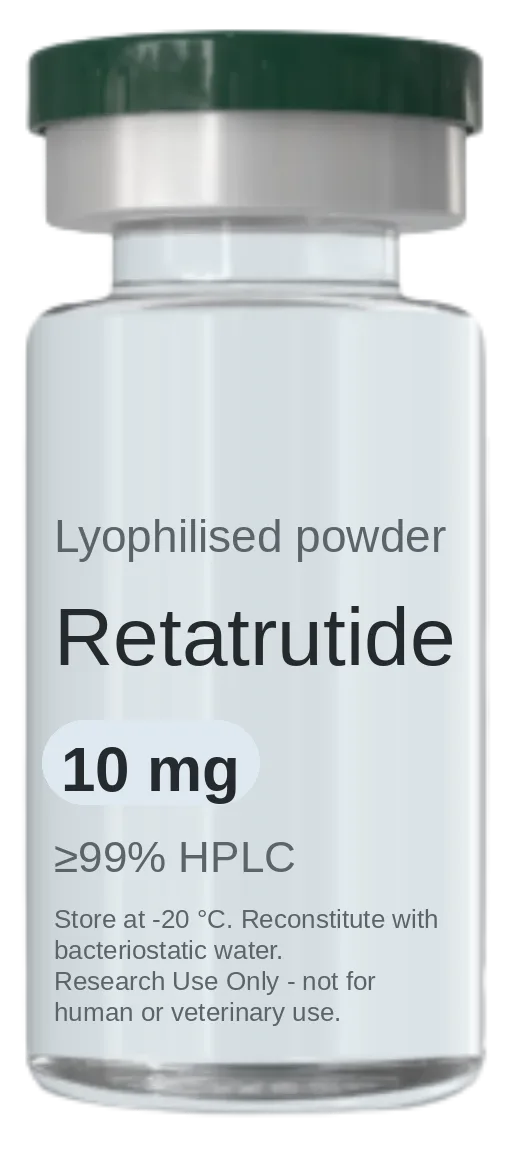
Retatrutide
Triple-agonist metabolic research peptide targeting GLP-1, GIP and glucagon receptors.
- Purity:
- ≥99% HPLC
- Sizes available:
- 10 mg
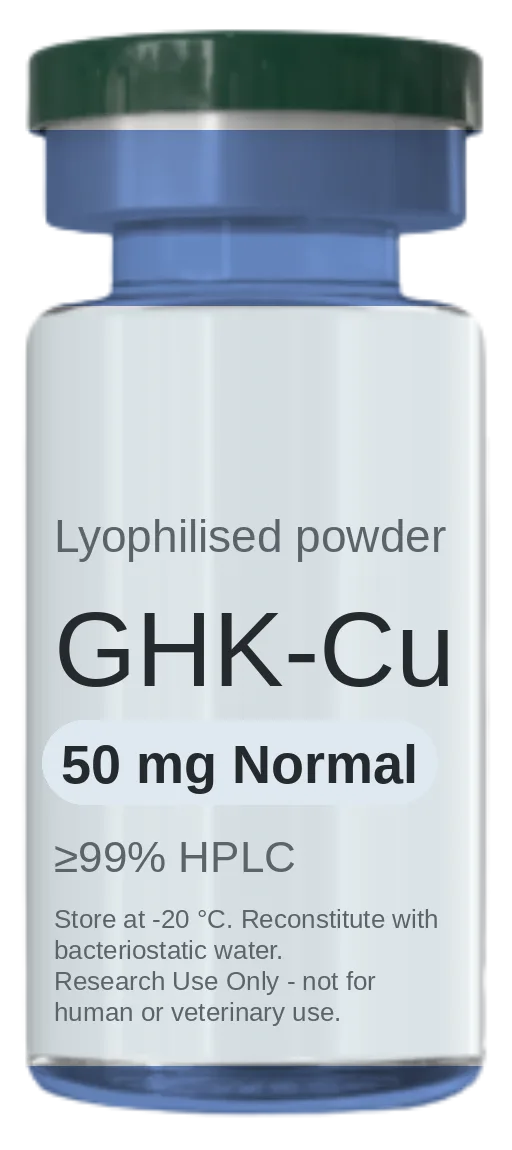
GHK-Cu (Copper Peptide)
Copper-binding tripeptide studied in extracellular matrix and dermal research models.
- Purity:
- ≥99% HPLC
- Sizes available:
- 50 mg Normal – 50 mg Plus
The consultation
One intake that settles goals, history and contraindications alongside compound, quantity, documentation and route — reviewed by a physician before anything ships.
More notes
-
Tesamorelin vs Sermorelin: The Difference
Tesamorelin and sermorelin are both GHRH analogs, but not the same molecule. Here's the structural difference and what the studies on each measure.
-
Peptide Supplier vs. Reseller: What Differs
The real difference is whether someone can name the lab that tested a batch and show the report — or only promise it's pure.
-
MOTS-c or NAD+: What's the Difference
MOTS-c and NAD+ are studied through different mitochondrial pathways; here's what each line of research actually measures.