
Note
Peptide Shipments to Argentina: Annual Limit
What Argentina's postal shipment regime says about how many research peptide packages you can receive per year.
Argentina's postal shipment regime no longer caps the number of packages a person can receive in a year — the old limit of five tax-exempt shipments per calendar year was eliminated in the late-2024 reform. What the regime still controls is the declared value of each individual shipment, which decides whether it owes duties and how much. This applies to any package entering through the simplified postal or courier ("door to door") regime, including ones carrying research material such as peptides.
What changed in 2024: from a quantity cap to a value threshold
Before the reform, the system worked as a quota: an individual was entitled to a fixed number of duty-exempt purchases per calendar year, and once that count was reached, the next shipment paid a high flat rate regardless of its actual value. That created a specific problem for anyone ordering more than one package a year — a sixth shipment, for instance, paid the same as a high-value import, even if it cost a few dollars.
The reform replaced that quota with value tiers. In practice, this means the number of shipments you receive in a year no longer has a ceiling: you can receive ten, twenty or fifty packages, and each one is assessed on its own declared value, not on the order in which it arrived. The test shifted from "how many did you order" to "what is each one worth."
How the postal shipment regime works today
The current scheme works with FOB value brackets declared per shipment:
- Low-value shipments are exempt from import duties and VAT.
- Mid-value shipments pay a reduced rate compared with the general import regime.
- Higher-value shipments, up to the ceiling the simplified regime allows (above which a formal import procedure applies), pay under the general import regime.
The exact amounts for each bracket are set by AFIP and adjusted periodically, so before estimating what a shipment will owe, check the current figures at afip.gob.ar, the official source and the only one that matters if it conflicts with anything on this page or any other.
What does not change as the bracket amounts get updated is the underlying logic: the postal shipment regime was built for low-volume personal purchases, not commercial importation. A shipment declared correctly — with its real value and a description that matches what's actually inside — is what keeps a package inside this simplified regime instead of pushing it into a formal import procedure.
What this means for someone receiving research peptides
For someone receiving research material such as retatrutide, BPC-157 or MOTS-c through this channel, removing the quantity cap solves the most common friction point: ordering a second or third shipment in the same year without that automatically triggering a different tax treatment. What still matters is:
- That the declared value of the shipment is the real one.
- That the description of the contents matches what's actually traveling — in this case, laboratory reference material, not a consumer product.
- That the recipient is an identified individual, with the information the simplified regime requires, including a CUIT or CUIL.
PeptoClinic prepares the customs file for every order bound for Argentina describing the contents as what they are: laboratory research reference material. That description is the correct one to declare, and it is independent of how many prior shipments the same person has received that year — again, because the regime no longer counts shipments, it counts value.
The documentation that travels with each shipment
A shipment of research peptides doesn't arrive with just a customs label. What accompanies the vial, at minimum, is the laboratory report certifying what's inside. PeptoClinic works with reports from Janoshik Analytical: the analyzed MOTS-c lot came back at 99.669% purity and the retatrutide lot at 99.893%, each with a verifiable task number. How to read those reports — what each field means, what to ask if a number doesn't add up — is explained on the quality page.
What the package does not carry is a cold chain: the material ships as lyophilized powder in a sealed vial with desiccant, stable at room temperature for weeks, with no coolant and no insulated packaging. Cold only starts to matter after reconstitution, not during transit. The full detail of how material is packaged and why is on the shipping page.
Research material, not for human use
Everything described here is information about a customs procedure, not a usage guide. The material PeptoClinic supplies is intended exclusively for laboratory research — in vitro and reference use — and is not approved for human or veterinary consumption, is not a drug or a supplement, and no regulatory body has evaluated these statements. No prescription is written, filled or required, and any question about human-use protocols falls outside what this business answers.
What to check before ordering a shipment
Three things, in order of importance:
- The current bracket amounts. These are updated by AFIP resolution and aren't fixed indefinitely, so a figure that was correct a year ago may not be today.
- Whether the courier or postal carrier handling the shipment has its own additional policies. The national regime sets the floor, but some logistics companies add their own operational limits on package volume in transit.
- That the description and declared value of the contents are accurate. This is the one thing fully within the control of whoever requests the shipment, and it's what decides which bracket it falls into.
Outside those three points, there is no additional procedure tied to how many orders you placed earlier that same year — that count, under this regime, no longer exists.
See also
Anyone comparing documentation across compounds can check the full catalog or read more about PeptoClinic's operating model before requesting a quote.
Frequently asked questions
Is there a maximum number of peptide shipments a person can receive per year in Argentina?
No. Since the reform at the end of 2024, Argentina's postal shipment regime no longer limits the number of packages per year. Control shifted to the declared value of each shipment, not to how many you received before.
Did a quantity limit exist before?
Yes. The previous regime set a quota of tax-exempt purchases per calendar year, and once that number was reached, subsequent shipments paid a higher flat rate regardless of their value. That quota scheme is no longer in force.
What determines whether a shipment owes duties today?
The declared FOB value of the contents. Low-value shipments are exempt, mid-value shipments pay a reduced rate, and higher-value shipments — within the ceiling the simplified regime allows — pay under the general import regime.
Where can I check the current bracket amounts?
On AFIP's official site, [afip.gob.ar](https://www.afip.gob.ar/). These are the only figures that matter if there's any doubt, since they're updated by resolution and can change.
Is a CUIT or CUIL required to receive a shipment under this regime?
Yes. The simplified postal shipment regime identifies the recipient with that information as part of the standard customs procedure for individuals.
Does a research peptide shipment need refrigeration in transit?
No. The material ships as lyophilized powder in a sealed vial, stable at room temperature for weeks. It carries no coolant or insulated packaging because it doesn't need it in that state.
What documentation accompanies a research peptide shipment?
A laboratory analysis report certifying the purity of the batch, with a verifiable task number. PeptoClinic works with reports from Janoshik Analytical for the compounds in its catalog.
Does this regime apply the same way if I order more than one different compound in a year?
Yes. The regime doesn't distinguish by compound or by how many prior orders you placed — each shipment is assessed independently based on its declared value.
Compounds mentioned
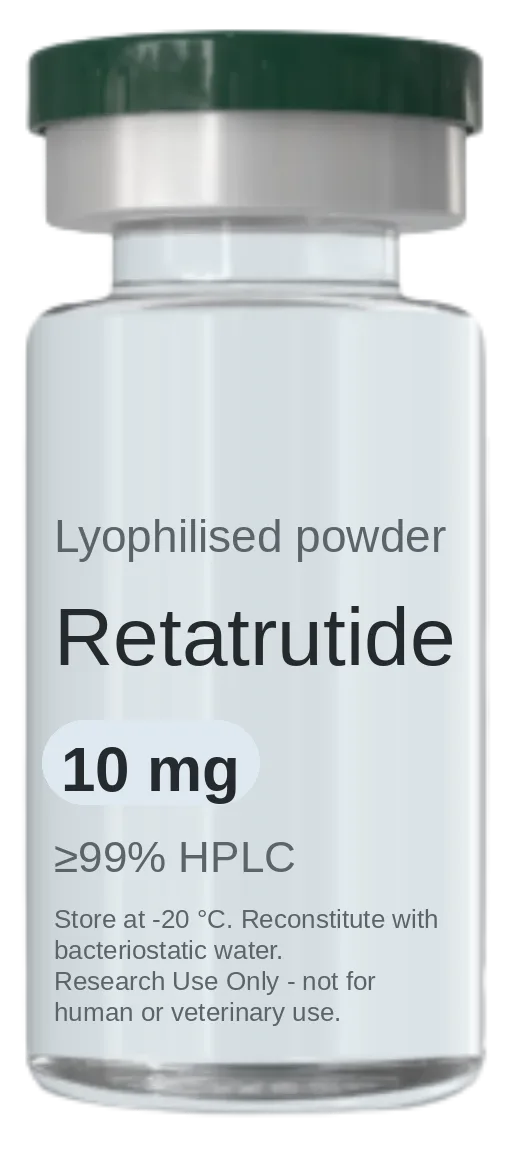
Retatrutide
Triple-agonist metabolic research peptide targeting GLP-1, GIP and glucagon receptors.
- Purity:
- ≥99% HPLC
- Sizes available:
- 10 mg
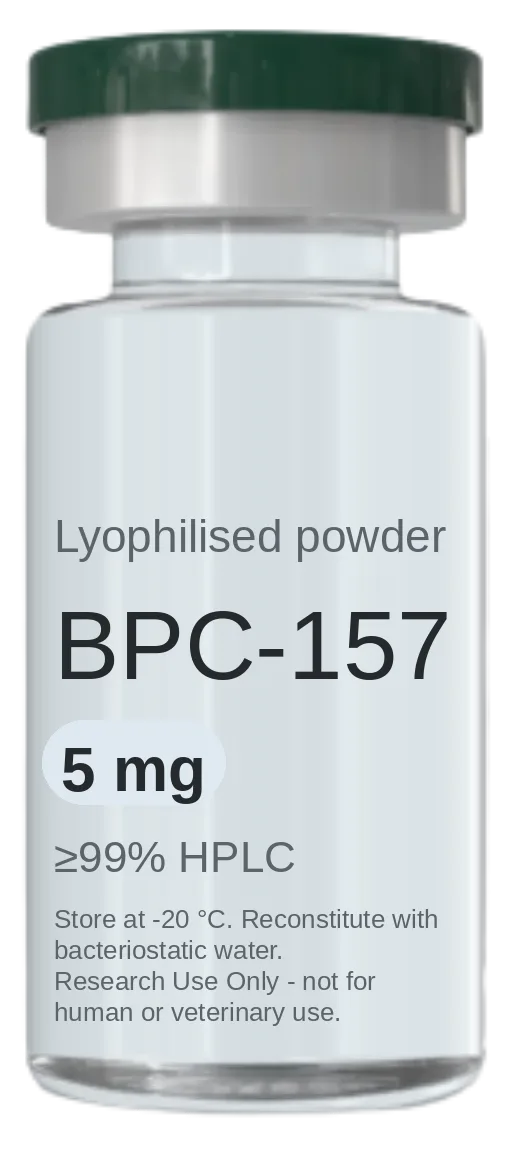
BPC-157 + TB-500
BPC-157 and TB-500 in a single vial — the pairing most studied together in tissue-repair research.
- Purity:
- ≥99% HPLC
- Sizes available:
- 5 mg + 5 mg
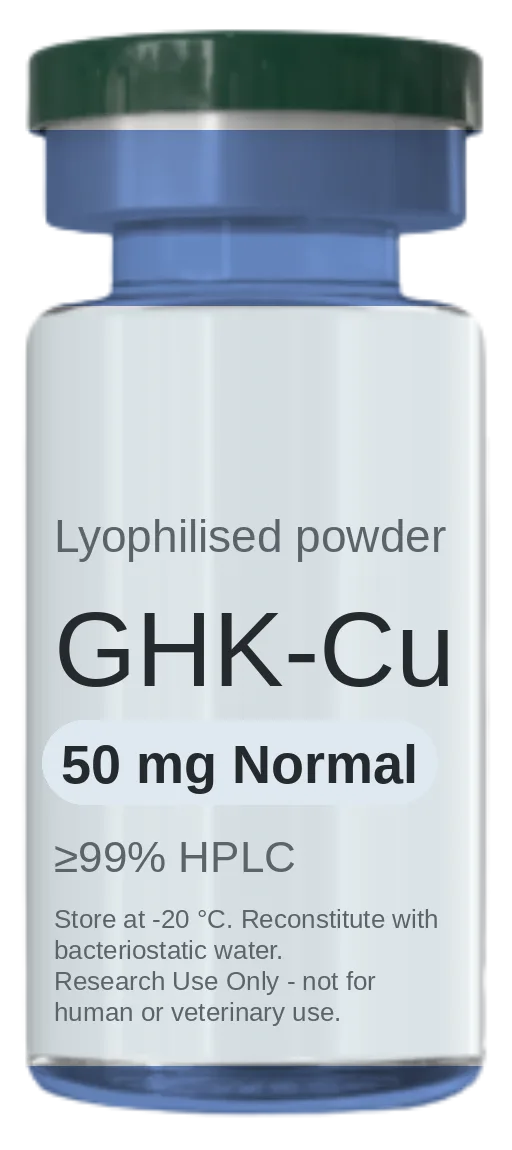
GHK-Cu (Copper Peptide)
Copper-binding tripeptide studied in extracellular matrix and dermal research models.
- Purity:
- ≥99% HPLC
- Sizes available:
- 50 mg Normal – 50 mg Plus
The consultation
One intake that settles goals, history and contraindications alongside compound, quantity, documentation and route — reviewed by a physician before anything ships.
More notes
-
No Tax Address on File: Argentine Customs
What Argentine customs does with a research peptide shipment when the recipient has no registered tax address.
-
LL-37 vs GHK-Cu: What Sets Them Apart
LL-37 is a 37-residue cationic peptide; GHK-Cu is a copper-bound tripeptide. We compare structure, mechanism, and research lines.
-
How Long Does a Peptide Quote Take?
A research peptide quote from PeptoClinic usually arrives within one business day. Here's what happens during that review.