
Note
Tracking a Shipment Through Argentine Customs
How to track a research peptide shipment through Argentine customs: courier status vs. customs channel, and required paperwork.
Once a shipment moves into Argentine customs, tracking runs on two parallel channels: the international courier's tracking number (DHL, FedEx, UPS, or Correo Argentino, depending on who handles the final leg) and the status assigned by ARCA — the Agencia de Recaudación y Control Aduanero, which replaced AFIP — once the parcel enters customs control. The courier's tracking page shows physical movement: arrived at the bonded warehouse, in transit, out for delivery. The customs status shows something different: whether the parcel was selected for verification, which control channel it was routed to, and whether additional documentation is being requested before release.
That distinction is the first thing to understand, because most delays that look like "the package is lost" are actually a change in customs status that the courier's tracking page has not caught up with yet.
What documentation travels with the shipment
Every lot shipped to a destination in Argentina travels with paperwork built so a customs officer can classify the goods without ambiguity: a commercial invoice describing the contents as laboratory reference material for research, and the certificate of analysis (CoA) for that specific batch, issued by the laboratory that ran the assay. That combination — invoice plus CoA — is what an officer needs to assign the correct tariff classification and decide whether any additional control applies.
The certificates of analysis published on this site come from Janoshik Analytical, and the quality page explains how to read one. If a parcel is flagged for documentary review, the CoA is the document an importer or customs broker will need to produce first.
How the customs status itself is tracked
Argentina's customs system assigns every shipment to a control channel as soon as it enters:
- Green channel: the goods are released with no physical inspection and no additional documentary review. This is the most common outcome for small shipments with consistent paperwork.
- Orange channel: the documentation is reviewed — invoice, description of contents, declared value — but the parcel itself is not opened.
- Red channel: the documentation is reviewed and the contents are physically inspected before release.
The channel is assigned automatically, and it is not something the sender or the recipient can choose or predict with any precision. What can be tracked is the outcome: the courier handling clearance (or the customs broker, if the shipment is being processed that way) has visibility into which channel the parcel landed in, and can pass that along to the recipient.
The Single Window for Foreign Trade, and when it comes into play
For certain categories of goods, Argentina's customs system cross-references the classification against the Ventanilla Única de Comercio Exterior (VUCE) — the Single Window for Foreign Trade — where specific agency interventions are handled when they apply. If a shipment has a pending VUCE intervention, the courier's status will often show something generic like "in customs processing" while the actual matter is sitting in a different system. In that case, the useful reference is not the courier's tracking number but the clearance number, or "SIM" (Solicitud de Importación), which can be requested from the courier or the broker to check directly.
Not every shipment goes through VUCE. Most small shipments of laboratory material resolve entirely within the customs channel without needing an intervention from another agency.
How long a shipment can sit in verification
The time a parcel spends under customs control depends on the channel it was assigned to, how much volume customs is processing at that moment, and whether an additional document is requested. There is no fixed timeframe and no figure that can be promised in advance — any number of days quoted elsewhere is usually built on a handful of individual cases, not a real average. What is consistent is the order of events: arrival at the bonded warehouse → channel assignment → (if applicable) a documentation request or physical inspection → release → delivery by the courier.
When a shipment stays in the same customs status for several days with no change, the most direct move is to contact the courier or broker with the waybill number, rather than waiting for the tracking page to update on its own.
What to do if customs requests more documentation
If the system flags a shipment for documentary review or asks for a specific paper, the courier or broker will typically contact the recipient asking for that exact document — usually a copy of the invoice, the CoA, or a clarification on the description of contents. Responding quickly with what was requested is what shortens the process; not responding is the most common reason a parcel sits in the bonded warehouse longer than it needs to.
If the shipment includes a compound like Retatrutide or MOTS-c, the CoA for that specific batch is usually the document that resolves the request, since it states the compound, the declared content, and the result of the purity assay.
Research material, not for human use
Everything shipped under this process is laboratory reference material for research use only (RUO), supplied as lyophilized powder in vials. It is not a medicine, not a supplement, and it is not approved for human or veterinary consumption, diagnosis, or treatment. The customs paperwork reflects exactly that: the shipment is declared and classified as what it is — scientific reference material. Any import process that tries to frame it differently falls outside this shipping model. The full breakdown of how each shipment is prepared is on the shipping page.
Frequently asked questions
Are the courier's tracking page and the customs status the same thing?
No. The courier's tracking page shows the parcel's physical location — depot, transit, out for delivery — while the customs status shows which stage of customs control it is in: verification, assigned channel, pending documentation. The two systems do not always update at the same pace, which is why a parcel can look "stuck" when it has actually changed customs status without the courier reflecting it yet.
What is the red channel, and does it mean something is wrong?
The red channel means that, in addition to reviewing the documentation, customs physically inspects the contents before releasing the parcel. It does not indicate a problem with the shipment — it is an automatic assignment made by the system, and it can happen to any parcel regardless of whether the paperwork is complete.
Can I know in advance which channel my shipment will get?
No. Channel assignment is made automatically by the customs system at the point of entry, and it is not something that can be anticipated or chosen ahead of time.
What document should I have ready if customs asks for something?
The commercial invoice and the certificate of analysis (CoA) for the batch are the two documents that resolve almost every clarification request. Keeping them on hand from the moment shipping is confirmed avoids delays if a request comes in.
What is the Single Window for Foreign Trade, and when does it apply to my shipment?
It is the system where specific agency interventions are handled when a shipment's classification requires one. Not every shipment goes through it; when one does, the useful reference for tracking progress is the clearance number or import request number, rather than the courier's generic tracking status.
Why has my shipment stayed in the same status for several days?
It can be due to the volume customs is handling at that moment, a pending document that has not been sent yet, or a move into a review stage that does not always show up immediately on the courier's tracking page. Contacting the courier directly with the waybill number is the fastest way to find out the actual stage.
Is the material that arrives approved for human use in Argentina?
No. It is laboratory reference material for research use only (RUO), not approved for human or veterinary consumption, diagnosis, or treatment. The paperwork that accompanies the shipment, and its customs classification, correspond to that use.
What if the courier has no information about the customs status?
If the courier cannot provide detail on the customs status, the alternative is to request the clearance number or waybill number to check directly, either with a customs broker or through ARCA's own inquiry channels, since ARCA is the agency that administers customs control in Argentina.
Compounds mentioned
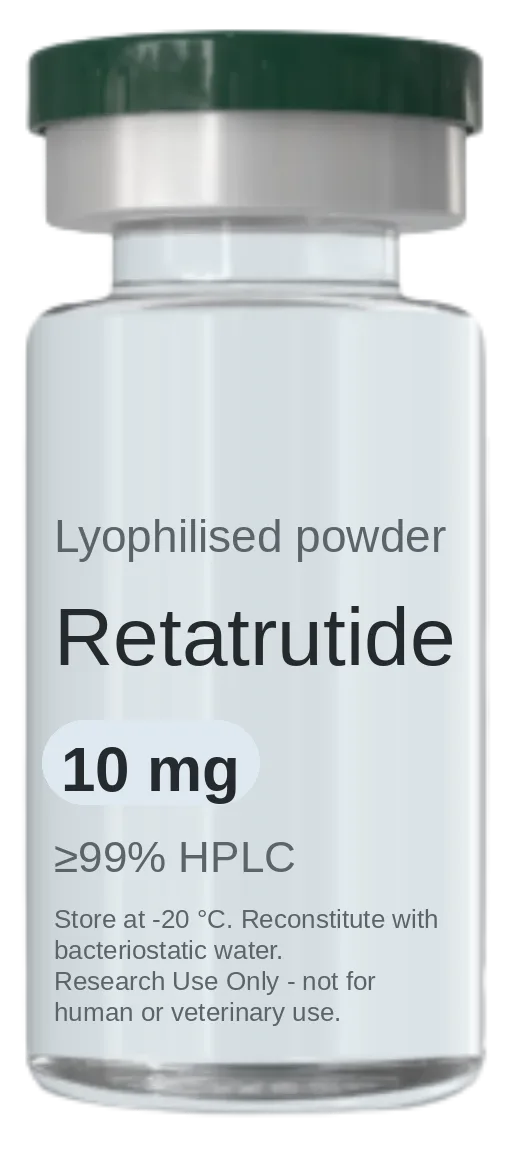
Retatrutide
Triple-agonist metabolic research peptide targeting GLP-1, GIP and glucagon receptors.
- Purity:
- ≥99% HPLC
- Sizes available:
- 10 mg
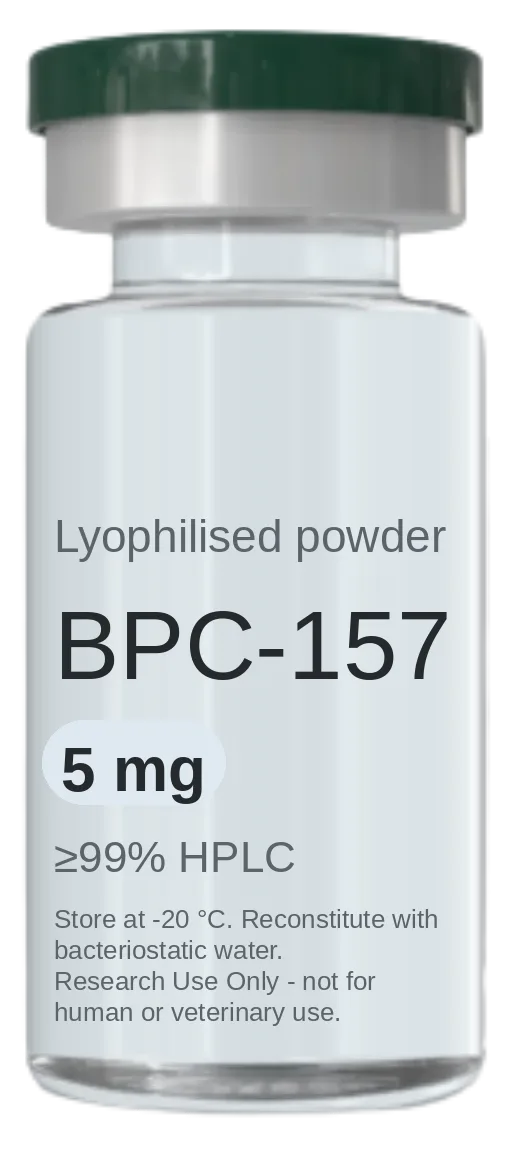
BPC-157 + TB-500
BPC-157 and TB-500 in a single vial — the pairing most studied together in tissue-repair research.
- Purity:
- ≥99% HPLC
- Sizes available:
- 5 mg + 5 mg
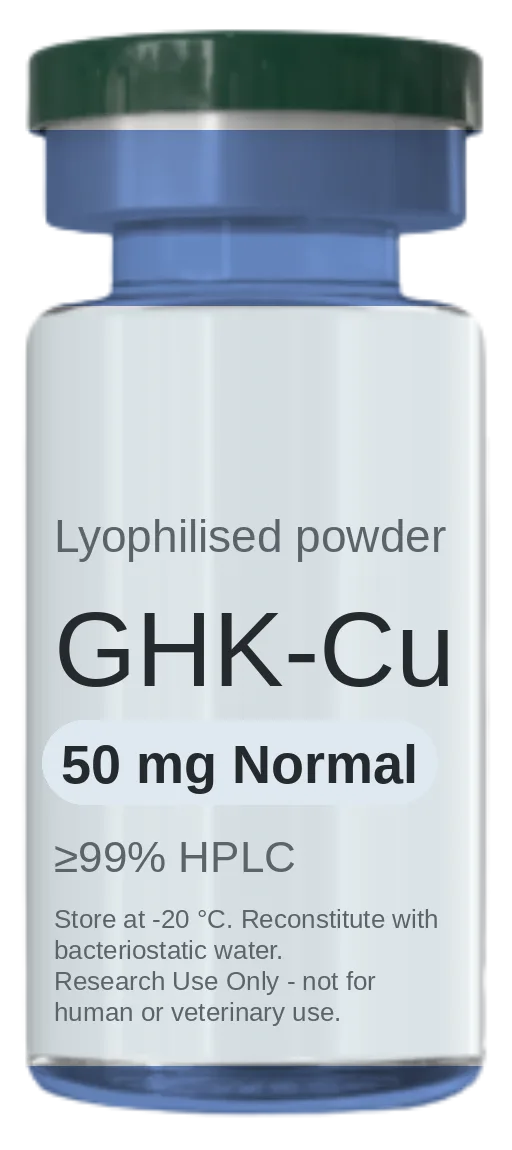
GHK-Cu (Copper Peptide)
Copper-binding tripeptide studied in extracellular matrix and dermal research models.
- Purity:
- ≥99% HPLC
- Sizes available:
- 50 mg Normal – 50 mg Plus
The consultation
One intake that settles goals, history and contraindications alongside compound, quantity, documentation and route — reviewed by a physician before anything ships.
More notes
-
What Is Argentina's Single Import Window?
What the VUCE is, how it works, and what role it plays when a batch of research peptides clears customs into Argentina.
-
NAD+ vs Epithalon: How They Differ
NAD+ is a coenzyme, Epithalon a synthetic peptide. What the literature studies for each, and how they differ as research material.
-
Epithalon or Selank: What's the Difference
Epithalon is studied for telomerase and circadian rhythm; Selank for anxiety and cognition. Mechanism, structure, and documentation of each.