
Note
What Certificate Does ANMAT Require?
ANMAT doesn't issue a certificate to release research peptides from Argentine customs — here's what documentation actually does.
ANMAT does not issue a certificate to release a research peptide held at Argentine customs, because that procedure does not exist: research peptides are not registered as medicines, so there is no form, no disposición and no stamp to request from ANMAT to clear the package. Something else resolves the hold, and mixing up the two is exactly what keeps a shipment sitting in bonded storage for weeks.
Why customs flags the package in the first place
When a shipment declares a peptide by its chemical name — retatrutide, BPC-157, MOTS-c — the customs system can flag it for review because the name matches a substance that also exists as the active ingredient of a registered medicine. The hold isn't a judgment on what's actually inside the package: it's an automated filter comparing the text of the declaration against a database of regulated substances.
From there, customs (or the postal carrier, depending on the shipping route) asks for proof of what the product is and what it's imported for. That's where documentation comes in, not a filing with ANMAT.
What documentation actually clears a hold
Three papers move a shipment like this, not a regulatory certificate:
- A certificate of analysis (CoA) for the batch, issued by an independent laboratory, identifying the compound and its purity by HPLC. This is the document that answers "what is this" with a technical signature behind it.
- The commercial invoice, which needs to state the intended use in explicit text: laboratory research material, not for human or veterinary consumption. An invoice that just says "retatrutide 10mg" with no such statement is the one that causes the most trouble.
- An import file prepared for that purpose, if the supplier assembles one. You can read more about how a shipment to Argentina is prepared and what accompanies each batch declared as laboratory reference material.
None of these three is an "ANMAT certificate." They're documents that prove the contents of the package aren't a finished medicine for human use — which is the actual question behind the hold.
The certificate of analysis: what to check before trusting it
The CoA carries the most weight, and it's also the most forged document in this space. Before treating one as valid, check three things:
- Who signed it. A CoA is only as good as the laboratory that issued it. Janoshik Analytical is one of the reference laboratories in the sector, and its reports are independently verifiable.
- Whether it has a working verification link. A CoA that can't be checked against the issuing laboratory is a picture, not proof.
- Whether the purity figure corresponds to the specific batch, not a generic number recycled from another analysis. A purity report of 99.669% on a different batch than the one you're importing tells you nothing about the package in your hands.
There's more detail on this on the quality page, which explains how to read a real CoA and what separates a laboratory report from a badge drawn in a graphics editor.
What does NOT work as an "ANMAT certificate"
Because the question keeps coming up, it's worth stating plainly: there is no ANMAT procedure that issues a "release authorization" for this kind of material, and any intermediary offering to process one is selling a paper ANMAT doesn't issue. What does exist is:
- Medicine registration, which applies to finished products intended for human or veterinary use, with a file, an approved active ingredient and a pharmaceutical form — it doesn't apply to material declared as a laboratory reagent.
- Import authorizations for medical supplies and devices, which also isn't the category a lyophilized peptide powder declared as reference material falls under.
Neither category is the procedure someone is actually looking for when they search "ANMAT certificate for peptides." That search describes a paper that doesn't exist, applied to a product that doesn't enter the circuit ANMAT regulates.
What to do in practice if the package is held
If the shipment is already in bonded storage, what moves it forward is contacting the customs broker (or the postal carrier's agent, for postal shipments) and presenting the batch's CoA along with the invoice stating the intended use. If the supplier didn't include those documents with the shipment, ask for them directly — a serious supplier has them on hand, because every batch leaves the laboratory with its own report.
What doesn't help is escalating the request as if it were a regulatory filing: there's no ANMAT file to check the status of, because there's no file. The right point of contact is customs or the broker, with the CoA as the central document.
Material for laboratory research, not for human use
Everything described here refers to material supplied strictly for laboratory research use (RUO — Research Use Only). It is not a medicine, it is not approved for human or veterinary consumption, it is not dispensed by prescription, and there is no indication for use in people. None of this replaces a conversation with a licensed customs broker about your specific shipment.
As an example of how a specific compound is documented, the retatrutide page for Argentina shows the kind of information that accompanies a batch: laboratory report, purity specification and declared destination.
Frequently asked questions
Does ANMAT have a form to release peptides held at customs?
No. ANMAT registers medicines for human and veterinary use, and peptides declared as laboratory research material don't enter that circuit, so there's no form or disposición to request their release.
What document actually clears the shipment, then?
The certificate of analysis (CoA) for the batch, issued by an independent laboratory, together with a commercial invoice that explicitly states the contents are research material, not for human or veterinary consumption.
Who resolves the hold, ANMAT or customs?
The hold is handled by customs (or the postal carrier, for postal shipments), typically with a customs broker involved. ANMAT doesn't intervene in material that's correctly declared as a laboratory reagent.
Does a generic purity certificate, without the batch number, work?
Not in the same way. A CoA needs to correspond to the specific batch you're importing. A generic report recycled from another analysis proves nothing about the contents of the held package.
What if the supplier doesn't provide a CoA?
That's the clearest warning sign. A supplier working with third-party laboratories has each batch's report on hand; if they won't provide it, there's no way to prove what the package contains to customs.
Does a badge or seal on the supplier's website replace the CoA?
No. A graphic badge isn't a verifiable document. What carries weight with customs is a laboratory report with a signature, a stated methodology (HPLC), and, when available, a working verification link.
Can this material be used in people once it clears customs?
No. All the material described here is for laboratory research (RUO), is not approved for human or veterinary use, and comes with no dosing indication or administration protocol.
How do I know if a specific compound has documentation available for Argentina?
Each compound in the [catalog](/en/catalog/) has its own page with a purity specification and the corresponding laboratory report; for shipments to Argentina, the [destination page](/en/argentina/) details how the import file is prepared.
Compounds mentioned
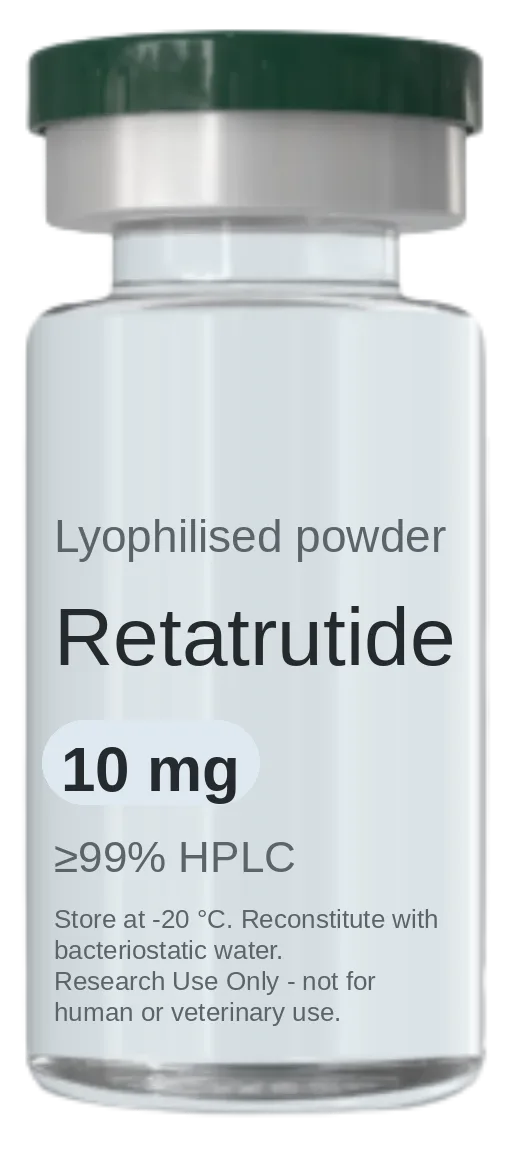
Retatrutide
Triple-agonist metabolic research peptide targeting GLP-1, GIP and glucagon receptors.
- Purity:
- ≥99% HPLC
- Sizes available:
- 10 mg
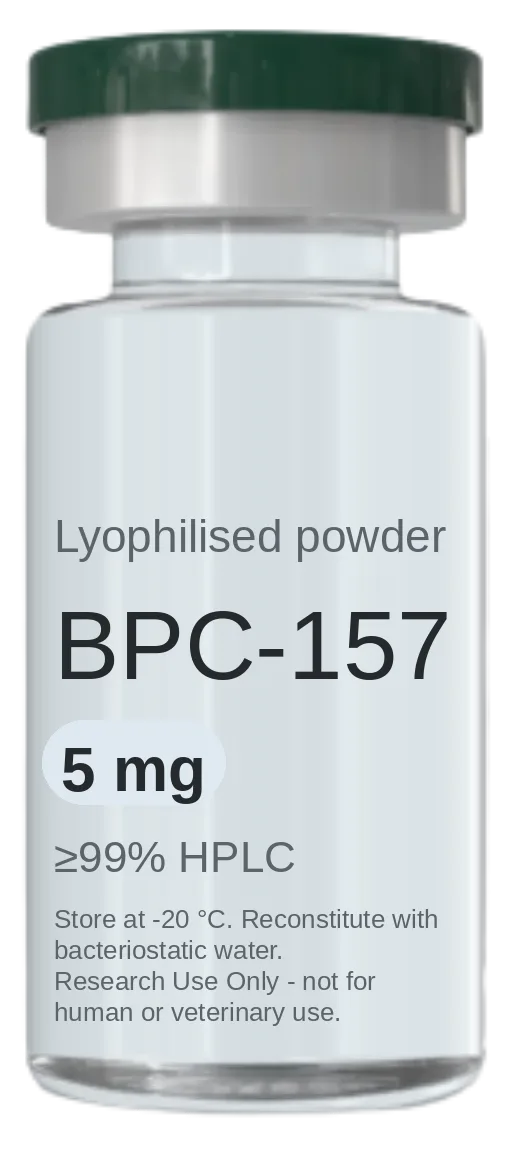
BPC-157 + TB-500
BPC-157 and TB-500 in a single vial — the pairing most studied together in tissue-repair research.
- Purity:
- ≥99% HPLC
- Sizes available:
- 5 mg + 5 mg
The consultation
One intake that settles goals, history and contraindications alongside compound, quantity, documentation and route — reviewed by a physician before anything ships.
More notes
-
If Argentine Customs Reclassifies a Peptide
If Argentine customs reclassifies a research peptide's tariff code, duties, controls and timelines change until the importer responds.
-
Peptides to Argentina: Post or Courier?
Postal import of research peptides into Argentina exists as a channel, but PeptoClinic ships by documented courier, not ordinary mail.
-
Is NAD+ a Peptide or Something Else?
NAD+ is not a peptide — it's a dinucleotide, a coenzyme. Here's the chemical difference and why the two get mixed up.