
Note
Who Regulates Research Materials: Argentina
ANMAT, Argentine Customs, and SEDRONAR are the three main bodies that govern research materials imported or handled in Argentina.
ANMAT, the Argentine Customs Directorate, and SEDRONAR are the three principal bodies that intervene when research materials are imported or handled in Argentina. ANMAT steps in when a material falls under the definition of a medicine or diagnostic reagent. Customs classifies every product arriving from abroad and enforces whatever prior permits those agencies require. SEDRONAR supervises when a compound is listed as a chemical precursor or controlled substance. Understanding what each agency governs — and what it does not — determines what documentation to prepare before a shipment is ordered.
ANMAT: Medicines, Devices, and Health Products
Argentina's Administración Nacional de Medicamentos, Alimentos y Tecnología Médica (ANMAT) is the technical-scientific body under the Ministry of Health responsible for authorizing the registration, manufacture, import, and commercialization of medicines, cosmetics, diagnostic reagents, and medical devices.
A critical point for anyone working with research materials: ANMAT does not directly regulate laboratory reagents that are not destined for human consumption or diagnostic use. The boundary is narrow, however. If a compound is presented as a medicine, carries therapeutic indications, or enters the country under a pharmaceutical denomination, ANMAT has complete jurisdiction and requires a registration certificate before import can clear.
For materials strictly categorized as Research Use Only (RUO) — exclusive use in laboratory research — the decisive factor is the accompanying documentation: clear labeling as a laboratory reagent, no indications of use in people or animals, and an appropriate Safety Data Sheet (SDS).
ANMAT also regulates clinical trials in Argentina through DECAP, the Department of Clinical Trials and Product Approvals. DECAP requires prior approval before any compound is administered to a human being within a research protocol. That is a distinct track from working with the same compound under in vitro laboratory conditions, which falls outside that approval circuit entirely.
Argentine Customs: The First Control on Entry
Every material arriving in Argentina from abroad passes through the Dirección General de Aduanas (DGA), which operates under the Federal Administration of Public Revenue (AFIP). Customs classifies products according to the Nomenclatura Común del MERCOSUR (NCM), a harmonized system that determines tariffs, restrictions, and requirements for each category of goods.
Chemically synthesized peptides imported as research reagents are typically classified under NCM Chapter 29 (organic chemical products) or Chapter 35 (albuminoid substances, glues, and enzymes), depending on composition and how the customs classifier resolves the product. Each NCM code carries associated import duties, VAT, potential AFIP surcharges, and — most importantly — any prior permits that other agencies may require.
When a product requires ANMAT intervention before entry — for example, if it is a registered medicine or diagnostic reagent — the importer must present ANMAT documentation to customs before the shipment is released. If the material is classified as a research chemical reagent without health applications, the customs process follows the standard circuit for chemical products.
The documentation the supplier generates has direct weight in this process. A certificate of analysis (COA) issued by an independent laboratory, the Safety Data Sheet (SDS), and RUO labeling are the three documents that most determine how customs classifies and processes the entry. PeptoClinic supplies research peptides to destinations in Argentina with the customs file prepared for import as laboratory reference material: the details of that process are on the shipping page.
SEDRONAR: Precursors and Controlled Substances
The Secretaría de Políticas Integrales sobre Drogas de la Nación Argentina (SEDRONAR) administers Argentina's list of chemical precursors and controlled substances, coordinated with the International Narcotics Control Board (INCB). Any company or laboratory that imports, exports, manufactures, stores, or uses these compounds must register in SEDRONAR's operator registry and declare each transaction.
Most research peptides — including BPC-157 and retatrutide — are not on SEDRONAR's controlled precursor lists. The situation can change if a compound shares chemical structure with a controlled substance or if a subsequent resolution adds it to the list. Checking the current SEDRONAR list before each import operation is part of routine compliance, not a one-time confirmation.
The Ministry of Science and CONICET
Argentina's Ministerio de Ciencia, Tecnología e Innovación sets general policy for scientific activity in the country. CONICET, the National Scientific and Technical Research Council, is a decentralized body under that ministry and the country's principal research funding and evaluation body.
CONICET and national universities have their own ethics and biosafety committees that review research protocols involving biologically active substances. When a researcher works with peptides under a CONICET project, those committees evaluate the protocol's risks, storage and handling procedures, and material traceability.
This institutional layer of oversight coexists with federal regulatory controls: customs governs entry, ANMAT intervenes if the material carries a pharmaceutical character, and institutional committees govern the use protocol inside the laboratory. The three layers are independent and can act simultaneously.
How These Bodies Interact in Practice
For a laboratory importing synthesized peptides as reference materials or research reagents, regulatory intervention flows as follows:
- The external supplier generates lot documentation: COA, SDS, and RUO labeling. The quality of that documentation determines how customs and other agencies process the material. PeptoClinic's analysis reports are publicly available.
- Customs classifies the material under the NCM, collects applicable tariffs, and verifies that no prior ANMAT or SEDRONAR permits are outstanding.
- ANMAT intervenes only if the material requires prior registration — this applies to medicines, diagnostic reagents, and medical devices, not to chemically synthesized reagents for exclusive laboratory use.
- SEDRONAR intervenes only if the compound appears on the precursor or controlled substances list.
- The institutional ethics committee reviews the research protocol within the laboratory or institution that will use the material.
All four levels can act in parallel or in sequence, depending on the compound's nature and intended use. The documentation a supplier provides is the thread connecting all those controls.
For Laboratory Research Only
PeptoClinic supplies research peptides strictly for in vitro laboratory use. No material in the PeptoClinic catalogue is approved or indicated for human or veterinary use. PeptoClinic is not a pharmacy, not a clinic, and does not issue or fill prescriptions. Requests for human administration protocols are declined without exception.
Researchers working with these materials in Argentina must operate within an institutional framework that includes an approved ethics committee, facilities appropriate for handling chemical reagents, and permits from whichever agencies apply based on the compound's classification. Information on how PeptoClinic prepares shipments for Argentine research destinations is available on the site.
Frequently asked questions
Does ANMAT regulate every peptide entering Argentina?
Not automatically. ANMAT regulates medicines, diagnostic reagents, and medical devices. A peptide imported as a laboratory reagent for exclusive in vitro research use, correctly documented with RUO labeling, does not require prior ANMAT registration. If the same compound entered the country under therapeutic indications or a pharmaceutical denomination, registration would be required.
What is the NCM and why does it matter for importing research materials?
The Nomenclatura Común del MERCOSUR (NCM) is the tariff classification system Argentine customs uses to identify each category of goods. The NCM code assigned to a product determines the import duty, applicable VAT, and whether the material requires prior permits from other agencies. An incorrect classification can result in customs holds or reclassifications that delay clearance, sometimes by weeks.
Does SEDRONAR control research peptides?
Only if the compound appears on the chemical precursor or controlled substances list that SEDRONAR administers. Most synthesized peptides used in research are not on that list, but verification is a mandatory step before any import because the list is updated by executive decree or resolution and the change takes effect immediately.
Who oversees research protocols within a laboratory?
The institutional ethics committees of each university, hospital, or research center approve and monitor protocols. CONICET has advisory committees for the projects it funds. Approval from those committees is independent of federal customs and regulatory controls: a material can enter the country lawfully and still require institutional approval before it is used in a protocol.
Can an individual researcher import research materials directly?
Commercial imports of chemical products require registration as an importer with AFIP. A researcher importing in a personal capacity without that registration faces significant difficulties at customs clearance. The standard channel is importing through the affiliated institution — university, CONICET, hospital — which already holds an active importer registration and established material-receipt procedures.
How is the purity of a research material documented for regulatory purposes?
The certificate of analysis (COA) issued by an independent laboratory is the central document. The COA must identify the lot number, the analytical method used — typically HPLC — the purity result, and the analyst's signature. The Janoshik Analytical reports that accompany PeptoClinic lots carry the task number, analysis date, and result. They are publicly available on the quality page at peptoclinic.com/en/quality/.
Can a compound move from RUO status to an approved medicine with a different filing?
Yes, but it is an entirely separate process. For a compound to move from RUO classification to an approved medicine for human use in Argentina, the holder must submit a full technical dossier to ANMAT that includes preclinical, clinical, and manufacturing data, following current clinical trial regulations. That process takes years and requires clinical evidence from successive trial phases. Research materials are the starting point of that chain, not the end point.
Where can the current list of controlled substances in Argentina be found?
The official list of chemical precursors and controlled substances is available on the SEDRONAR website and is updated by executive decree or resolution. The INCB regulations — whose conventions Argentina has incorporated into domestic law — are also a useful reference point. Verifying against both sources before importing any compound is the first step in the compliance process.
Compounds mentioned
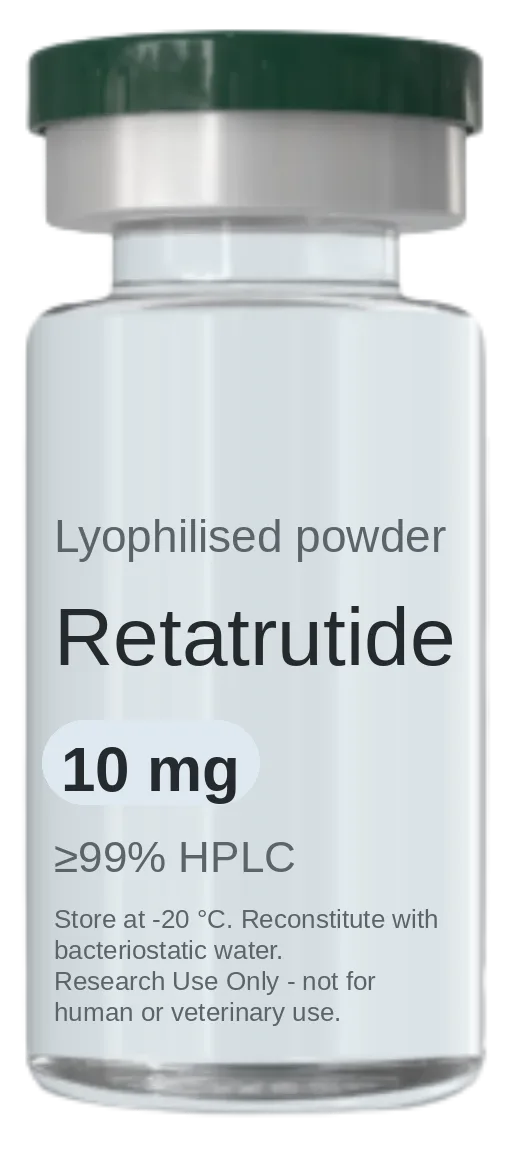
Retatrutide
Triple-agonist metabolic research peptide targeting GLP-1, GIP and glucagon receptors.
- Purity:
- ≥99% HPLC
- Sizes available:
- 10 mg
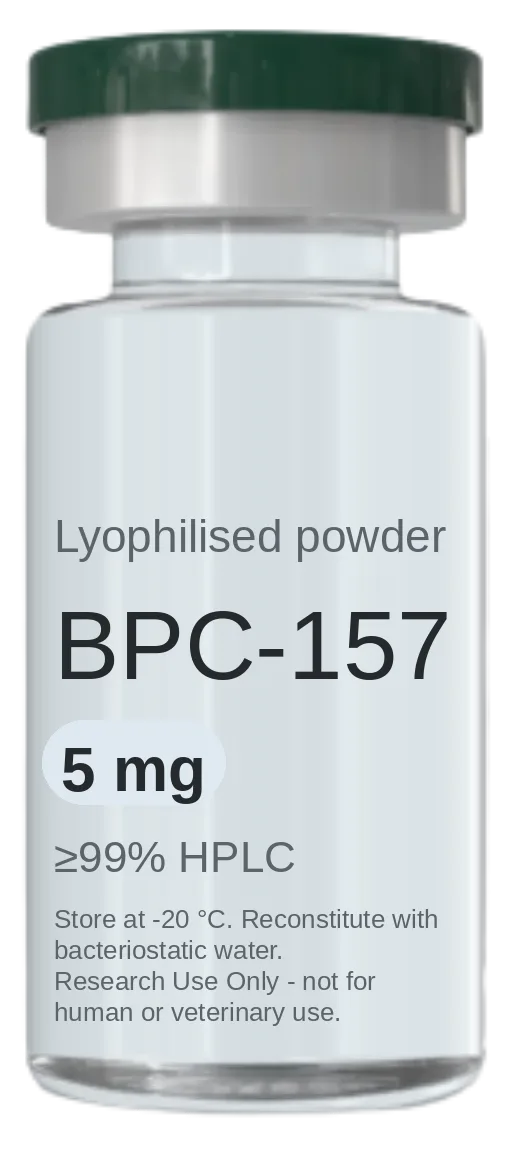
BPC-157 + TB-500
BPC-157 and TB-500 in a single vial — the pairing most studied together in tissue-repair research.
- Purity:
- ≥99% HPLC
- Sizes available:
- 5 mg + 5 mg
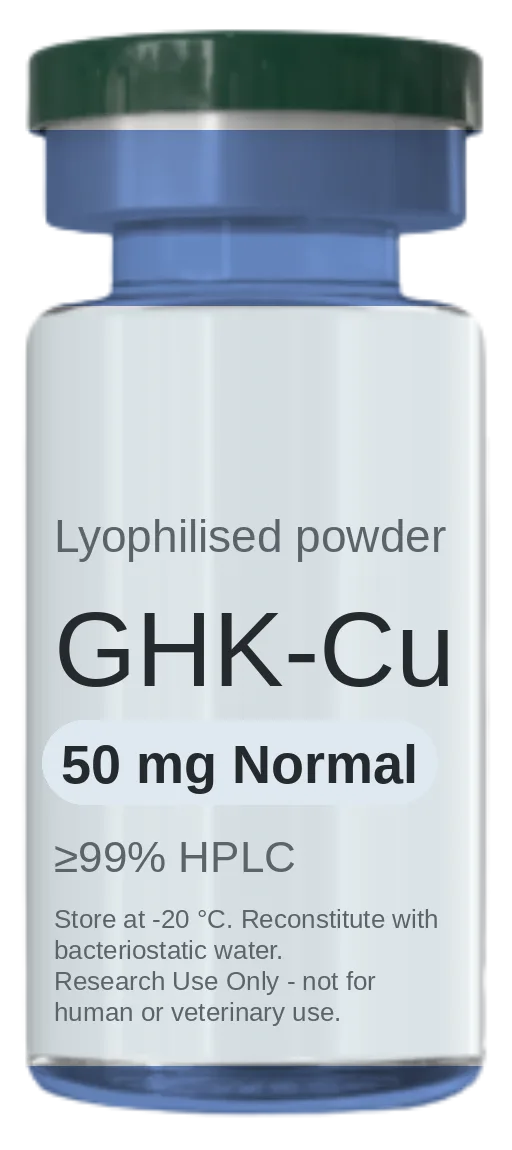
GHK-Cu (Copper Peptide)
Copper-binding tripeptide studied in extracellular matrix and dermal research models.
- Purity:
- ≥99% HPLC
- Sizes available:
- 50 mg Normal – 50 mg Plus
The consultation
One intake that settles goals, history and contraindications alongside compound, quantity, documentation and route — reviewed by a physician before anything ships.
More notes
-
Tesamorelin vs Sermorelin: The Difference
Tesamorelin and sermorelin are both GHRH analogs, but not the same molecule. Here's the structural difference and what the studies on each measure.
-
Peptide Supplier vs. Reseller: What Differs
The real difference is whether someone can name the lab that tested a batch and show the report — or only promise it's pure.
-
MOTS-c or NAD+: What's the Difference
MOTS-c and NAD+ are studied through different mitochondrial pathways; here's what each line of research actually measures.