
Note
Amino Acid Analysis in Research Peptides
Amino acid analysis confirms the residue composition of a research peptide — what the sequence actually contains, independent of HPLC purity.
Amino acid analysis of a research peptide identifies which residues make up the compound and in what molar ratios. It is applied to the finished material, independently of HPLC purity testing, and answers a question that a chromatogram alone cannot: whether the synthesized peptide contains exactly the residues the declared sequence specifies, in the correct proportions.
Why composition matters
A peptide is a chain of amino acids joined by peptide bonds. The sequence of that chain — the order in which residues are linked — determines its three-dimensional structure and, consequently, how it interacts with the biological systems researchers study in vitro.
During synthesis, assembly errors are possible: one amino acid substituted for another with similar physicochemical properties, incomplete coupling at a given cycle, or accidental deletion of a residue. Many of those deviations do not shift the HPLC retention time enough to resolve from the main peak. A sample can read as 99.7% pure on a chromatogram while its elemental composition differs from the compound described. The chromatogram reports the proportion of material eluting at a given time — it does not identify what that material actually is.
Amino acid analysis covers that gap. It does not measure how clean the sample is. It establishes what the sample is made of.
How amino acid analysis works
Three methods are in routine use. In the analytical laboratories that work with research peptides, the first two are the ones that appear on certificates of analysis.
Acid hydrolysis followed by HPLC
This is the classical method, commonly abbreviated AAA. The peptide is hydrolyzed — the peptide bonds are broken — typically with concentrated hydrochloric acid at elevated temperature over several hours. The result is a mixture of the free amino acids that composed the chain.
Those amino acids are then chemically derivatized to make them detectable by the chromatograph and separated by HPLC. The area of each peak is compared against standards of known concentration, yielding the molar ratio of each residue present. The result is expressed as a table: residue, expected quantity based on the theoretical sequence, and found quantity. Agreement within the method's margin of error confirms that the declared composition is correct.
One known limitation: acid hydrolysis destroys tryptophan and converts asparagine to aspartic acid, making those two residues indistinguishable by this route. A complete certificate notes which residues required supplementary methodology and what method was applied.
Mass spectrometry
Mass spectrometry (MS) determines the molecular mass of the peptide with high precision. If the measured mass matches the theoretical mass calculated from the amino acid sequence, that confirms the elemental composition is as declared.
Tandem mass spectrometry (MS/MS) goes further: the molecule is fragmented in a controlled way and the sequence of residues can be read directly from the fragmentation pattern. That makes MS/MS a sequence verification tool, not only a composition tool. For most short-sequence research peptides, mass confirmation by MS combined with classical AAA is sufficient to establish compound identity.
Janoshik Analytical routinely includes molecular mass data in its certificates alongside a verifiable task number. PeptoClinic publishes reports for four compounds on its quality page, with each analysis task identified by number.
Edman degradation
An older sequencing method that removes and identifies amino acids from the N-terminal end of the chain one cycle at a time. It allows residue-by-residue sequence reading but is slow and loses accuracy on longer chains. For most peptides in current research catalogues, MS/MS covers the same function more quickly and with broader reach.
The difference from HPLC purity testing
HPLC purity testing and amino acid analysis are complementary techniques, not equivalent ones.
HPLC purity separates the compound of interest from its impurities by retention time and reports what percentage of the total detected area corresponds to the main peak. A result of 99.893% — the figure Janoshik Analytical reported for the retatrutide lot analyzed on 2026-04-13 — means 99.893% of the detected material elutes at that retention time. It does not distinguish between the correct peptide and a structural analogue that would elute at the same moment.
Amino acid analysis establishes which residues compose that molecule, independently of retention time. The two techniques answer distinct questions: how clean is the sample, and is it the compound the supplier declares. A certificate that includes both offers more verifiable information than one reporting purity alone.
The PeptoClinic catalogue notes the documentation available for each compound.
What to look for in a certificate that includes amino acid analysis
When a certificate of analysis reports amino acid analysis, these are the data points that carry weight.
- The composition table: expected residues versus found residues, expressed as molar ratio or molar percentage. Agreement should be close; a deviation greater than 10% on any single residue warrants an explanation from the laboratory.
- The method stated: acid hydrolysis with HPLC or MS/MS are the most informative. A report that says "amino acid analysis" without specifying the method is less verifiable.
- Residues not reported: if the peptide contains tryptophan and the report does not account for it, the laboratory should indicate what supplementary method was used, or explicitly declare that residue was not quantified by this method.
- The measured molecular mass: if the certificate includes MS data, the found mass can be checked against the theoretical mass calculated by summing the standard masses of each residue in the sequence. Theoretical masses for compounds such as BPC-157 and MOTS-c are published in databases such as UniProt and are publicly verifiable.
Laboratory research material
Everything described on this page concerns analytical characterization techniques for peptides in the context of laboratory research.
The compounds PeptoClinic supplies are research material, strictly for laboratory use — Research Use Only (RUO). They are not medicines, supplements, or foods. None are approved or indicated for human or veterinary use by any regulatory body. PeptoClinic is not a pharmacy, a clinic, or a medical consultancy, and does not write, fill, or require prescriptions. The amino acid analysis techniques described here are quality control tools that researchers apply to verify the identity of compounds used in experimental protocols.
Frequently asked questions
Does amino acid analysis replace HPLC purity testing?
No. The two techniques measure different things. HPLC purity reports what proportion of the material corresponds to the main compound; amino acid analysis confirms what residues that compound is made of. A complete certificate includes both, and a supplier offering both provides more verifiable information than one offering only one.
Which laboratories perform amino acid analysis on research peptides?
Analytical laboratories specializing in peptide chemistry, such as Janoshik Analytical and Bachem Analytics, as well as university laboratories equipped with HPLC and mass spectrometry. The laboratory that performed the analysis should appear on the certificate by name, with a task number and analysis date — those three pieces of information allow direct verification with the laboratory or a search on its verification portal.
Can amino acid analysis detect a peptide with the wrong sequence?
Yes, in most cases. If one amino acid was substituted for a different one, the composition table will show that residue in excess and the expected residue in deficit. MS/MS can go further and confirm the exact order of residues from the molecular fragmentation pattern.
What is the difference between amino acid analysis and sequence analysis?
Classical AAA gives composition — how many of each residue are present — but not the order. Tandem mass spectrometry and Edman degradation allow residue-by-residue sequence reading. For most research peptides, mass confirmation by MS combined with composition by AAA is sufficient to verify compound identity.
Why do some certificates of analysis not include amino acid analysis?
AAA adds cost and time to the analytical process. Some suppliers report only HPLC purity and molecular mass by MS. That does not necessarily indicate poor quality, but it provides less verifiable information. When evaluating a supplier, it is reasonable to ask what techniques their batch documentation covers before placing a request.
How do I verify that the certificate data is genuine?
A valid certificate names the laboratory, the task number, and the analysis date. Those three items allow direct contact with the laboratory or a search on its verification portal. The certificates PeptoClinic publishes on its [quality page](/en/quality/) identify the laboratory and the analysis task for each lot.
Does acid hydrolysis destroy any amino acids?
Yes. Tryptophan degrades almost completely under standard acid hydrolysis conditions, and asparagine converts to aspartic acid, making those two residues indistinguishable by this method. A certificate using classical AAA on a peptide containing tryptophan should indicate what supplementary methodology covered that residue, or explicitly declare it was not quantified by this method.
Does amino acid analysis apply to every compound in the catalogue?
It depends on the lot and the laboratory that performed the synthesis. PeptoClinic publishes available documentation for each compound. For [retatrutide](/en/product/retatrutide/), the Janoshik Analytical report is published with a verifiable task number. For documentation on a specific compound, contact PeptoClinic directly before placing a request.
Compounds mentioned
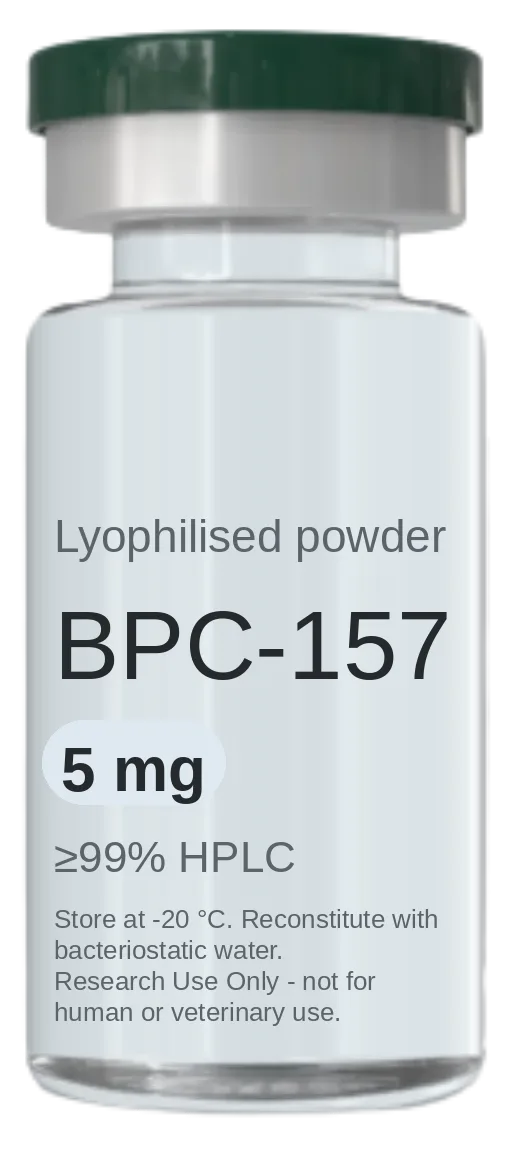
BPC-157 + TB-500
BPC-157 and TB-500 in a single vial — the pairing most studied together in tissue-repair research.
- Purity:
- ≥99% HPLC
- Sizes available:
- 5 mg + 5 mg
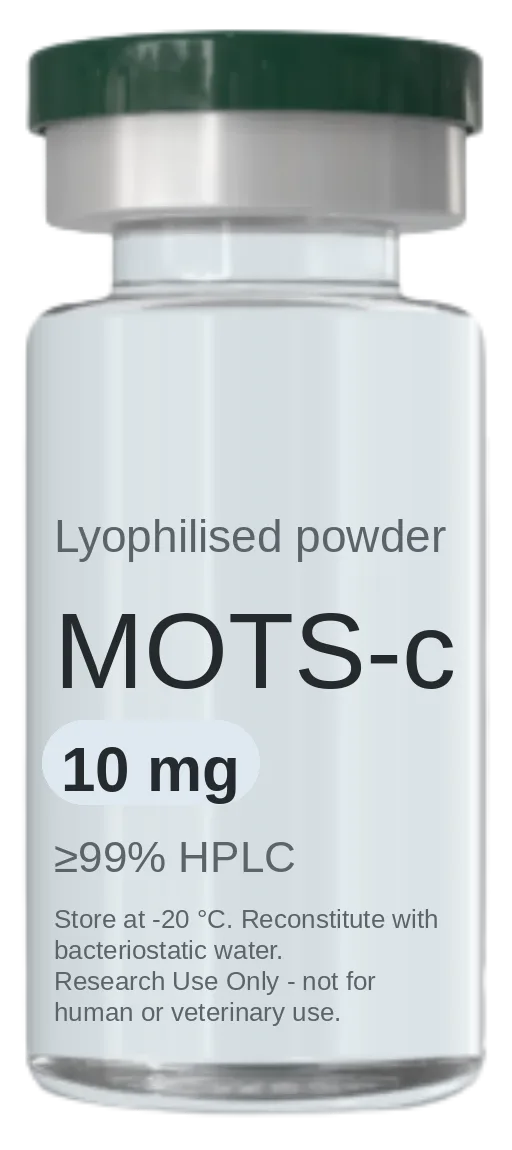
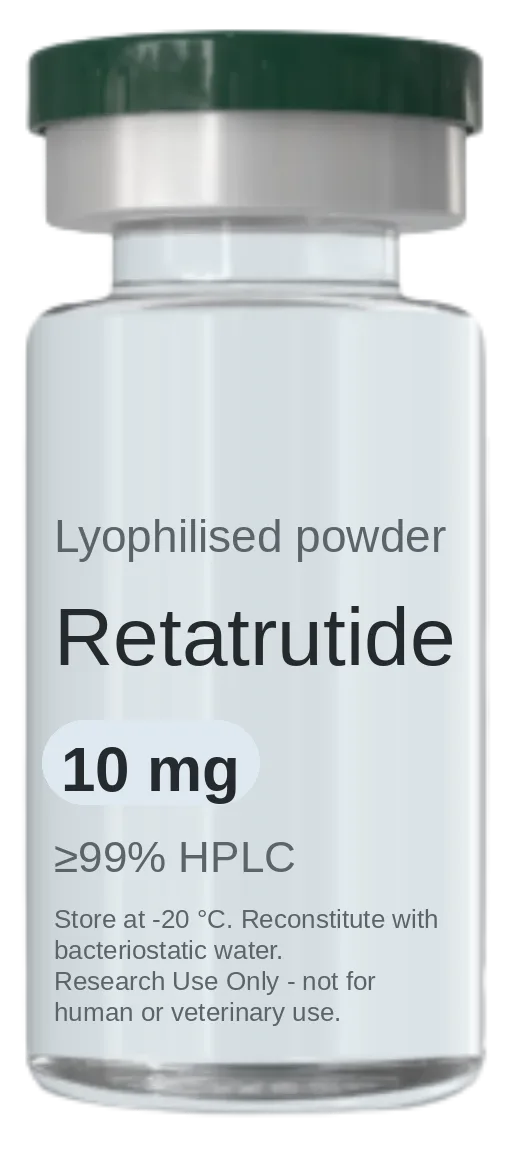
Retatrutide
Triple-agonist metabolic research peptide targeting GLP-1, GIP and glucagon receptors.
- Purity:
- ≥99% HPLC
- Sizes available:
- 10 mg
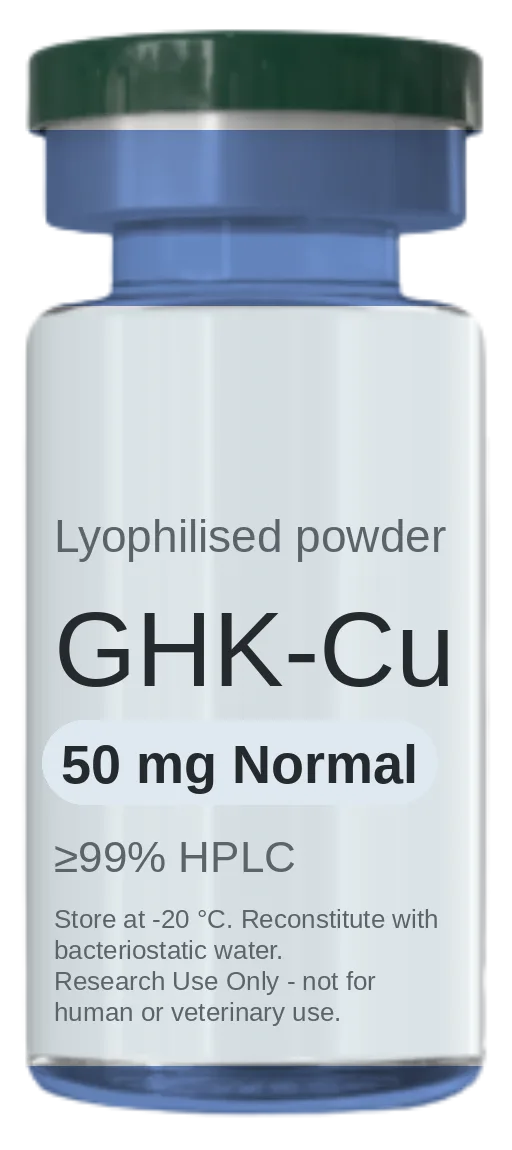
GHK-Cu (Copper Peptide)
Copper-binding tripeptide studied in extracellular matrix and dermal research models.
- Purity:
- ≥99% HPLC
- Sizes available:
- 50 mg Normal – 50 mg Plus
The consultation
One intake that settles goals, history and contraindications alongside compound, quantity, documentation and route — reviewed by a physician before anything ships.
More notes
-
No Certificate of Analysis, No Peptides
What it means when a research peptide supplier can't produce the batch-specific certificate of analysis, and why that gap alone is disqualifying.
-
Bonded Warehouse Deadline Before Abandonment
Argentine customs gives importers roughly 90 days to clear research peptides from bonded storage before the lot is declared abandoned.
-
What Is Argentina's Statistics Fee?
Argentina's statistics fee adds to the cost of importing a research peptide: what it taxes, how it's calculated, and what paperwork matters.