
Note
No Certificate of Analysis, No Peptides
What it means when a research peptide supplier can't produce the batch-specific certificate of analysis, and why that gap alone is disqualifying.
If a supplier can't produce the certificate of analysis (CoA) for the specific batch they're about to ship, the answer is straightforward: there is no way to know what's in that vial, and the conversation should stop there. A CoA isn't a marketing document. It's the record of an independent laboratory running HPLC on that exact batch and signing off on a purity number. Without it, all you have is the seller's word about their own product.
Why the certificate has to match the batch, not the compound
This is the part most buyers skip past. A valid CoA belongs to a batch, not to a compound in the abstract. A supplier having a PDF on their site labeled "Retatrutide — 99.8% purity" says nothing about the vial they're shipping today, unless that PDF carries the batch number that matches what arrives.
PeptoClinic publishes its lab reports with the task number assigned by Janoshik Analytical, the independent laboratory that tests each batch. The Retatrutide report, task 136921, found 99.893% purity against a labeled 10 mg vial that contained 11.96 mg. The MOTS-c report, task 136923, found 99.669% against 11.31 mg of content — and that 99.669% is, out of the four reports PeptoClinic has published, the lowest figure on record. That's worth citing on purpose: a supplier who only ever shows their best historical result is showing what's convenient, not what their actual standard produces batch to batch. You can read how these batches are documented on the quality page.
What it actually means when there's no certificate
When a seller has no CoA for the batch, one or more of these is usually happening:
- The material never went through independent lab testing, and what's being sold is whatever arrived from the manufacturer with no verification added.
- The batch was tested once, but not this batch — what's being shown (or promised) is the certificate for a different lot sold under the same commercial name.
- The supplier buys from a middleman who also doesn't have the document, so the chain breaks before it reaches anyone who actually ran the analysis.
- A certificate exists but can't be verified: no traceable task number on the laboratory's own site, or the named laboratory isn't identifiable at all.
None of these four scenarios is minor, and all four land in the same place for a researcher: a vial of unknown content.
What a real certificate includes
A legitimate certificate carries elements that can be checked without relying on the seller's word:
- The name of the laboratory that ran the test, not a generic acronym.
- A task or order number specific to that HPLC run.
- The labeled weight against the weight found — the kind of detail in "10 mg label, 11.96 mg content" on the Retatrutide report.
- The date of the analysis. A 2024 certificate says nothing about a batch shipping in 2026.
- Ideally, a link or identifier that lets a buyer confirm the result directly on the laboratory's own site, without going through the supplier as the only source.
If any of those five is missing, what's in hand is a PDF with a letterhead, not a certificate.
Does an old certificate for the same compound count?
No. Every synthesis batch can vary, and that variation is exactly what the CoA exists to measure. A supplier offering "the certificate from the last batch we tested" when what's shipping is a different one is using a real document to answer a question it doesn't actually answer. The right question is always: "does this certificate correspond to the vial being shipped to me?" — and the answer has to be verifiable, not a promise.
Why this matters more in Argentina than in other markets
The Argentine research peptide market is supplied, in large part, by sellers with no local presence, no formal import process, and no third-party check before the product arrives. That means the only layer of verification available, in most cases, is whatever layer the supplier chooses to show. If that layer doesn't exist, there's nothing behind it. PeptoClinic supplies research peptides to Argentina with batch-level documentation prepared for researchers who need to audit what they receive, not just trust the shipment. The compounds currently dispatched to destinations including Argentina are listed on the Argentina page, with compound-specific detail available on pages like Retatrutide in Argentina and MOTS-c in Argentina.
A related red flag: a certificate that can't be verified anywhere
There's a subtler version of this problem than a missing CoA altogether: a certificate that exists but names a laboratory with no public site, no searchable task number, or a verification link that simply doesn't load. A certificate like that raises the same question as no certificate at all — who signed this, and how is it confirmed without taking the seller's word for it? A lab report that can't be independently audited only functions as a certificate in appearance.
What to do if an order already arrived without one
If the vial is already on the bench and there's no batch documentation behind it, the honest move is to treat it as uncharacterized material: don't assume a purity figure, don't assume a content figure, and don't use it as though the label guarantees what it says. For the next purchase, asking for the batch-specific CoA before payment — not after shipping — is the filter that separates a serious supplier from the rest. The full catalogue and its documentation standard are on the catalog page, and how the quote process is structured is covered on the about page.
This material is for laboratory research only
Everything quoted under this framework is material supplied strictly for Research Use Only: in vitro and laboratory research. None of it is a medicine, a supplement, or a food. Nothing is approved or intended for human or veterinary consumption, diagnosis, or treatment, and no regulatory body has evaluated these statements. The certificate of analysis discussed in this article documents chemical identity and purity for laboratory research purposes, not a clinical-use specification.
Frequently asked questions
What exactly is a certificate of analysis (CoA)?
It's the report an independent laboratory issues after testing a sample drawn from a specific batch, typically by HPLC, confirming the compound's identity and the purity percentage found relative to the labeled weight.
Can a supplier refuse to show a CoA citing "confidentiality"?
There's no technical reason to withhold a document that certifies the chemical composition of a product already being sold. Confidentiality applies to synthesis processes or commercial information, not to a purity report a buyer needs in order to know what they received.
Does a photo of the certificate sent over chat count?
A photo with no way to check the task number against the issuing laboratory's own site has the same problem as having no certificate: there's no way to confirm it corresponds to the real batch or that it hasn't been altered.
Which laboratories are recognized for this kind of testing?
Several independent laboratories specialize in HPLC analysis of peptides. What matters isn't memorizing a specific name, but that the laboratory is identifiable, has a verifiable public presence, and that the report includes a traceable task number.
Does a certificate of analysis cover every quality concern?
It's the central document for purity and identity, but it doesn't by itself cover transport or storage after the fact. Those are addressed on the [quality page](/en/quality/), which covers how material is packaged and kept stable.
What if the batch number on the vial doesn't match the certificate sent?
That mismatch invalidates the certificate for that specific order. A CoA is only valid for the batch whose number is explicitly printed on the document.
Does a good purity result on one batch guarantee the same purity on future batches from the same supplier?
No. Each synthesis run is a separate production event and can vary. That's why a serious supplier publishes the certificate for each individual batch rather than relying on a single historical document to represent the entire catalogue.
Are shorter-sequence peptides like BPC-157 held to the same standard?
Yes — the principle doesn't change by compound: identity and purity verified per batch through HPLC at an independent laboratory. How a specific compound is documented can be seen on the [BPC-157 product page](/en/product/bpc-157/).
Compounds mentioned
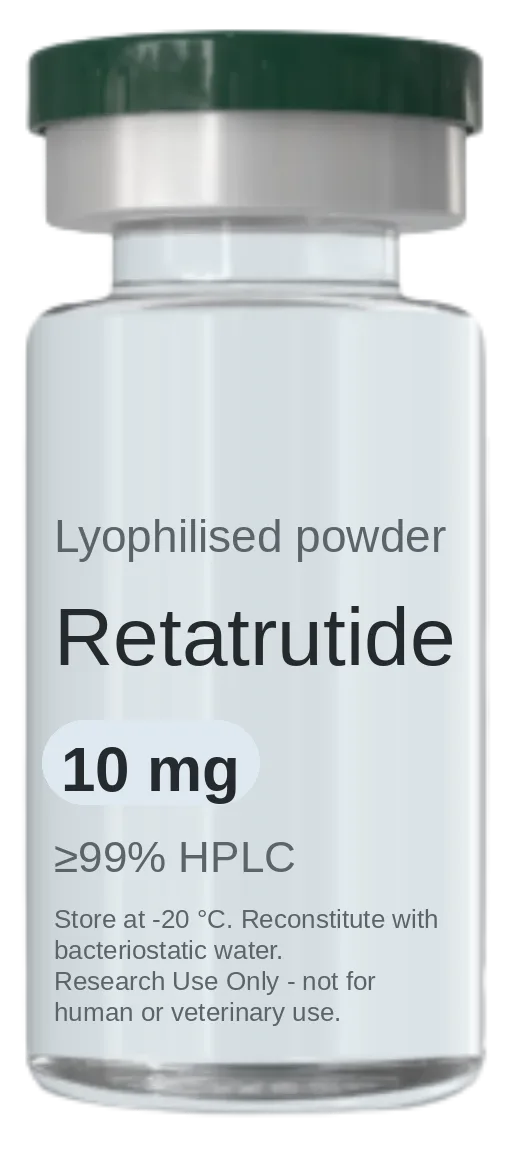
Retatrutide
Triple-agonist metabolic research peptide targeting GLP-1, GIP and glucagon receptors.
- Purity:
- ≥99% HPLC
- Sizes available:
- 10 mg
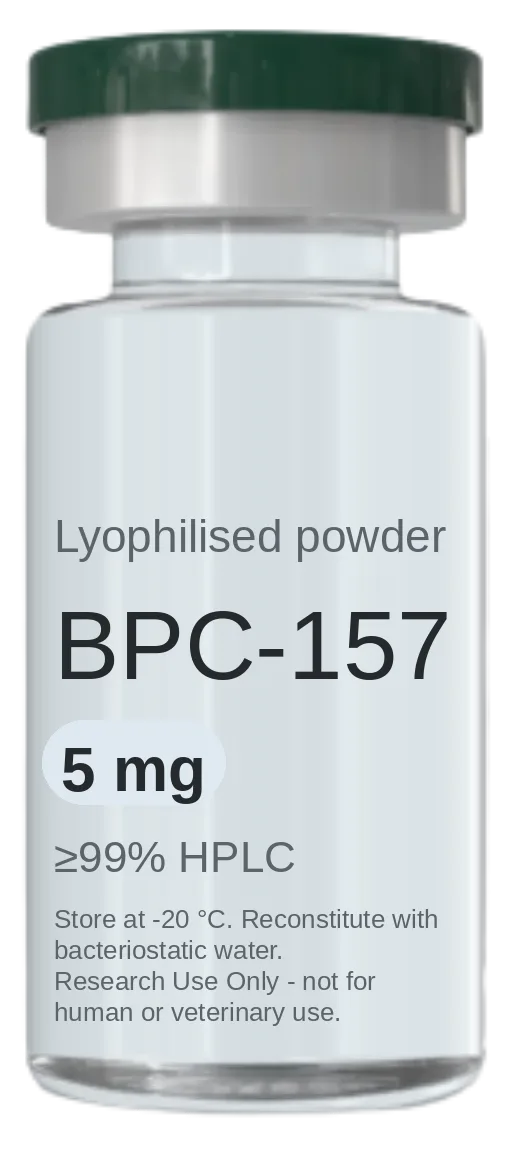
BPC-157 + TB-500
BPC-157 and TB-500 in a single vial — the pairing most studied together in tissue-repair research.
- Purity:
- ≥99% HPLC
- Sizes available:
- 5 mg + 5 mg
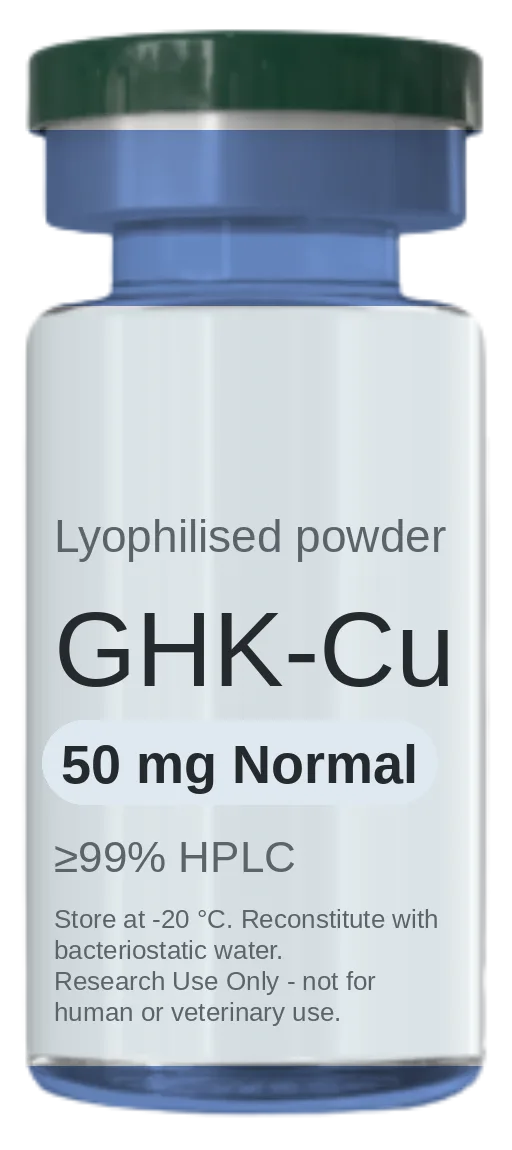
GHK-Cu (Copper Peptide)
Copper-binding tripeptide studied in extracellular matrix and dermal research models.
- Purity:
- ≥99% HPLC
- Sizes available:
- 50 mg Normal – 50 mg Plus
The consultation
One intake that settles goals, history and contraindications alongside compound, quantity, documentation and route — reviewed by a physician before anything ships.
More notes
-
Bonded Warehouse Deadline Before Abandonment
Argentine customs gives importers roughly 90 days to clear research peptides from bonded storage before the lot is declared abandoned.
-
What Is Argentina's Statistics Fee?
Argentina's statistics fee adds to the cost of importing a research peptide: what it taxes, how it's calculated, and what paperwork matters.
-
Thymosin Alpha 1 vs BPC-157: Differences
Thymosin Alpha 1 and BPC-157 study different pathways — immune modulation vs tissue repair. RUO material with a verifiable COA.