
Note
ANMAT Non-Objection Certificate for Peptides
ANMAT's non-objection certificate applies to medicines. Here's why it doesn't apply to research peptides, and what documents actually matter.
No. The non-objection certificate (CNO) issued by ANMAT, Argentina's health regulator, is a procedure built for medicines — products administered to a person or animal for diagnosis, prevention or treatment — and a peptide sold as research material doesn't fall into that category. What does need to travel with the shipment is something else entirely: documentation that identifies the product as what it actually is, a laboratory reagent, not intended for human or veterinary consumption.
What is ANMAT's non-objection certificate?
The CNO exists inside the exception regimes that let someone bring into the country a medicine that isn't registered in Argentina, typically for a specific patient, under prescription, with a physician backing the request. It's the mechanism used by, for example, someone who needs an oncology drug or a hormone that isn't sold locally and that their doctor has prescribed. The procedure is tied to three things: a medical prescription, a product that is unambiguously a medicine (registered somewhere, with a therapeutic indication), and a stated use in an identified person.
None of those three conditions exist when what's being imported is a peptide declared as research material.
Why a research peptide doesn't need that certificate
ANMAT's jurisdiction covers products intended for use in humans or animals. A peptide that is declared, invoiced and labeled as a laboratory reagent — with no therapeutic indication, no prescription, no clinical destination — sits outside that circuit. It enters through the general goods channel, classified as a chemical or laboratory input, the same way any other reagent, antibody, or cell-culture supply that a researcher imports for their lab bench does.
This isn't a gray area resolved by "interpreting" the product: it depends on how it's declared and what it's used for. If someone imports the same peptide with the intent to administer it to a person, the whole framework changes, and the obligations that apply are no longer those of a laboratory input. The compounds PeptoClinic supplies are intended exclusively for in vitro laboratory research, and are not approved for human or veterinary use. No prescription is issued, no guidance on use in people is given, and any request seeking a human administration protocol is declined.
Argentina is a destination this operation ships to, and that's worth stating plainly: material travels to Argentina with the customs file prepared the same way, as laboratory reference material — not as a medicine seeking an exception regime. Retatrutide for Argentina, for instance, is quoted and documented on exactly that basis.
What paperwork actually matters on the shipment
If the non-objection certificate isn't the relevant document, what does carry weight in practice is:
- The commercial invoice, which has to describe the contents as research material and leave no room for ambiguity.
- The certificate of analysis for the batch, signed by the laboratory that ran the purity assay — this is the document that shows exactly what's in the vial, and it's what a serious researcher asks for before accepting a batch.
- The correct tariff classification for the product, which is what customs uses to decide how to handle the package, not an ANMAT stamp that doesn't apply to it.
- Complete sender and recipient details, so the package can be identified unambiguously if it's inspected.
The detail of how an order travels, what packaging it uses, and what happens after it arrives is covered on the shipping page.
What happens when the package reaches Argentine customs
An international shipment of this kind enters through the courier or parcel channel, and can be subject to random inspection like any other package arriving from abroad. What determines whether it clears without delay isn't the presence of an ANMAT procedure that doesn't apply, but whether the documentation matches the contents: the invoice says the same thing that's inside, and that content is classified as what it is. A package declared as research material, with its certificate of analysis attached, is processed like any other laboratory input imported from abroad.
This isn't a legal guarantee or a ruling — each shipment can get its own review, and if an order involves a significant quantity or has particular characteristics, it's worth checking with a customs broker before it ships.
The question repeats compound by compound
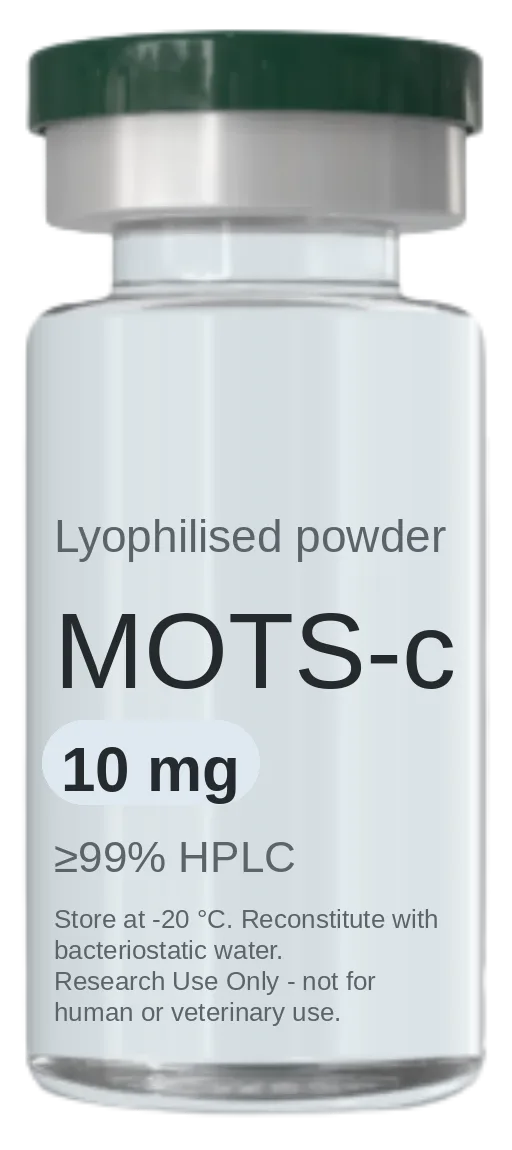
The search for this non-objection certificate comes up over and over tied to specific compounds, not just in general terms. If what interests you specifically is BPC-157 or MOTS-c, the answer doesn't change depending on the peptide: none of these are imported as medicines, so ANMAT's procedure doesn't come into play in any case. What does vary from batch to batch is the purity report that comes with it, and that's what's worth checking before accepting any order, regardless of the compound.
The material is for laboratory research, not consumption
It's worth stating this without qualification: everything quoted under this framework is strictly for research — in vitro and laboratory use — and nothing in the catalogue is a medicine, a supplement, or a food. No claim about these compounds has been evaluated by ANMAT, the FDA, or any equivalent authority, and nothing is approved or intended for human or veterinary consumption or administration. No prescription is issued, no dosing or protocol guidance is given, and any request seeking direction for use in people falls outside what this operation answers.
Anyone who wants to review the full catalogue or understand how each batch is documented can start with the catalogue or the quality page, which explains how to read an actual certificate of analysis instead of trusting an unverifiable stamp.
Frequently asked questions
Does ANMAT intervene at any point when importing research peptides?
It doesn't, because its jurisdiction covers products intended for use in humans or animals, and a peptide declared as research material, with no therapeutic indication or prescription, doesn't fall into that category; the applicable procedure is the general goods one, not the medicines one.
What distinguishes a research peptide from a medicine in the eyes of customs?
The difference isn't in the molecule but in the declaration and the intended use: a medicine is imported with a prescription, a stated use in a person, and a sanitary registration behind it, while a laboratory reagent is declared and invoiced as research input, without any of those three elements.
Does the certificate of analysis (CoA) replace the non-objection certificate?
They aren't equivalent and don't serve the same purpose: the CoA certifies the purity and composition of the batch, signed by an analytical laboratory, while the CNO is a regulatory procedure for medicines. The first is what matters for a research peptide; the second doesn't apply to this kind of product.
Is there any prior procedure required in Argentina before the package arrives?
For material declared as a laboratory reagent, what matters is that the shipment's documentation — invoice, description of contents, and certificate of analysis — is complete and consistent before it ships, not a prior procedure before a health authority.
What happens if customs opens the package?
If the contents match what's declared on the invoice — a research reagent, with its documentation — the package is processed through the usual general goods channel; random inspection is a normal part of international parcel entry and doesn't depend on an ANMAT certificate that doesn't correspond to this kind of product.
Does PeptoClinic handle the non-objection certificate for me?
No, because that certificate applies to medicines and the material quoted here isn't imported under that regime; what is prepared for each order is the research documentation — invoice and certificate of analysis for the batch — which is what actually travels with the shipment.
Does anything change if the order is for a larger quantity?
The underlying regulatory framework — research material, not a medicine — doesn't change based on quantity, but a larger volume tends to draw more attention during customs clearance, so it's worth checking with a broker before confirming a large order.
Where can the purity of an incoming batch be verified?
On the certificate of analysis issued by the laboratory that ran the assay on that specific batch, not on any ANMAT document; how to read that certificate and what to look for in it is explained on the [quality page](/en/quality/).
Compounds mentioned
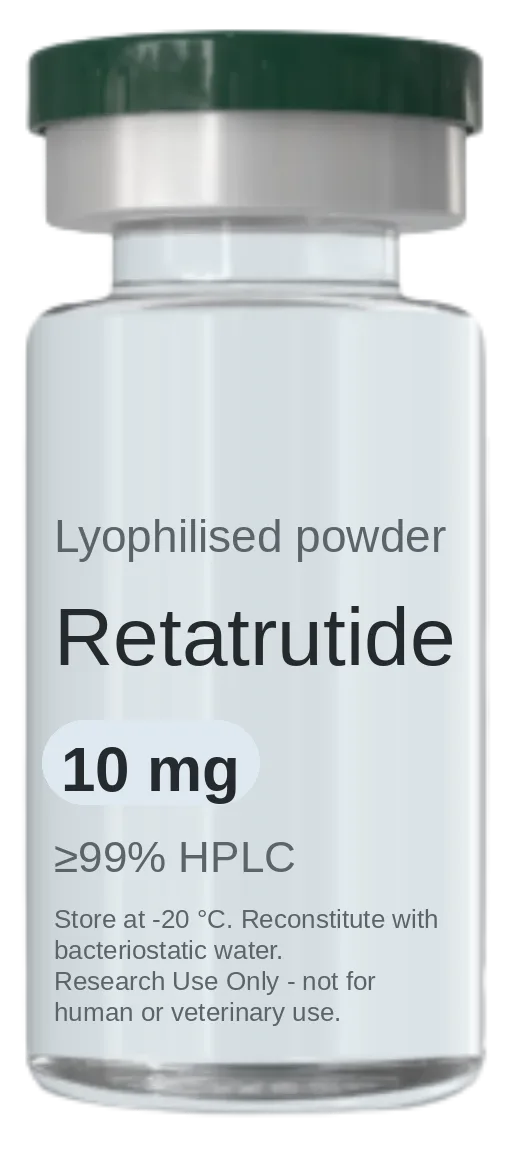
Retatrutide
Triple-agonist metabolic research peptide targeting GLP-1, GIP and glucagon receptors.
- Purity:
- ≥99% HPLC
- Sizes available:
- 10 mg
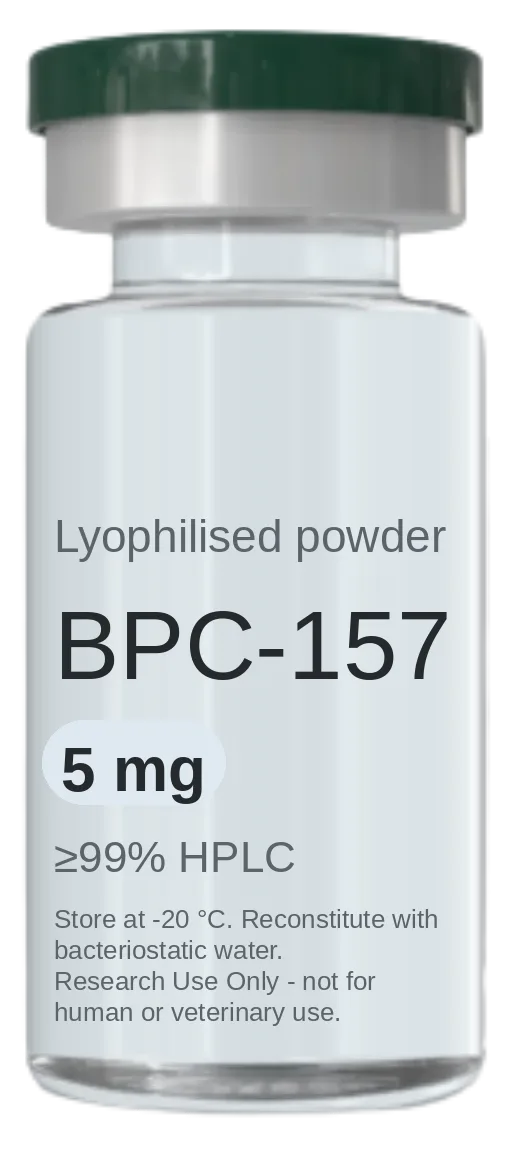
BPC-157 + TB-500
BPC-157 and TB-500 in a single vial — the pairing most studied together in tissue-repair research.
- Purity:
- ≥99% HPLC
- Sizes available:
- 5 mg + 5 mg
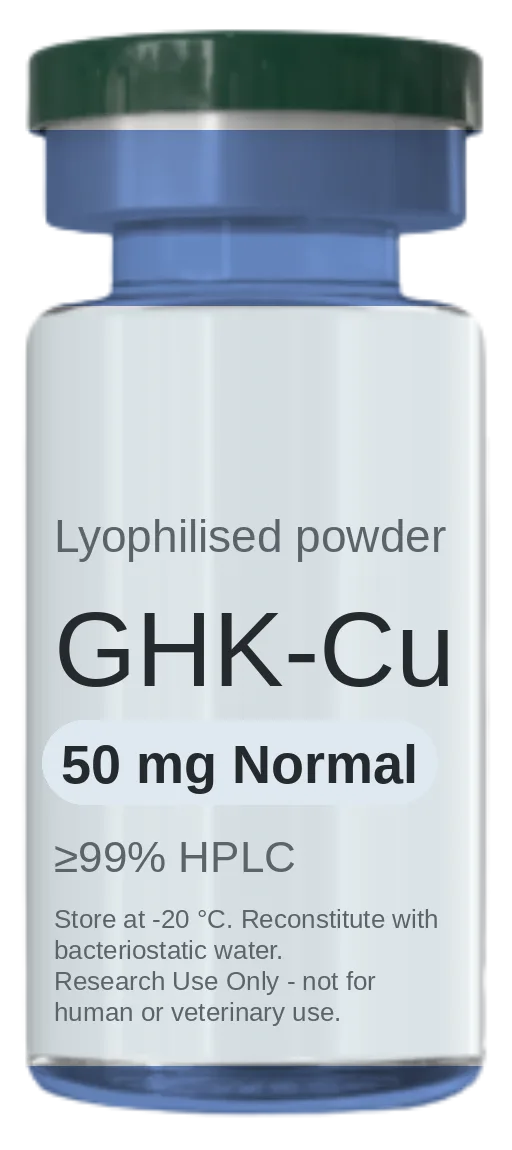
GHK-Cu (Copper Peptide)
Copper-binding tripeptide studied in extracellular matrix and dermal research models.
- Purity:
- ≥99% HPLC
- Sizes available:
- 50 mg Normal – 50 mg Plus
The consultation
One intake that settles goals, history and contraindications alongside compound, quantity, documentation and route — reviewed by a physician before anything ships.
More notes
-
Retatrutide or Semaglutide: Key Differences
Retatrutide is a triple GLP-1/GIP/glucagon agonist; semaglutide activates only GLP-1. How the research literature compares them.
-
Peptide Consigned to a Company in Argentina
What changes at Argentine customs when a research peptide is consigned to a company instead of an individual, and what paperwork ships with it.
-
Retatrutide vs. Tirzepatide: Differences
Retatrutide adds a third receptor that tirzepatide doesn't activate — here's how the two differ in structure, mechanism, and published research.