
Note
Argentina Customs: Weight Mismatch
What Argentine customs does when a research peptide's declared weight doesn't match the shipment, and what paperwork avoids the delay.
When Argentine customs finds that a shipment's declared weight doesn't match its actual contents, it holds the package for physical verification before releasing it — regardless of whether the difference works in the importer's favor or against it. Verification means weighing the box and, if needed, opening it to compare what's inside against the commercial invoice and the stated description of the goods. A research peptide arrives in a lyophilized vial measured in milligrams, so any gap between the declared weight and what the fiscal warehouse's scale shows surfaces immediately — there's no room to round.
Why the check gets triggered
Argentina's customs system (Sistema Informático María, now Malvina) routes every shipment through a channel — green, orange or red — based on the risk profile of the tariff code, the sender, and the shipment itself. A package declaring "laboratory research material" with a weight that doesn't reconcile against the physical weight recorded by the courier or Correo Argentino goes straight to orange or red, which requires documentation and sometimes visual inspection. The gap doesn't need to be large: it only takes the gross weight on the airway bill not matching what the fiscal warehouse's scale shows for the system to request manual verification.
This isn't specific to peptides. It happens with any international shipment where the weight on the commercial invoice and the weight billed by the carrier aren't the same number, which is common when the sender declares only the net weight of the content (the vial) and leaves out the packaging, desiccant, or protective materials.
What happens to the shipment in practice
Once the discrepancy comes up, the package sits in the fiscal warehouse while customs completes verification. The usual steps:
- Control weighing. The customs officer weighs the package and compares it against the airway bill or invoice. Whether the declared gross weight includes packaging is usually the first question.
- Document matching. The description of the goods, the number of units, and the declared net weight get compared against what the commercial invoice states and, if it's included, the batch's certificate of analysis.
- Physical opening, if needed. If document matching doesn't resolve the question, the officer opens the package to confirm the actual contents — how many vials, what labeling they carry, and whether the content's weight matches what was declared.
- Reclassification or a request for clarification. If the difference is explained by a typo or by not adding in the packaging weight, customs typically asks the importer or sender for a clarifying note before releasing the shipment. If it isn't explained, the tariff classification may be revised, or the process can simply stop until the importer files additional documentation.
A shipment isn't lost over a small, explainable weight difference — it's delayed. How much time it adds depends on the fiscal warehouse and on whether the paperwork accompanying the package resolves the question on the first review or requires back-and-forth.
The role of the certificate of analysis and the invoice
The most direct way to keep a mismatched weight from becoming a problem is documentation that describes the contents precisely: number of vials, net weight of each, packaging weight stated separately, and a total that matches what the box actually weighs on the courier's scale before it ships. A certificate of analysis that lists milligram content per vial — like the one Janoshik Analytical issued on a retatrutide batch, showing 11.96 mg of content against a 10 mg label — gives customs a number to check the physical weight against, instead of a generic description.
That's exactly what gets prepared in PeptoClinic's import file for destinations like Argentina: the quote the technical team returns includes batch documentation, and the package is declared as what it is — laboratory reference material — without embellishment or categories that don't apply. A request for retatrutide for Argentina receives that exact documentary preparation before dispatch.
A weight error is not the same as a false declaration
Argentine customs distinguishes — and this matters — between an explainable weight error and a deliberately false declaration. A typo, a weight that doesn't add in the packaging, or a difference of a few grams from humidity or desiccant, gets resolved with a clarifying note and, generally, doesn't trigger a penalty beyond the delay. A declaration that hides the real quantity of goods, that understates value to avoid duties, or that describes contents in a way that doesn't match what's actually in the box, is a different category: there, customs can apply the Customs Code (Ley 22.415), which ranges from seizure of the goods to more severe sanctions if smuggling is established.
The line isn't the size of the difference — it's intent. A weight miscalculated by not adding packaging is a formal error; a weight declared to conceal how much material is actually in the box is something else. That's why the paperwork traveling with the shipment — a commercial invoice with net and gross weight broken out, an exact description of contents — is what separates a process that takes a couple of extra days from one that escalates.
Research material, not for human use
Everything PeptoClinic supplies ships strictly as Research Use Only (RUO): material for laboratory and in vitro research. Nothing in the catalog is a medicine, a supplement, or a product intended for human or veterinary consumption, and none of its properties have been evaluated by ANMAT, the FDA, or any equivalent authority. The documentation traveling with every shipment describes the contents in those terms, which is also what customs expects to find when it checks the declaration against the physical package.
What to do if your shipment is held over a weight difference
If a package with research material gets stopped in the fiscal warehouse over a weight discrepancy, the first move is to ask the sender for the detailed commercial invoice, with net and gross weight broken out, and the batch's certificate of analysis if one is available. That's the document customs needs to close the verification without opening the package. If the courier or the customs broker asks for a clarifying note, it should ideally come from whoever prepared the shipment, since they know exactly how the declared weight was built (vial plus packaging, or contents alone).
Before sending any inquiry, it's worth checking how the material actually travels: it ships as lyophilized powder in a sealed vial, with no cold chain, because in that form it's stable at room temperature for weeks. That's also useful information for explaining, if needed, why the package doesn't carry refrigerant or thermal packaging that would add undeclared weight.
Frequently asked questions
Does Argentine customs destroy a shipment if the weight doesn't match?
No, unless the difference is part of a false declaration or involves goods that aren't admissible. A weight difference explained by packaging or a typo gets resolved through document review or a clarifying note, and the shipment continues through the normal process.
How long does a weight-discrepancy verification take?
It depends on the fiscal warehouse and on whether the paperwork resolves the question on the first review. When the invoice and the certificate of analysis match what the package weighs, the process moves faster than when a clarification has to be requested from the sender.
What documentation prevents the discrepancy from coming up at all?
A commercial invoice that separates the net weight of the contents from the gross weight of the full package, plus a description of contents that matches the batch's certificate of analysis, if there is one. When those numbers line up, the fiscal warehouse's scale doesn't produce surprises.
Is a weight error the same as understating the contents?
No. A weight error from not adding in packaging is a formal issue that gets clarified with a note. Understating quantity or value to avoid duties is a different category under the Customs Code, with consequences ranging from seizure to more serious sanctions.
Does research material need a special tariff classification?
The tariff code depends on the exact description of the product and its form (lyophilized powder, quantity per vial). That's why the documentation accompanying the shipment needs to describe the contents precisely, rather than using a generic category that doesn't apply.
Why doesn't the package travel in a cold chain if it's a sensitive product?
Because in lyophilized powder form the material is stable at room temperature for weeks; a cold chain only becomes necessary after the vial is reconstituted, which happens at the destination laboratory, not during transit.
What if the courier declared the weight incorrectly without my knowledge?
Customs usually requests the clarification from whoever is listed as the importer on the airway bill, so it helps to have the sender's original commercial invoice on hand to respond quickly. That's why PeptoClinic prepares that file before dispatching any order to Argentina.
Is this process different for each compound in the catalog?
The customs process is the same for any research peptide shipped as reference material, whether it's [BPC-157](/en/product/bpc-157/), [GHK-Cu](/en/product/ghk-cu/) or [MOTS-c](/en/product/mots-c/): what changes is the net weight declared per vial, which needs to match the certificate of analysis for that specific batch.
Compounds mentioned
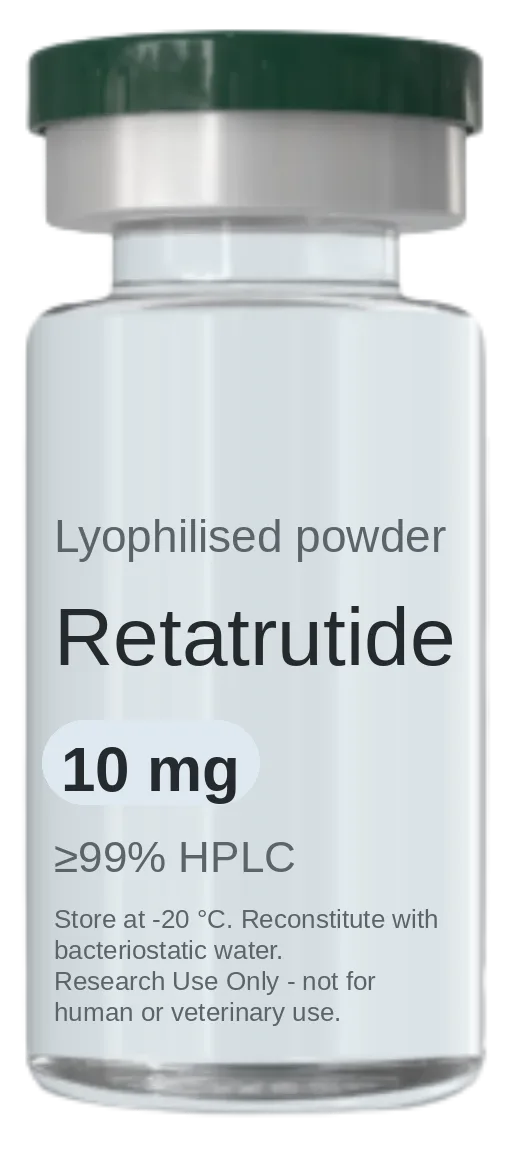
Retatrutide
Triple-agonist metabolic research peptide targeting GLP-1, GIP and glucagon receptors.
- Purity:
- ≥99% HPLC
- Sizes available:
- 10 mg
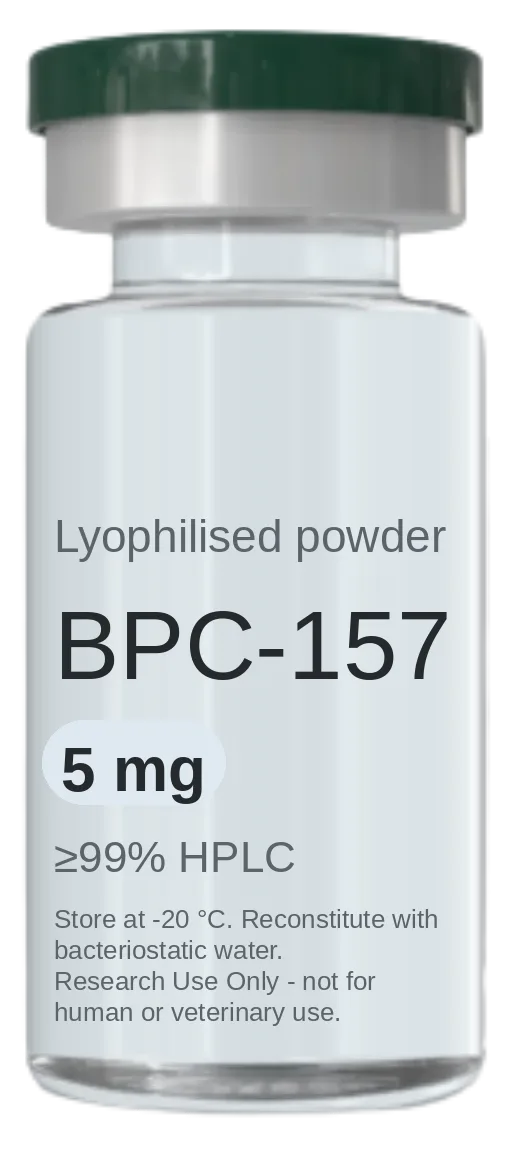
BPC-157 + TB-500
BPC-157 and TB-500 in a single vial — the pairing most studied together in tissue-repair research.
- Purity:
- ≥99% HPLC
- Sizes available:
- 5 mg + 5 mg
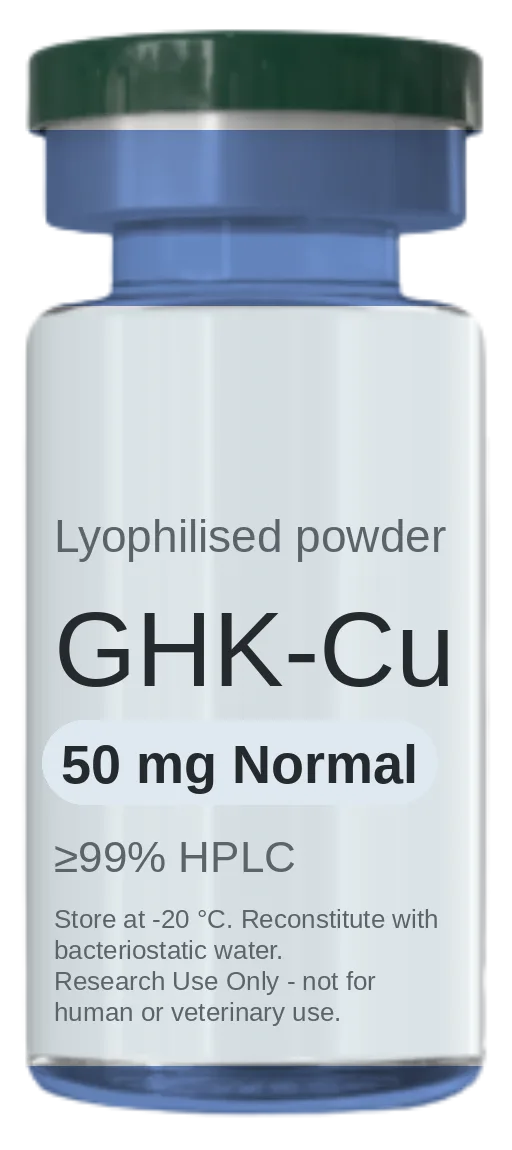
GHK-Cu (Copper Peptide)
Copper-binding tripeptide studied in extracellular matrix and dermal research models.
- Purity:
- ≥99% HPLC
- Sizes available:
- 50 mg Normal – 50 mg Plus
The consultation
One intake that settles goals, history and contraindications alongside compound, quantity, documentation and route — reviewed by a physician before anything ships.
More notes
-
Temporary Import Regime & Peptides
Temporary import covers goods that leave the country again; a research peptide shipment stays and gets used up.
-
Retatrutide vs GHK-Cu: What's the Difference
Retatrutide and GHK-Cu are different molecules studied for different reasons. Here's what each investigates and what documentation backs a batch.
-
Invoiced vs. Unbilled Peptide Suppliers
What changes when a research peptide supplier invoices the transaction versus one that takes payment and leaves no paper trail.