
Note
Invoiced vs. Unbilled Peptide Suppliers
What changes when a research peptide supplier invoices the transaction versus one that takes payment and leaves no paper trail.
A supplier that invoices the transaction leaves a document with a registered business name, a description of what was sold, and a number that can be traced back later. A supplier that doesn't invoice leaves a bank transfer or a cash payment with no paper behind it, and if something goes wrong — the batch doesn't arrive, the purity doesn't match what was promised, customs holds the shipment — there is nothing written to point to. This isn't an administrative footnote. It's the difference between being able to reconstruct exactly what you bought and from whom, or not being able to at all.
What "invoicing the transaction" actually means
Invoicing means there is an identifiable entity behind the sale: a registered business name, an operating address, a formal point of contact. That entity is entering a traceable commercial relationship with the buyer, not an anonymous transaction. When PeptoClinic quotes an order, the quote is tied to that specific request — which compound, what quantity, what batch documentation travels with the shipment. It's the difference between "I paid a username on Instagram" and "I have a document that states what I bought, from whom, and when."
This has nothing to do with the size of the seller. A one-person operation can invoice perfectly well. What matters is whether there's a paper record that survives past a WhatsApp thread that can be deleted at any moment.
What you're really buying when there's no invoice
When a transaction happens with no invoice, what's being bought isn't just the vial — it's the word of a person who might never answer again. There is:
- No named entity to contact if the vial's contents don't match the label.
- No record of which compound and which batch was actually sold, beyond whatever the seller decides to say in chat.
- No obligation to produce a lab report, because there's no formal relationship requiring one.
This shows up most clearly with compounds that carry heavy informal demand in the Argentine market, like retatrutide. Sellers operate through social media with no paperwork at all, and the buyer ends up trusting a screenshot of a supposed certificate that has no verifiable link to the vial that actually arrived. The retatrutide page for Argentina explains what documentation should accompany a real quote for this compound, and what published laboratory report exists on it.
Traceability breaks before it reaches the batch
A supplier that invoices has to be able to say, at some point in its process, where what it sold came from. Not as an abstract obligation — invoicing a sale without being able to identify the origin of the product is maintaining an accounting fiction that collapses under the first audit or the first serious complaint.
A supplier that doesn't invoice carries no such pressure. It can sell the same product today from one source and tomorrow from another, with nobody — not the buyer, not any authority — able to reconstruct the chain. If the vial that arrives doesn't correspond to the batch shown in an Instagram photo, there is no document against which to check that claim.
This connects directly to the purity question. Independent analysis reports — like the ones Janoshik Analytical publishes on specific batches — have value because they're tied to an identified batch, not to a generic promise of "99% pure" repeated in every sales conversation. A report with no associated batch number certifies nothing about the vial in your hand; at best, it certifies something about a different vial. The quality page on this site explains how to read a certificate of analysis and what to check before assuming it matches what you're actually buying.
Documentation that should accompany an order
Regardless of the compound, a formal transaction should leave, at minimum, these identifiable elements:
- A written quote specifying compound, quantity, and format.
- A record of the transaction — an invoice or equivalent — with an identifiable business name attached.
- Batch documentation tied to the specific shipment, not a generic report recycled for every sale.
- A customs file prepared for import as laboratory reference material, not an ambiguous or missing declaration.
None of these points alone guarantees the material is what it claims to be. What they do guarantee is that, if something doesn't match, there's a paper trail to go back to. That's what separates a research supplier from an opportunistic seller.
What happens at customs with an unpapered shipment
An international shipment with no commercial document behind it — no invoice, no description of contents, no classification as laboratory reference material — is a shipment customs has no predictable way to process. It can be delayed, held, or lost with no possible recourse, because there's no paper proving the package was yours or that it contained what it claimed to contain.
When the transaction is invoiced, the shipment travels with a commercial description consistent with what it actually is: research material, not a consumer product. The shipping page describes how material travels and what documentation accompanies it to the destinations PeptoClinic quotes to, including Argentina.
How the difference shows up in practice
In practice, the gap between the two models appears the moment something doesn't go as expected. With an invoicing supplier, that moment has a path: there's someone to write to with a transaction reference, an entity that stands behind what it sold. With a supplier that doesn't invoice, that same moment usually ends in silence, because there's no obligation — commercial or legal — holding up a response.
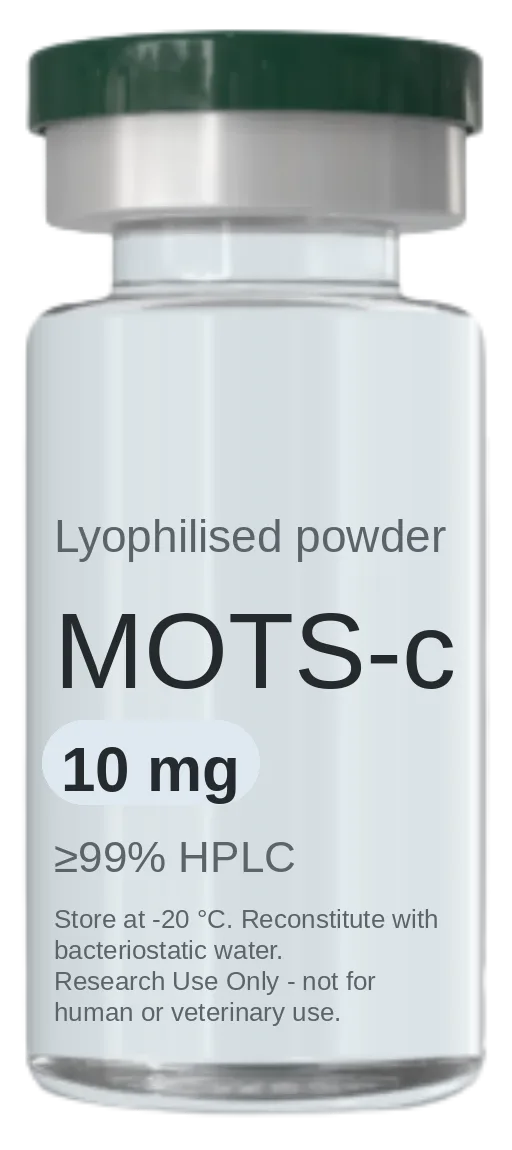
This also shows up in catalogue consistency. A formal supplier maintains a stable catalogue, with the same specifications every time the same compound is quoted. An informal seller switches product, source, and story depending on what's available that week, because there's no record forcing consistency. The same pattern shows up with MOTS-c and BPC-157, two compounds where informal demand in Argentina is high and paperwork is frequently absent entirely.
This is laboratory research material, not a consumer product
Everything quoted on this site is supplied strictly for Research Use Only (RUO): in vitro and laboratory research. Nothing in the catalogue is a medicine, a supplement, or a food, and nothing is approved or intended for human or veterinary consumption, diagnosis, or treatment. No claims here have been evaluated by the FDA, ANMAT, or any equivalent authority. No prescription is written or filled, and no dosing, administration, or protocol guidance is provided.
Frequently asked questions
Does an invoice guarantee the peptide has the purity it claims?
Not on its own. An invoice guarantees there's an identifiable entity behind the sale and a record of the transaction; purity is certified by an independent laboratory report tied to the specific batch, like the ones [Janoshik Analytical](https://www.janoshik.com/) publishes. Both things are necessary, and neither substitutes for the other.
Why do some sellers prefer not to invoice?
Invoicing requires maintaining a stable commercial identity and being able to answer for what was sold. Operating without an invoice avoids that exposure: if something goes wrong, there's no paper tying the seller to that specific sale.
Is a certificate of analysis useful if it isn't tied to an identified batch?
It's useful as a general reference for the compound, but it certifies nothing about the specific vial received. A certificate with no batch number attached can be recycled for any sale, regardless of what the shipment actually contains.
Does it matter if an invoicing supplier operates from a different country?
What matters isn't the country of origin but whether there's an identifiable entity and consistent documentation accompanying the transaction and the shipment, including the customs file prepared for import as laboratory reference material.
How can a buyer tell if a shipment's customs file is properly prepared?
It should describe the contents consistently with what they actually are: research material, not a consumer product, with the corresponding commercial documentation attached. A shipment with no commercial description at all tends to run into the most problems on arrival.
What should a buyer ask for before paying?
A written quote with order detail, a record of the transaction with an identifiable business name, and batch documentation tied to the specific shipment. If a seller can't offer any of the three, that absence is itself information.
Does this apply to every compound equally?
Yes — it applies to the commercial transaction itself, regardless of compound. Compounds with high informal demand in Argentina, like MOTS-c or BPC-157, tend to attract more sellers with no paperwork at all, precisely because demand is high and verification is low.
Does the lack of an invoice affect only the buyer, or the shipment too?
Both. Without commercial documentation, the buyer has no one to raise a complaint with, and the shipment itself is more exposed to delays or holds at customs for lacking a consistent commercial description to back it up.
Compounds mentioned
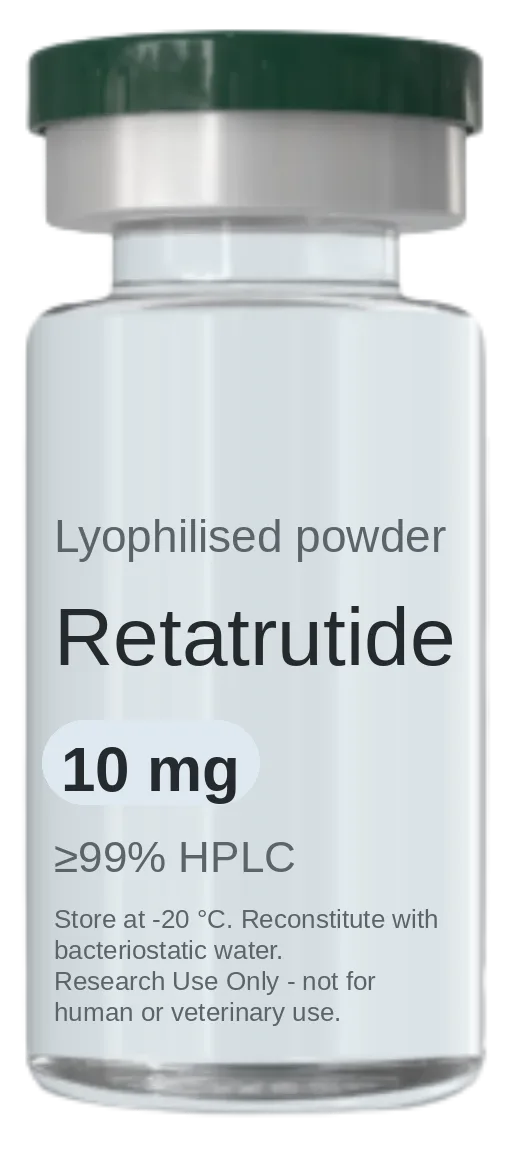
Retatrutide
Triple-agonist metabolic research peptide targeting GLP-1, GIP and glucagon receptors.
- Purity:
- ≥99% HPLC
- Sizes available:
- 10 mg
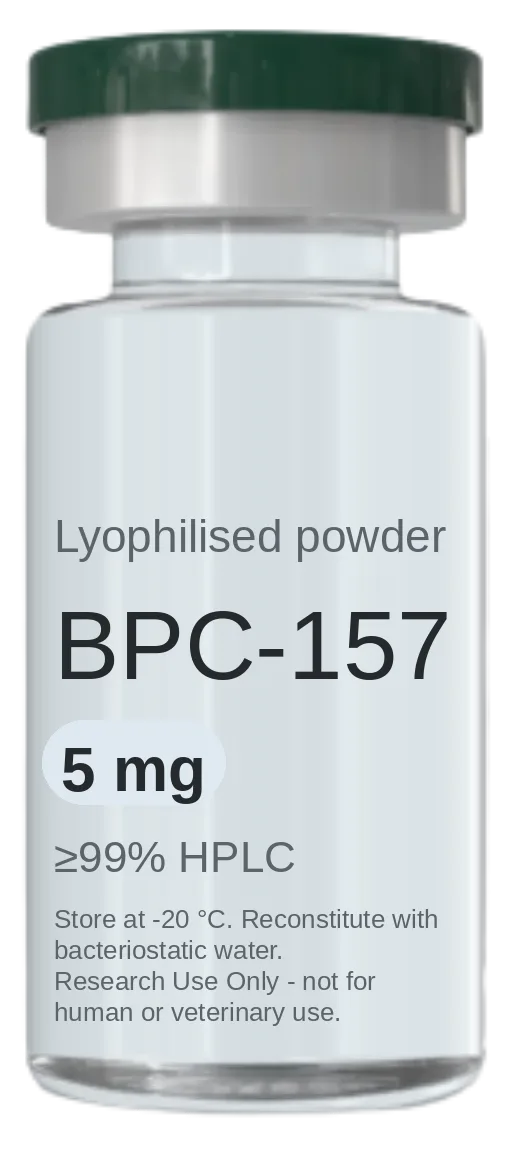
BPC-157 + TB-500
BPC-157 and TB-500 in a single vial — the pairing most studied together in tissue-repair research.
- Purity:
- ≥99% HPLC
- Sizes available:
- 5 mg + 5 mg
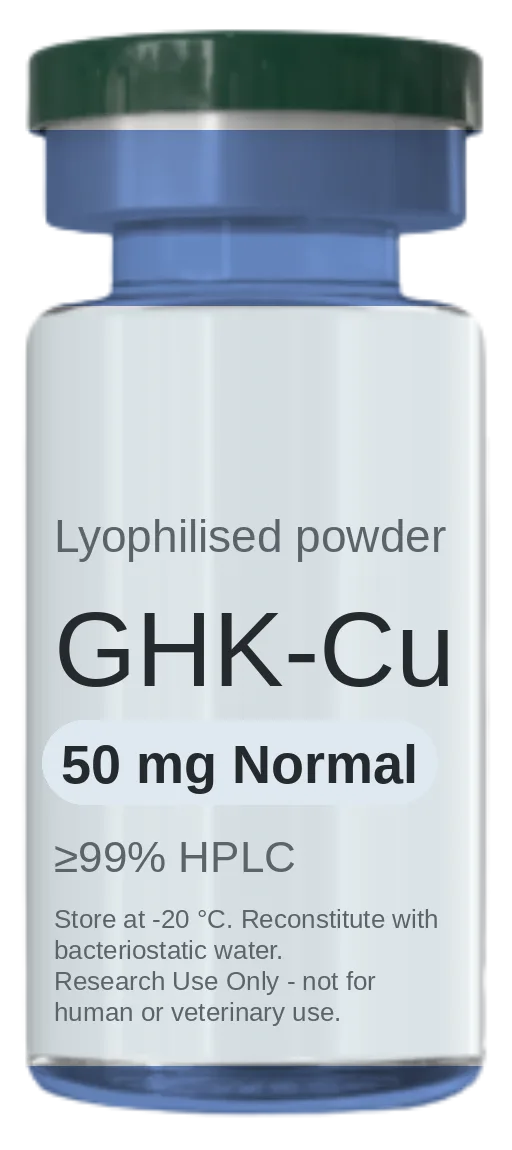
GHK-Cu (Copper Peptide)
Copper-binding tripeptide studied in extracellular matrix and dermal research models.
- Purity:
- ≥99% HPLC
- Sizes available:
- 50 mg Normal – 50 mg Plus
The consultation
One intake that settles goals, history and contraindications alongside compound, quantity, documentation and route — reviewed by a physician before anything ships.
More notes
-
Temporary Import Regime & Peptides
Temporary import covers goods that leave the country again; a research peptide shipment stays and gets used up.
-
Retatrutide vs GHK-Cu: What's the Difference
Retatrutide and GHK-Cu are different molecules studied for different reasons. Here's what each investigates and what documentation backs a batch.
-
Do You Apostille a Certificate of Analysis?
No — a lab's certificate of analysis isn't a public document, so it doesn't get apostilled to import a research peptide into Argentina.