
Note
Peptide by Unit vs Full Batch
What changes between ordering a single research peptide vial and quoting a full batch, and which documentation comes with each.
The real difference is not price. It is documentation. A single-unit order delivers one vial with its own label and, when the supplier publishes lab reports, a reference back to the batch it came from. A full-batch order carries that same traceability at a scale built for a sustained research program, with one certificate of analysis covering every vial manufactured in that production run.
What Exactly Is a "Batch"
A batch (or lot) is the quantity of lyophilized peptide a laboratory synthesizes and purifies in a single production run. That run produces N vials, and all of them share the same purity, because they all came from the same powder. The certificate of analysis (CoA) attached to the batch describes that specific run: it is not a historical average from the supplier, it is the result of testing a representative sample of that exact lot.
This matters because buying "by unit" means, in practice, buying a fragment of a batch that already exists. The vial that arrives does not carry its own independent analysis — it inherits the analysis of the full batch. Buying "by lot" means quoting the entire run, or a large portion of it, before, during, or immediately after the laboratory tests it.
Buying by Unit: What Changes in Practice
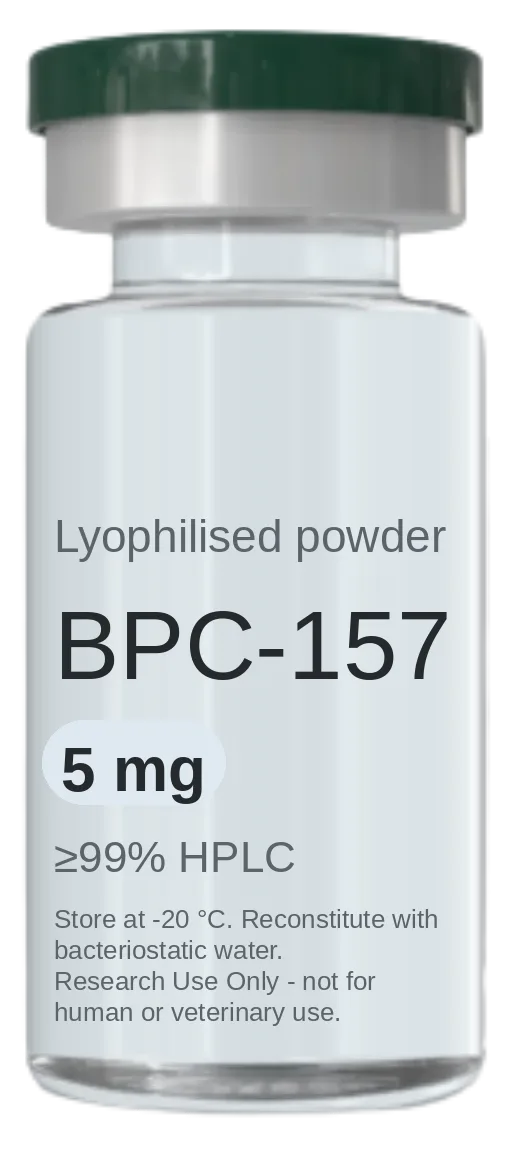
Ordering a single vial — of retatrutide, of BPC-157, of any compound in the catalog — is the usual route when a lab needs to validate a new compound, run a pilot test, or confirm an assay works before scaling it up. PeptoClinic quotes every order: there is no cart and no published price, so the first step is always describing which compound and which quantity the research needs.
What a single-unit order includes:
- The vial, labeled with its batch number.
- Access to the certificate of analysis for the originating batch, when the supplier publishes one.
- The same purity as any other vial from that run, because there is no fractionation after filling.
What does not change by ordering one vial at a time: the vial is not "less pure" or "less traceable" than one bought as part of a full batch. Purity is set by the laboratory during synthesis, not by order size.
Buying a Full Batch: What Changes in Practice
Quoting an entire batch makes sense when research volume is steady: a program repeating the same assay across a series, a group that needs to reserve enough quantity to avoid re-ordering every week, or a buyer who wants a single batch number tied to an entire research campaign.
The concrete operational difference is this: buying a full batch means all the vials from that run — and the certificate describing it — are associated with one order. There is no ambiguity about whether two vials used in separate experiments came from different runs with different purities. For a protocol that depends on reproducibility across test rounds, that is exactly what is needed.
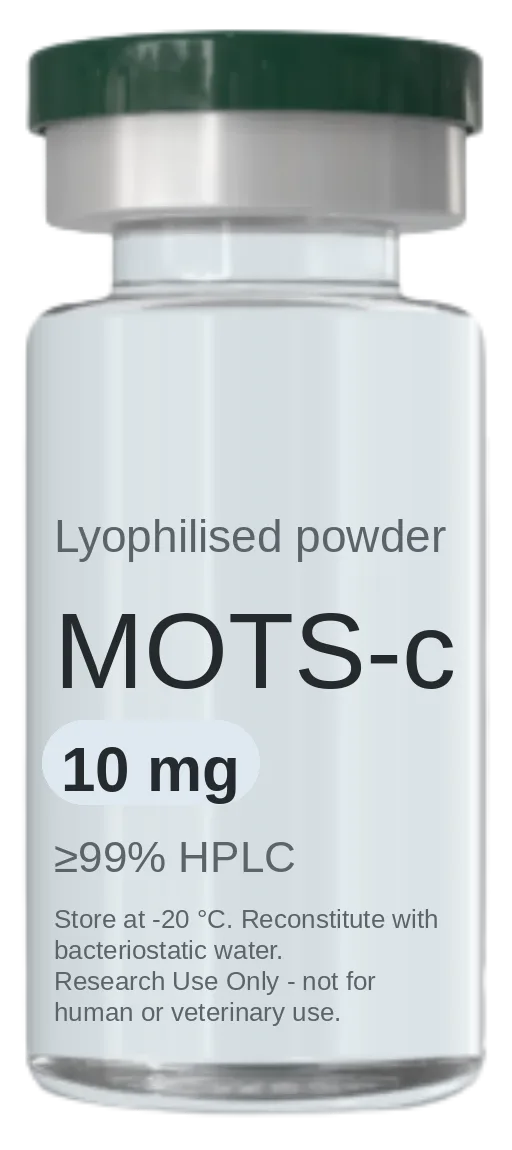
The Janoshik Analytical report on MOTS-c found a purity of 99.669% in the batch tested on April 13, 2026 — the lowest figure among the four reports PeptoClinic currently publishes, and the one worth quoting instead of the best case, precisely because it describes the real floor rather than a best-case outcome. That number describes one batch, not a blanket guarantee: the next batch synthesized will carry its own assay with its own result.
Traceability Is the Same Question Either Way
Whether a buyer quotes one vial or a full batch, the question a technical buyer should ask is identical: what document describes this specific sample? A seal, a logo, or the word "pure" on a page is not a document. A certificate of analysis with a date, the name of the laboratory that signed it, and a working verification link is.
PeptoClinic publishes those certificates. Two of the four reports — on retatrutide and on MOTS-c — carry a working verification link to Janoshik Analytical; the other two show the laboratory's task number but no working link at this time. The correct way to read that is to request the document rather than assume it. The same applies when buying by unit or by batch: order size does not replace the question about paperwork.
What to Ask a Supplier Before Deciding
Before choosing between unit and batch, there is information a serious supplier should be able to provide without being pressed:
- The specific batch number the vial, or vials, being received actually came from.
- The certificate of analysis for that batch, with a test date and the laboratory that signed it.
- If the certificate has a verification link, confirmation that the link resolves to something real rather than a broken page.
- For compounds like BPC-157 or CJC-1295 No DAC, whether the published report matches the exact batch being quoted or an earlier reference lot.
If a supplier cannot name the laboratory that ran the test, there is no certificate to show.
How the Order Ships, Either Way
Material ships as lyophilized powder in a sealed vial, protected from light, with a desiccant inside. It does not travel in a cold chain: lyophilized powder is stable at room temperature for weeks, so the box carries no coolant, no gel pack, and no temperature logger. Cold matters after reconstitution, when the resulting solution does require 2–8°C storage and is used within 30 to 60 days. That holds whether the order is a single vial or a full batch — what changes is quantity, not packaging.
For destinations such as Argentina, the order — unit or batch — is prepared with the customs documentation that applies to laboratory reference material. PeptoClinic quotes shipments to Argentina along with nine other destinations across the region and the United States. Details on how packaging and storage work are covered on the shipping page.
Research Use Only
Everything PeptoClinic quotes is Research Use Only (RUO) material: for laboratory and in vitro research use. Nothing described on this page is a drug, a supplement, or a food. It is not approved for human or veterinary consumption, diagnosis, or treatment, and no regulatory body — the FDA, ANMAT, or an equivalent authority — has evaluated these statements. PeptoClinic is not a pharmacy, a clinic, or a telehealth provider, and does not issue dosing, administration, or protocol guidance. More on how reports are produced and verified is on the quality page.
Frequently asked questions
Is a vial bought as a single unit less pure than one bought as part of a batch?
No. Purity is set by the laboratory when it synthesizes the full batch, before it is fractioned into vials. A single vial comes from the same powder as every other vial in that run, so it shares the same test result.
What should I order if I don't yet know how much I'll need?
A single-unit order is a reasonable starting point to validate a compound or run a pilot test. Scaling up to a full batch makes sense once research volume becomes predictable and the program needs traceability reserved under one batch number.
Does the certificate of analysis cover one vial or the whole batch?
It covers the whole batch. The laboratory tests a representative sample from that production run, and the result applies to every vial that came out of it, whether purchased one at a time or together.
What happens if two different batches show different purity results?
That can happen, because each batch is an independent synthesis. This is why it matters to request the batch number and the certificate tied to that specific order, rather than assuming a previously published result describes the batch being quoted today.
Is there a minimum order size to quote a full batch?
PeptoClinic does not publish prices or minimums: every order is quoted based on the compound, the quantity, and the destination. The way to find out is to describe the specific research need and wait for the quote, normally within one business day.
Does shipping change if I order a full batch instead of a single vial?
The packaging is the same type of shipment — a sealed vial, no cold chain — regardless of quantity. What changes is the size of the package, and for destinations such as Argentina, the customs paperwork is adjusted to the actual declared quantity.
Can I request that the certificate of analysis match my own batch rather than a generic one?
Yes, and it is the right question to ask before confirming any order. The batch number listed on the certificate should be requested to match the physical batch being received, not a historical report from an earlier run.
Does every compound in the catalog have a published certificate?
Not all of them: PeptoClinic currently publishes four reports from Janoshik Analytical, covering retatrutide, MOTS-c, GHK-Cu, and the BPC-157 plus TB-500 combination. For the rest of the [catalog](/en/catalog/), the available documentation can be requested when quoting.
Compounds mentioned
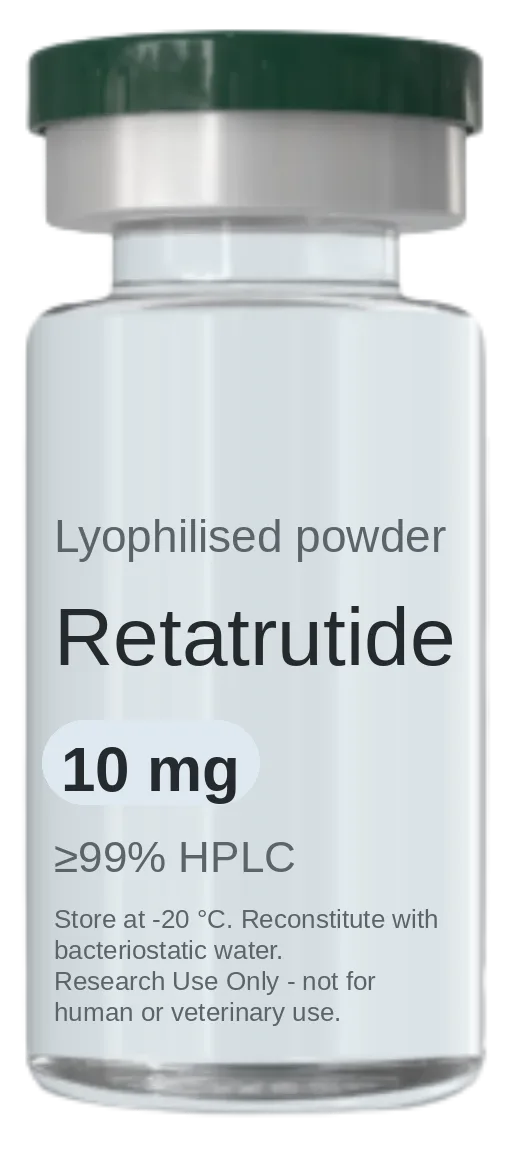
Retatrutide
Triple-agonist metabolic research peptide targeting GLP-1, GIP and glucagon receptors.
- Purity:
- ≥99% HPLC
- Sizes available:
- 10 mg
BPC-157 + TB-500
BPC-157 and TB-500 in a single vial — the pairing most studied together in tissue-repair research.
- Purity:
- ≥99% HPLC
- Sizes available:
- 5 mg + 5 mg
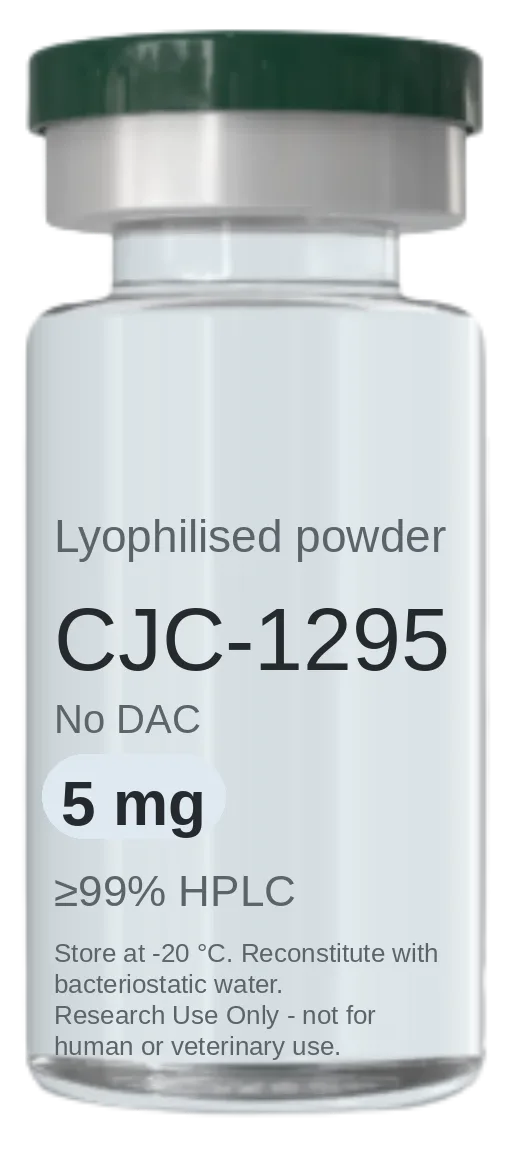
CJC-1295 (sin DAC)
Modified GRF(1-29) tetrasubstituted analogue without drug affinity complex.
- Purity:
- ≥99% HPLC
- Sizes available:
- 5 mg – 20 mg
The consultation
One intake that settles goals, history and contraindications alongside compound, quantity, documentation and route — reviewed by a physician before anything ships.
More notes
-
GHK-Cu vs Epithalon: What's the Difference
GHK-Cu and Epithalon are distinct research peptides in structure and in what the literature studies on each. Here's the difference.
-
Freight Forwarder vs Courier to Argentina
Can a freight forwarder replace a courier to import research peptides into Argentina? What changes, and what the practical answer is.
-
No One Home for Your Argentina Shipment?
What happens when a research peptide shipment to Argentina arrives at an address with no one there to sign for it.