
Note
Cagrilintide vs Retatrutide: Differences
By the PeptoClinic editorial team · Medically reviewed by Dr. Emily Parker
Cagrilintide targets amylin receptors; retatrutide activates GLP-1, GIP and glucagon. Neither is FDA-approved, and here's what each trial reported.
The core difference is which receptor each molecule activates: cagrilintide is an amylin analogue that works on amylin/calcitonin receptors, while retatrutide is a triple agonist that activates GLP-1, GIP and glucagon receptors at the same time. They are not the same class of peptide, and the trials behind them were not built around the same design, even though both show up in the research literature on body weight and metabolism.
Cagrilintide vs retatrutide, side by side
| Aspect | Cagrilintide | Retatrutide |
|---|---|---|
| Class | Amylin analogue | Triple agonist: GLP-1, GIP, glucagon |
| Main receptor target | Amylin/calcitonin receptor | GLP-1, GIP and glucagon receptors |
| Studied in combination | Yes, with semaglutide (CagriSema), reported in Garvey et al., NEJM 2025 and Davies et al., NEJM 2025 | Studied as monotherapy |
| Reported development phase | Phase 3 (REDEFINE program) | Phase 3, following phase 2 results in Jastreboff et al., NEJM 2023 and phase 3 results in Jastreboff et al., NEJM 2026 |
| What the trials measured | Body weight change in adults with overweight or obesity, with and without type 2 diabetes | Body weight change in obesity, and glycemic control in type 2 diabetes in Rosenstock et al., Lancet 2023 |
| FDA-approved | No | No |
What each molecule actually is
Amylin is a hormone the pancreas releases alongside insulin after a meal, and it plays a role in satiety signaling. Cagrilintide is a synthetic amylin analogue with an extended half-life, designed to sustain that effect longer than natural amylin does. It has been studied both on its own and in combination with semaglutide, in the molecule known as CagriSema.
Retatrutide belongs to a different class entirely: triple-action incretin agonists. In a single peptide chain, it combines activity on the GLP-1 receptor, the GIP receptor, and the glucagon receptor. That is the same "multiple receptors on one chain" logic already used by tirzepatide (GLP-1/GIP), extended with glucagon as a third target.
Why these two get compared so often
Both molecules compete in the same area of research — body weight regulation through hormones that govern appetite and metabolism — and both appeared in published studies in recent years with results that drew attention from the research community. But the mechanism does not overlap directly: amylin acts primarily on satiety centers in the brainstem, while incretin agonists act on receptors distributed across the pancreas, adipose tissue, liver and central nervous system. Being studied toward the same endpoint does not make them interchangeable at the receptor level.
Anyone trying to sort out the difference usually ends up comparing both against tirzepatide as well, which shares two of retatrutide's three receptors (GLP-1 and GIP) but does not include glucagon activity and has nothing in common with the amylin pathway.
CagriSema: where the two research paths actually cross
The one real point of contact between these two lines of research is CagriSema, the combination of cagrilintide and semaglutide evaluated in the REDEFINE program. Garvey et al., NEJM 2025 reported REDEFINE 1 in adults with overweight or obesity, and Davies et al., NEJM 2025 reported REDEFINE 2 in the same population with type 2 diabetes. In neither trial was cagrilintide combined with retatrutide — these are two separate clinical development programs, run by different sponsors, that do not converge into a single product.
Retatrutide, in every trial published so far, has been evaluated alone — not combined with cagrilintide or with any other amylin agonist — in the phase 2 obesity trial from Jastreboff et al., NEJM 2023, the phase 3 trial reported in Jastreboff et al., NEJM 2026, and the type 2 diabetes trial in Rosenstock et al., Lancet 2023. The ongoing trial registry can be checked directly at ClinicalTrials.gov.
Molecule vs product: what's already approved, and what isn't
It's worth separating two different questions here, because the US market already has approved products in this space. Semaglutide is the active ingredient in Ozempic and Wegovy, and tirzepatide is the active ingredient in Mounjaro and Zepbound — both approved by the FDA, with Zepbound's 2023 approval for chronic weight management confirmed in the FDA's own press announcement. Neither cagrilintide nor retatrutide has reached that point. Both are still in active clinical trials, and neither has an FDA-approved product built on it, whether alone or as CagriSema.
That distinction matters for anyone reading headlines about "the next weight loss drug": retatrutide and cagrilintide are investigational molecules, not brand-name medications on a pharmacy shelf. Material described in the research literature on these two compounds refers to studies in clinical trial populations, not to a product cleared for routine prescribing.
Regulatory status: neither one is approved
Neither cagrilintide nor retatrutide is approved by the FDA in the United States. Both are in phase 3 clinical development according to the public trial registries cited above, which means they are in the final stage of study before any eventual regulatory submission — not that they already carry marketing authorization anywhere. Any information about them reflects research results published in peer-reviewed journals, not a product cleared for routine clinical use.
That matters for anyone researching these molecules: the literature on both is growing quickly because they are in active trial phases, so what's published today can be updated or expanded by future papers.
Catalog and documentation
For researchers working with these molecules, PeptoClinic carries both retatrutide and cagrilintide in its catalog, and the retatrutide page for the Argentine market is one example of how each batch's documentation is published alongside its lab report. Every batch that ships, wherever it ships, goes through the same step: it's checked by an outside laboratory before it leaves, and the detail on how to read a certificate of analysis is on the quality page.

Medical review
Dr. Emily Parker

Reviews every consultation as it comes in
Frequently asked questions
Do cagrilintide and retatrutide act on the same receptor?
No. Cagrilintide is an amylin analogue that works on the amylin/calcitonin receptor, while retatrutide activates three different receptors: GLP-1, GIP and glucagon. They don't share a mechanism of action.
Is either one FDA-approved?
No. Neither cagrilintide nor retatrutide has [FDA](https://www.fda.gov/) approval. Both are in phase 3 clinical development according to the public trial registries.
Is retatrutide the same as a brand-name GLP-1 drug?
No. Retatrutide is an investigational molecule in phase 3 trials. Approved GLP-1-based products already exist — semaglutide as Ozempic and Wegovy, tirzepatide as Mounjaro and Zepbound — but retatrutide is not the active ingredient in any of those brands.
What is CagriSema and how does it relate to these two molecules?
CagriSema is the combination of cagrilintide and semaglutide evaluated in the REDEFINE trial program. It does not include retatrutide — the two molecules were studied in separate clinical programs and were never combined in any published trial.
Was retatrutide studied combined with any other peptide?
In every trial published so far — phase 2 and phase 3 in obesity, and phase 2 in type 2 diabetes — retatrutide was evaluated as monotherapy, not in combination with cagrilintide or any other agonist.
What did the cagrilintide trials measure?
The REDEFINE program trials, reported by [Garvey et al.](https://pubmed.ncbi.nlm.nih.gov/40544433/) and [Davies et al.](https://pubmed.ncbi.nlm.nih.gov/40544432/) in NEJM 2025, measured body weight change in adults with overweight or obesity, in one trial with type 2 diabetes present and in the other without it.
Are retatrutide and tirzepatide the same thing?
No. Tirzepatide activates two receptors, GLP-1 and GIP, as described by [Jastreboff et al., NEJM 2022](https://pubmed.ncbi.nlm.nih.gov/35658024/) in the SURMOUNT-1 trial. Retatrutide adds a third receptor, glucagon, which mechanistically distinguishes it from tirzepatide.
Where are the trial results for these molecules published?
Retatrutide's trials are published in NEJM and Lancet, and cagrilintide's trials (as the CagriSema combination) are published in NEJM; all are indexed on PubMed, with links cited throughout this article. The full registry of ongoing retatrutide trials can be checked at [ClinicalTrials.gov](https://clinicaltrials.gov/search?intr=retatrutide).
Compounds mentioned
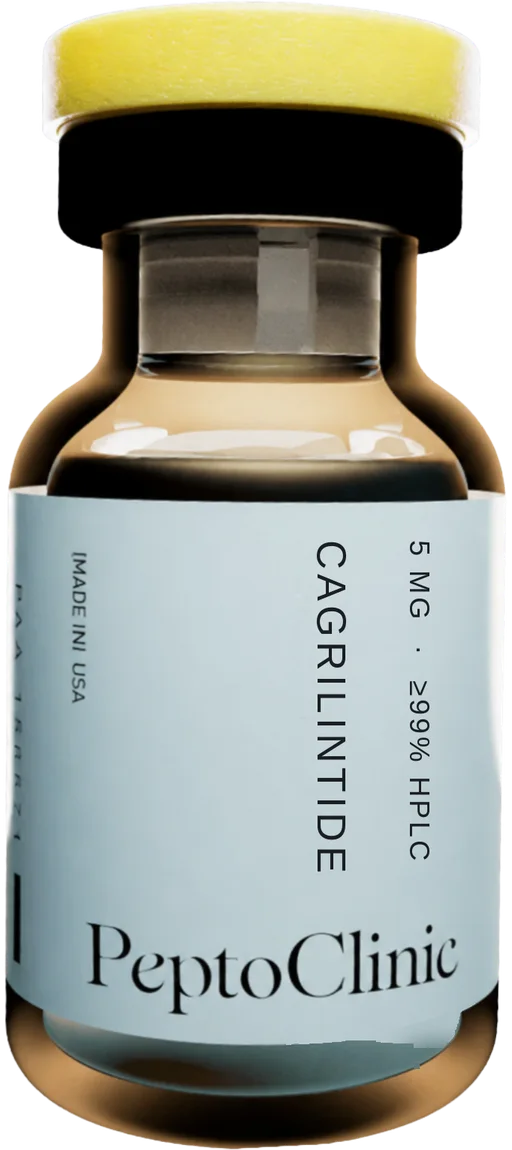
Cagrilintide
Long-acting amylin analogue, the cagrilintide half of CagriSema.
- Purity:
- ≥99% HPLC
- Sizes available:
- 5 mg
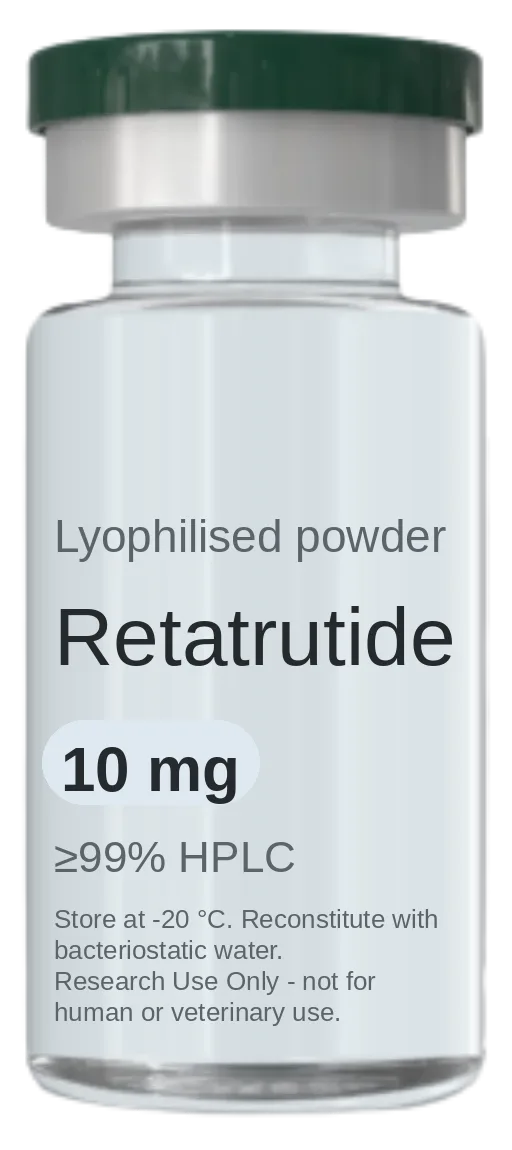
Retatrutide
Triple-agonist metabolic research peptide targeting GLP-1, GIP and glucagon receptors.
- Purity:
- ≥99% HPLC
- Sizes available:
- 10 mg
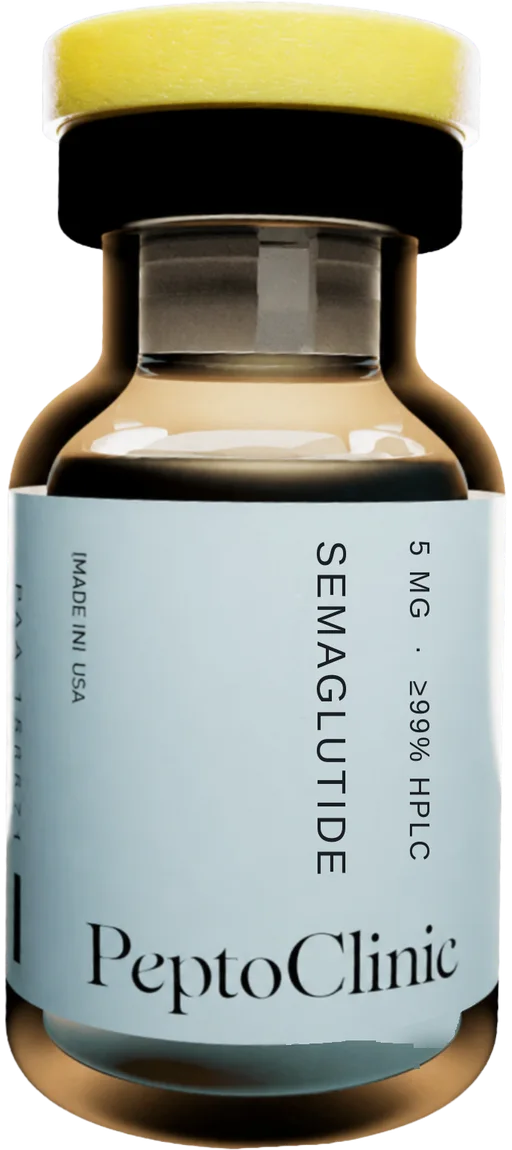
Semaglutide
GLP-1 receptor agonist, the molecule in Ozempic and Wegovy.
- Purity:
- ≥99% HPLC
- Sizes available:
- 5 mg
The consultation
One intake that settles goals, history and contraindications alongside compound, quantity, documentation and route — reviewed by a physician before anything ships.
More notes
-
Retatrutide vs. Zepbound: Key Differences
Retatrutide and Zepbound are different molecules at different regulatory stages. Here's how they compare, with sources.
-
Retatrutide Phase 3 Trials: What We Know
What retatrutide's phase 2 and 3 trials showed, how it compares to tirzepatide and semaglutide, and where FDA approval stands today.
-
CagriSema vs Tirzepatide: Key Differences
CagriSema pairs cagrilintide with semaglutide; tirzepatide is a dual GIP/GLP-1 agonist. Compare mechanism, trials, and FDA status.
-
Compounded Semaglutide vs. Ozempic
Compounded semaglutide and Ozempic are not the same product. Here is how FDA approval, manufacturing, and oversight actually differ.
-
Retatrutide vs. Tirzepatide: Differences
Retatrutide adds a third receptor that tirzepatide doesn't activate — here's how the two differ in structure, mechanism, and published research.