
Note
Peptide Customs Clearance Cost in Argentina
What determines customs clearance cost for a research peptide shipment to Argentina, and what documentation PeptoClinic prepares for it.
There is no fixed figure for customs clearance into Argentina: Aduana Argentina sets it based on the tariff classification of the shipment, the declared value, and the logistics operator handling the paperwork — not on the supplier of the material. PeptoClinic does not charge or set that amount, because it is not a PeptoClinic fee. It is a procedure the postal carrier or courier completes with AFIP to release the package, and its value changes from one shipment to the next.
That answer disappoints anyone looking for a concrete number, but it is the accurate one. Any peso figure published today on a page about customs clearance will be out of date within weeks, because Aduana Argentina revises its rates, and because the final amount depends on variables specific to each shipment. What can be explained precisely is what customs clearance actually is, who collects it, what pushes it up or down, and what PeptoClinic prepares on its end so the shipment is not held up.
What customs clearance is and who charges it
Customs clearance, or *despacho a plaza*, is the final step of an import: it is the moment Aduana authorizes the merchandise to leave the bonded warehouse and reach the recipient. To get there, someone — the postal service, the international courier, or a customs broker — has to file the shipment's documentation, pay AFIP whatever duties apply based on the product's classification, and only then is the package released.
The entity collecting that amount is the tax authority, through the operator managing the procedure, not the sender of the package. PeptoClinic prepares the import file on the origin side — invoice, content description, declared value — but does not calculate duties or manage the filing at destination. That part is executed by whichever courier handles the shipment.
What makes the cost change from one shipment to the next
Several factors explain why two shipments of research peptides can end up with very different clearance amounts:
- The tariff classification (NCM) assigned to the contents. A lyophilised peptide for laboratory use is declared as research reference material, and that classification — not the compound's commercial name — is what determines which duties apply.
- The declared value of the shipment. Import duties and the statistical fee are calculated as a percentage of that value, so a larger order or one with a higher declared value for the compound produces a higher clearance charge — not because the procedure itself changed, but because the base it is calculated on did.
- The regime the package enters under. A shipment processed under the postal/courier regime is not handled the same way as one entering under the general import regime; each has its own duty structure and its own level of broker involvement.
- The logistics operator. On top of what Aduana itself charges, each courier adds its own handling fee for filing the clearance on the recipient's behalf, and that fee varies from one operator to another.
- Whether the package is flagged for physical inspection. A shipment Aduana decides to inspect in person can add delay and, depending on the operator, a storage charge for the time the inspection takes.
None of these variables is something PeptoClinic can fix in advance, because they depend on the timing of the shipment, the regulations in force at that moment, and the courier assigned to that route.
What PeptoClinic prepares so customs doesn't delay the package
What is within PeptoClinic's control is making sure the documentation accompanying the shipment is clear and consistent, so the package isn't held up for lack of information. That includes:
- The import file drawn up as laboratory research reference material, never as a consumer product.
- A content description consistent with what is actually shipped: a sealed vial of lyophilised powder, not a reconstituted solution.
- The declared value corresponding to that specific order, documented alongside the quote given to the researcher before the shipment goes out.
The product's format also simplifies the procedure: the material travels as lyophilised powder in a sealed vial, with desiccant and protected from light, without a cold chain. Lyophilised powder is stable at room temperature for weeks, so the box carries no coolant, no dry ice, and no temperature logger — nothing Aduana has to treat as special cargo or that complicates inspection. Cold starts to matter only after the contents are reconstituted at the destination laboratory, not during transit. The details of how each shipment travels are on the shipping page.
Why PeptoClinic doesn't publish a number for this
PeptoClinic operates as a technical supply consultancy, not a store with a cart and a list price. Each order is reviewed individually — compound, purity specification, quantity, batch documentation, dispatch route, and destination customs — and that review produces a written quote, normally within one business day. Customs clearance is exactly the kind of variable that enters into that review: it is possible to anticipate which regime applies and what documentation a shipment to Argentina will require, but the final amount of the customs procedure is set by the courier at the time of filing, not by PeptoClinic at the time of quoting the material.
That is why no page on this site will show a peso figure for customs clearance: it would be an invented number the day it's published, and a false one as soon as Aduana updates its rates.
Which compounds ship to Argentina under this framework
Argentina is one of the destinations PeptoClinic supplies research material to, along with the United States, Uruguay, Chile, Paraguay, Bolivia, Peru, Brazil, Mexico, and Colombia. Within the catalogue, compounds such as retatrutide, MOTS-c, BPC-157, and GHK-Cu each have their own shipping page for Argentina, with the laboratory report and documentation detail for that compound. The full catalogue, with all available references, is on the catalogue page.
Anyone who wants to understand how to read the purity report accompanying each batch before requesting a quote can check the quality page, which explains the Janoshik Analytical reports published for current batches.
The material is for laboratory research only
Everything PeptoClinic supplies is provided strictly for research use (Research Use Only): in vitro and laboratory research. Nothing on this site is a medicine, a supplement, or a food. Nothing is approved or intended for human or veterinary consumption, diagnosis, or treatment, and none of these statements have been evaluated by ANMAT, the FDA, or any equivalent authority. PeptoClinic is not a pharmacy, a clinic, a telehealth provider, or a source of usage or administration guidance; no prescription is written or required, and requests for human-use protocols are declined.
Frequently asked questions
Who pays for customs clearance — the buyer or the sender?
The recipient of the shipment pays it, because it is a duty collected by the destination country's customs authority before the package is released, and it is managed by the courier on that person's behalf — it is not a fee PeptoClinic includes in its quote.
Why doesn't PeptoClinic give an approximate figure?
Because the amount depends on variables that change from shipment to shipment — tariff classification, declared value, customs regime, assigned courier — and on the AFIP regulations in force at that moment, none of which PeptoClinic sets.
Does the fact that the peptide is a lyophilised powder affect the customs procedure?
It simplifies the logistics because it doesn't require a cold chain or handling as refrigerated cargo, but that doesn't change the tariff classification of the contents or the duties that apply based on that classification.
What documentation has to accompany the shipment so it isn't delayed at customs?
An invoice and a content description that are consistent with each other, identifying the material as laboratory reference material for research rather than a consumer product, along with the declared value corresponding to that specific order.
Does every shipment go through physical inspection?
Not necessarily. Aduana decides case by case whether a shipment requires physical inspection, and that can add delay and, depending on the logistics operator, a storage charge for the time the inspection takes.
Can the procedure be detailed before confirming an order?
Yes: the quote PeptoClinic provides reviews the compound, the quantity, the batch documentation, and the dispatch route to Argentina, so the person requesting it arrives with a clear picture of how that particular shipment will travel, even though the final customs amount is set by Aduana at the time of filing.
Does it change anything if the order includes several compounds in the same shipment?
It can change the total declared value of the shipment, which is one of the bases duties are calculated on, but that is evaluated in the specific quote for that order rather than through a general rule.
Does this procedure apply only to Argentina, or to every destination?
Customs clearance is specific to each national customs authority, so every destination PeptoClinic supplies material to — Argentina included — has its own duty structure and procedure, with variables that are not interchangeable between countries.
Compounds mentioned
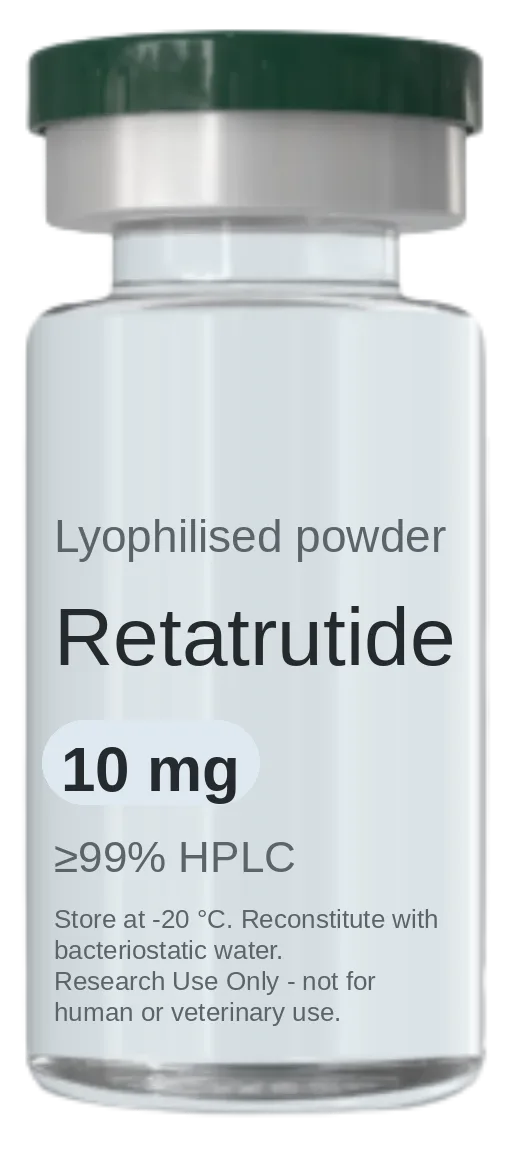
Retatrutide
Triple-agonist metabolic research peptide targeting GLP-1, GIP and glucagon receptors.
- Purity:
- ≥99% HPLC
- Sizes available:
- 10 mg
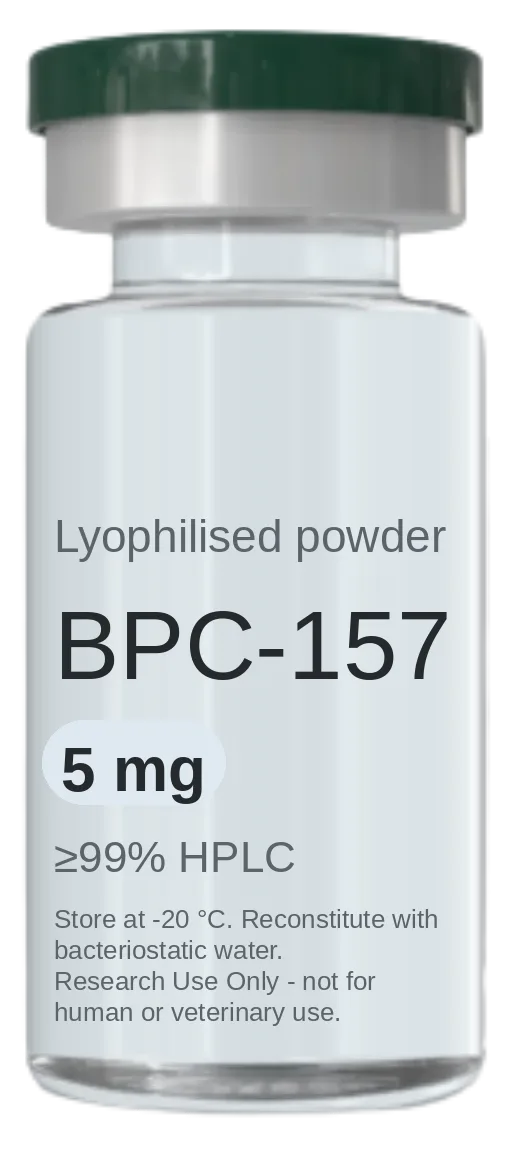
BPC-157 + TB-500
BPC-157 and TB-500 in a single vial — the pairing most studied together in tissue-repair research.
- Purity:
- ≥99% HPLC
- Sizes available:
- 5 mg + 5 mg
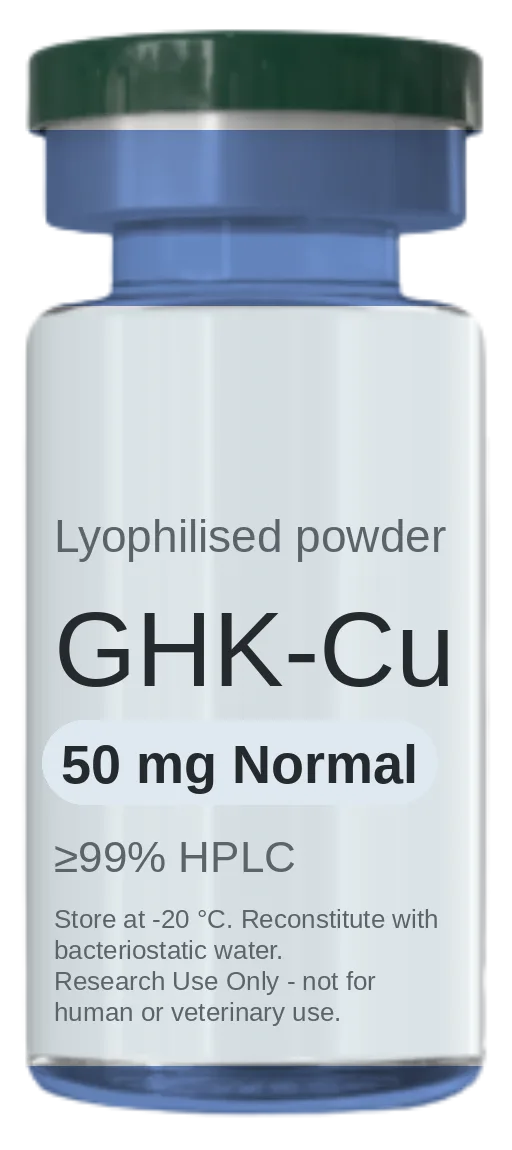
GHK-Cu (Copper Peptide)
Copper-binding tripeptide studied in extracellular matrix and dermal research models.
- Purity:
- ≥99% HPLC
- Sizes available:
- 50 mg Normal – 50 mg Plus
The consultation
One intake that settles goals, history and contraindications alongside compound, quantity, documentation and route — reviewed by a physician before anything ships.
More notes
-
Retatrutide vs. Tirzepatide: Differences
Retatrutide adds a third receptor that tirzepatide doesn't activate — here's how the two differ in structure, mechanism, and published research.
-
NAD+ vs Selank: What's the Difference?
NAD+ is a cellular coenzyme; Selank is a synthetic peptide derived from tuftsin. Structure, mechanism, and what each one is studied for.
-
AFIP Importer Registration for Peptides?
Whether receiving research peptides in Argentina requires registering as an AFIP importer, and what paperwork actually ships with the package.