
Note
FOB Value in Peptide Shipments to Argentina
FOB is the price of the goods before freight or insurance; here's how Argentine customs checks that figure on a peptide import.
FOB (Free On Board) is the price of the goods at the point of loading in the country of origin, before international freight or insurance is added. On a research peptide shipment, it's the number written on the commercial invoice, and Argentina's customs authority, the Dirección General de Aduanas (DGA), checks that figure against its own reference values before releasing the package.
What "FOB" means on an invoice
FOB describes a sale condition, not a category of goods. When a supplier quotes "FOB origin," the declared price covers the product loaded onto the outbound carrier — nothing past that point. International freight, insurance, and any handling that happens afterward are added separately, and that split is exactly what customs authorities worldwide use to calculate the taxable value of an import.
In practice, the commercial invoice that travels with a shipment of lyophilised research peptides usually carries three figures: the FOB value of the product, the freight (when it's declared separately), and the resulting CIF value — Cost, Insurance and Freight — which is the base Argentine customs uses to calculate duties when a shipment enters through the formal channel.
Why Argentine customs checks that number
The check exists because the declared value is the taxable base for import duties and, where applicable, VAT. An underdeclared FOB value artificially shrinks those taxes, so AFIP doesn't treat the importer's invoice as the final word — it compares it against its own data.
The main tool is the valor criterio, a reference floor that customs builds from statistics on previous imports of the same tariff heading, the same origin, and comparable goods. If the declared FOB value falls below the valor criterio in force for that heading, Argentina's customs system — Malvina, the successor to the old SIM — automatically routes the shipment into a stricter verification channel, and the customs broker has to justify the gap with supporting documentation or accept that duties get calculated on the reference value instead.
That check runs alongside the ordinary documentary review: whether the invoice, the packing list, and the declaration agree on quantity, weight, and description of the goods. A peptide declared as "laboratory reagent, research use" at a stated weight of 10 mg with a two-dollar FOB value draws attention if the valor criterio for that heading sits well above it.
How a research peptide shipment actually enters the country
Most research peptide shipments into Argentina arrive by international courier, not through a formal customs clearance handled by a broker. The courier/postal regime runs its own simplified circuit: the courier company files a declaration (the former SIM, now folded into the Malvina system) with the value, weight, and description of each parcel, and AFIP processes it against the same reference-value logic, though with different thresholds and exemptions than a commercial import.
That simplified path doesn't mean the check is lighter — it means it runs faster and with less manual intervention, unless something trips an alert: a value out of range, an ambiguous description, or a recipient whose past shipments were already flagged.
The description of the goods on the invoice matters as much as the number itself. PeptoClinic ships research peptides to Argentina with the paperwork built for exactly this circuit: a commercial invoice describing the material as laboratory reference material, the tariff heading that applies to chemical reagents, and the batch's certificate of analysis attached.
What happens when the declared value doesn't match the reference
When the system flags a meaningful gap between the declared FOB value and the valor criterio, the shipment moves into a verification channel. There, customs can request supporting documentation — the purchase order, proof of payment, the certificate of analysis identifying the batch — to reconstruct the actual value of the transaction.
If the gap isn't justified, customs has the authority to recalculate duties on the reference value instead of the declared one, on top of the delay a manual review already adds. That's why, for any international shipment, declaring the real transaction value — neither inflated nor underdeclared — is what keeps a package from sitting in bonded storage while the gap gets resolved.
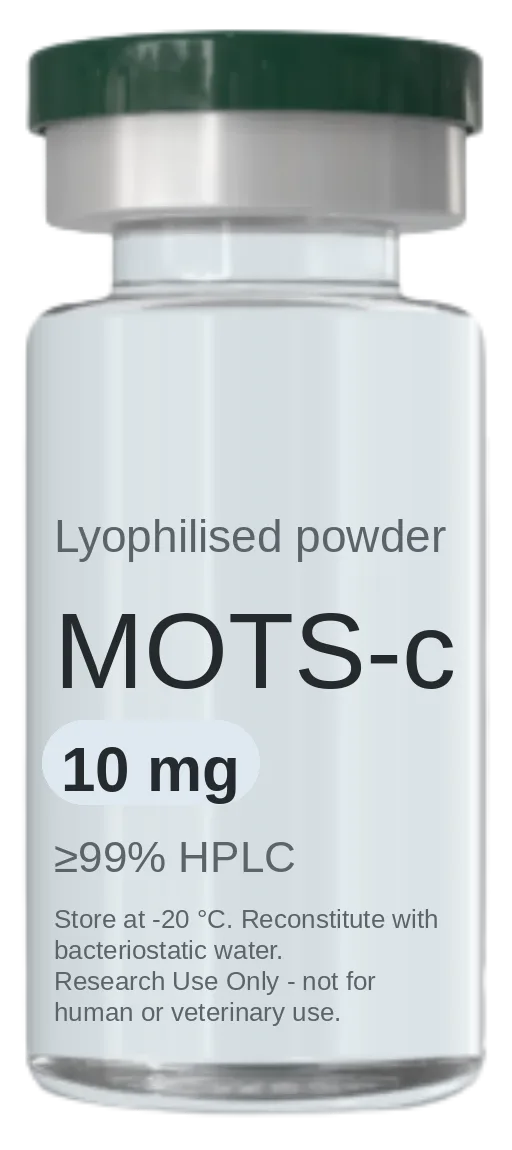
That's also exactly why a certificate of analysis with a date, a lot number, and a verifiable laboratory matters beyond quality control: it's the document that backs the declared value and description if customs asks for justification. Janoshik Analytical analysed the retatrutide and MOTS-c batches PeptoClinic publishes, at 99.893% and 99.669% purity respectively — the lower of the two published figures. Reports like that are the kind of documentary backing that sits behind a coherent value declaration.
Retatrutide, BPC-157, and the "laboratory reagent" tariff heading
Synthetic lyophilised research peptides don't have their own dedicated tariff heading — they're classified under the headings for reagents and organic compounds used in laboratory work, and that classification is what fixes which valor criterio applies. An imprecise description on the invoice ("peptide," with nothing further) complicates that classification and is one of the most common causes of delay once a shipment lands in the verification channel.
The retatrutide page for Argentina and the BPC-157 page for Argentina spell out the documentation that travels with each batch — the same paperwork that supports the declared description and value if it's ever questioned. The same goes for GHK-Cu: every lot ships with its own certificate of analysis, verifiable independently of the invoice.
What this is not: research material, not a consumer product
Everything imported under this category is strictly for laboratory research use (RUO — Research Use Only). It is not a medicine, not a supplement, and not approved for human or veterinary consumption, diagnosis, or treatment. No claim about these compounds has been evaluated by ANMAT, the FDA, or any equivalent authority. The value and tariff-classification documentation described here applies to that use — laboratory reference material — and to no other.
Frequently asked questions
Does FOB include international freight?
No. FOB covers only the price of the goods loaded at the point of origin. Freight and insurance are added afterward to arrive at the CIF value, which is the base Argentine customs uses to calculate the applicable duties.
What is the valor criterio and where does it come from?
It's a reference value that Argentine customs builds from statistics on previous imports under the same tariff heading and origin. It works as a comparison floor: if the declared value sits well below it, the system routes the shipment into a stricter verification channel.
Does a courier shipment go through the same check as a formal import?
The paperwork is simpler, but the comparison against the reference value runs on the same system, Malvina. The difference is in speed and in when manual intervention kicks in, not in whether the check exists.
What documentation supports a declared value?
The purchase order, proof of payment, and the batch's certificate of analysis are the documents customs typically asks for when a declared value needs backing. Having them ready ahead of time shortens any review.
Does declaring a lower value reduce the odds of a review?
The opposite. A value below the valor criterio for that tariff heading is exactly what triggers a review, not what avoids one.
Is the description "peptide" enough on an invoice?
It's too vague for tariff classification purposes. A description like laboratory reference material or chemical reagent, paired with the certificate of analysis, keeps the tariff heading and the declared value consistent with each other.
Does this check apply regardless of the country of origin?
The valor criterio is built by tariff heading and origin, so the reference figure can differ depending on where the shipment originates. The comparison mechanism itself is the same in every case.
Are these compounds approved for human use in Argentina?
No. They're supplied exclusively for laboratory research (RUO), and no regulatory authority, in Argentina or elsewhere, has evaluated these substances for human or veterinary use.
Compounds mentioned
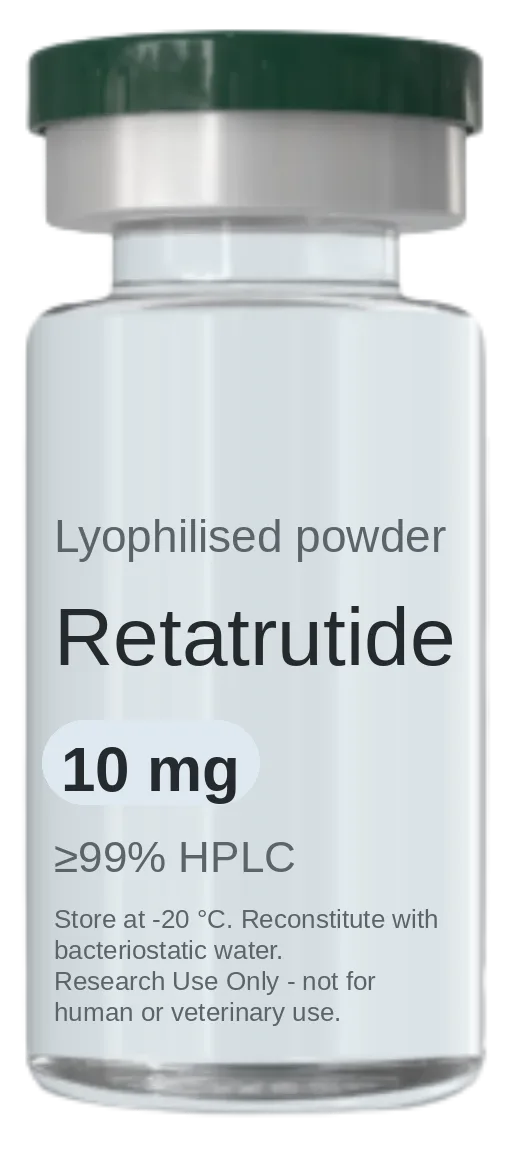
Retatrutide
Triple-agonist metabolic research peptide targeting GLP-1, GIP and glucagon receptors.
- Purity:
- ≥99% HPLC
- Sizes available:
- 10 mg
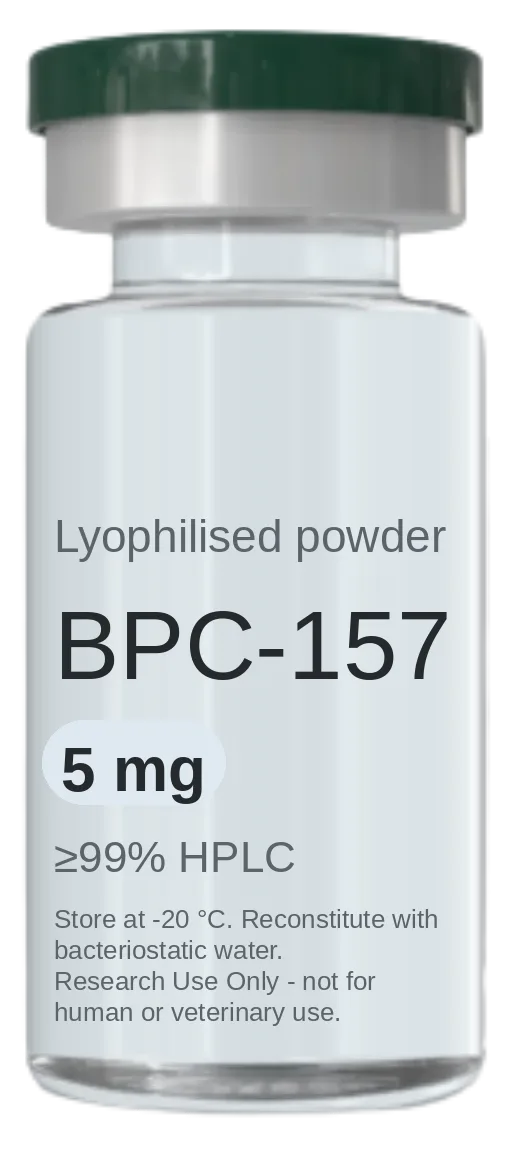
BPC-157 + TB-500
BPC-157 and TB-500 in a single vial — the pairing most studied together in tissue-repair research.
- Purity:
- ≥99% HPLC
- Sizes available:
- 5 mg + 5 mg
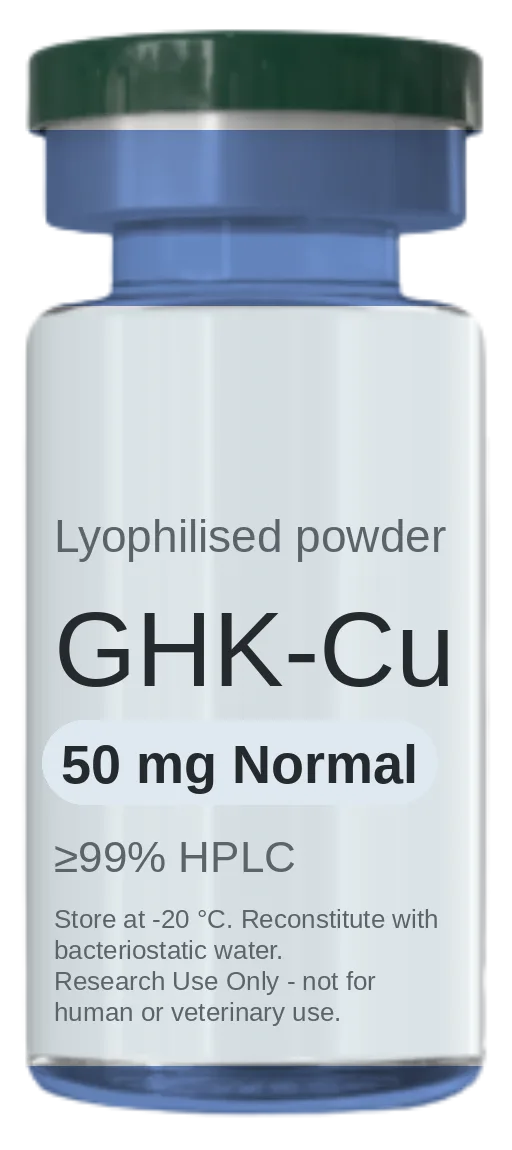
GHK-Cu (Copper Peptide)
Copper-binding tripeptide studied in extracellular matrix and dermal research models.
- Purity:
- ≥99% HPLC
- Sizes available:
- 50 mg Normal – 50 mg Plus
The consultation
One intake that settles goals, history and contraindications alongside compound, quantity, documentation and route — reviewed by a physician before anything ships.
More notes
-
Temporary Import Regime & Peptides
Temporary import covers goods that leave the country again; a research peptide shipment stays and gets used up.
-
Retatrutide vs GHK-Cu: What's the Difference
Retatrutide and GHK-Cu are different molecules studied for different reasons. Here's what each investigates and what documentation backs a batch.
-
Invoiced vs. Unbilled Peptide Suppliers
What changes when a research peptide supplier invoices the transaction versus one that takes payment and leaves no paper trail.