
Note
Peptide Shipping to Argentina: Transit Times
PeptoClinic ships research peptides to Argentina with full customs documentation. Three variables determine how long the transit takes.
A PeptoClinic shipment to Argentina leaves the United States with documentation prepared for import as laboratory reference material. The total transit time — from dispatch to delivery — depends on three variables that move independently: the international courier, customs processing at the Argentine border, and the completeness of the paperwork when the shipment arrives. Any specific number of days stated without accounting for all three is a figure someone invented.
Three Variables That Determine Transit Time
The international courier
The physical leg between the United States and Argentina is the most predictable part of the journey. Express courier services operate on scheduled routes with real-time tracking; the parcel flies, clears a logistics hub, and reaches Argentine customs. The time this takes depends on the service selected: express tiers consolidate more frequent flights and carry loading priority; economy services may wait for available cargo capacity. Once the shipment has been dispatched, neither the sender nor the recipient controls that leg.
Customs processing in Argentina
This is the variable no supplier can quantify in advance. The Dirección General de Aduanas, operating under AFIP, processes courier imports according to its daily operational load. A parcel arriving alongside a surge in import volume may take longer to clear than one arriving during a slower period.
Once a shipment reaches Argentine customs, two outcomes are possible:
- Automatic clearance: the documentation is complete and consistent, the system classifies the shipment without manual intervention, and the courier receives it for final delivery.
- Manual review: the file generates a query — an identity verification, a request for clarification about the contents, or a review of the certificate of analysis. That review can resolve in hours or add several days.
The classification of the material matters. Research peptides enter Argentina as laboratory inputs, not as medicines or supplements. That distinction must be reflected accurately in every document accompanying the shipment.
Documentation
Documentation is not an administrative formality: it is the information on which customs makes its decision. A file with missing elements generates questions. A file with inconsistencies between the commercial invoice, the contents list, and the certificate of analysis generates a manual review almost by default.
PeptoClinic prepares each shipment with the batch certificate of analysis issued by Janoshik Analytical, identifying the lot, the analytical method, and the purity result. The certificate for the retatrutide batch (Task 136921, April 13 2026) recorded 99.893% purity by HPLC. That level of specificity reduces the surface area for customs questions.
Published reports are available in the quality section of the site.
Why Lyophilised Format Matters in Transit
The physical form of the material has logistical consequences. PeptoClinic supplies exclusively in lyophilised powder, not in solution. Lyophilised powder is substantially more stable than liquid preparations: it does not require an active cold chain during transit and tolerates the temperature variation normal to commercial air freight.
That simplifies the shipment because the parcel does not fall under temperature-controlled shipping requirements, which carry distinct documentation and handling rules. A properly packaged lyophilised peptide vial arrives in the same condition it left, provided the transit does not extend beyond normal ranges.
Tracking
Every PeptoClinic shipment includes a courier tracking number. The recipient can follow the parcel in real time: origin processing, air transit, Argentine customs, customs clearance, final delivery.
The status that generates the most questions is "at Argentine customs," because it can go without an update for anywhere from several hours to several days. That does not indicate a problem. Customs processes on its own schedule, and the courier reflects what customs communicates, which has its own cadence. If there is an active query, the courier typically contacts the recipient directly.
Requesting a Quote for Argentina
Argentina is a destination served by PeptoClinic. The process for receiving a quote with delivery to Argentina:
- Describe the compound, the quantity, and the research programme it is for.
- The technical team reviews lot availability, documentation status, and logistics conditions at the time of the order.
- A written quote is returned, detailing the material, the batch certificate, and the terms of the shipment.
There is no cart and no published price. Each order is evaluated individually because lot availability, courier options, and documentation status can differ between shipments. Available materials are listed in the catalogue.
The Import Chain
Importing laboratory material from the United States into Argentina requires compliance with the Dirección General de Aduanas, which classifies the material, verifies the documents, and determines whether any duty or restriction applies. The correct classification — laboratory reference input — is what permits entry without the controls that apply to medicines intended for human use.
The recipient's import history may also be a factor. If this is the first time laboratory material is imported from this sender, there may be an additional verification that does not recur in later shipments. What consistently accelerates the process is documentation quality from the start. There are no shortcuts through Argentine customs, but there are ways to avoid generating unnecessary additional work.
For Laboratory Research Only
PeptoClinic supplies peptides strictly under the Research Use Only (RUO) designation: materials intended for in vitro and laboratory research. Nothing in the PeptoClinic catalogue is approved or intended for human or veterinary consumption, diagnosis, or treatment of any condition.
No claim on this site has been evaluated by ANMAT, the FDA, or any equivalent authority. PeptoClinic is not a pharmacy, a clinic, or a telehealth service. Requests for guidance on administration or protocols in humans are not addressed.
This framing is not a technicality: it is the only basis on which research peptides can be legitimately shipped to Argentina as laboratory inputs. The customs file reflects exactly that, and is consistent with the nature of the material from origin to destination.
You can read more about how PeptoClinic operates on the about page.
Frequently asked questions
Does PeptoClinic ship peptides to Argentina?
Yes. Argentina is a destination served by PeptoClinic as of August 5 2026. Material ships from the United States as laboratory reference input, with customs documentation prepared for each individual shipment.
How many days does the shipment take?
There is no fixed number of days, because the total time depends on independent variables: the courier selected, the pace of Argentine customs at the time the parcel arrives, and whether the documentation triggers a manual review. No responsible supplier can give a date without knowing those three conditions at the moment of dispatch.
What documentation ships with the parcel?
Each shipment includes the commercial invoice, the contents list, and the batch certificate of analysis issued by Janoshik Analytical. That set is presented to the Dirección General de Aduanas for entry as laboratory input.
What happens if customs holds the shipment?
A hold is not an automatic seizure. In most cases it is a documentation query that resolves when the required information is presented. If the certificate of analysis and the invoice are in order from the outset, the probability of a consequential intervention is lower.
Do lyophilised peptides degrade during shipping?
Lyophilised powder is more stable than liquid preparations and tolerates transit without an active cold chain, within the temperature ranges normal to commercial air freight. PeptoClinic ships exclusively in lyophilised format for that reason.
How do I track my shipment?
All shipments include a courier tracking number. Status is visible in real time on the courier's site. The "at Argentine customs" status may go without an update for several days without indicating an active problem: customs processes on its own schedule and the courier reflects what it receives from customs.
Does PeptoClinic deliver to provinces outside Buenos Aires?
The courier handles national distribution once the parcel clears customs. Last-mile conditions vary by coverage area, particularly in destinations outside the Buenos Aires metropolitan area.
Can I request material for personal use?
No. The material is Research Use Only, intended exclusively for laboratory research. PeptoClinic does not supply material for personal use, does not provide guidance on administration in humans, and does not act as a supplier of any form of medical or veterinary treatment.
Compounds mentioned
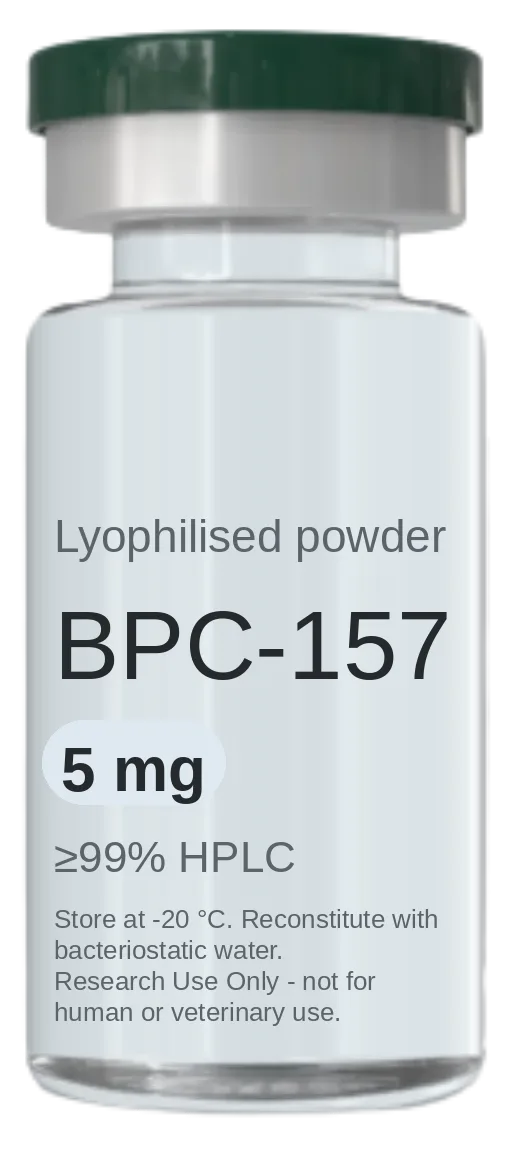
BPC-157 + TB-500
BPC-157 and TB-500 in a single vial — the pairing most studied together in tissue-repair research.
- Purity:
- ≥99% HPLC
- Sizes available:
- 5 mg + 5 mg
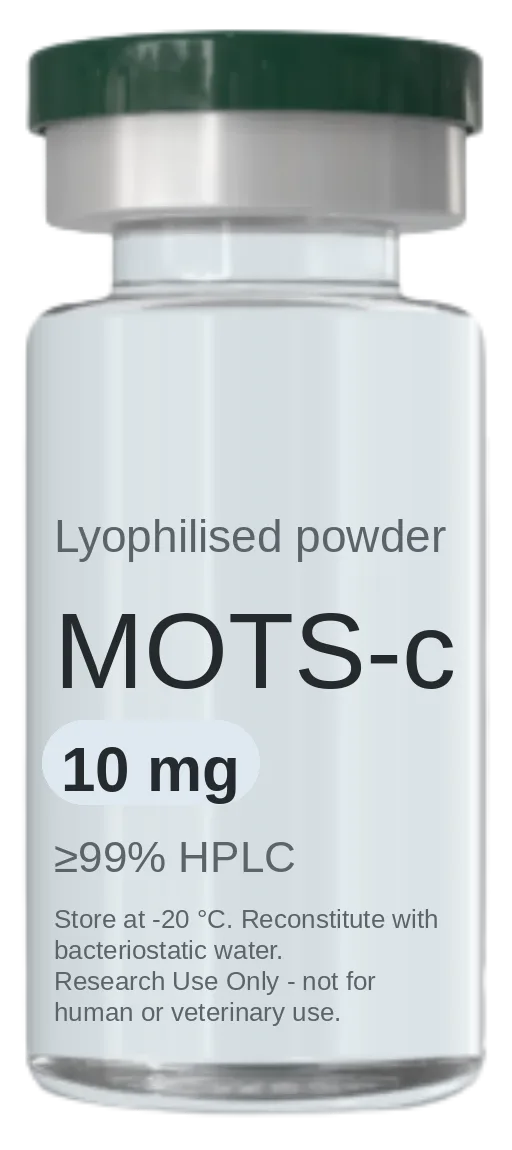
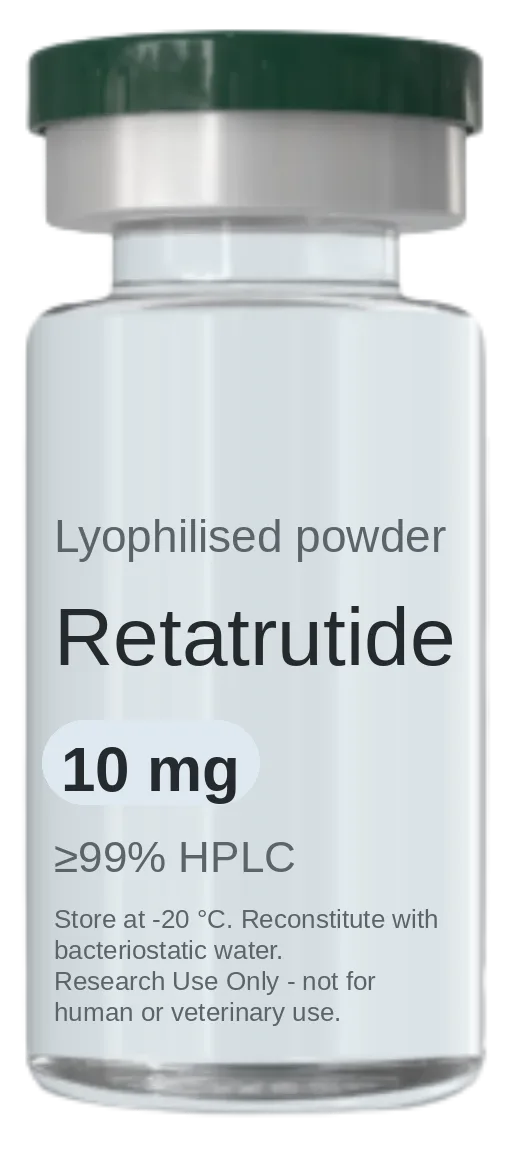
Retatrutide
Triple-agonist metabolic research peptide targeting GLP-1, GIP and glucagon receptors.
- Purity:
- ≥99% HPLC
- Sizes available:
- 10 mg
The consultation
One intake that settles goals, history and contraindications alongside compound, quantity, documentation and route — reviewed by a physician before anything ships.
More notes
-
Temporary Import Regime & Peptides
Temporary import covers goods that leave the country again; a research peptide shipment stays and gets used up.
-
Retatrutide vs GHK-Cu: What's the Difference
Retatrutide and GHK-Cu are different molecules studied for different reasons. Here's what each investigates and what documentation backs a batch.
-
Invoiced vs. Unbilled Peptide Suppliers
What changes when a research peptide supplier invoices the transaction versus one that takes payment and leaves no paper trail.