
Note
Importing Research Material into Argentina
PeptoClinic prepares the customs file for each shipment to Argentina, declared as laboratory reference material.
PeptoClinic ships research peptides to Argentina and prepares the customs file for each lot, declaring the material as laboratory reference material. The material travels as lyophilised powder in sealed vials, accompanied by a Certificate of Analysis issued by Janoshik Analytical and a commercial invoice that states the exclusive research destination.
Medicine versus laboratory reference material
That distinction defines the customs pathway. A medicine requires registration with ANMAT and an import authorisation under the medicinal specialties framework. A laboratory reference material — research compound, analytical standard, reagent — falls under a different classification in the Mercosur Common Nomenclature (NCM): it enters not as a medicinal specialty but as an organic or biological compound for scientific use.
What makes a shipment a laboratory reference material is not the label on the invoice alone. It is the documentary package that sustains that declaration: a Certificate of Analysis identifying the compound, its concentration and its purity as measured by an independent laboratory, plus a statement of use that rules out any clinical or veterinary application.
Without that documentation, a vial of lyophilised peptide is ambiguous to customs. With it, the agent can classify the shipment and release it.
Documentation that ships with each lot
PeptoClinic prepares three documents for each shipment to Argentina.
Commercial invoice. Lists the compound, weight, format — lyophilised powder in sealed vial — and a declaration that the material is for laboratory research and is neither approved nor intended for use in humans or animals.
Certificate of Analysis. Issued by Janoshik Analytical, the independent laboratory that analysed the lots on 13 April 2026. The certificate identifies the compound by technical name, reports the purity measured by HPLC and carries the task number that allows the result to be verified on the laboratory's website. The Retatrutide lot (task 136921) returned 99.893% purity. The MOTS-c lot (task 136923) returned 99.669%. The PeptoClinic quality section explains how to read each field of the certificate and what to check on the Janoshik site.
Packing list. States the physical weight of the shipment, number of units and the recommended storage conditions for lyophilised powder.
Consistency across these three documents is what builds the customs declaration. A discrepancy — a compound name that does not match between the invoice and the CoA, an inconsistent weight — triggers a hold. PeptoClinic checks coherence before each dispatch.
Why the NCM classification matters
The Mercosur Common Nomenclature determines the tariff and the control framework that applies to each shipment. For research peptide material, the correct tariff heading depends on how the intended use is declared.
Declaring a compound as a medicinal specialty when it is not — when it carries no registration, no import authorisation and does not pass through the channels approved for medicines — produces a hold and, in serious cases, seizure. Declaring it correctly as laboratory reference material, backed by the technical documentation that supports it, is what allows the shipment to clear without ambiguity.
This is the work the customs file does: not just filling in forms, but ensuring that the declaration matches what is actually being imported.
What the receiving laboratory needs to verify
A laboratory receiving research material from abroad needs to be able to answer three questions from the documentation that arrives.
What arrived? The Certificate of Analysis identifies the compound. A CoA that says only "peptide X, high purity" is not a technical document — it is an unsupported assertion. The Janoshik Analytical CoA identifies the compound by name, states the actual mass content of the vial and details the analytical methodology used.
What is the purity? HPLC-measured purity is the central figure for any research programme that depends on known concentrations. The standard across the PeptoClinic catalogue is ≥99% HPLC. The lowest purity published in the analysed lots is 99.669%, corresponding to the MOTS-c lot. That number — the floor, not the best result available — is the one that applies as a technical specification reference.
Can I verify it independently? Janoshik CoAs carry a task number that allows the report to be opened on the laboratory's website and confirmed against the original record. All four published lots — tasks 136921 (Retatrutide), 136923 (MOTS-c), 204977 (GHK-Cu) and 204975 (BPC-157 + TB-500) — carry an active verification link on the Janoshik site, so the receiving laboratory can open each report itself.
Format and shipping conditions
Material ships as lyophilised powder sealed in vials. Lyophilisation reduces water activity to levels that stabilise the compound for transport, removing the need for an active cold chain in transit — useful when a shipment crosses customs and may sit in a holding facility during classification.
PeptoClinic also supplies USP-grade bacteriostatic water as a diluent, in a separate vial from the peptide.
The PeptoClinic shipping page lists active destinations. Argentina has been an active destination since 5 August 2026. The import file is prepared so that material enters declared as laboratory reference material.
The consultation process
PeptoClinic does not publish prices. The model is technical consultancy: a researcher describes what their programme requires — compound, quantity, purity specification, documentation requirements, receiving institution — and the technical team reviews the request and returns a written quote, normally within one business day.
That process makes it possible to tailor documentation to the receiving laboratory's requirements or to the funding body's reporting needs, rather than dispatching a standard shipment without asking. If the laboratory needs additional documentation for its intake protocol or for reporting to a funding organisation, that is specified at the consultation stage.
To open a consultation, contact [email protected].
For laboratory research only
All material supplied by PeptoClinic is classified as Research Use Only (RUO): laboratory research, in vitro. It is not a medicine, a dietary supplement or a food. It is not approved or intended for use in humans or animals by any regulatory authority.
PeptoClinic is not a pharmacy, a clinic, a telehealth service or a compounding facility. The material does not substitute any registered medicine and no therapeutic indication is associated with its supply. No prescription is issued or required. Requests for human-use protocols are not processed.
The PeptoClinic about page sets out this framework in full.
Frequently asked questions
What is the difference between importing a medicine and importing laboratory reference material into Argentina?
A medicine requires registration with ANMAT and an import authorisation under the medicinal specialties framework. A laboratory reference material — research compound, reagent, analytical standard — follows a different tariff heading in the NCM: it enters as an organic or biological compound for scientific use. The technical documentation accompanying the lot is what sustains that classification with customs.
What documents arrive with a PeptoClinic shipment?
Each lot includes a commercial invoice with a research use declaration, a Certificate of Analysis issued by Janoshik Analytical with a verifiable task number and a packing list. Those three documents are what customs uses to classify and release the shipment.
How do I verify that the Certificate of Analysis is authentic?
Janoshik Analytical certificates carry a task number that allows the original report to be opened on the laboratory's website. All four published lots — 136921, 136923, 204977 and 204975 — carry an active verification link, so the check is direct and does not go through us.
Why does PeptoClinic not publish prices?
The model is technical consultancy: each order is quoted individually based on compound, quantity, purity specification and the receiving laboratory's documentation requirements. To request a quote, write to [email protected] describing what your programme needs.
What is the lowest purity published in PeptoClinic's lots?
The floor published in Janoshik Analytical Certificates of Analysis is 99.669%, corresponding to the MOTS-c lot (task 136923). The standard PeptoClinic applies to its catalogue is ≥99% HPLC. The actual minimum — not the best result available — is the number that applies as a technical specification reference.
Does the material arrive as liquid solution or as powder?
Material ships as lyophilised powder sealed in vials. Lyophilisation stabilises the compound for transport without requiring an active cold chain in transit. PeptoClinic also supplies USP-grade bacteriostatic water as a diluent, in a separate vial from the peptide.
Can I request additional documentation for my research institution?
Yes. The initial technical consultation is the point at which to specify what documents are needed beyond the CoA and invoice. If your institution requires additional information for reporting to a funding body or for the laboratory intake protocol, state that when writing to [email protected] and the technical team will review it before issuing a quote.
Does PeptoClinic ship to all provinces or only to Buenos Aires?
PeptoClinic ships to Argentina as a destination without restriction by province. The import file is prepared for national delivery. If the receiving laboratory is outside Buenos Aires, noting that in the initial consultation helps coordinate logistics from customs.
Compounds mentioned
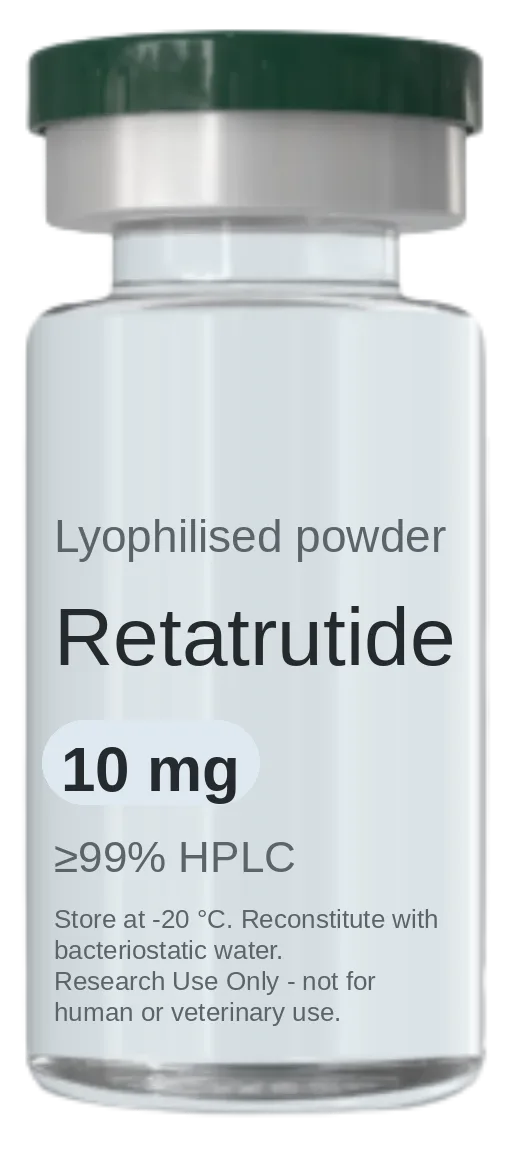
Retatrutide
Triple-agonist metabolic research peptide targeting GLP-1, GIP and glucagon receptors.
- Purity:
- ≥99% HPLC
- Sizes available:
- 10 mg
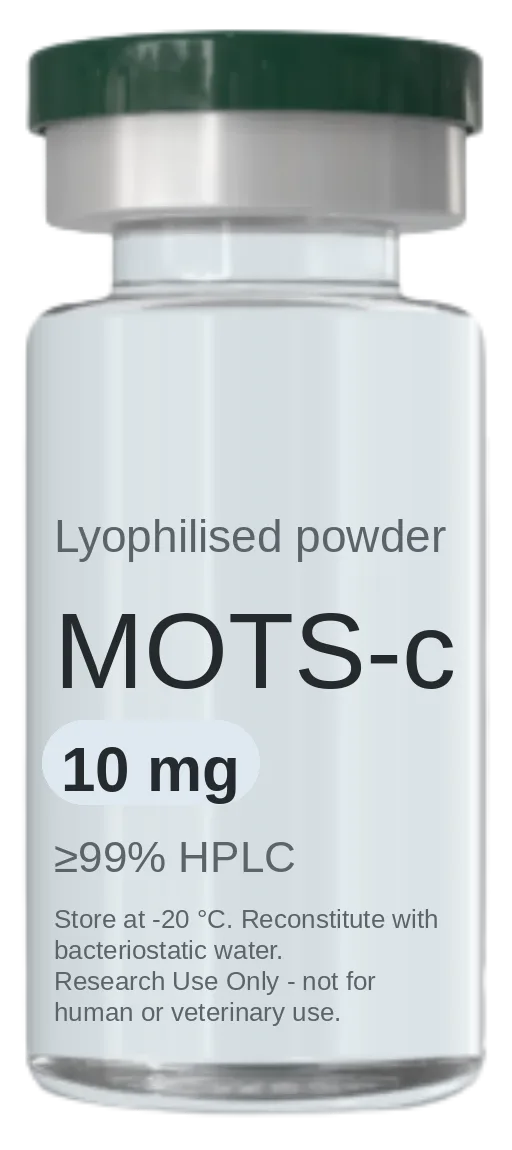
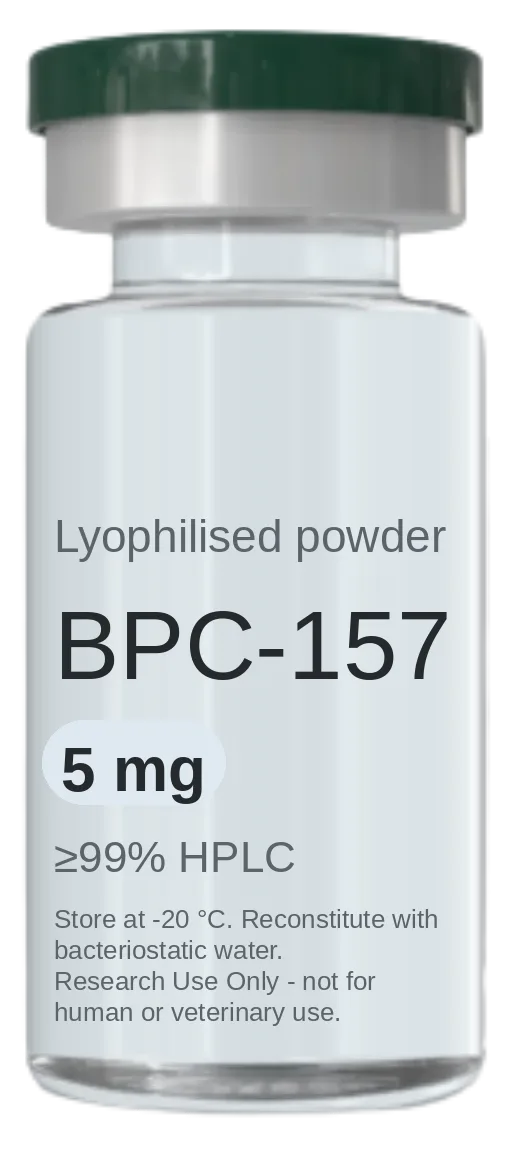
BPC-157 + TB-500
BPC-157 and TB-500 in a single vial — the pairing most studied together in tissue-repair research.
- Purity:
- ≥99% HPLC
- Sizes available:
- 5 mg + 5 mg
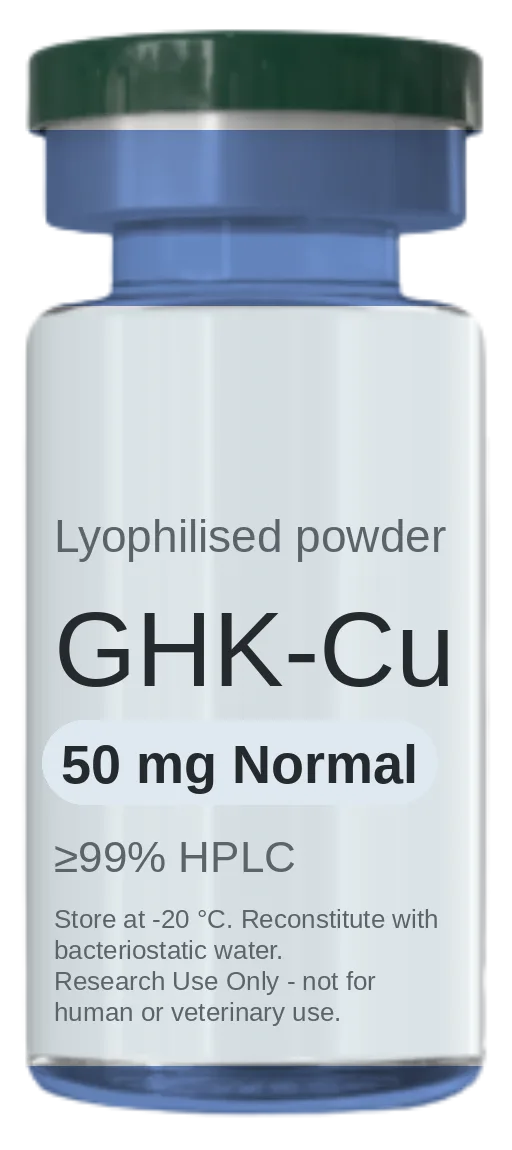
GHK-Cu (Copper Peptide)
Copper-binding tripeptide studied in extracellular matrix and dermal research models.
- Purity:
- ≥99% HPLC
- Sizes available:
- 50 mg Normal – 50 mg Plus
The consultation
One intake that settles goals, history and contraindications alongside compound, quantity, documentation and route — reviewed by a physician before anything ships.
More notes
-
Temporary Import Regime & Peptides
Temporary import covers goods that leave the country again; a research peptide shipment stays and gets used up.
-
Retatrutide vs GHK-Cu: What's the Difference
Retatrutide and GHK-Cu are different molecules studied for different reasons. Here's what each investigates and what documentation backs a batch.
-
Invoiced vs. Unbilled Peptide Suppliers
What changes when a research peptide supplier invoices the transaction versus one that takes payment and leaves no paper trail.