
Note
How to Verify a Janoshik COA
What to check on a Janoshik Analytical certificate to confirm a research peptide matches its stated batch.
A Janoshik Analytical certificate of analysis (COA) is verified by cross-checking three fields — the report's task number, the compound and batch it names, and the purity it found — against the PDF the laboratory issued, then confirming those three fields match the vial in hand. A certificate that cannot be cross-checked this way certifies nothing, no matter how official the logo looks.
What a certificate of analysis actually is
A COA is the output of one laboratory test on one sample: what the instrument found, by what method, on what date. It is not a guarantee about the rest of a production run, and it is not a guarantee about a vial that arrived later carrying the same name on its label. It documents one sample, on one day, at one laboratory — nothing more.
Janoshik Analytical is one of the laboratories the research peptide industry uses for HPLC testing (high-performance liquid chromatography), the standard method for measuring peptide purity. A supplier saying "tested by Janoshik" is not enough on its own. What matters is the report itself, carrying its task number, so a buyer can cross-reference it.
The three fields to request before reading any purity number
Before looking at a single percentage, confirm the report carries these three fields, and that each one matches what the supplier claims the product is:
- Task number. This is the unique identifier Janoshik assigns to each analysis it runs. No two reports share a task number, which makes it the first thing that separates a genuine PDF from one recycled from a different batch.
- Compound and content found. The report states which molecule was tested and how much the instrument measured — not just what the label claims. A vial labeled "10 mg" can come back with a slightly different measured content on the actual test. That is normal, and it is exactly what the certificate is meant to document.
- Test date. A certificate from two years ago says nothing about the batch being sold today, even if the compound name is identical.
If any of these three fields is missing, cropped out of the image, or does not match what is being offered, the certificate cannot verify anything — it is a picture, not evidence.
How to cross-check a report instead of just reading it
Most buyers skip the step that actually matters: checking the report against something outside the PDF itself. A file can say whatever it wants; what makes it trustworthy is that it can be checked against something else.
In practice, that means:
- Ask the supplier for the full PDF, not a screenshot and not a cropped purity number. A complete PDF carries the laboratory's letterhead, the method used, and the task number in a fixed place on the document.
- Compare the task number and compound on the PDF against the physical batch that arrived — the vial's label should make it possible to tie it back to that specific report. If a supplier cannot explain that correspondence, the certificate is disconnected from the actual product.
- Keep the PDF, and if buying more than once from the same supplier, check that task numbers differ between separate batches. Seeing the same task number appear on two separate orders is the clearest sign that the same file is being resent each time.
Not every Janoshik report carries a working verification link on the laboratory's own site — some do, some depend on the buyer comparing the PDF directly against the supplier. That is why checking the three fields above by hand is the method that works regardless of whether an online verifier exists.
What the numbers on a report mean
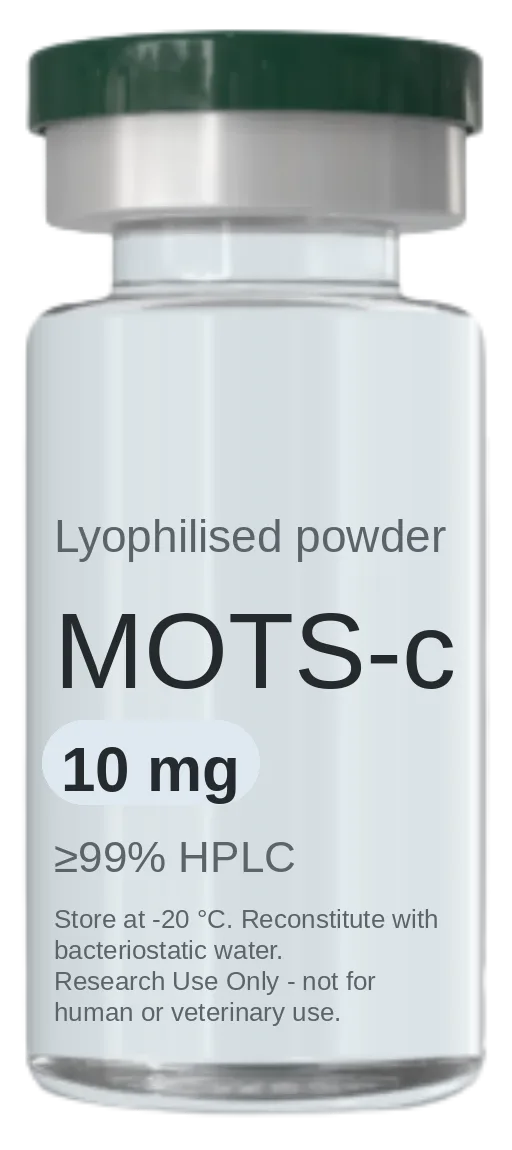
The central figure on a peptide COA is the HPLC purity percentage. In the reports PeptoClinic publishes from Janoshik Analytical, Retatrutide (task 136921) came back at 99.893% against a 10 mg label, with 11.96 mg of measured content. MOTS-c (task 136923) came back at 99.669%, with 11.31 mg of measured content. That gap between batches is normal — no credible supplier shows the same ceiling number on every lot, because a real report documents the sample it tested, not an average it is promising to hit.
Other reports, such as GHK-Cu (task 204977, 50 mg label) or BPC-157 combined with TB-500 (task 204975, 10 mg total, 5 mg of each peptide), do not always display a purity percentage as a headline figure in the body of the report. In those cases, what matters is the content found and the method used, and confirming the task number against the physical batch exactly the same way.
If a supplier only ever shows the single best percentage they have ever obtained, and never the full report for the specific batch being sold, that is a marketing average, not a certificate.
Signs a certificate cannot be trusted
- The PDF has no task number, or it is cropped or obscured by the layout of the image.
- The test date is unreadable, or it sits far from the date the batch is being sold.
- The same PDF turns up for different batches from the same supplier — something only visible by comparing separate orders over time.
- The seller cannot name the method used. HPLC is the standard for peptide purity; a vague answer about "another method" with no detail is worth pushing on.
- No one can name the laboratory that signed the report, beyond "it was tested."
None of these signs alone proves fraud, but taken together they carry more weight than any seal or badge a supplier's site displays without a PDF behind it.
For laboratory research only
Everything described here applies to material supplied strictly for laboratory research (Research Use Only): in vitro and research-setting use. None of these compounds is a medicine, a supplement, or a food, and nothing published in a certificate of analysis implies approval for human or veterinary consumption, diagnosis, or treatment. No claims about any compound referenced here have been evaluated by the FDA or any equivalent authority. A purity certificate describes what an instrument measured in a sample — it does not authorize or recommend any use on a person or animal.
The published reports above sit in the full PeptoClinic catalogue, alongside the documentation that ships with each batch and the research framework under which every compound is quoted.
Frequently asked questions
What exactly is the "task number" on a Janoshik report?
It is the unique identifier the laboratory assigns to each analysis it runs. It is what separates a genuine report from a copy recycled from a different batch, because no two distinct analyses ever share that number.
Does a certificate of analysis guarantee the vial I received is pure?
It guarantees that the sample the laboratory tested returned that result, on that date, with that method. It does not guarantee that the vial that arrived is that exact sample, unless the supplier can show the match between the physical batch number and the report's task number.
Why do different batches of the same peptide show different purity percentages?
Because each batch is a separate production run, and HPLC measures the actual sample from that run rather than a fixed number. A supplier who always shows the same percentage for every batch is likely showing one old report instead of the report for the current batch.
What does HPLC mean, and why is it the method to look for?
HPLC is high-performance liquid chromatography, the standard method in the industry for separating and quantifying the components of a peptide sample. It is the method behind the purity percentage that appears on these certificates.
What should I do if a supplier only sends a screenshot of the certificate?
Ask for the full PDF. A screenshot can crop exactly the part that looks best and hide the task number, the test date, or the laboratory's letterhead — the fields that make the report checkable.
Does every Janoshik certificate include an online verification link?
No. Not every report carries a working verification link on the laboratory's own site. When it does not, the check is done by comparing the full PDF — task number, compound, date — against the physical batch and against what the supplier can explain about that match.
Does this same method work for certificates from other laboratories, not just Janoshik?
Yes. The method — requesting the full PDF, cross-checking the report number, compound, and date against the physical batch, and distrusting cropped screenshots — applies to any laboratory issuing certificates of analysis for research peptides.
Does a certificate of analysis provide guidance on how to use the product?
No. A certificate of analysis documents the purity and content of a sample tested in a laboratory. It is not, and is not meant to be, usage guidance: all material referenced in these reports is intended strictly for laboratory research, not for human or veterinary consumption.
Compounds mentioned
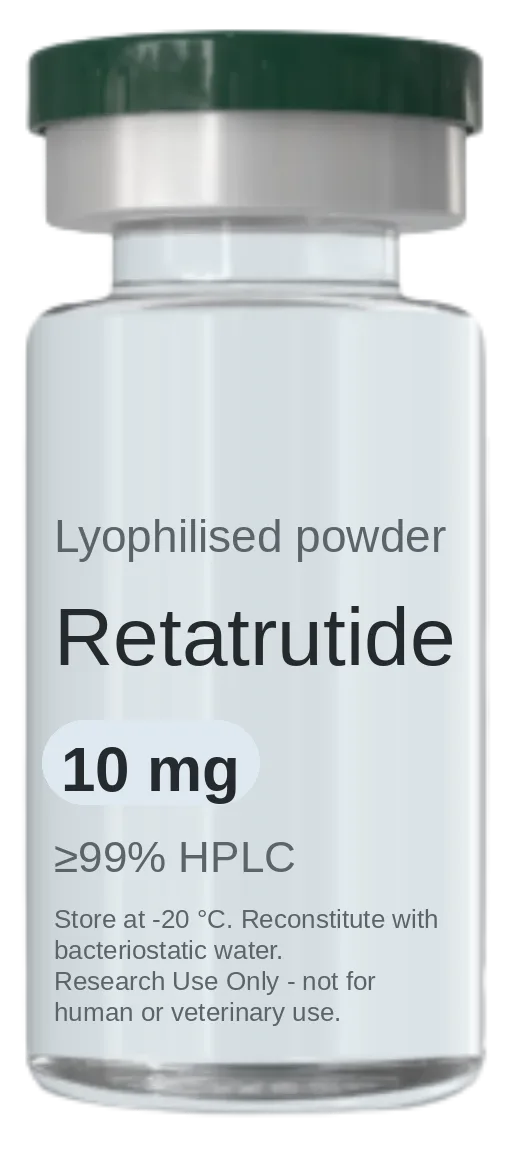
Retatrutide
Triple-agonist metabolic research peptide targeting GLP-1, GIP and glucagon receptors.
- Purity:
- ≥99% HPLC
- Sizes available:
- 10 mg
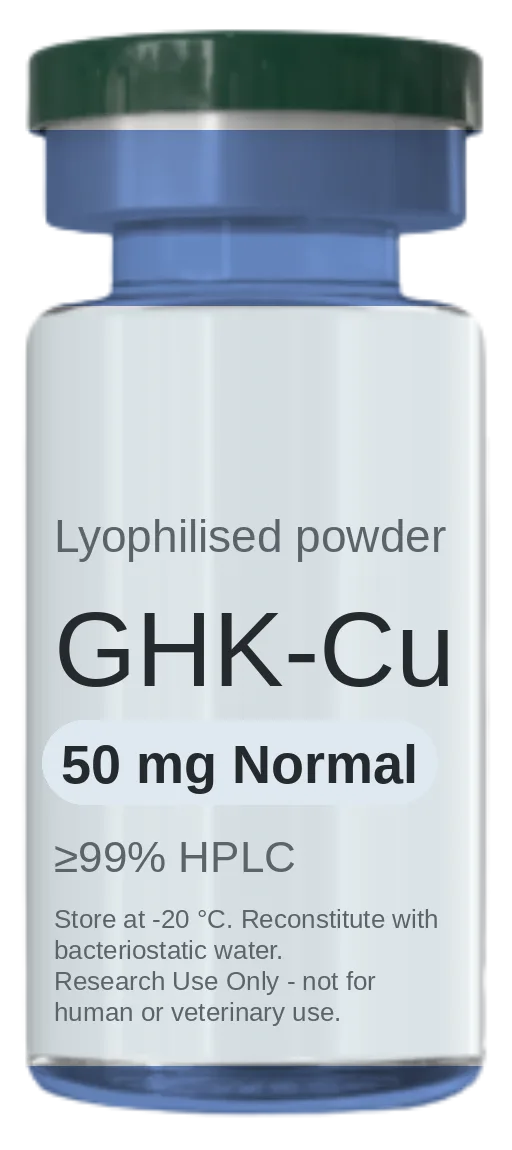
GHK-Cu (Copper Peptide)
Copper-binding tripeptide studied in extracellular matrix and dermal research models.
- Purity:
- ≥99% HPLC
- Sizes available:
- 50 mg Normal – 50 mg Plus
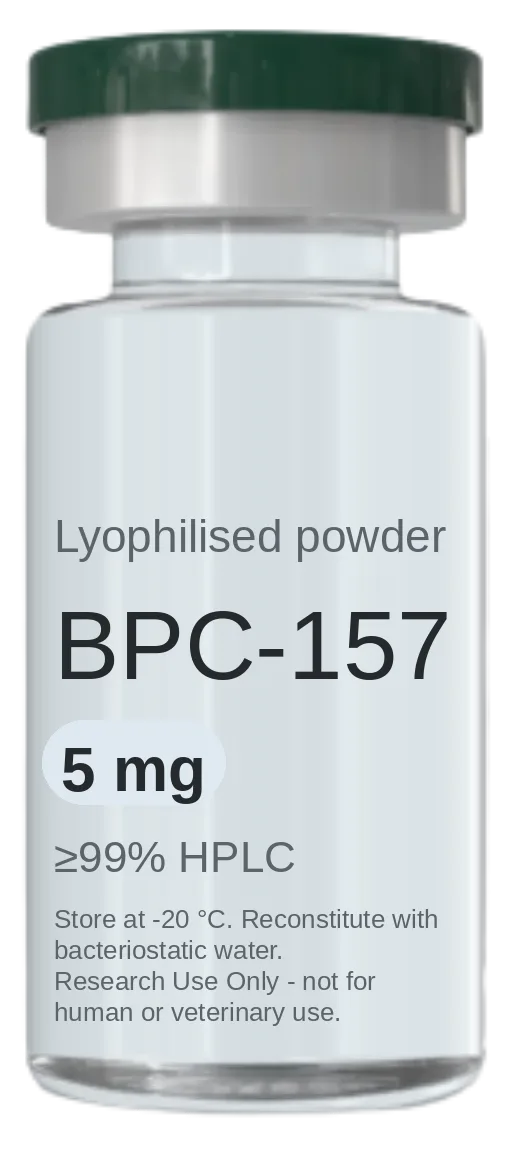
BPC-157 + TB-500
BPC-157 and TB-500 in a single vial — the pairing most studied together in tissue-repair research.
- Purity:
- ≥99% HPLC
- Sizes available:
- 5 mg + 5 mg
The consultation
One intake that settles goals, history and contraindications alongside compound, quantity, documentation and route — reviewed by a physician before anything ships.
More notes
-
No Batch Number on the Invoice: Customs
If a peptide shipment's invoice skips the batch number, Argentine customs can hold it and request supporting documents.
-
Retatrutide vs. Tesamorelin: What's Different
Retatrutide and tesamorelin target different receptors and different research questions — here's what the documentation shows.
-
KPV vs. Selank: What's the Difference
KPV is an anti-inflammatory tripeptide; Selank is a nootropic peptide. We compare origin, research focus and documentation for each.