
Note
Import VAT on a Research Peptide in Argentina
What taxes a research peptide shipment pays entering Argentina, how they're calculated, and what paperwork to keep.
Import VAT on a research peptide entering Argentina isn't paid by the recipient at a separate window: the courier or the postal service collects it at delivery, bundled with two other taxes — a standard VAT rate, an additional VAT withholding, and an income tax withholding. Nobody files anything. The shipment arrives with the tax already calculated, and the package is held until it's paid.
What taxes apply, beyond VAT itself
A search for "how is import VAT paid" usually turns up only part of the bill. Argentina's customs regime for international shipments applies three charges at once, all calculated on the declared value of the goods:
- General VAT, the standard rate applied to almost any import of goods.
- Additional VAT withholding, an advance on that same tax, charged because the recipient of a shipment is, in most cases, not a registered VAT taxpayer who would otherwise use it as a credit further down a resale chain.
- Income tax withholding, a separate advance, this one against income tax, also calculated on the value of the goods.
All three are calculated on the tax base that the customs system builds, not on the price the buyer paid at the point of origin — and that gap between the two figures is what confuses most first-time importers.
Who calculates this, and when
The circuit is straightforward: the shipment enters through the postal-package regime or through a private courier, Argentina's customs authority (Dirección General de Aduanas) reviews the declaration and calculates the charges, and the courier or postal service collects them from the recipient before handing over the package — or charges a card already on file for the transaction. At no point does the recipient have to go anywhere to file or calculate anything on their own; they get a notice with the amount owed, and the package releases once it's paid.
This is different from a formal commercial import — the kind that goes through a customs broker with a DJAI filing, which is the circuit companies use when importing to resell. For the volume and type of shipment this article is about — a single laboratory order — it's the simplified circuit that applies.
Why the customs declaration matters as much as the tax rate
How the package is declared matters as much as the tax itself. PeptoClinic prepares the customs paperwork so that each shipment to an Argentine destination is declared as what it is: laboratory reference material for research, not a consumer product. That declaration determines the tariff classification the system uses to calculate the tax base — and therefore the final amount of VAT and withholdings the recipient ends up paying.
This distinction isn't cosmetic. A research peptide like retatrutide doesn't get the same customs treatment as a pharmaceutical or a dietary supplement, and misdeclaring it — whether by underdeclaring the classification or filing it under a category it doesn't belong to — is what causes delays, requests for additional paperwork, or a package held in bonded storage. Preparing the origin documentation before the shipment goes out — the invoice, a description of the contents, and the batch's certificate of analysis when it's needed to establish what the material actually is — is what avoids that kind of friction.
What happens if a package is held for value or paperwork
If the declared value crosses the threshold that triggers a closer review, or if the paperwork accompanying the shipment isn't enough for the customs officer to identify the contents, the package sits in bonded storage until it's resolved. At that point the recipient may need to present the original commercial invoice and, depending on the case, a brief note clarifying what the material is used for. Having those documents on hand from the moment the order is placed — not scrambling for them once the customs notice arrives — is what turns a days-long process into hours.
The shipping page details what paperwork accompanies each batch shipped to a destination in the region, Argentina included.
What to keep from the shipment
To minimize any request for clarification from customs or the courier, it's worth holding onto:
- The commercial invoice that accompanies the shipment, with a description of the contents.
- The certificate of analysis (COA) for the batch, when the supplier issues one — in the catalog, every compound with a published lab report notes it.
- The receipt for the taxes the courier collects at delivery, in case it's needed to show the shipment has already cleared.
The quality page explains how to read a certificate of analysis from Janoshik Analytical, the laboratory that issues the reports for the batches published in the catalog — useful both for verifying what's in the vial and for backing up the customs declaration if an officer asks for more detail about exactly what arrived.
Laboratory research use only
Everything above applies to peptides supplied as laboratory research material — in vitro and laboratory use, not clinical use. No product in the catalog is approved as a drug, supplement or food, or evaluated by ANMAT, the FDA, or an equivalent authority, and none is intended for human or veterinary consumption, diagnosis or treatment. None of the customs process changes that: the peptide enters the country as what it is, reference material for research.
Frequently asked questions
Is import VAT paid before the package arrives or when it's delivered?
It's paid at delivery, or immediately before it: the courier or postal service collects the amount customs calculated and releases the package once that amount is paid.
Do I need to be a registered VAT taxpayer to import a research peptide?
No. The simplified postal-shipment regime is built for recipients who aren't registered VAT taxpayers or regular importers, which is why the system applies VAT and income tax withholdings as an advance, rather than treating the shipment as a commercial import with a tax credit.
What's the difference between general VAT and the additional VAT withholding?
General VAT is the tax on the value of the imported goods. The additional withholding is an advance on that same tax, meant for cases where the recipient won't be claiming that VAT as a credit on a later tax filing — which is the typical situation for an individual receiving a shipment for their own use.
Is the tax base the price on the quote, or something else?
Customs calculates the tax base using its own valuation of the declared goods, which can include the value of the merchandise plus the freight and insurance for the international shipment. It doesn't always match the commercial invoice figure to the cent, though the invoice is part of what it's built from.
Does declaring the shipment as laboratory material change the amount of tax owed?
It changes the tariff classification the shipment is assessed under, and that classification is what determines the applicable rate. An accurate declaration is what avoids both a miscalculated charge and a delay from reclassification in bonded storage.
What happens if the package gets held at customs?
It's usually resolved by presenting the commercial invoice and, if requested, a note clarifying what the contents are used for. Having those documents ready from the moment the order is placed is what shortens the process.
Does the batch's certificate of analysis help with customs?
It can serve as supporting documentation for what the shipment's contents actually are, if a customs officer asks for more detail beyond the invoice, though the invoice is usually the document requested first.
Does this apply to every compound in the catalog, or only some?
The customs and tax circuit is the same postal-shipment regime for any compound in the catalog shipped to an Argentine destination; what changes from one product to another is the specific origin and analysis documentation that accompanies it.
Compounds mentioned
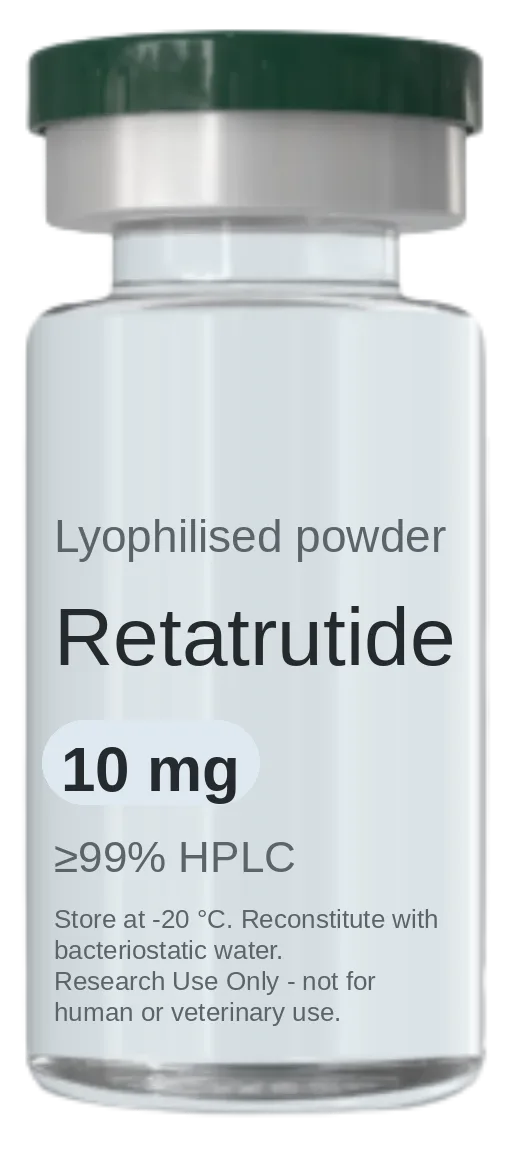
Retatrutide
Triple-agonist metabolic research peptide targeting GLP-1, GIP and glucagon receptors.
- Purity:
- ≥99% HPLC
- Sizes available:
- 10 mg
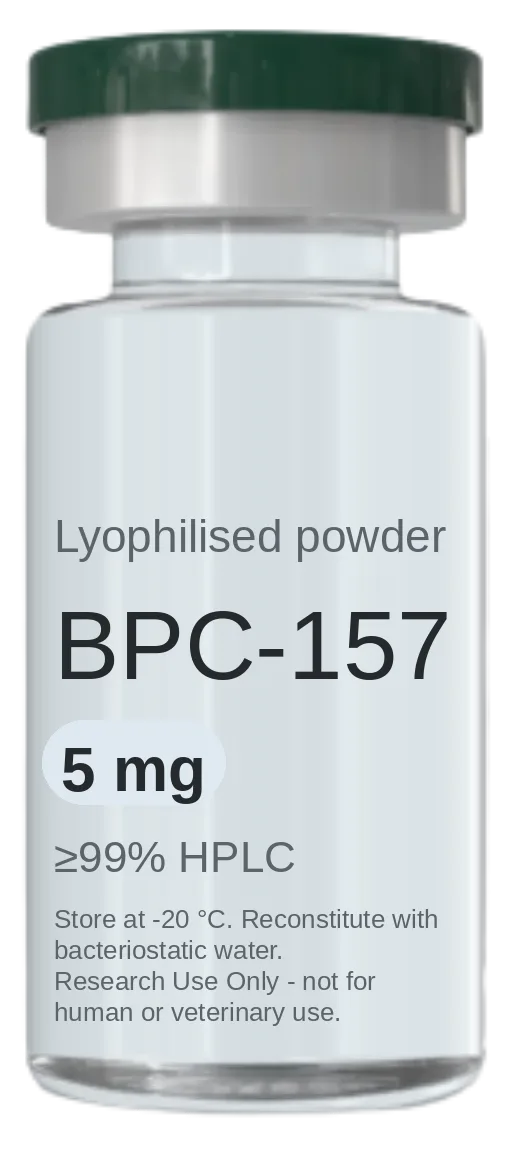
BPC-157 + TB-500
BPC-157 and TB-500 in a single vial — the pairing most studied together in tissue-repair research.
- Purity:
- ≥99% HPLC
- Sizes available:
- 5 mg + 5 mg
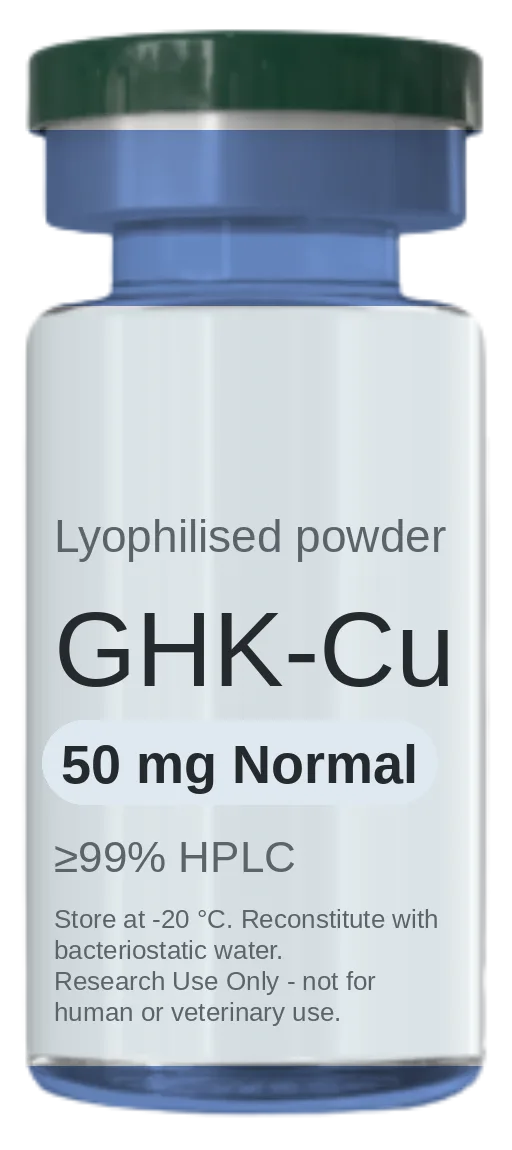
GHK-Cu (Copper Peptide)
Copper-binding tripeptide studied in extracellular matrix and dermal research models.
- Purity:
- ≥99% HPLC
- Sizes available:
- 50 mg Normal – 50 mg Plus
The consultation
One intake that settles goals, history and contraindications alongside compound, quantity, documentation and route — reviewed by a physician before anything ships.
More notes
-
Temporary Import Regime & Peptides
Temporary import covers goods that leave the country again; a research peptide shipment stays and gets used up.
-
Retatrutide vs GHK-Cu: What's the Difference
Retatrutide and GHK-Cu are different molecules studied for different reasons. Here's what each investigates and what documentation backs a batch.
-
Invoiced vs. Unbilled Peptide Suppliers
What changes when a research peptide supplier invoices the transaction versus one that takes payment and leaves no paper trail.