
Note
Own-Stock vs Dropshipping Peptide Suppliers
The difference between a research peptide supplier with own stock and one that dropships, and how it shows up on the certificate of analysis.
The core difference is who has the vial in hand before it ships. A supplier with own stock buys the batch, receives it, stores it, and dispatches every order from that physical inventory — so it can show the certificate of analysis for the exact batch you are getting, because it has that batch. A dropshipping supplier never touches the product: it takes your request, forwards it to a third party — sometimes the manufacturer, sometimes another intermediary — and that third party is the one who packages and ships directly. The buyer never has certainty about which hands the vial passed through between the lab and their door.
For research peptides, that is not a logistics footnote. It is the difference between answering "which batch is this, and what does the lab report say about it" with an actual document, or answering with a general promise about a manufacturer's quality that the seller never verified firsthand.
What "own stock" means in this category
Own stock means the supplier buys volume from a manufacturer, receives it into its own storage, and dispatches each individual order from there. That structure makes three things possible that a dropshipper cannot offer:
- An identifiable batch. Each bulk purchase comes with a batch number, and if the supplier is serious, with an analysis report for that specific batch — not a generic report that claims to represent the compound overall.
- Control over storage. The supplier knows how long that vial sat in its own inventory and under what conditions, and can confirm it did not pass through untracked intermediate warehouses.
- Consistency across orders. If the same compound is requested twice months apart, there is a real chance it comes from the same batch or a sibling batch with a matching purity profile.
PeptoClinic's catalog works on this model: the material quoted is the material in stock, tied to the laboratory report for that batch. The full catalog is listed on the catalog page.
What dropshipping means in peptides
Dropshipping in this market typically works like this: an online store builds a catalog with photos and descriptions copied from a wholesale manufacturer — often one in China or Europe with high minimum order quantities — but never buys the stock itself. When an order comes in, the store forwards it to the wholesaler, who packages it under its own label, or with no label at all, and ships directly to the buyer.
This is not automatically fraud. Legitimate wholesalers work this way with small distributors all the time. The problem is structural, not moral: the supplier you dealt with never held the vial, so it cannot certify what arrived — it can only repeat whatever the wholesaler told it would be sent. If the wholesaler switches batches, changes the diluent formulation, or swaps quality-control labs, the dropshipping store finds out at the same time you do, or later.
The four things that change in practice
The certificate of analysis, or the lack of one
With own stock, the certificate of analysis (COA) shown to you matches the batch in your hand: same batch number, same laboratory, same analysis date. With dropshipping, the more common pattern is a "catalog" COA — a generic PDF for the compound that circulates unchanged for months or years, with no guarantee it corresponds to the actual batch shipped to you.
PeptoClinic publishes batch reports produced by Janoshik Analytical, dated and with a stated purity result. Retatrutide measured 99.893% on that batch's report; MOTS-c measured 99.669%. How to read a real certificate is covered on the quality page, and the specific report for retatrutide for Argentina is published there.
Batch traceability
A supplier with own stock can tell you which batch your vial came from and show you that batch's report. A dropshipper depends on whatever the wholesaler reports back, and that chain of custody has a link the buyer never sees. When someone asks "how do I know this peptide is what the label says," the answer always starts there: who held the vial, and what document travels with it.
Consistency across purchases
If the same compound is requested twice, months apart, own stock gives continuity — same supplier, same quality control, often the same batch. With dropshipping, each order can come from a different wholesaler depending on whatever arrangement the store has at that moment, without the buyer knowing. BPC-157 requested in January and again in July can end up having nothing in common but the name on the label.
Shipping and customs documentation
For a destination like Argentina, material ships with documentation prepared for its import as laboratory reference material. A supplier with own stock controls that process end to end, because it is the one packaging and declaring the shipment. A dropshipper depends on how the third party packages and declares it — a third party that may be in another country with different customs practices. How shipments are prepared is covered on the shipping page.
Why dropshipping is so common in this category
It makes economic sense for whoever runs it: no inventory to buy upfront, no storage cost, and a large catalog can be listed without tying up capital. For low-risk categories, that is fine. For material used in laboratory research, where purity and batch traceability are the whole point, it is exactly the weak link: no one in the visible chain holds the vial, and no one in the visible chain can certify anything about it beyond repeating what they were told.
How to tell them apart before requesting a quote
The fastest way to know which type of supplier you are dealing with is to ask for the certificate of analysis for the specific batch — not for the compound in general — and check whether the batch number on the certificate matches the one on the vial label. If a supplier cannot show that correspondence, or the certificate is months old with no verification link to the laboratory, you are likely dealing with an intermediary that never held the material.
A certificate with no batch attached to it certifies nothing except that a PDF exists.
Laboratory research use only
All material described here is for in vitro and laboratory research. It is not approved or intended for human or veterinary consumption, diagnosis, or treatment, and it does not substitute for any regulatory evaluation. PeptoClinic is not a pharmacy, clinic, or telehealth provider, and does not offer usage protocols or prescriptions. Any request for human-use guidance is declined. More on this model is on the about page.
Frequently asked questions
Is a supplier with own stock always more expensive than a dropshipper?
Not necessarily because of the model itself — price depends on volume, compound, and manufacturer arrangements — but a supplier with own stock typically quotes the real cost of holding inventory and running quality control, while a dropshipper can quote lower because it does not carry that cost or that risk.
How do I know if a supplier holds stock or dropships?
Ask directly whether the certificate of analysis matches the batch you will actually receive, and whether the batch number on the certificate matches the one on the vial label. A supplier with own stock answers that without hedging, because it physically has the material.
Is dropshipping peptides illegal?
Not by itself. It is a common distribution model across many categories. The issue is not legal, it is traceability: the intermediary cannot certify which specific batch reaches the buyer.
Does an old certificate of analysis cover a new batch?
No. A certificate corresponds to one specific batch analyzed on one specific date. If the supplier switched batches and is still showing the same PDF, that document no longer describes what you are receiving.
Why does it matter who packages the shipment?
Because whoever packages it controls the handling conditions of the vial and the documentation that travels with the shipment for its entry as laboratory reference material. With dropshipping, that stage sits outside the direct control of the supplier you actually talked to.
How do I verify a Janoshik Analytical certificate?
Serious reports include a task identifier and, when the laboratory enables it, a direct verification link to its site. If a supplier cannot show that identifier or the link does not resolve, it is worth asking for clarification before treating the certificate as valid.
Does every compound in the catalog have a published certificate?
Not every batch has a report published in the same format; some include a direct verification link to the laboratory and others do not. What matters is that the certificate matches the actual batch and carries an analysis date, not that every one looks identical.
Does PeptoClinic sell directly or also work through intermediaries?
The material quoted comes from PeptoClinic's own base stock, tied to that batch's laboratory report. It is not a resale catalog without its own inventory.
Compounds mentioned
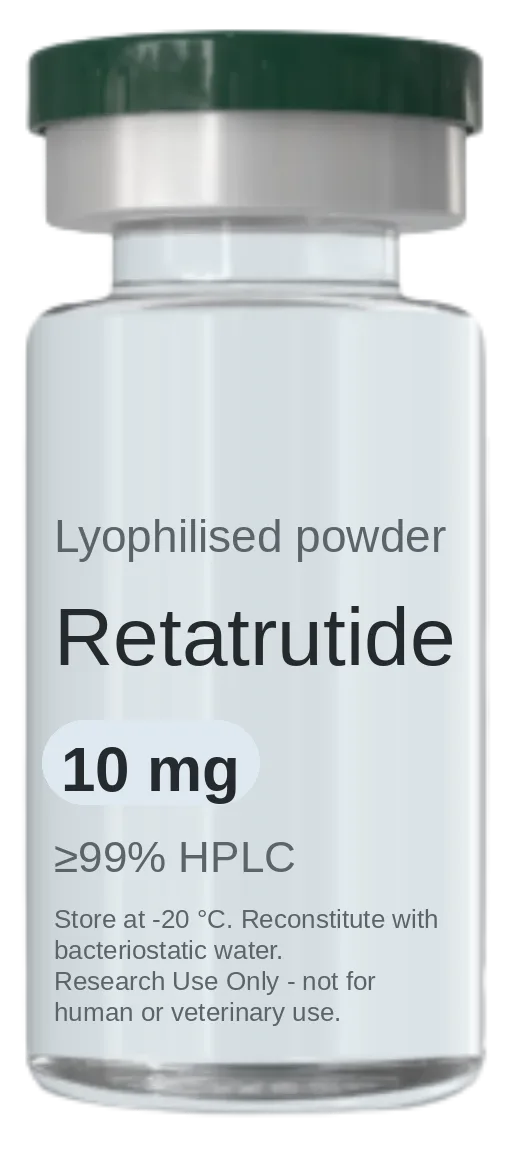
Retatrutide
Triple-agonist metabolic research peptide targeting GLP-1, GIP and glucagon receptors.
- Purity:
- ≥99% HPLC
- Sizes available:
- 10 mg
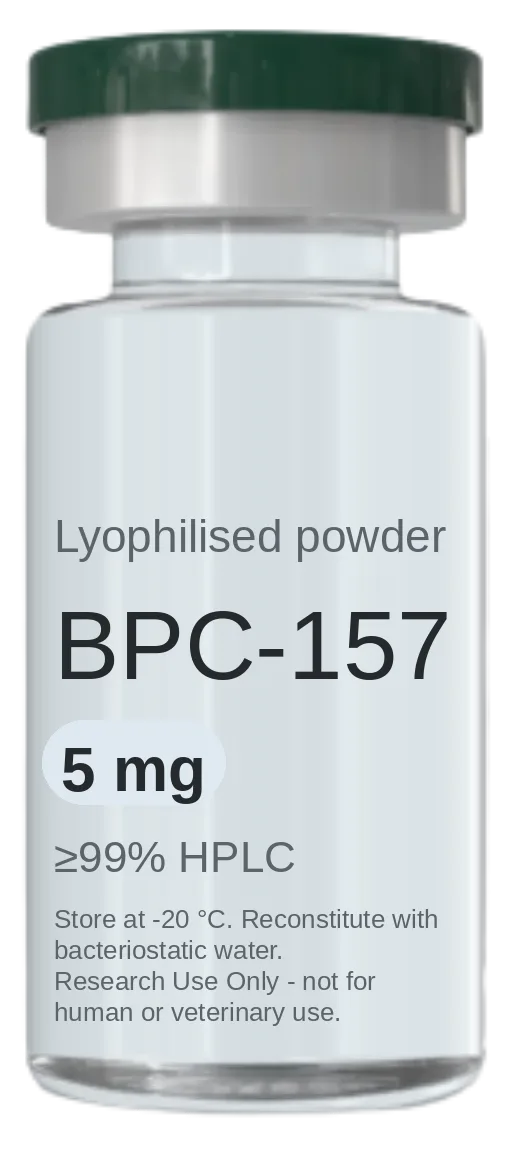
BPC-157 + TB-500
BPC-157 and TB-500 in a single vial — the pairing most studied together in tissue-repair research.
- Purity:
- ≥99% HPLC
- Sizes available:
- 5 mg + 5 mg
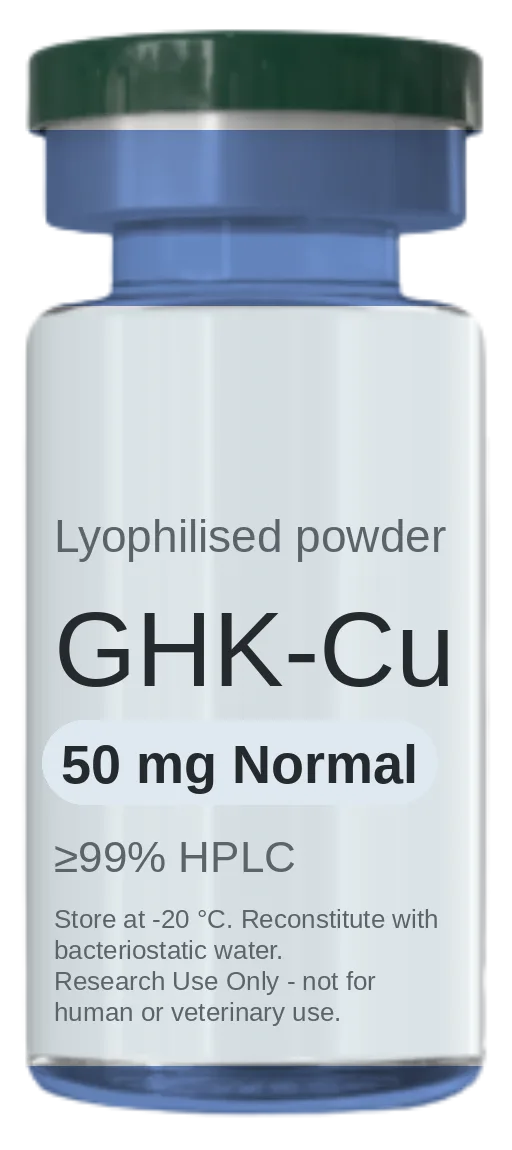
GHK-Cu (Copper Peptide)
Copper-binding tripeptide studied in extracellular matrix and dermal research models.
- Purity:
- ≥99% HPLC
- Sizes available:
- 50 mg Normal – 50 mg Plus
The consultation
One intake that settles goals, history and contraindications alongside compound, quantity, documentation and route — reviewed by a physician before anything ships.
More notes
-
Temporary Import Regime & Peptides
Temporary import covers goods that leave the country again; a research peptide shipment stays and gets used up.
-
Retatrutide vs GHK-Cu: What's the Difference
Retatrutide and GHK-Cu are different molecules studied for different reasons. Here's what each investigates and what documentation backs a batch.
-
Invoiced vs. Unbilled Peptide Suppliers
What changes when a research peptide supplier invoices the transaction versus one that takes payment and leaves no paper trail.