
Note
Paying USD for Peptide Shipping to Argentina
PeptoClinic quotes and charges in US dollars for research peptide shipments entering Argentina by courier, with customs paperwork to match.
Yes: PeptoClinic quotes and charges in US dollars, not Argentine pesos, because the operation runs out of a single base in the United States. A shipment of research material entering Argentina by courier is built from that dollar quote, with the customs paperwork prepared to declare the contents as laboratory reference material.
This isn't a pricing gimmick. It follows directly from where the operation sits: PeptoClinic has no office, warehouse or local entity in Argentina, so there is no local branch that could invoice in pesos. From the moment a researcher describes what they need to the moment the courier delivers the package, the whole transaction runs in dollars, start to finish.
Why is the quote in dollars instead of pesos?
Because there is no list price to convert. PeptoClinic is a technical supply consultancy, not a shop — there's no cart and no catalogue with fixed amounts. A researcher describes the compound, the purity specification, the quantity and the destination, and the technical team answers with a written quote, normally within one business day. That quote comes out in dollars because that's the currency the real cost of sourcing, packaging and dispatch is calculated in — there's no intermediate exchange rate to convert and no Argentine branch to absorb the difference.
If a specific compound is what brought you here, the full catalogue lists what's currently in stock as a lyophilised vial.
How does the shipment reach Argentina by courier?
The material travels as lyophilised powder in a sealed vial, at room temperature. There is no cold chain, because lyophilised powder is stable at room temperature for weeks: the box carries no coolant, no gel pack and no dry ice — just a sealed vial with desiccant, protected from light. Cold only becomes relevant after the vial is reconstituted in the destination lab, not during transit.
International courier is the channel used specifically because it allows tracking and because Argentine customs has a known procedure for small packages that are declared correctly. The detail of how the box is packed, and what to expect along the way, is on the shipping page.
One thing worth knowing before requesting a quote: Argentina is one of the destinations PeptoClinic serves, alongside other countries in the region. The Argentina page summarizes which compounds have a dedicated page for the local market and what requesting a shipment from there involves.
What paperwork travels with the package?
Every shipment ships with a commercial invoice that describes the contents as research material — not as a consumer product — and with batch traceability, when the compound has a published lab report. That's the piece a researcher needs to justify the import at Argentine customs: a package declared as exactly what it is, with a batch reference tied to the matching report.
This is different from an ANMAT certificate or a regulatory approval: PeptoClinic holds neither, and nothing on this site claims otherwise. No claims on this site have been evaluated by ANMAT, the FDA, or any equivalent authority. What does exist is the purity report from an independent laboratory, and that document is what actually lets a researcher verify what arrived in the box. How to read one is explained on the quality page.
What does it mean that the material is RUO?
RUO stands for Research Use Only: material intended exclusively for laboratory, in vitro research, never for human or veterinary consumption. PeptoClinic is not a pharmacy, not a clinic, writes or fills no prescription, and gives no guidance on dosing, administration or protocols. The site offers no telehealth and no medical consultancy — a question about human use gets a decline, not a recommendation.
That's why the invoice and the customs paperwork declare the shipment as what it is — reference material for research — rather than as a finished consumer product. Declaring it correctly is what lets an international courier process it without ambiguity.
Which compounds have a page specific to Argentina?
Some compounds in the catalogue have their own page written for someone searching from Argentina, following the same documentation standard: retatrutide, MOTS-c, GHK-Cu, BPC-157, CJC-1295 no DAC, tesamorelin and bacteriostatic water. Each one covers what the published literature investigated on that specific compound and what batch documentation ships with it to that destination.
To understand who's on the other side of the quote — and why the base is in the United States rather than Argentina — the about page describes the structure of the operation.
The material is for research, not human use
Everything quoted and shipped by PeptoClinic is laboratory research material — Research Use Only — never a medicine, a supplement or a food. It is not approved or intended for human or veterinary consumption, nor for the diagnosis or treatment of any condition. Nothing on this site replaces the review of a regulatory authority, and no question about use in people receives an affirmative answer.
Frequently asked questions
What currency is the quote paid in?
US dollars. The operation runs out of a single base in the United States and there's no local entity that invoices in pesos, so the quote, the payment and the invoice all run in the same currency from start to finish.
Does courier shipping to Argentina require any special customs process?
The package is declared as research material with the corresponding commercial invoice. It isn't a different process from any other correctly declared international parcel — what matters is that the description of the contents matches what it actually is: laboratory reference material, not a consumer product.
Does the shipment travel refrigerated?
No. The material ships as lyophilised powder in a sealed vial, stable at room temperature for weeks. It carries no gel coolant, no dry ice and no temperature logger, because it doesn't need them in that form. Cold only becomes relevant once the vial is reconstituted at the destination.
Is there a published fixed price for shipments to Argentina?
No. PeptoClinic doesn't publish prices: every order is quoted according to the compound, the quantity and the destination, and the answer comes back in writing, normally within one business day of describing what's needed.
What documentation certifies the purity of a batch?
The report from an independent laboratory, detailing the purity percentage found for that specific batch. It isn't an ANMAT or FDA certification — neither of those evaluated the product — but a third-party analysis that can be independently verified.
Does PeptoClinic provide dosing or usage guidance?
No. The material is supplied for laboratory research, and any question aimed at human or veterinary use gets a decline. There are no protocols, doses or administration instructions anywhere on the site.
Can a quote be requested without committing to buy?
Yes. The first step is describing the compound, the quantity and the destination; the answer is a written quote that the researcher evaluates before deciding whether to move forward.
What other countries, besides Argentina, receive shipments?
The United States, Uruguay, Chile, Paraguay, Bolivia, Peru, Brazil, Mexico and Colombia, in addition to Argentina. The documentation and customs-declaration standard is the same for every destination.
Compounds mentioned
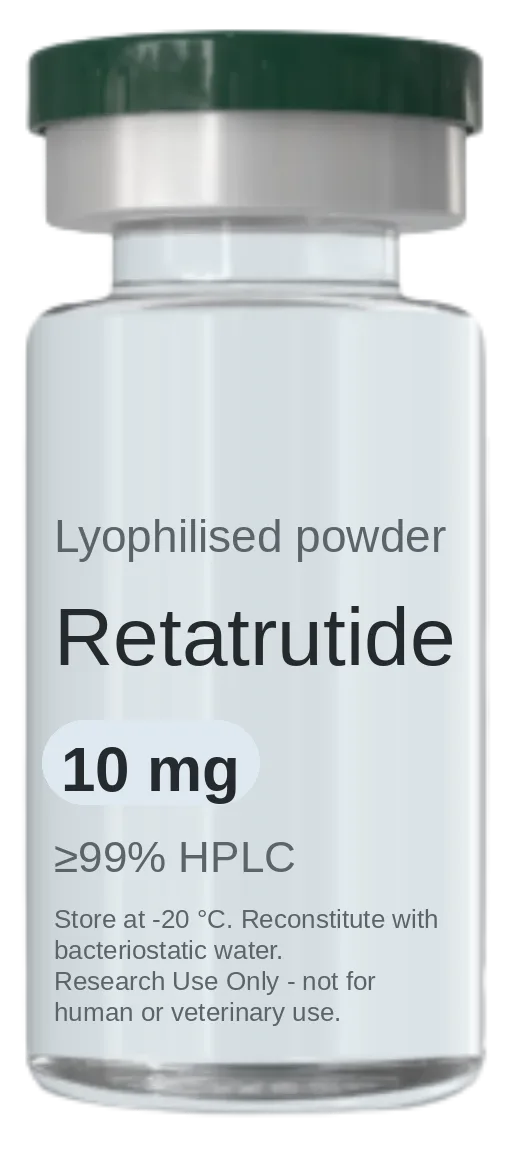
Retatrutide
Triple-agonist metabolic research peptide targeting GLP-1, GIP and glucagon receptors.
- Purity:
- ≥99% HPLC
- Sizes available:
- 10 mg
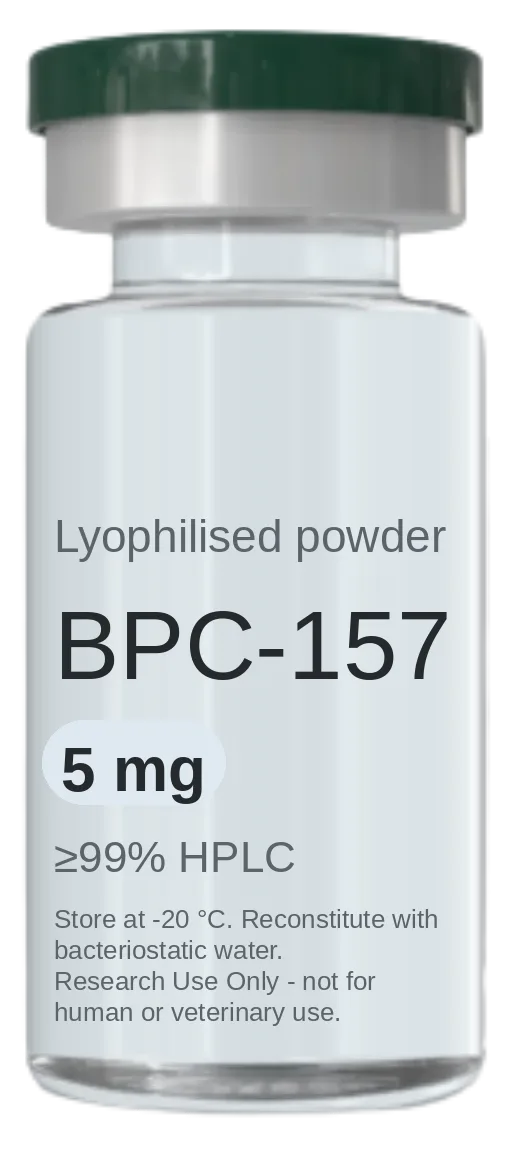
BPC-157 + TB-500
BPC-157 and TB-500 in a single vial — the pairing most studied together in tissue-repair research.
- Purity:
- ≥99% HPLC
- Sizes available:
- 5 mg + 5 mg
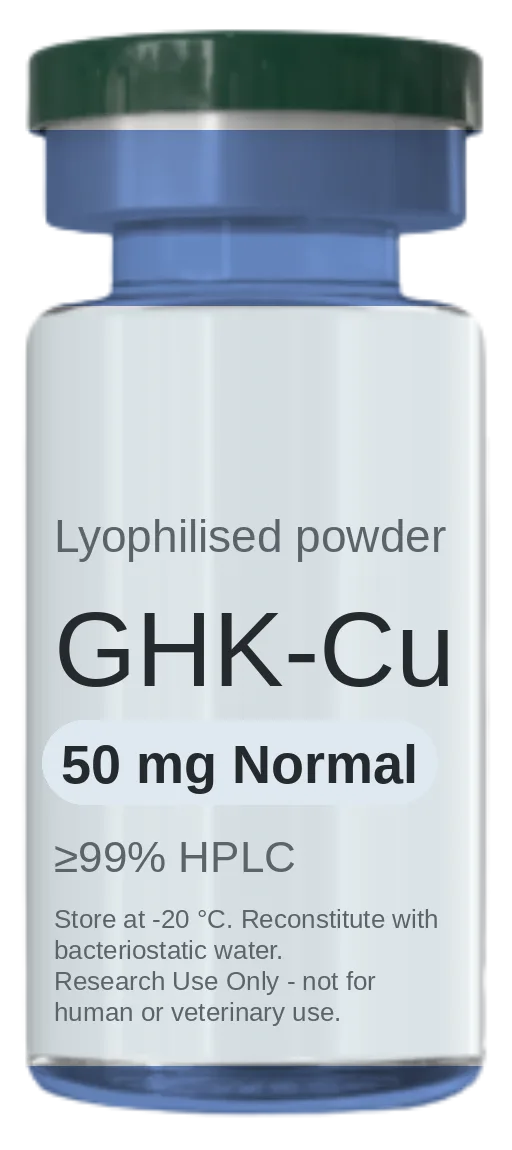
GHK-Cu (Copper Peptide)
Copper-binding tripeptide studied in extracellular matrix and dermal research models.
- Purity:
- ≥99% HPLC
- Sizes available:
- 50 mg Normal – 50 mg Plus
The consultation
One intake that settles goals, history and contraindications alongside compound, quantity, documentation and route — reviewed by a physician before anything ships.
More notes
-
GHK-Cu vs Epithalon: What's the Difference
GHK-Cu and Epithalon are distinct research peptides in structure and in what the literature studies on each. Here's the difference.
-
Freight Forwarder vs Courier to Argentina
Can a freight forwarder replace a courier to import research peptides into Argentina? What changes, and what the practical answer is.
-
No One Home for Your Argentina Shipment?
What happens when a research peptide shipment to Argentina arrives at an address with no one there to sign for it.