
Note
Paying Argentina's Customs Duty on Peptides
How the import duty on a research peptide shipment is paid when it arrives in Argentina, and who actually collects it.
The import duty on a research peptide shipment to Argentina is not something you pay directly to customs: the courier or postal service that delivers the package advances it to AFIP, then collects that amount from you at delivery, together with its own handling fee. That is how the door-to-door regime for international parcels works, and a vial of lyophilised laboratory material falls under the same category as any other small shipment from abroad.
Who actually pays the duty
There are two separate payments in this chain, and it's easy to conflate them.
- The courier pays AFIP. DHL, FedEx, UPS or the national postal service act as guarantors of the operation: they file the import declaration, calculate the duty based on the declared value and the product's tariff classification, and remit it themselves.
- You pay the courier. Only afterward do they charge you that amount — plus their own clearance fee — usually before handing over the package, or against delivery.
What matters, then, is not the number you work out at home but the one the customs system actually settles on, based on the invoice that travels with the shipment. A serious supplier sends that invoice with the real declared value of the goods, not a figure invented to dodge the duty: under-declaring doesn't lower what you end up paying, because customs can recalculate the operation, and it leaves you without documentation if you ever need to show what you actually received.
How the duty is calculated
The final amount depends on the product's tariff classification and its customs value — the commercial invoice, plus freight and insurance where applicable. Because rates, simplified regimes and exemption thresholds change over time, the source to check is always the one in force at the moment of shipment, not a number memorized from a past order: AFIP publishes the postal and international shipments regime with the current detail on how each case is calculated.
What stays constant is the logic behind the calculation. Customs doesn't ask the buyer anything — it works from what the sender declares on the invoice and the tariff heading that corresponds to that kind of merchandise. That's why the accuracy of the paperwork travelling with the package — description of contents, value, quantity — determines the duty far more than any estimate made in advance.
What documentation customs expects for a research peptide
A shipment of research material falls under the same documentary logic as any laboratory reagent imported by an individual:
- A commercial invoice with the product description, quantity and declared value.
- A description of the contents as what it actually is: a reagent or reference material for laboratory research use, not a medicine and not a supplement.
- A certificate of analysis (CoA) for the batch. It isn't a customs requirement in itself, but it serves as backup if customs asks for clarification about what the vial contains. The page on quality control explains how to read a CoA from a laboratory such as Janoshik Analytical, and what to check before accepting a stated purity figure at face value.
Correctly classifying the shipment as research material — rather than under a tariff heading meant for a different kind of product — is what avoids delays. An ambiguous declaration is the most common reason a package gets held for manual review instead of clearing directly.
Postal service versus private courier
Receiving a shipment through a private courier's door-to-door regime is not the same as receiving it through the traditional postal service.
- Private couriers (DHL, FedEx, UPS) tend to run a more automated settlement process and communicate the duty amount before delivery, by email or through their tracking platform.
- The postal service (Correo Argentino) handles shipments under a different regime, with its own timelines and its own notification method, typically a certified letter or a physical arrival notice at a branch office.
In both cases the principle is the same: someone settles the duty with AFIP before the package reaches you, and that cost gets passed on to you as a condition of delivery. No international shipment of this kind of material — as explained on the shipping page — gets delivered without first clearing that customs check.
Why the description matters as much as the value
The most common mistake isn't the declared value — it's the description of the contents. A shipment labeled simply "powder" or "sample" with no further detail raises more questions during customs review than one that clearly states what it is: a lyophilised research peptide intended for laboratory use. That clarity doesn't change the duty owed, but it does reduce the chance that the package gets stuck in a documentary review while customs requests clarification from the sender.
That's why, when a shipment of a compound like retatrutide or BPC-157 to Argentina is quoted, the paperwork that accompanies the batch — invoice, description and certificate of analysis — is prepared with that review in mind, not just the physical transit of the product.
Material strictly for laboratory research
Everything PeptoClinic quotes is supplied strictly for laboratory research use (Research Use Only, in vitro). It is not a medicine, not a supplement and not a food. No product in the catalog is approved for human or veterinary consumption, for diagnosis or for treatment, and none of its properties have been evaluated by ANMAT, the FDA or any equivalent authority. The duty the courier pays is the one that applies to a laboratory reagent, and the documentation accompanying the shipment describes it in those terms.
Frequently asked questions
¿Tengo que ir a la aduana a pagar el arancel en persona?
No. El courier o el correo gestiona la liquidación ante la AFIP y te cobra el monto a vos directamente, normalmente antes o en el momento de la entrega del paquete.
¿Qué pasa si el valor declarado en la factura es bajo?
El arancel se calcula sobre el valor que figura en la documentación que acompaña al envío. Un valor declarado incorrectamente no reduce lo que vas a terminar pagando si la aduana reliquida la operación, y además te deja sin un respaldo documental confiable sobre qué recibiste.
¿El courier me avisa antes de cobrar el arancel?
La mayoría de los couriers internacionales notifican el monto por mail o por su plataforma de seguimiento antes de la entrega. El correo postal suele avisar por carta documento o aviso de llegada a sucursal, con sus propios tiempos.
¿El certificado de análisis (CoA) sirve para algo en la aduana?
No es un requisito aduanero obligatorio, pero es un respaldo útil si se pide precisar qué contiene el envío. Es, además, el documento que te permite verificar la pureza del lote una vez que lo recibís.
¿El arancel es el mismo para todos los péptidos de investigación?
Depende de la clasificación arancelaria y del valor declarado de cada envío, no del nombre comercial del compuesto. Por eso la fuente confiable sobre el monto vigente es siempre la información oficial de la AFIP al momento del envío, no un número fijo de memoria.
¿Puedo evitar pagar el arancel si lo declaro como "muestra sin valor comercial"?
Declarar un valor que no corresponde a la mercadería real es un riesgo documental, no un ahorro: la aduana puede reliquidar la operación con otro criterio, y el envío queda sin respaldo si necesitás acreditar después qué recibiste.
¿Este arancel aplica igual si compro un solo vial o varios?
El criterio de cálculo es el mismo independientemente de la cantidad: lo que cambia es el valor total declarado en la factura, que es la base sobre la que se liquida el arancel.
¿Dónde consigo el monto exacto que me va a cobrar la aduana?
No hay un número fijo que se pueda dar de antemano con precisión, porque depende del valor del envío y del régimen vigente al momento de la importación. La fuente oficial y actualizada es el sitio de la [AFIP](https://www.afip.gob.ar).
Compounds mentioned
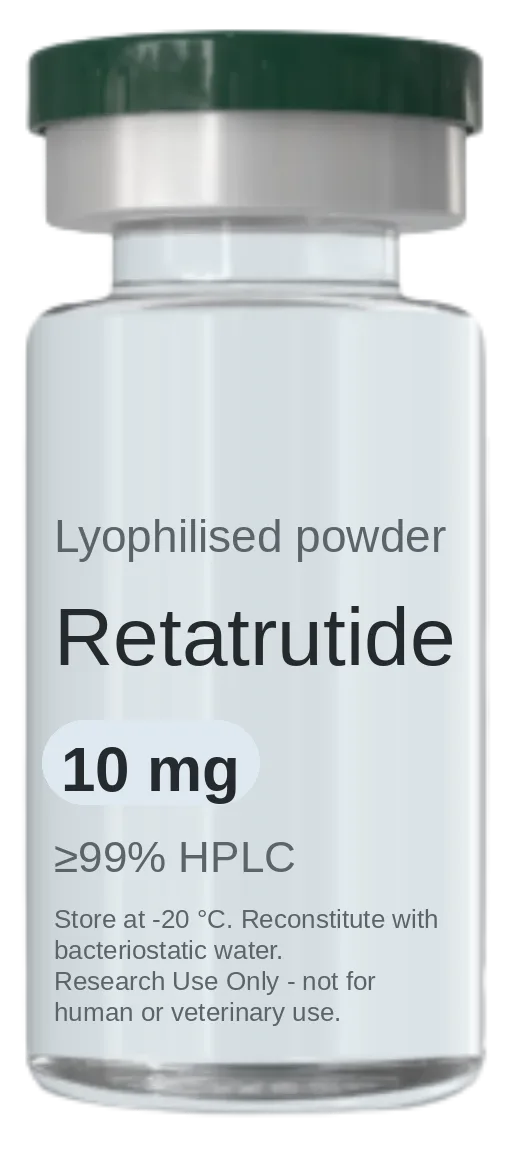
Retatrutide
Triple-agonist metabolic research peptide targeting GLP-1, GIP and glucagon receptors.
- Purity:
- ≥99% HPLC
- Sizes available:
- 10 mg
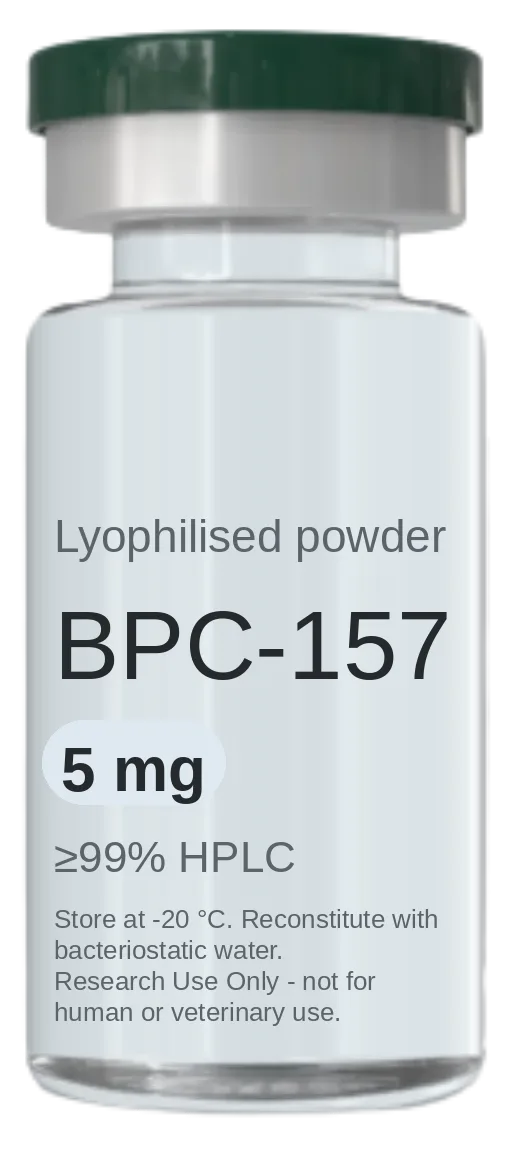
BPC-157 + TB-500
BPC-157 and TB-500 in a single vial — the pairing most studied together in tissue-repair research.
- Purity:
- ≥99% HPLC
- Sizes available:
- 5 mg + 5 mg
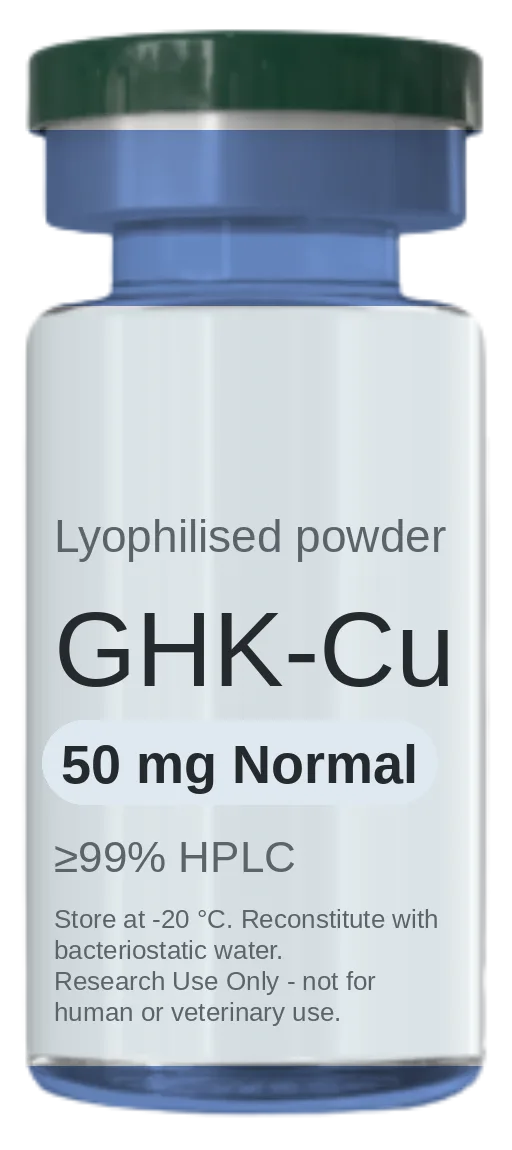
GHK-Cu (Copper Peptide)
Copper-binding tripeptide studied in extracellular matrix and dermal research models.
- Purity:
- ≥99% HPLC
- Sizes available:
- 50 mg Normal – 50 mg Plus
The consultation
One intake that settles goals, history and contraindications alongside compound, quantity, documentation and route — reviewed by a physician before anything ships.
More notes
-
No Batch Number on the Invoice: Customs
If a peptide shipment's invoice skips the batch number, Argentine customs can hold it and request supporting documents.
-
Real Peptide Stock or Catalog?
How to tell if a research peptide supplier holds real stock or is just quoting from a generic catalog, before you pay anything.
-
How to Verify a Janoshik COA
What to check on a Janoshik Analytical certificate to confirm a research peptide matches its stated batch.