
Note
Real Peptide Stock or Catalog?
How to tell if a research peptide supplier holds real stock or is just quoting from a generic catalog, before you pay anything.
A supplier with real stock can show you, for the exact batch they are about to ship, a dated certificate of analysis whose batch number matches the vial you will receive. If all they can produce is a generic PDF with no batch number, or a lab photo pulled from somewhere online, that is a catalog listing: they are quoting a compound they do not yet hold, and whatever arrives — if it arrives — may come from a different batch, a different purity, or a different origin entirely.
That is the question to ask any supplier before paying: does this certificate describe the batch you are sending me, or is it a general example of the compound? The answer separates two kinds of operation that sit side by side under the same heading.
What's the difference between quoting from a catalog and holding real stock?
Quoting from a catalog means the supplier publishes a list of compounds with a generic technical sheet — typical purity, format, molecular weight — and only sources the actual material from a third party after you pay. There is no vial in a freezer; there is a listing and an upstream supplier they call once an order comes in. The problem isn't the wait. It's that the certificate shown during the sale describes a batch that probably isn't the one you end up receiving.
Holding real stock means the supplier can identify, today, the physical batch they will send you and show the certificate for that specific batch. The proof isn't in the product page on the website — anyone can write that — it's whether they can tie a batch number to a laboratory document and to an actual vial.
How do you read a certificate of analysis to know it's the real batch?
A useful certificate of analysis (COA) carries, at minimum, four pieces of information that cross-check against each other: the name of the laboratory that signed it, the date of analysis, the batch number, and the HPLC purity result. If any of those four is missing, the document proves nothing about what you're about to receive.
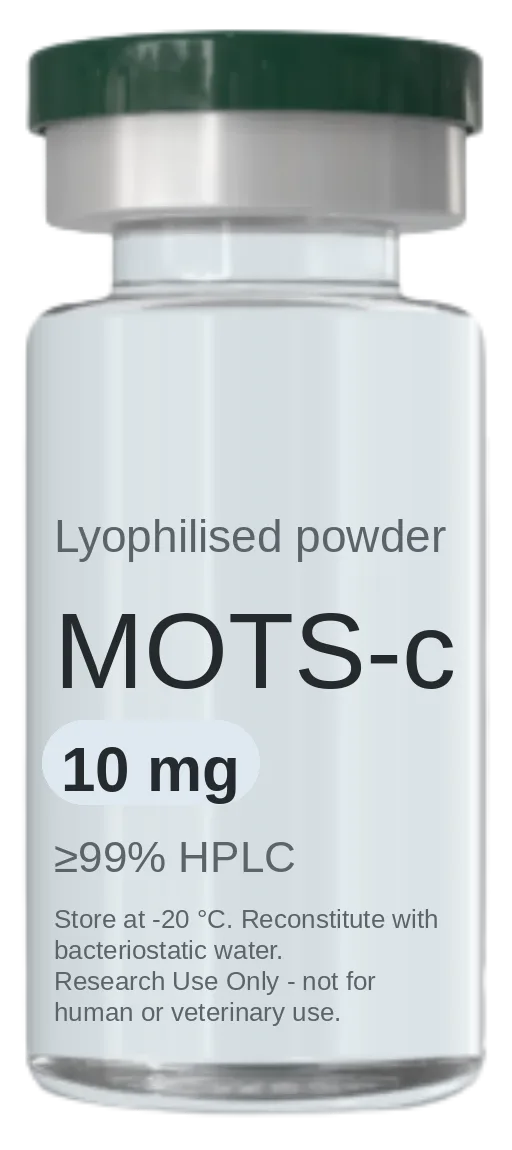
The detail worth checking first is the date. A certificate from 2023 that a supplier still shows in 2026 as "our purity analysis" doesn't describe today's batch — it describes a batch that sold out three years ago. Outside laboratories — PeptoClinic works with Janoshik Analytical — date every report and tie it to a specific task number. The report for retatrutide (task 136921) is dated April 13, 2026 and found 99.893% purity against a 10 mg label claim; the report for MOTS-c (task 136923), from the same date, found 99.669%. Those are different numbers for different compounds, each with its own lab task — that's what separates a real certificate from a purity figure invented on a product sheet.
You can read how PeptoClinic documents purity for each compound and what a laboratory task number actually means before accepting any certificate as valid.
What questions should you ask a supplier before paying?
The questions that separate stock from catalog are concrete, and a supplier with real stock answers them without hedging:
- Does the certificate you're showing me correspond to the batch you'll send, or is it a general example of the compound?
- Which laboratory ran the analysis, and can I verify the result independently?
- What's the batch number of the vial I receive, and does it appear on the certificate?
- How long does dispatch take once the order is confirmed? A supplier holding physical stock gives a concrete timeframe; one quoting from a catalog usually says "it depends," because they haven't sourced anything yet.
- What customs documentation ships with the order to my destination?
If any of these gets an evasive answer, or a "we'll confirm that after you pay," that's the clearest sign there's no stock behind the quote.
Why does the batch number matter more than the compound name?
The compound name — retatrutide, BPC-157, MOTS-c — identifies which molecule you're supposedly buying, but it says nothing about the actual purity of that specific shipment. The same compound can come from different synthesis batches, and each batch has its own laboratory result. Two batches of the same peptide can differ in purity, which is exactly why the batch number is the detail that connects the claim to the physical product.
When a supplier shows you a compound page with a "typical" or "average" purity and no batch number attached, they are describing an expectation, not a verified result. A page that instead points to the actual lab report for that compound, with its task number and its date, is pointing to the document that matters at the moment you decide.
What happens if a supplier can't show customs documentation?
Shipping research material to a destination like Argentina requires a customs file prepared specifically as laboratory reference material. A supplier who only quotes from a catalog, with no stock of their own, usually hasn't put that file together either — they draft it, or improvise it, only once the order is already paid and the shipment stalls at customs. Ask before paying what documentation ships with the order and whether it's already prepared for your destination, not afterward.
The material travels as lyophilized powder in a sealed vial, at room temperature — it needs no cold chain, because dry powder stays stable for weeks — protected from light with desiccant. If a supplier describes the shipment with dry ice, a coolant pack, or "temperature-controlled conditions" for a lyophilized vial, they're describing a process that doesn't match the product, and that's also a sign they aren't handling the shipment firsthand. You can see the detail of how each order is packaged and dispatched before confirming anything.
Signs a supplier only has a catalog, not stock
Some patterns repeat across operations that quote from a listing rather than from their own inventory:
- The same certificate of analysis, with the same date and the same batch number, shows up on several different sites selling "the same" compound.
- Every compound in the catalog shows exactly the same purity (for example, "99.9% across all products"), which is statistically implausible across different batches and different compounds.
- There's no way to verify the certificate independently: no laboratory name, no task number you can look up.
- Dispatch time is vague or changes depending on who you ask.
- The price swings between one inquiry and the next with nothing about the order changing, typical of someone quoting off a third party's real-time price.
A supplier with real stock isn't necessarily cheaper, but it is more consistent: the same batch, the same certificate, the same purity, every time you ask.
Laboratory research material, not for human or veterinary use
Everything quoted by PeptoClinic is supplied strictly as Research Use Only (RUO) material, for in vitro and laboratory research. No compound in the catalog is a medicine, a supplement, or a food, and none is approved or intended for human or veterinary consumption, diagnosis, or treatment. No claims about these compounds have been evaluated by the FDA, ANMAT, or any equivalent authority. PeptoClinic is not a pharmacy, a clinic, or a telehealth provider, and does not issue or fill any prescription.
Frequently asked questions
Does an old certificate of analysis confirm the purity of a new order?
No. A certificate describes the result for a specific batch on a specific date. If a supplier can't show a certificate tied to the batch they're sending today, the old document only works as historical reference for the compound, not as proof of what you'll actually receive.
How do I know the laboratory that signed the certificate is real?
Search for the laboratory's name independently and check whether it publishes a verification method for its reports, beyond the name and date printed on the document itself. A certificate with no laboratory name, or with a name you can't find anywhere else, doesn't prove anything.
Is a supplier with no stock of their own automatically untrustworthy?
Not necessarily, but it does change what they can guarantee at the moment of quoting. If they don't have the batch in hand, they can't show you the certificate for that specific batch, and what arrives depends on whatever their own upstream supplier has available at that moment.
What does it mean if every product in a catalog lists the same purity?
It's usually a sign that the purity figure is repeated marketing text rather than the real result of separate analyses on separate batches. Each synthesis batch has its own laboratory result, and it's unlikely that dozens of different compounds would land on exactly the same number.
Does the batch number have to appear on the physical vial?
Yes — it should appear on the vial label and match the number on the certificate of analysis the supplier showed before shipping. If the vial arrives with no batch number, or with one that doesn't match the certificate, there's no way to verify what you actually received.
Why would a supplier be slow to confirm dispatch time?
A supplier with physical stock already knows how long it takes to prepare and dispatch an order, because the material is already in their possession. If the answer is vague or changes day to day, the order likely depends on them sourcing the material themselves after you've already paid.
Does Argentina have different documentation requirements for this kind of shipment?
Shipping to a destination like Argentina requires a customs file prepared as laboratory reference material, specific to that import. It's a document that should be ready before you confirm the order, not something assembled once the shipment is already in transit.
Can you ask for the certificate of analysis before paying?
Yes, and it's the most direct question for telling real stock apart from a catalog listing. A supplier holding the physical batch can show the matching certificate without issue before payment; one quoting from a listing generally doesn't have that document to show until after the order is already moving.
Compounds mentioned
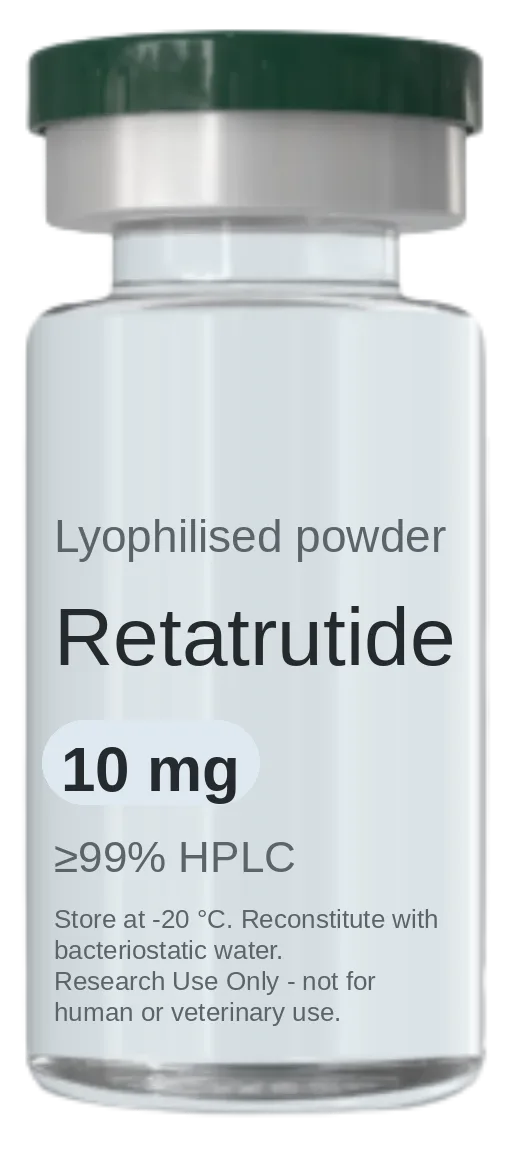
Retatrutide
Triple-agonist metabolic research peptide targeting GLP-1, GIP and glucagon receptors.
- Purity:
- ≥99% HPLC
- Sizes available:
- 10 mg
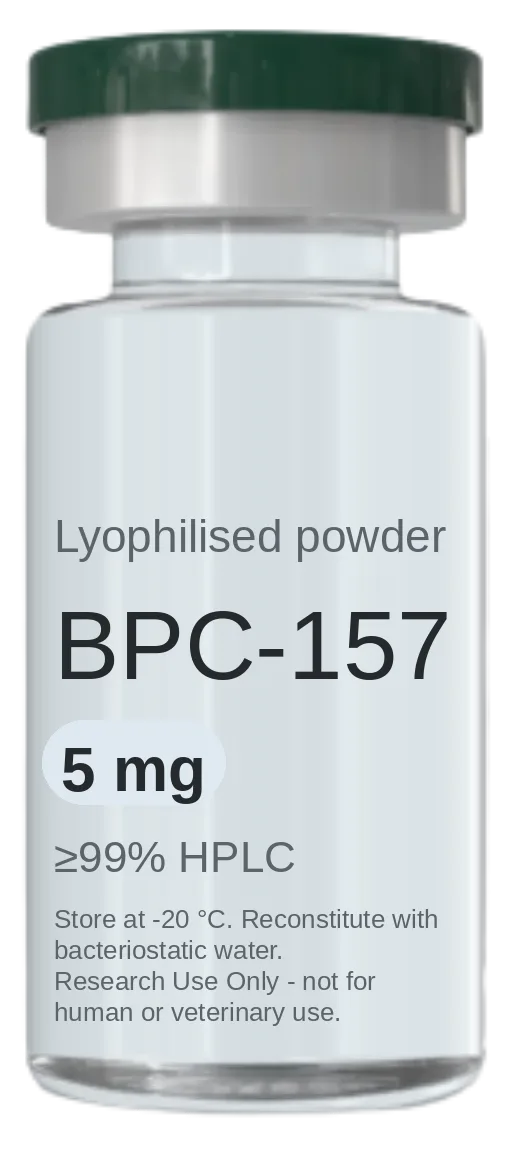
BPC-157 + TB-500
BPC-157 and TB-500 in a single vial — the pairing most studied together in tissue-repair research.
- Purity:
- ≥99% HPLC
- Sizes available:
- 5 mg + 5 mg
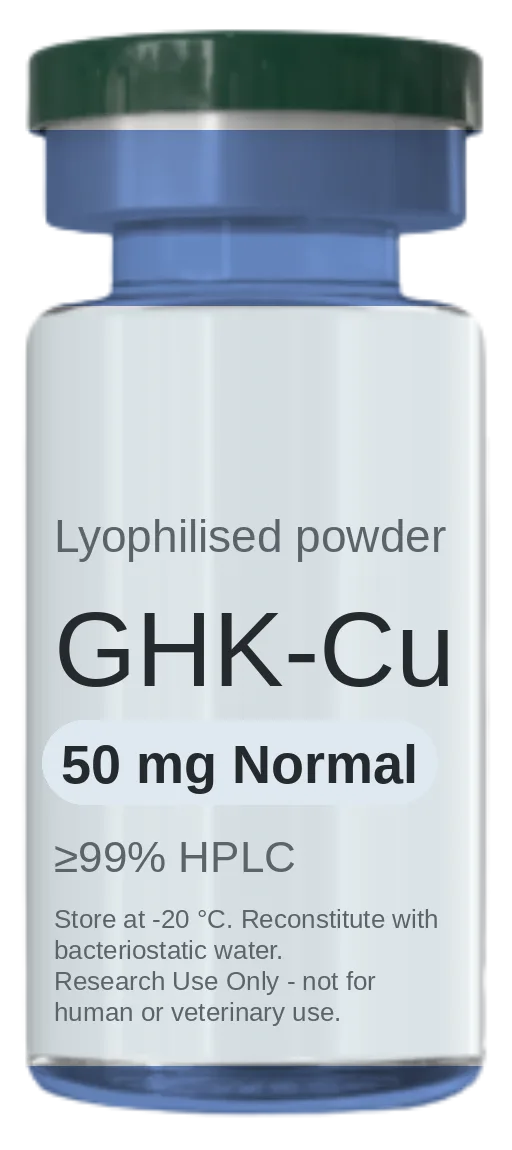
GHK-Cu (Copper Peptide)
Copper-binding tripeptide studied in extracellular matrix and dermal research models.
- Purity:
- ≥99% HPLC
- Sizes available:
- 50 mg Normal – 50 mg Plus
The consultation
One intake that settles goals, history and contraindications alongside compound, quantity, documentation and route — reviewed by a physician before anything ships.
More notes
-
No Batch Number on the Invoice: Customs
If a peptide shipment's invoice skips the batch number, Argentine customs can hold it and request supporting documents.
-
How to Verify a Janoshik COA
What to check on a Janoshik Analytical certificate to confirm a research peptide matches its stated batch.
-
Do You Need ANMAT Approval for Peptides?
Research peptides enter Argentina as lab reference material, not as medicine, and that distinction changes the whole import process.