
Note
Argentina Customs Rules for Peptide Couriers
What Argentine customs threshold applies to a courier shipment of research peptides, and the paperwork that keeps it from being held up.
There is no special customs allowance for "peptides" as a category: Argentina does not carve out research peptides in its tariff code, so a shipment like this is governed by the general courier import regime run by ARCA (formerly AFIP), and whether it clears smoothly depends on how the contents are declared, not on the name of the compound.
What the courier de minimis regime actually is
Argentine customs practice calls it the "door to door" regime: a simplified track for low-value, low-weight parcels arriving through a private courier (DHL, FedEx, UPS) or the state postal service, bypassing the full commercial import process. It runs on three limits that ARCA revises by decree from time to time: a per-shipment FOB value ceiling, a weight ceiling, and a cap on how many shipments per calendar year get the full tax benefit. Cross any of those and the parcel doesn't become unimportable — it just leaves the simplified track and either pays the ordinary duty on that class of goods or needs a formal import filing through a licensed customs broker.
Because these figures move periodically, quoting a dollar amount here would go stale within months. What actually matters before placing an order is checking the current value and weight thresholds on ARCA's own site, not a number copied from a blog post.
Why value and weight aren't the only variables
The simplified regime is built for goods of free circulation: clothing, consumer electronics, books, spare parts. When the declared contents require prior clearance from another regulatory body before they can be released, the parcel falls out of the door-to-door track regardless of value, and has to go through the general import process instead. The three cases that come up most often with laboratory substances are:
- ANMAT, when the shipment is declared as a medicine, pharmaceutical drug, or a product intended for human or veterinary use.
- SENASA, when the declared purpose is agricultural or veterinary.
- RENPRE, when the substance appears on the controlled chemical precursors list.
None of the research peptides in PeptoClinic's catalogue appears on RENPRE's precursor list, and none is declared as a medicine — that distinction is the foundation the entire site is built on, and it's exactly why the customs declaration matters more than the compound's name.
So does a research peptide shipment qualify?
It can, and the variable that decides it is the declaration, not the molecule. A shipment declared as what it actually is — laboratory research material, not intended for human or veterinary consumption, with no therapeutic indication anywhere on the invoice or the label — gets classified as a laboratory reagent or research input, not a pharmaceutical, and that classification is what lets it move through the general low-value shipment regime instead of sitting stuck waiting for an ANMAT permit that a non-medicine product couldn't even apply for in the first place.
The same compound declared with human-use language — a suggested dose, a note about "weight loss" or "muscle recovery" — runs the opposite risk: an inspector can read that as an unregistered medicine, and that's where shipments actually get held, because an unregistered medicine has no threshold that saves it, no matter how low the declared value.
Retatrutide is a useful example: it's a compound under active research attention, and a shipment of it is treated exactly the same way as any other research material under this regime — the classification rule doesn't change by compound. The same is true for BPC-157 and MOTS-c: what determines their customs treatment is the declaration on the invoice, not which peptide is inside the vial.
What documentation supports correct classification
The commercial invoice attached to the shipment is the first document a customs officer reads, and it needs to state clearly: the compound name, the quantity, that the material is for research use only, and that it is not approved or intended for human or veterinary consumption. The certificate of analysis for the batch — the document showing which laboratory verified purity and what it found — isn't a document customs requires, but it backs up the same declaration if a question comes up: a batch with an independent purity report is, by definition, an analysed research input, not a finished pharmaceutical preparation ready for consumption.
This is different from any large commercial-lot import process: a door-to-door shipment is declared once, on the invoice that travels with the parcel. PeptoClinic prepares that customs file, classifying the shipment as laboratory reference material, before it goes out toward an Argentine destination.
Who is responsible to customs
The person named as the recipient of the shipment is, as far as ARCA is concerned, the importer of record: they're the one who signs the simplified regime's sworn declaration and who answers if the agency asks for clarification or holds the parcel. PeptoClinic prepares the documentation on the shipping side, but the clearance process at the Argentine end — completing the door-to-door regime, or engaging a customs broker if the value calls for it — is the recipient's responsibility.
Does it change depending on which compound is ordered?
Not by name. The customs process looks at declared value, weight, and classification — it doesn't check whether the shipment says Retatrutide, BPC-157, or MOTS-c. What does change from one compound to another is the physical bulk of the order: a batch of several vials weighs and takes up more space than a single one, and that can push a larger order past the weight threshold of the simplified regime more easily than a small one — independent of which peptide is inside.
What happens if a shipment exceeds the threshold
It doesn't get lost or destroyed — it moves to the general import track. That means paying the applicable duty on the declared value, or, if the amount warrants it, filing a formal import through a licensed customs broker. For typical research-scale orders — a handful of lyophilised vials weighing grams — hitting the weight ceiling is uncommon; the declared value is the variable worth checking before assembling a large order.
Laboratory research use only
Everything above describes a customs process, not an authorization for use. Material imported under this classification is exclusively for laboratory research — in vitro and investigational study — and is not approved for human or veterinary consumption, diagnosis, or treatment of any condition. None of these statements has been evaluated by ANMAT or any equivalent regulatory body.
Frequently asked questions
Do I need an ANMAT permit to import research peptides by courier?
No, as long as the shipment is declared as what it is: laboratory research material, not a medicine. The ANMAT process exists for products intended for human or veterinary consumption, and a correctly declared research input doesn't fall into that category.
How much can I import without paying duty?
The courier regime has a value ceiling and an annual shipment count that ARCA updates periodically, so it's worth checking the current figure on ARCA's own site before placing an order rather than relying on a number seen elsewhere.
What happens if my shipment exceeds that value threshold?
It can still be imported, but it leaves the simplified track: the applicable duty is paid on the declared value, or, if the amount is significant, it's processed as a formal import through a licensed customs broker.
Does the invoice need to say anything specific to avoid getting held up?
Yes: it needs to describe the contents as research use only material, with no dosage indication and no reference to human or veterinary use. An invoice written in consumer language can lead customs to interpret the shipment as an unregistered medicine, which has no available threshold.
Is the certificate of analysis required for customs clearance?
It isn't a document the courier regime requires, but it supports the declaration if a question arises: it shows the batch was analysed by an independent laboratory as what it is, a research input.
Who is responsible if customs holds the parcel?
The person named as the shipment's recipient, who is the importer of record under ARCA's simplified regime. PeptoClinic prepares the shipment's documentation, but the clearance process at the destination is the recipient's responsibility.
Does the process change depending on which peptide I request?
Not by compound name: customs looks at declared value, weight, and classification, not the molecule. What can vary is the physical weight of a large order compared to a small one.
Does this process apply to importing a medicine?
No. This regime and this classification apply to research material, not medicines. A product declared or labelled as a medicine requires ANMAT registration and has no access to this track.
Compounds mentioned
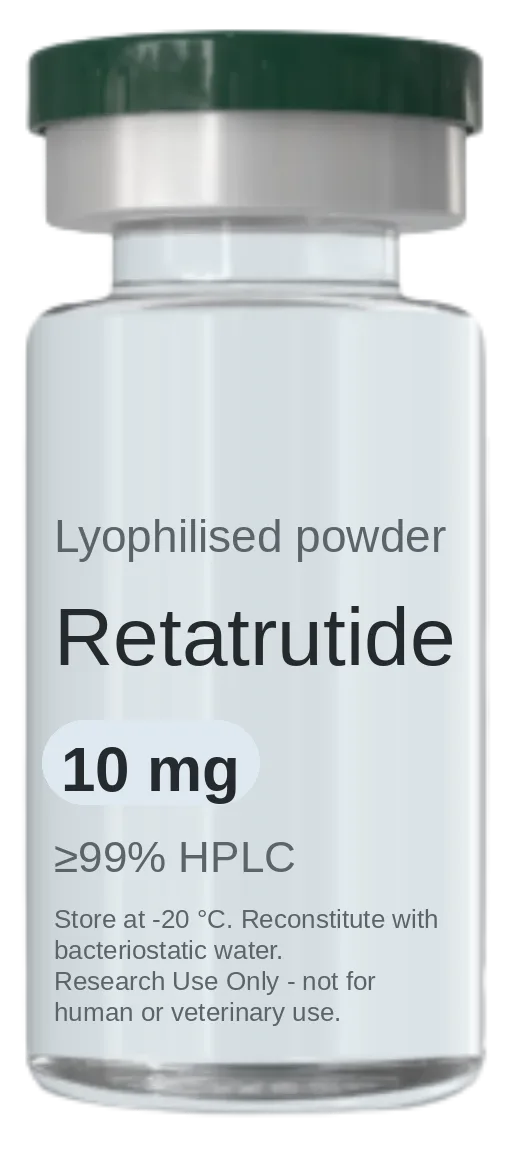
Retatrutide
Triple-agonist metabolic research peptide targeting GLP-1, GIP and glucagon receptors.
- Purity:
- ≥99% HPLC
- Sizes available:
- 10 mg
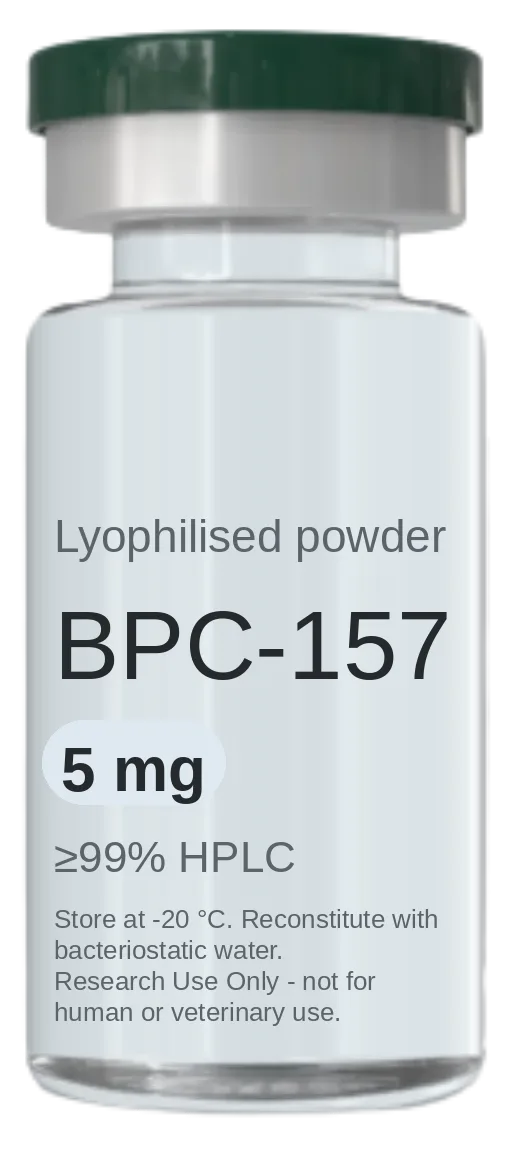
BPC-157 + TB-500
BPC-157 and TB-500 in a single vial — the pairing most studied together in tissue-repair research.
- Purity:
- ≥99% HPLC
- Sizes available:
- 5 mg + 5 mg
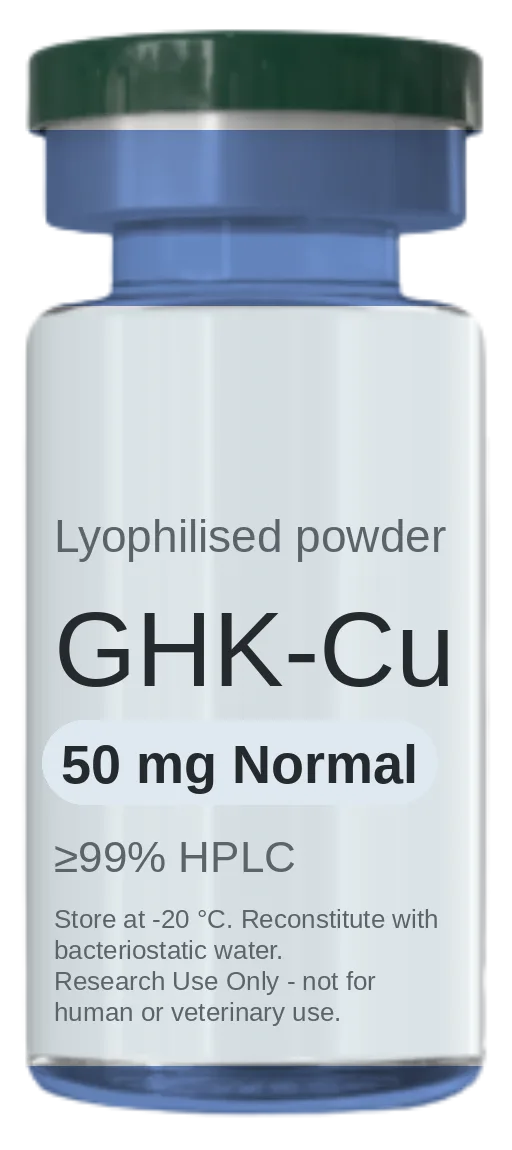
GHK-Cu (Copper Peptide)
Copper-binding tripeptide studied in extracellular matrix and dermal research models.
- Purity:
- ≥99% HPLC
- Sizes available:
- 50 mg Normal – 50 mg Plus
The consultation
One intake that settles goals, history and contraindications alongside compound, quantity, documentation and route — reviewed by a physician before anything ships.
More notes
-
Temporary Import Regime & Peptides
Temporary import covers goods that leave the country again; a research peptide shipment stays and gets used up.
-
Retatrutide vs GHK-Cu: What's the Difference
Retatrutide and GHK-Cu are different molecules studied for different reasons. Here's what each investigates and what documentation backs a batch.
-
Invoiced vs. Unbilled Peptide Suppliers
What changes when a research peptide supplier invoices the transaction versus one that takes payment and leaves no paper trail.