
Note
Peptide Side Effects: What the Literature Says
What published studies report on adverse events in research peptides, organized by compound class and evidence quality.
The published literature does not treat "peptides" as a single class when documenting adverse events. It describes specific compounds, with specific mechanisms, studied in specific populations. Retatrutide has a Phase 2 trial published in the New England Journal of Medicine with human adverse-event data. BPC-157 has a safety database built almost entirely in murine models. Reading those two bodies of evidence as though they describe the same risk category produces a comparison of incompatible data. What does appear consistently across the literature — across nearly every compound studied in humans — is injection-site reactions.
Heterogeneity is the first thing to account for
Peptides share one structural characteristic: short chains of amino acids. That similarity does not produce a shared safety profile. A triple agonist of GLP-1, GIP and glucagon receptors acts on systemic metabolic pathways. A cytoprotective peptide such as BPC-157 operates on local tissue signaling. A growth hormone secretagogue such as ipamorelin acts at the level of the hypothalamic-pituitary axis.
Before interpreting any adverse-event report, the relevant questions are: which compound, in which study design, and with what verified purity?
Incretin receptor agonists: the strongest clinical dataset available
Retatrutide is the compound in the PeptoClinic catalogue with the most extensive clinical evidence in the open literature. The published safety data document gastrointestinal events as the most common adverse findings: nausea, vomiting and diarrhea, with incidence described as dose-dependent. Injection-site reactions were recorded in a subset of participants. The majority of gastrointestinal events were classified as mild to moderate; severe events occurred in a smaller proportion of participants within the trial.
These data come from a controlled trial with monitored participants and verified compound purity. They are not directly extrapolable to contexts outside that methodology.
Growth hormone secretagogues: a local and transient profile
Studies on GHRH analogues (sermorelin, CJC-1295) and ghrelin-pathway secretagogues such as ipamorelin document an adverse-event profile that is predominantly mild. What appears in comparative literature includes transient headache, facial flushing and local injection-site reactions. Ipamorelin occupies a specific position in those studies: multiple publications describe it as producing smaller elevations in cortisol and prolactin than other secretagogues in the same pathway. That is not an absence of effect on the endocrine axis — it is documented selectivity in comparison with GHRP-6 and GHRP-2.
The human database for these compounds is more limited than that of incretin agonists with advanced pharmaceutical development programs.
Compounds with predominantly preclinical data
BPC-157 and TB-500 have most of their safety literature in animal models, primarily rodents. The Sikiric laboratory published an extensive series of studies in murine models documenting tolerability without systematic toxicity signals — data that inform the preclinical profile but have no equivalent in controlled clinical trials published in indexed Western open-access journals. A PubMed search returns that literature.
MOTS-c, GHK-Cu and several other compounds in the PeptoClinic catalogue are in the same position: robust mechanistic literature, sparse or absent human safety data in indexed journals.
Lot purity as the variable the literature assumes but does not always make explicit
In a controlled trial, compound purity is guaranteed by design. When working with material outside that environment, the purity of the specific lot determines whether the composition is comparable to the study material or not. A lot with undocumented impurities can produce effects that the literature on the pure compound does not predict.
PeptoClinic publishes Janoshik Analytical reports for its lots. The lowest documented purity in those reports is 99.669% — the MOTS-c lot, task 136923, analyzed on April 13, 2026. Full reports are available on the quality page. Before interpreting any research finding, confirming lot purity is the step the literature takes for granted and one that a researcher must resolve independently when working with material outside a formal trial.
Why no generic answer exists for "peptide side effects"
The search query groups compounds with safety databases of radically different quality under one term. What the literature actually offers is:
- Solid data for compounds with active pharmaceutical development (retatrutide, bremelanotide)
- More limited data for GH secretagogues with some published human trials
- Predominantly preclinical data for the majority of the research peptide spectrum
Any reading that does not begin with that distinction conflates incomparable evidence. Adverse events documented in a controlled Phase 2 trial are not the same kind of evidence as an anecdotal report or a rodent study, and treating them as equivalent distorts the picture in both directions.
This material is for laboratory research only
All material supplied by PeptoClinic is classified strictly as Research Use Only (RUO): for in vitro and laboratory research. It is not a medicine, a supplement or a product approved for human or veterinary use. None of the statements in this article have been evaluated by the FDA, ANMAT or any equivalent authority. PeptoClinic is not a pharmacy, a clinic or a provider of therapeutic guidance. This article describes what the published scientific literature reports; it does not constitute medical advice of any kind.
To see available compounds, the catalogue lists each one with its documentation. Enquiries are handled at [email protected].
Frequently asked questions
Do all peptides have the same side effects?
No. The adverse-event profile depends on the compound, the mechanism of action and the receptors involved. GLP-1 receptor agonists have a documented profile dominated by gastrointestinal effects. Growth hormone secretagogues have a documented profile dominated by mild local effects. Peptides with predominantly preclinical data have no established clinical profile in indexed literature at all.
What adverse events does the literature report most consistently?
Injection-site reactions — erythema, edema and local pain — are the adverse events that appear most frequently across literature on different compounds studied in humans. They are the most common denominator across distinct compound classes, and the one finding that generalizes with the most support.
Does lot purity affect what effects are observed?
Yes. The literature describes the behavior of the pure compound under controlled conditions. Impurities in a lot can produce effects that the literature on the pure compound does not predict. That is why a certificate of analysis from an independent laboratory is the necessary data point for establishing whether the lot in use is comparable to the material in the study.
Does BPC-157 have documented side effects in humans?
The published human safety database for BPC-157 in indexed journals is very limited. The majority of available literature comes from animal models, primarily rodents. No Phase 1 or Phase 2 clinical trials establishing the human profile in a systematic way have been published in indexed open-access journals.
What is the best source on retatrutide adverse events?
The Phase 2 trial published in the New England Journal of Medicine is the source with the highest methodological rigor available in the open literature for retatrutide. Adverse-event data are reported with incidence by treatment group and severity classification, which is the standard needed for meaningful interpretation.
Are research peptides approved for human use?
Most do not have regulatory approval for clinical use outside controlled trials. Retatrutide is in active clinical development. Bremelanotide (PT-141) has FDA approval for a specific indication. The remaining compounds in the PeptoClinic catalogue are research materials without approval for human or veterinary use.
How do I verify that a lot meets study specifications?
Request the certificate of analysis for the specific lot, issued by an independent laboratory. The CoA should identify the lot, the analysis date, the method used (typically HPLC) and the purity result obtained. PeptoClinic publishes Janoshik Analytical reports on the [quality page](/en/quality/).
What does it mean for an adverse event to be "documented" in the literature?
It means the event was observed and reported under controlled study conditions, with a methodology that distinguishes it from placebo effect. It does not mean the event occurs in every subject or that it is inevitable. The literature reports incidence and severity within the study design, and those figures are not directly extrapolable outside that context.
Compounds mentioned
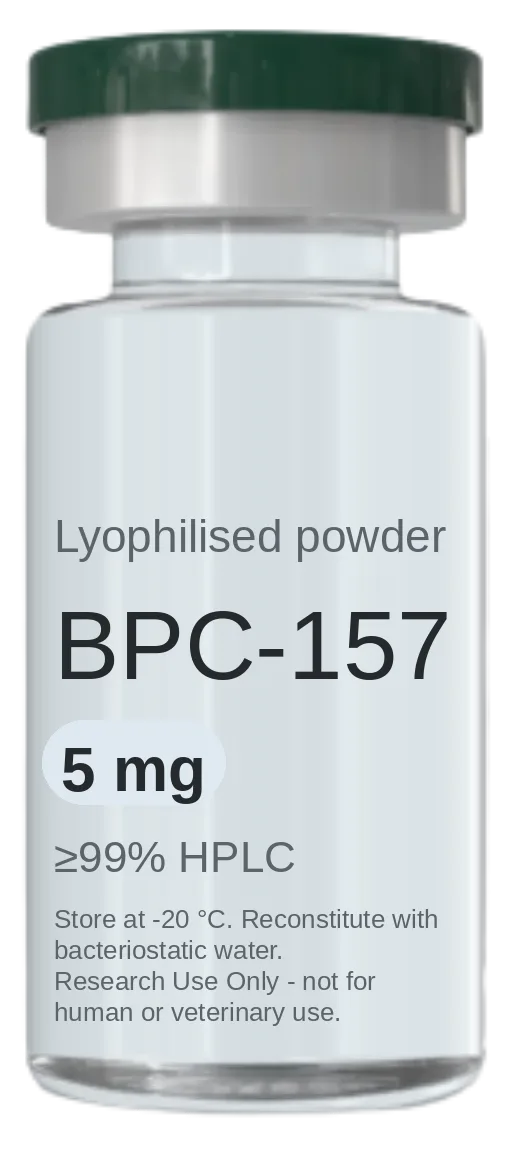
BPC-157 + TB-500
BPC-157 and TB-500 in a single vial — the pairing most studied together in tissue-repair research.
- Purity:
- ≥99% HPLC
- Sizes available:
- 5 mg + 5 mg
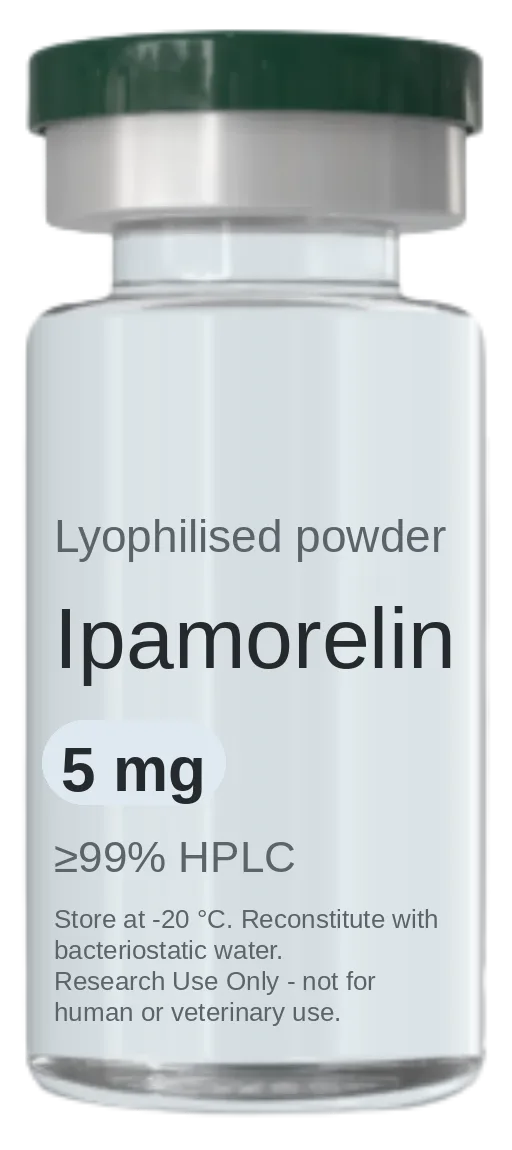
Ipamorelin
Selective ghrelin receptor (GHS-R1a) agonist pentapeptide.
- Purity:
- ≥99% HPLC
- Sizes available:
- 5 mg – 20 mg
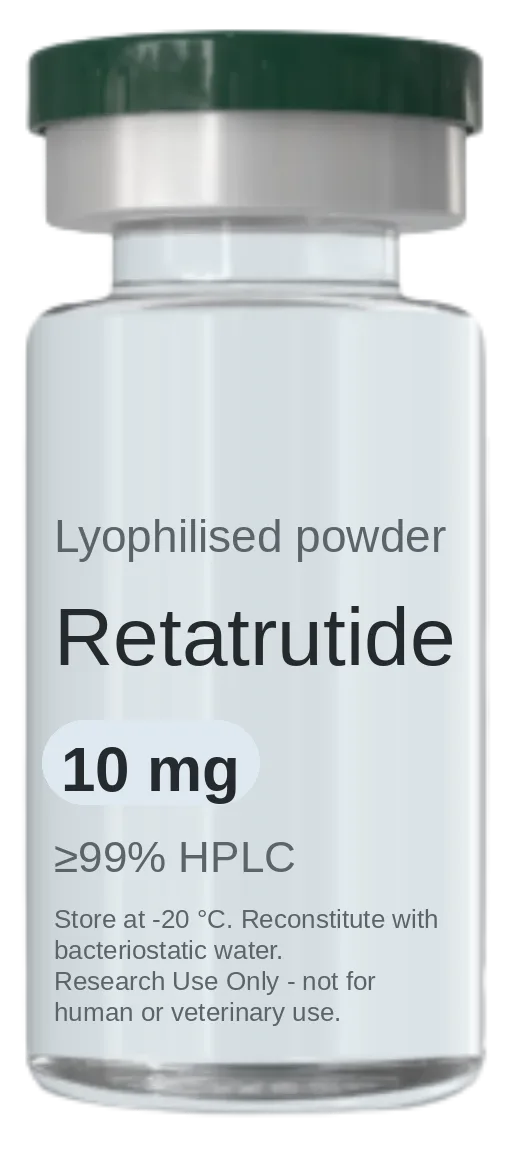
Retatrutide
Triple-agonist metabolic research peptide targeting GLP-1, GIP and glucagon receptors.
- Purity:
- ≥99% HPLC
- Sizes available:
- 10 mg
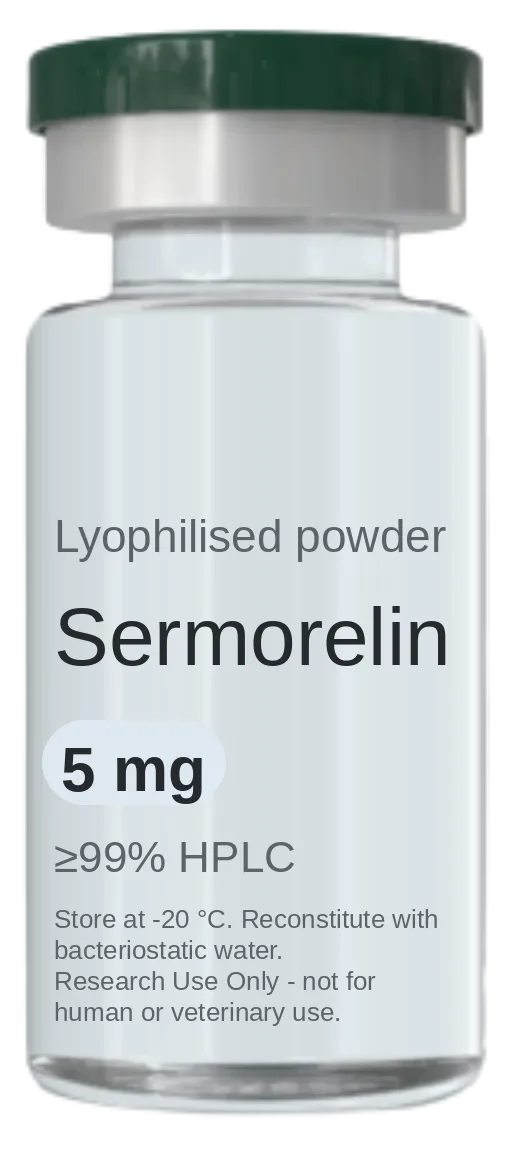
Sermorelin
Growth hormone-releasing hormone analogue used in endocrine signalling research.
- Purity:
- ≥99% HPLC
- Sizes available:
- 5 mg – 20 mg
The consultation
One intake that settles goals, history and contraindications alongside compound, quantity, documentation and route — reviewed by a physician before anything ships.
More notes
-
Temporary Import Regime & Peptides
Temporary import covers goods that leave the country again; a research peptide shipment stays and gets used up.
-
Retatrutide vs GHK-Cu: What's the Difference
Retatrutide and GHK-Cu are different molecules studied for different reasons. Here's what each investigates and what documentation backs a batch.
-
Invoiced vs. Unbilled Peptide Suppliers
What changes when a research peptide supplier invoices the transaction versus one that takes payment and leaves no paper trail.