
Note
SIMI: Importing Research Peptides to Argentina
What SIMI is, who files it, and what documentation a peptide shipment needs to clear Argentine customs.
SIMI (Sistema Integral de Monitoreo de Importaciones) is the system Argentine customs uses to register, before a shipment ever lands, any formal import into the country. For most research peptide shipments that travel door-to-door by courier, the SIMI filing is handled by the carrier or the customs broker working the shipment — not by the person receiving the package at home.
What SIMI actually is
Argentine customs, which operates under AFIP, built SIMI to replace the older DJAI (Declaración Jurada Anticipada de Importación) after that mechanism lost a dispute at the World Trade Organization. SIMI does the same job inside a different framework: it is an advance declaration filed through the Ventanilla Única de Comercio Exterior (VUCE), the single window for foreign trade, and it gives customs visibility into what is about to enter the country, under what description, at what declared value, and under which tariff code (NCM).
Based on that tariff code, the system sorts the shipment into one of two tracks: an automatic licence, approved on its own within a short window, or a non-automatic licence, which adds review from a specific agency depending on what the goods actually are. SENASA steps in for products of animal or plant origin. ANMAT steps in when the goods are classified as a medicine, a product for human consumption, or a health-related supply.
A peptide declared on the invoice for what it is — laboratory research material, not a medicine and not a consumer product — does not fall into that second category. But the final classification is made by customs based on the description, the invoice, and the tariff code entered by whoever handles the clearance, not a label the supplier chooses to print.
Does every shipment need its own SIMI?
Not every shipment follows the same path. A formal commercial import, carried out by a company registered with a CUIT in the Registro de Importadores y Exportadores, files its own SIMI for each operation. A door-to-door courier shipment, on the other hand, usually moves under a simplified postal regime, where the clearance is handled by the logistics operator — the courier or its broker — as part of the service. The recipient is not the one who has to register in the VUCE or file a declaration under their own name.
That distinction matters for anyone sourcing research peptides from Argentina: the SIMI filing, when it applies, is the responsibility of whoever handles the formal customs clearance, not a step the buyer has to complete before the package leaves origin.
That said, each courier and each logistics route can operate under different rules depending on the declared value, the weight, and the tariff code of the shipment, and those rules change over time. For a specific order, the right source is not a generic guide online but the AFIP website itself, or a direct question to the broker handling that particular shipment.
What documentation travels with a research peptide order
What does depend on the supplier is the documentation that travels with the batch and correctly describes what the goods are. PeptoClinic prepares that file so the invoice description is consistent with what the vial actually contains: laboratory research material, not a pharmaceutical product and not a supplement.
That documentation includes the invoice, with the compound description and its declared use, and the certificate of analysis (CoA) for the batch, issued by the laboratory that ran the purity testing. How to read a CoA, and what it needs to say to be trustworthy, is explained on the quality page — it is the question most worth getting right, because a certificate nobody can verify is worthless whether or not it is attached to the shipment.
The physical format of the batch matters for logistics too, not only for customs: the material travels as lyophilised powder in a sealed vial, with no cold chain, because in that state it is stable at room temperature for weeks. Cold only becomes necessary once the powder has been reconstituted, not during transport. The full detail of how a shipment is packed and protected is on the shipping page.
Compounds most asked about from Argentina
Among the requests that come in from Argentina, a handful of compounds come up most often, and each has its own page covering what specifically applies to shipments into the country. Retatrutide, BPC-157, and MOTS-c are the three most frequently asked about, and each one has its own published laboratory report and its own catalogue entry.
Laboratory material, not for human use
Everything PeptoClinic supplies is research material — Research Use Only (RUO) — intended for in vitro and laboratory research. Nothing on this site is a medicine, a supplement, or a food, and nothing is approved or intended for human or veterinary consumption, diagnosis, or treatment. No claim about these compounds has been evaluated by ANMAT, the FDA, or any equivalent authority. PeptoClinic is not a pharmacy, a clinic, a telehealth provider, or a source of usage or dosing guidance: requests asking for a protocol intended for use in people are declined.
Frequently asked questions
Is SIMI something the package recipient has to file?
Generally no. SIMI is part of the formal customs clearance, and in door-to-door courier shipments that clearance is handled by the logistics operator or its customs broker as part of the service, not by the person receiving the package.
Does a research peptide need ANMAT authorization to enter the country?
ANMAT's involvement inside the SIMI process is triggered when the goods are classified as a medicine or a product for human consumption. A peptide declared as laboratory research material does not fall into that classification, although the final call on how a given shipment is classified is made by customs, not by the supplier.
What happens if the invoice doesn't describe the contents accurately?
A description that doesn't match the actual contents is exactly what causes delays and holds in any customs control system, SIMI included. That's why the invoice and the certificate of analysis need to match what is actually inside the vial.
Does the shipment arrive under cold chain?
No. The material travels as lyophilised powder in a sealed vial, stable at room temperature for weeks, with no coolant and no dry ice. Cold chain becomes relevant only after the powder has been reconstituted, not during transport.
Where is a batch's purity verified before ordering?
In the certificate of analysis (CoA) issued by the laboratory that ran the test. The [quality](/en/quality/) page explains what that document needs to include to be verifiable and what to check before trusting it.
Are SIMI and DJAI the same thing?
No. DJAI was the earlier system, discontinued after the World Trade Organization ruled against it. SIMI is the system that replaced it and runs inside AFIP's Ventanilla Única de Comercio Exterior.
Is there a value or weight threshold above which a shipment stops being "simplified"?
Those thresholds exist and change over time depending on current regulations, and they also depend on the courier and the logistics route involved. For a specific order, the right source is the AFIP website or a direct question to the broker handling that shipment, not a generic figure.
Does any of this apply only to peptides, or to any import?
SIMI is the general system Argentine customs uses for any formal import, not a special rule for peptides. What changes depending on the product is the tariff code, and with it, whether an additional agency like SENASA or ANMAT needs to step in.
Compounds mentioned
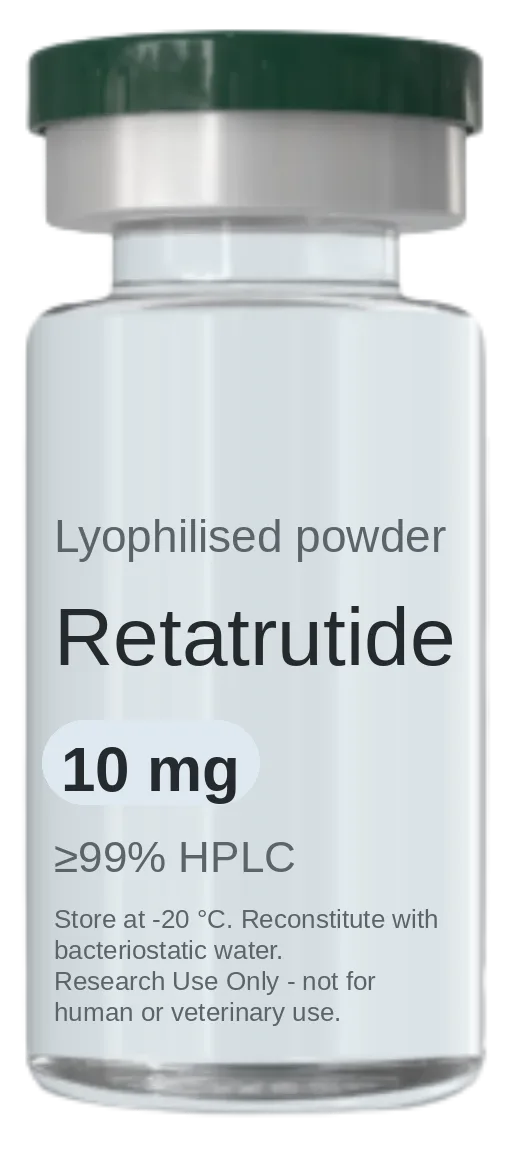
Retatrutide
Triple-agonist metabolic research peptide targeting GLP-1, GIP and glucagon receptors.
- Purity:
- ≥99% HPLC
- Sizes available:
- 10 mg
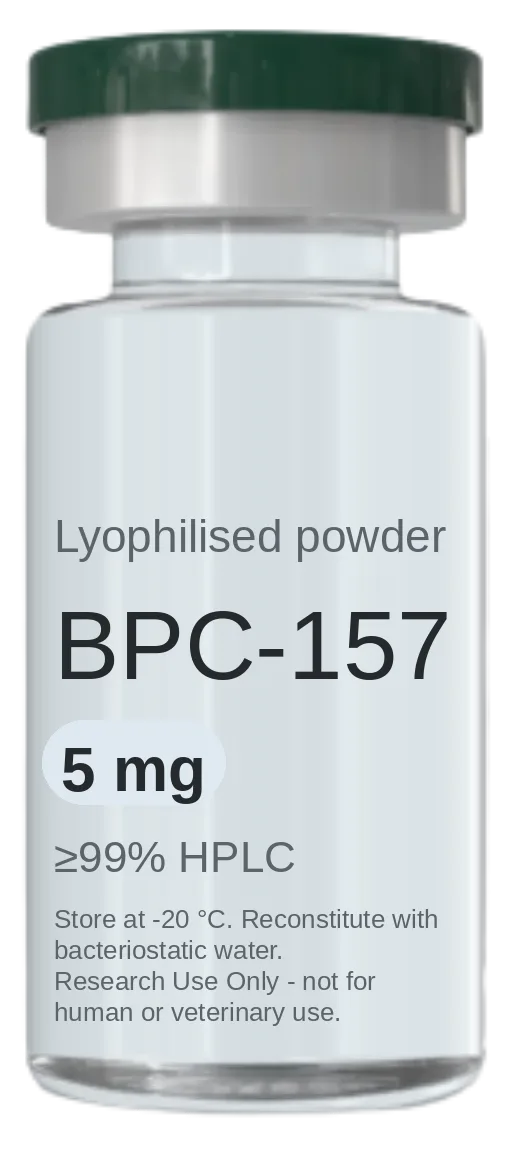
BPC-157 + TB-500
BPC-157 and TB-500 in a single vial — the pairing most studied together in tissue-repair research.
- Purity:
- ≥99% HPLC
- Sizes available:
- 5 mg + 5 mg
The consultation
One intake that settles goals, history and contraindications alongside compound, quantity, documentation and route — reviewed by a physician before anything ships.
More notes
-
Retatrutide vs. Tirzepatide: Differences
Retatrutide adds a third receptor that tirzepatide doesn't activate — here's how the two differ in structure, mechanism, and published research.
-
NAD+ vs Selank: What's the Difference?
NAD+ is a cellular coenzyme; Selank is a synthetic peptide derived from tuftsin. Structure, mechanism, and what each one is studied for.
-
Peptide Customs Clearance Cost in Argentina
What determines customs clearance cost for a research peptide shipment to Argentina, and what documentation PeptoClinic prepares for it.