
Note
What Are Peptides and What Are They Used For
Peptides are short amino acid chains that function as cellular signals. What they are, how they are classified, and what research investigates.
Peptides are short chains of amino acids joined by peptide bonds. Biology uses them as high-precision molecular messengers: hormones, growth factors, and neuropeptides are, at their base, amino acid chains of peptide length. Research focuses on them because they interact with specific receptors with a selectivity that small-molecule drugs do not always achieve. This article explains what peptides are structurally, what research lines are active, and why the purity of the material determines whether an experiment produces valid results.
What a peptide is, exactly
A peptide forms when two or more amino acids join through a covalent bond between the carboxyl group of one and the amino group of the next. That bond is called a peptide bond. The result is a linear molecule with a defined sequence — and therefore a defined three-dimensional shape.
The working distinction between a peptide and a protein is size: up to approximately fifty amino acids, peptide; above that, protein. The boundary is not rigid across all literature, but it is useful because it separates molecules that are synthesized differently. Proteins are produced by ribosomal translation in living cells. Research peptides are synthesized chemically in a laboratory, amino acid by amino acid, by solid-phase peptide synthesis (SPPS). That process makes it possible to build sequences that do not exist in nature, modify existing ones, and produce them with high reproducibility and controlled purity.
The three-dimensional shape of the peptide determines which receptor it binds and which signal it activates. A single amino acid change can mean a different receptor, a radically different affinity, or no biological activity at all. That specificity is what makes peptides a privileged research subject.
Peptides as signals in living systems
The human body produces thousands of distinct peptides. Insulin, at 51 amino acids, is technically a small peptide. So is glucagon. Oxytocin has nine amino acids. Growth hormone (GH) has 191. Endorphins are endogenous opioid peptides. GLP-1 signals satiety. Ghrelin signals hunger.
The fact that biology already uses peptides as signals gives researchers a starting point: the system is known to carry receptors for those structures. Research work consists of understanding precisely how each signaling pathway functions, what happens when the sequence is modified, and whether synthetic analogs can serve as useful experimental tools. The literature indexed in PubMed covers thousands of published studies on research peptides. Publication volume grew steadily from the 1990s onward, as synthesis techniques became more accessible and production costs fell.
What research lines exist
Metabolic pathways and incretin receptors. GLP-1 and its analogs are the most studied peptide family of the past decade. Research has extended to multiple-receptor agonists. Retatrutide acts on three receptors simultaneously: GLP-1, GIP, and glucagon. A phase 2 clinical trial published in The New England Journal of Medicine in 2023 reported weight reductions of up to 17.5% at 24 weeks in the highest-dose group. The compound has a growing body of literature on PubMed since that year.
Tissue repair and regeneration. BPC-157 and TB-500 are two of the most studied peptides in animal models for wound healing responses, angiogenesis, and inflammatory modulation. The rodent study record is extensive; human research is more limited. PeptoClinic supplies both as research material.
Mitochondria-derived peptides. MOTS-c is encoded in mitochondrial DNA, not nuclear DNA. It was first described in 2015 by Lee and colleagues in Cell Metabolism as a regulator of glucose and lipid metabolism in murine models. It is an example of a peptide whose existence was unknown ten years ago.
The GH/IGF-1 axis. Sermorelin, ipamorelin, and CJC-1295 are growth hormone secretagogues: they act on the GHRH or ghrelin receptor to stimulate endogenous GH release. They are studied in models of aging, body composition, and sleep.
Neuropeptides and cognitive peptides. Semax and selank derive from fragments of ACTH and immunoglobulin G, respectively. They are studied in models of neuroplasticity, anxiety, and neuroprotection.
Copper peptides. GHK-Cu is a tripeptide — glycine, histidine, lysine — with a natural affinity for copper. Research associates it with skin repair signaling and gene expression regulation. It has decades of basic literature behind it.
The PeptoClinic catalogue brings together compounds from these different families, each with the corresponding analytical documentation.
How quality is verified
Purity matters because a reproducible experiment requires defined material. A peptide arriving at 80% purity contains 20% uncharacterized impurities: synthesis byproducts, residual solvents, truncated peptides. Results from an experiment using that material cannot be extrapolated to an experiment using purer material.
The analytical standard for research peptides is HPLC (high-performance liquid chromatography). An independent analytical laboratory runs the sample, separates its components, and issues a certificate of analysis (CoA) stating the purity percentage, compound identity, and assay conditions.
PeptoClinic publishes four reports from Janoshik Analytical, all dated April 13, 2026. Task 136921 reports retatrutide at 99.893%. Task 136923 reports MOTS-c at 99.669%. The other two cover GHK-Cu and the BPC-157 + TB-500 combination. The quality section explains how to read each certificate and how to verify it directly on the Janoshik site.
Research use only
PeptoClinic supplies peptides strictly for Research Use Only (RUO): in vitro and laboratory research. None of the compounds in the catalogue is approved or intended for human or veterinary consumption, diagnosis, or treatment of any condition. No evaluation has been conducted by the FDA, ANMAT, or any equivalent authority.
PeptoClinic is not a pharmacy, does not issue prescriptions, and does not provide guidance on administration or protocols. Material is quoted per consultation, shipped as lyophilized powder in a vial, and the lot documentation includes the certificate of analysis. Shipments are processed with customs documentation prepared for laboratory reference material.
Frequently asked questions
Is a peptide the same as a protein?
No. The working difference is size: a peptide has up to approximately fifty amino acids; a protein has more. The boundary is not rigid across all literature, but it is useful because it separates molecules produced in different ways. Proteins are synthesized by ribosomes in living cells. Research peptides are produced by chemical synthesis in a laboratory, which allows precise sequence control and yields high-purity material without fermentation or cellular expression systems.
Are peptides hormones?
Many hormones are peptides — insulin, glucagon, GH, oxytocin, GLP-1 — but not all peptides are hormones. "Peptide" is a structural description: an amino acid chain of up to approximately fifty units. "Hormone" is a functional description: a signal that travels through the bloodstream to distant tissues. There are peptides that function as neurotransmitters, growth factors, antimicrobials, or immune modulators that are not hormones.
What does RUO mean?
Research Use Only. The designation indicates that the compound is not approved for human or veterinary consumption and that its intended destination is the laboratory. All material supplied by PeptoClinic carries that classification, to every destination. There are no exceptions by compound type or shipping country.
What is the difference between a natural and a synthetic peptide?
Both can have the same amino acid sequence and the same activity at a receptor. The difference is how they are produced. A natural peptide is synthesized by ribosomal translation in a living organism. A synthetic peptide is assembled chemically in a laboratory, amino acid by amino acid. Synthetic peptides can replicate natural sequences or include modifications — non-natural amino acids, cyclizations, PEGylations — that biology does not produce spontaneously.
How do I know a research peptide has the purity stated?
You request the certificate of analysis for the specific lot you will receive. A valid CoA includes the name of the analytical laboratory, the date of the assay, the method (HPLC for purity, mass spectrometry for identity), the numerical result, and a reference to the task or sample number. If the supplier does not have a CoA from an independent laboratory — not from the supplier itself — the question has no verifiable answer. PeptoClinic publishes four Janoshik Analytical reports with traceable task numbers on the site.
Which peptides have the most published research?
GLP-1 agonists carry the largest publication volume of the past decade. GH axis peptides — sermorelin, ipamorelin — have decades of literature. BPC-157 accumulates extensive animal-model studies. MOTS-c was described in 2015 but gathered publications quickly. GHK-Cu has basic literature going back to the 1970s. The research base varies substantially by compound; what they share is that all act through identified receptors with mechanisms described in the indexed literature.
How many amino acids does a research peptide typically have?
It depends on the compound. GHK-Cu has three amino acids. Oxytocin has nine. BPC-157 has fifteen. MOTS-c has sixteen. Retatrutide has forty-four. There is no typical length: what defines a research peptide is not its size but the specificity with which it acts on known receptors and the strength of the literature that describes it.
Compounds mentioned
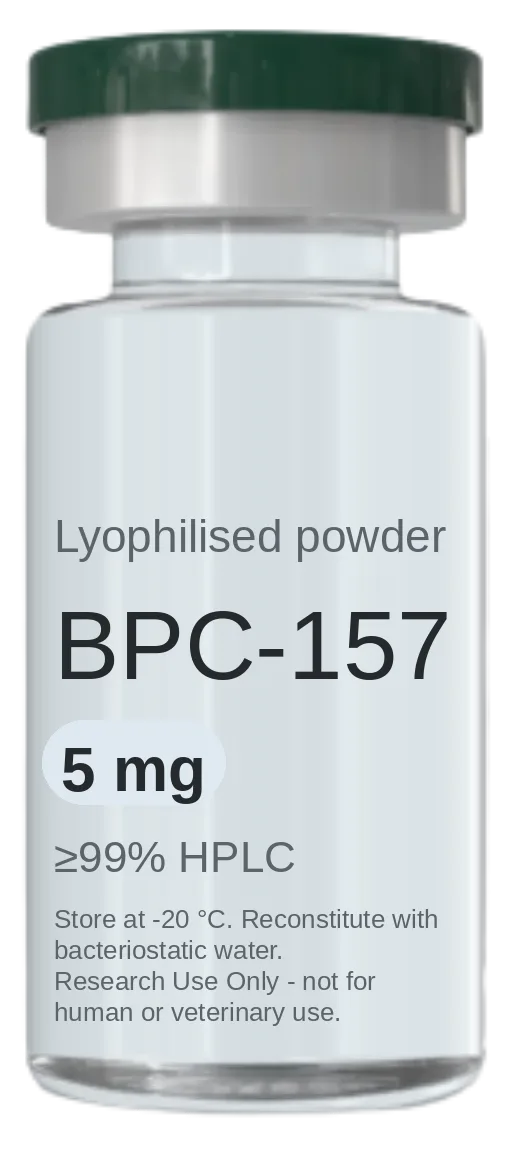
BPC-157 + TB-500
BPC-157 and TB-500 in a single vial — the pairing most studied together in tissue-repair research.
- Purity:
- ≥99% HPLC
- Sizes available:
- 5 mg + 5 mg
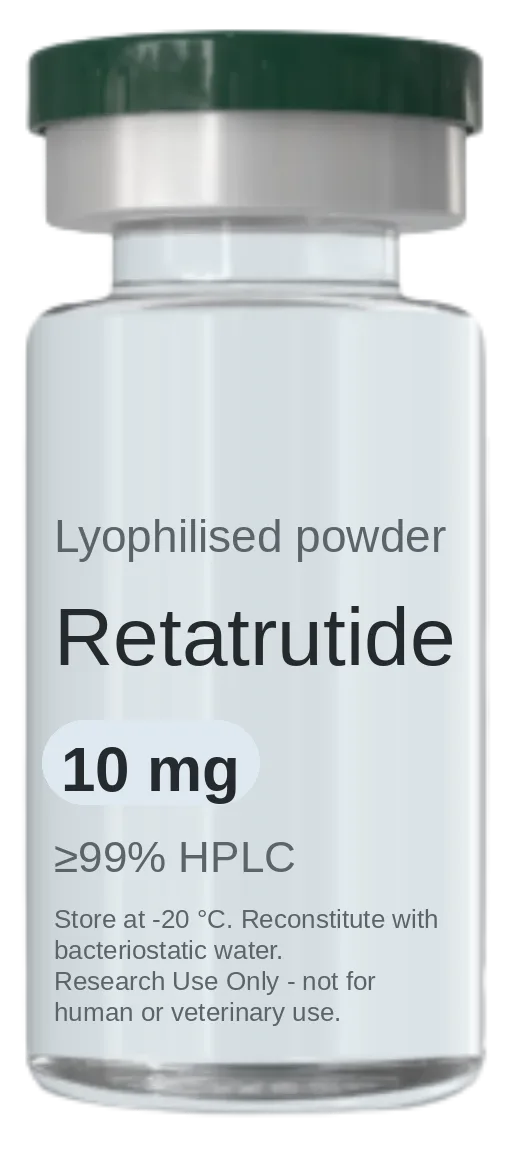
Retatrutide
Triple-agonist metabolic research peptide targeting GLP-1, GIP and glucagon receptors.
- Purity:
- ≥99% HPLC
- Sizes available:
- 10 mg
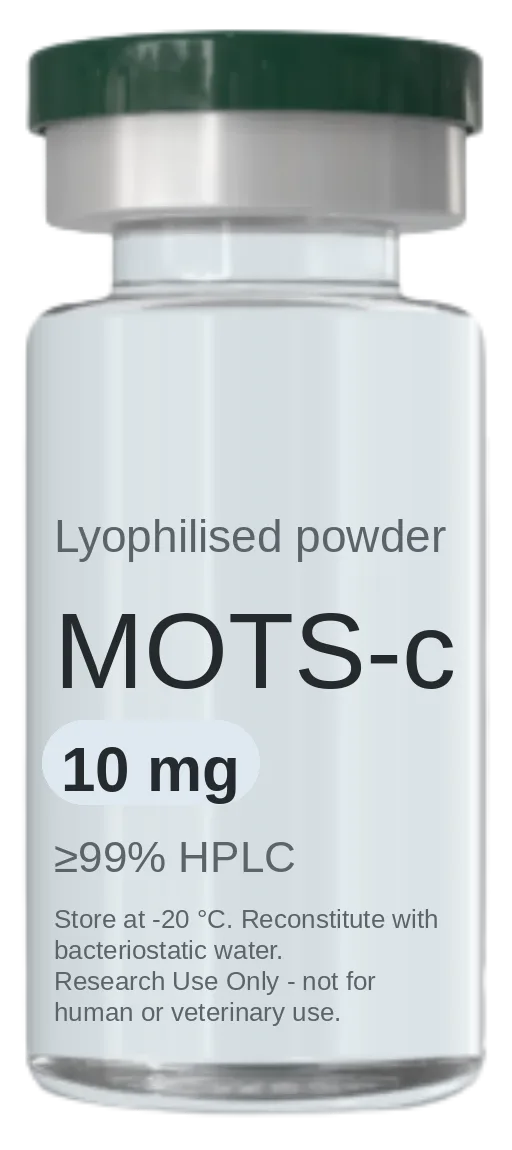
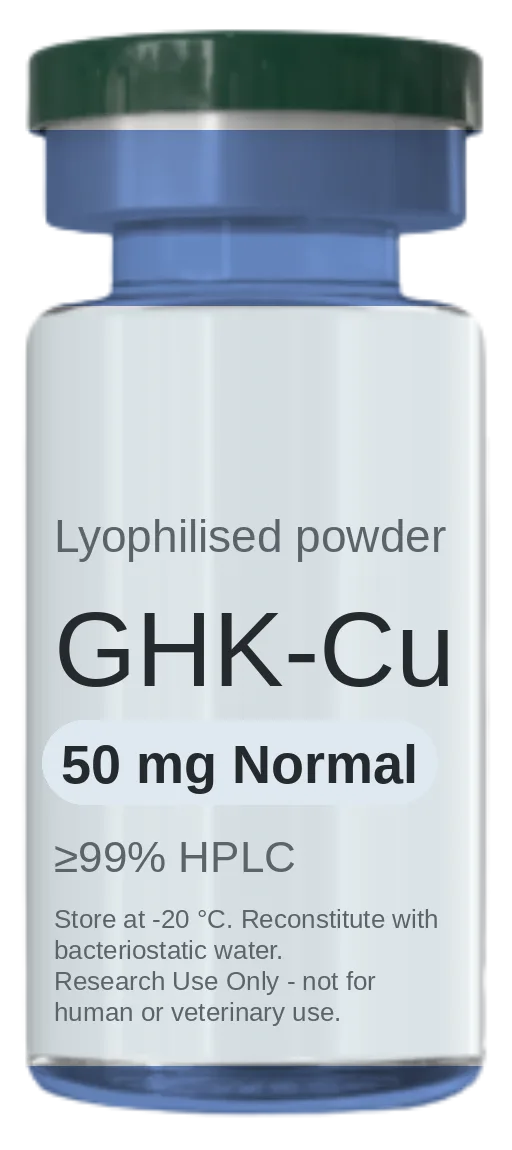
GHK-Cu (Copper Peptide)
Copper-binding tripeptide studied in extracellular matrix and dermal research models.
- Purity:
- ≥99% HPLC
- Sizes available:
- 50 mg Normal – 50 mg Plus
The consultation
One intake that settles goals, history and contraindications alongside compound, quantity, documentation and route — reviewed by a physician before anything ships.
More notes
-
Temporary Import Regime & Peptides
Temporary import covers goods that leave the country again; a research peptide shipment stays and gets used up.
-
Retatrutide vs GHK-Cu: What's the Difference
Retatrutide and GHK-Cu are different molecules studied for different reasons. Here's what each investigates and what documentation backs a batch.
-
Invoiced vs. Unbilled Peptide Suppliers
What changes when a research peptide supplier invoices the transaction versus one that takes payment and leaves no paper trail.