
Note
What RUO Means in Laboratory Materials
RUO stands for Research Use Only: what the label means, what it says about material quality, and what it does not.
RUO stands for Research Use Only. The designation appears on reagents and synthesized compounds to indicate that the material is not approved or intended for diagnostic, therapeutic, food, or veterinary use. The compound is supplied to be worked with under controlled laboratory conditions.
The distinction is legal before it is chemical. A compound can carry a rigorous analytical characterization and a high measured purity and still carry the RUO label. What determines the designation is not the state of the molecule but the declared purpose and the regulatory framework under which the material is sold.
What the RUO label says in practice
When a supplier labels a product RUO, two declarations are being made simultaneously: that the material has not gone through the approval processes required for a medicine or an in vitro diagnostic reagent, and that the buyer agrees to use it within that framework.
From the supplier's side, the designation establishes a declared use. From the researcher's side, it establishes a responsibility: the material is for the laboratory, and that means biosafety protocols, institutional registration, and use within the conditions of a research protocol.
The RUO label appears on the vial, on the certificate of analysis, and in the shipping documentation. A supplier who omits that designation is not being more flexible — they are being imprecise about what they are supplying.
RUO does not describe material quality
This is the most common misunderstanding. The RUO designation says nothing about the chemical purity of a compound. An RUO reagent can have a more rigorous analytical characterization than many compounds circulating without a clear label.
What RUO reflects is the set of validations applied during manufacturing and commercialization, not the quality of the material itself. An approved drug goes through manufacturing process validation, stability studies, clinical trials, and regulatory review. An RUO material goes through none of those steps because it is not intended for that use.
The way to know what is in a vial is the certificate of analysis (CoA). On PeptoClinic's quality page, analyses are performed by Janoshik Analytical: the retatrutide lot from task 136921 returned 99.893% purity; the MOTS-c lot from task 136923, 99.669%. Both figures are verifiable directly with the laboratory.
How RUO appears in regulation
In the United States, the FDA defines the RUO category within the framework of in vitro diagnostic reagents. A material labeled RUO is expressly excluded from diagnostic or therapeutic use in patients, regardless of its analytical properties.
In Argentina, ANMAT regulates medicines, vaccines, and diagnostic devices. RUO materials do not enter that circuit because they are neither medicines nor diagnostic devices. Import is handled under the tariff codes for reagents and laboratory reference materials. That does not mean they arrive without controls: the receiving research institution has its own protocols, and the shipping documentation must be precise about the declared use.
PeptoClinic prepares documentation oriented to the laboratory reference material classification. The details of how material is quoted and shipped to Argentina are available for researchers who need that logistical information.
The difference between RUO and a diagnostic reagent
There is an intermediate category between an RUO material and an approved drug: in vitro diagnostic (IVD) reagents. Those materials can be used in diagnostic processes, but they require their own approval process before the relevant regulator.
An RUO material is expressly excluded from that use. A clinical laboratory using an RUO reagent for patient diagnosis would be operating outside the permitted regulatory framework, regardless of the material's purity. RUO is not a transitional status toward approval: it describes the material's intended purpose precisely.
What documentation to request from a supplier
The certificate of analysis is the central document for evaluating any RUO material. A useful CoA includes:
- Compound name and lot number.
- Analytical method: for peptides, reverse-phase HPLC is the standard; mass spectrometry confirms molecular identity.
- Measured purity: the result of the analysis, not the stated specification. If the vial claims 99% and the analysis returns 97.3%, the specification was not met.
- Laboratory identification: name, task or report number, and if possible a verification link on the issuing laboratory's site.
A supplier who does not show the CoA, or who shows one without identifying the analytical laboratory, has nothing to demonstrate. PeptoClinic publishes Janoshik Analytical reports with the task number for each lot — the quality page lists them with the purity found, not the purity specified.
For laboratory research only — not for human or veterinary use
All materials supplied by PeptoClinic are strictly for Research Use Only: in vitro and controlled laboratory research. They are not medicines, supplements, or foods. They are not approved or intended for human or veterinary consumption, diagnosis, or treatment.
No claim on this site has been evaluated by the FDA, ANMAT, or any equivalent authority. PeptoClinic is not a pharmacy, a clinic, a telehealth provider, or a source of dosing or administration guidance. Requests involving human-use protocols are not processed.
The RUO framing is not a workaround. It is the accurate description of what these materials are and what they are for.
RUO and synthetic peptides
Most synthetic peptides sold outside the pharmaceutical circuit carry RUO designation. Peptides approved as drugs follow a separate regulatory path, with explicit approval for clinical use. The compounds in PeptoClinic's catalog — including retatrutide, MOTS-c, BPC-157, and GHK-Cu — are RUO materials: they have no approval for clinical use and are supplied exclusively for laboratory research.
The certificate of analysis for each lot identifies the analytical laboratory and the task number, so the reported purity can be checked against the laboratory's own records. That is the standard applied to every compound PeptoClinic supplies.
Frequently asked questions
Does RUO mean the material is dangerous or experimental?
No. RUO describes the declared use and the regulatory framework, not the development status of the molecule. Many compounds with RUO designation have decades of published scientific literature and a rigorous chemical characterization. The designation indicates they have not gone through the approval process for clinical use — not that they are unknown or unstable.
Can an RUO material have high purity?
Yes. Purity is an analytical property that does not depend on regulatory designation. An RUO material can have a measured purity equal to or higher than compounds intended for other uses. What the designation excludes are the validation processes for clinical use, not the chemical quality of the compound.
What is the difference between RUO and an approved drug?
An approved drug has gone through preclinical studies, clinical trials, regulatory review, and manufacturing process validation. An RUO material has gone through none of those steps because it is not intended for therapeutic use. Measured purity can be comparable; the validation required for use in patients is an entirely separate process that does not exist for RUO materials.
Can a laboratory in Argentina import RUO materials?
Import of reagents and laboratory reference materials is possible under the regulatory frameworks in force in Argentina. The correct classification of the material in the shipping documentation is essential. PeptoClinic prepares that documentation oriented to import as laboratory reference material and provides guidance on requirements by compound and destination.
How do I verify that the material I receive is what it claims to be?
The certificate of analysis is the decisive document. It must identify the analytical laboratory, the task or report number, and show the result that was actually found — not only the expected specification. If the laboratory has an online verification system, the task number can be checked directly against the issuing laboratory's records.
Does PeptoClinic supply materials for human use?
No. All materials supplied by PeptoClinic are for laboratory research only. They are not medicines and are not approved for human or veterinary use. PeptoClinic does not process requests involving administration protocols for people or animals.
Are all peptides in the PeptoClinic catalog RUO?
Yes. The compounds in the catalog have no approval for clinical use in any of the jurisdictions where PeptoClinic operates, and are sold exclusively as laboratory research materials under RUO designation.
How do I request a quote?
The process is a technical consultation: describe the compound you need, the purity specification, the quantity, and the use within your research protocol. PeptoClinic reviews compound availability, lot documentation, and shipping logistics, and returns a written quote normally within one business day.
Compounds mentioned
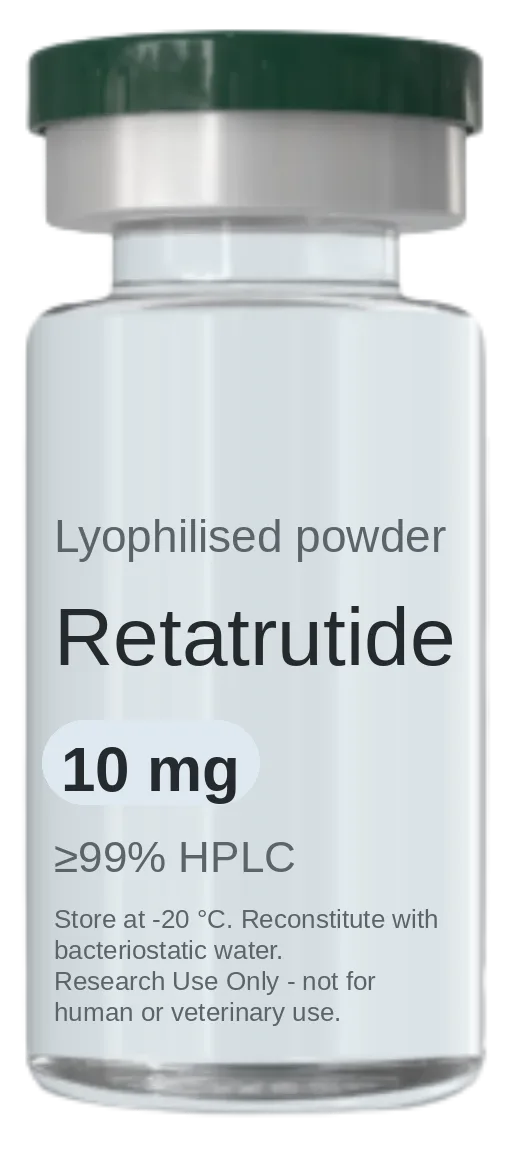
Retatrutide
Triple-agonist metabolic research peptide targeting GLP-1, GIP and glucagon receptors.
- Purity:
- ≥99% HPLC
- Sizes available:
- 10 mg
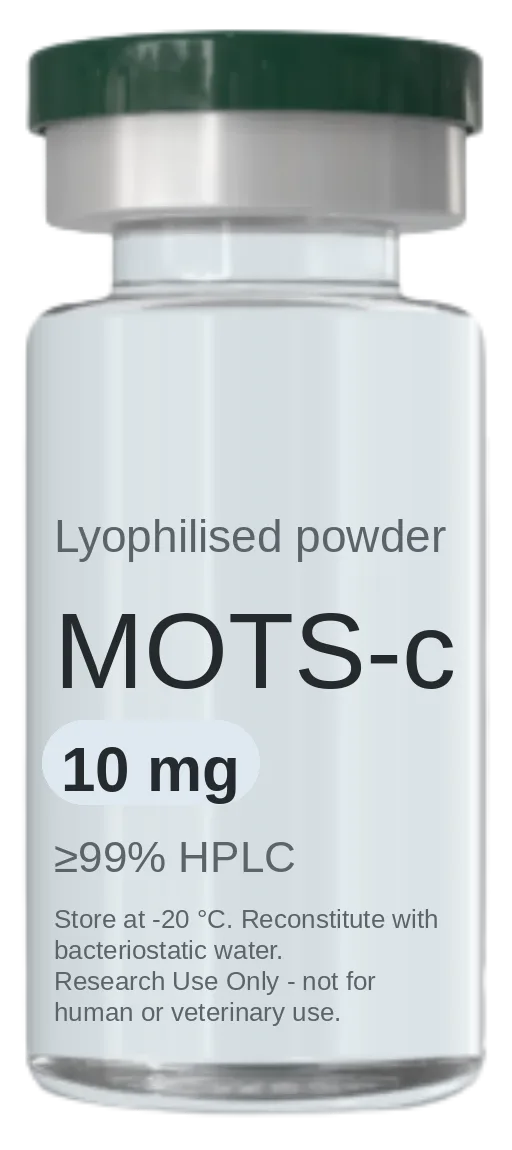
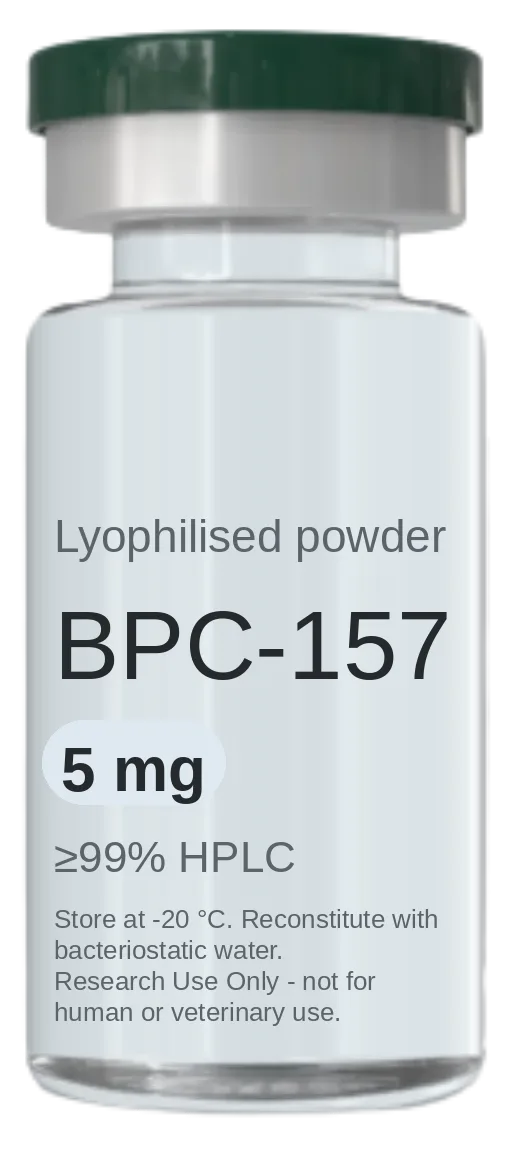
BPC-157 + TB-500
BPC-157 and TB-500 in a single vial — the pairing most studied together in tissue-repair research.
- Purity:
- ≥99% HPLC
- Sizes available:
- 5 mg + 5 mg
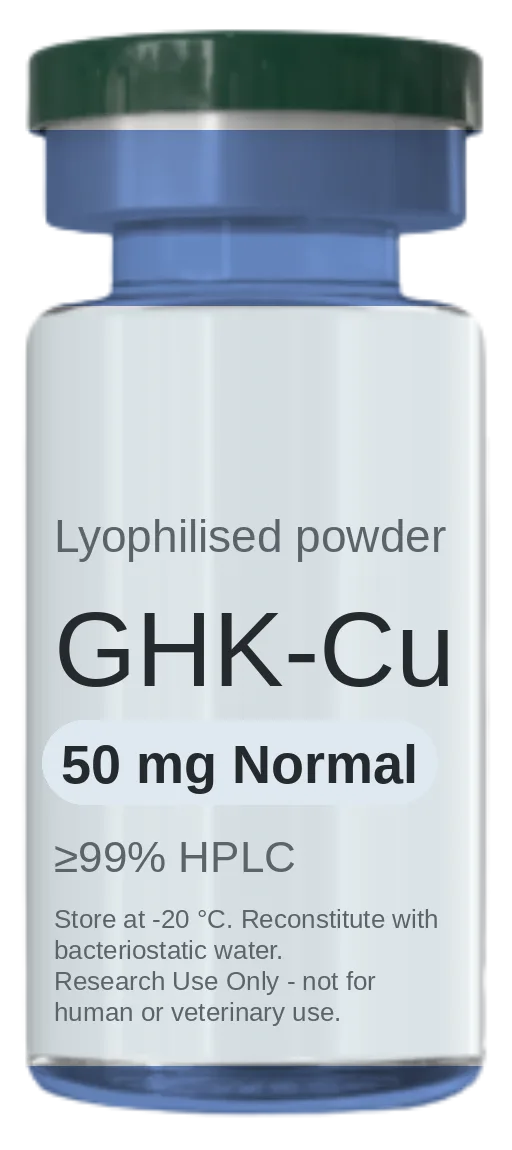
GHK-Cu (Copper Peptide)
Copper-binding tripeptide studied in extracellular matrix and dermal research models.
- Purity:
- ≥99% HPLC
- Sizes available:
- 50 mg Normal – 50 mg Plus
The consultation
One intake that settles goals, history and contraindications alongside compound, quantity, documentation and route — reviewed by a physician before anything ships.
More notes
-
Peptide Invoice: What Argentine Customs Wants
What a research peptide invoice needs so Argentine customs releases the shipment instead of holding it in bonded storage.
-
Hexarelin vs CJC-1295: The Differences
Hexarelin is a ghrelin-mimetic GHRP; CJC-1295 is a GHRH analog. What separates the two mechanisms and their documentation.
-
Certificate of Origin to Import Peptides?
Do you need a certificate of origin to import research peptides into Argentina? What customs actually asks for, and what document matters.