
Note
Who Can Import Research Material in Argentina
Labs, universities, and CONICET institutes can import research material in Argentina. PeptoClinic quotes with a third-party COA included.
In Argentina, research material can be imported by any legal entity registered as an importer with the Dirección General de Aduanas (DGA). That covers private laboratories, universities, CONICET institutes, and companies with active research and development operations. Individual researchers have more limited access: low-value courier shipments within the simplified entry regime, or the sponsorship of an institution willing to act as the importer of record.
Which authorities are involved in the clearance
The import of research material in Argentina does not pass through a single agency. Three can appear depending on the type of material and its declared use.
The Dirección General de Aduanas (DGA) controls the entry of all goods into Argentina. It operates under ARCA (formerly AFIP) and is the mandatory window for any commercial import. Without an importer registered with the DGA and a licensed customs broker, material cannot leave the primary customs zone.
SENASA intervenes when material is of biological origin and may pose a sanitary or phytosanitary risk. For chemically synthesized peptides produced in a laboratory, SENASA involvement is minimal. If the material derives from tissue or cell culture, the customs broker checks whether a prior permit is required before the shipment leaves the country of origin.
ANMAT regulates medicines and medical devices for human or veterinary use in Argentina. Material properly documented and classified as a laboratory-use-only reagent does not require prior ANMAT authorization. The distinction between a research reagent and an unregistered medicine is established by the shipment documentation, not solely by the compound's chemical composition.
Who can import in practice
Private laboratories and companies with R&D operations
Any commercial entity with a CUIT can register as an importer with the DGA. An analytical, biotechnology, quality-control, or pharmaceutical research laboratory imports synthetic reagents under that designation. Registration carries no restriction by sector: it requires active tax compliance and enrollment in the customs importer registry.
A company importing material for internal use by its R&D department follows the same path. The customs broker classifies the material under the applicable tariff heading of the MERCOSUR Common Nomenclature (NCM), prepares the required forms, and processes the consumption entry.
Universities and public research institutions
National universities, private universities, and CONICET — with institutes distributed across the country — are routine importers of research material. The import is handled by the purchasing or administrative office of each institution, which acts as the importer of record with the DGA in the same way a private company would.
Internal procedures vary by institution, but in every case the researcher submits a purchase request through the institutional system before the shipment is dispatched. Material that arrives without a prior internal order can cause delays or complications during customs clearance.
Individual researchers
An independent researcher without institutional affiliation has narrower options. International courier shipments can enter under the home-delivery regime when the declared value does not exceed the thresholds the DGA sets for that simplified process. For higher amounts or quantities, or for material that customs evaluates outside that regime, a formal entry with a registered importer is required.
The most direct path for a researcher without a legal entity is to affiliate with an institution that imports on their behalf, or to establish a company that acts as the importer of record.
The customs broker's role
In Argentine commercial imports, a customs broker is not optional: this is the licensed professional authorized to process the entry with the DGA. Their function is to determine which NCM heading applies to the material based on its composition and declared use, prepare the customs documentation, and manage the settlement of import duties and taxes.
The classification matters because it determines the applicable tariff and whether the entry requires additional agency involvement. A broker with experience in scientific supplies knows the headings commonly used for reagents and synthetic peptides, and can anticipate whether the material needs any pre-shipment process.
The foreign supplier does not handle Argentine customs. They deliver the material under export terms from their country and provide the documentation the broker needs to process the entry on the Argentine side.
Documentation that accompanies a shipment
Customs does not validate the declared use from a vial label. The shipment documentation is what allows the broker to classify correctly and what the DGA may require if a package is held for inspection.
What typically accompanies a shipment of research material:
- Commercial invoice with technical description of the compound, quantity, and declared value.
- Packing list itemizing each product.
- Certificate of Analysis (COA) issued by the laboratory that verified identity and purity.
- Safety Data Sheet (SDS) for the material.
- A declaration of exclusive research use, depending on compound type and tariff heading.
PeptoClinic includes a third-party analytical laboratory COA with every shipment. The assays published on the quality page were performed by Janoshik Analytical. The Retatrutide lot returned 99.893% purity; the MOTS-c lot returned 99.669%. That documentation is what a customs broker needs to classify without ambiguity, and what reduces the risk of a hold for insufficient declaration.
How material moves from the supplier
The standard flow: the importer issues a purchase order or requests a quote from the foreign supplier, confirms the order, the supplier dispatches the material with complete documentation, and the customs broker in Argentina processes the consumption entry when the shipment arrives at the primary customs zone.
PeptoClinic's shipments to Argentina are dispatched from the United States as laboratory material with complete documentation. Quotes are provided by consultation: the technical team reviews compound, purity, quantity, and shipping conditions, and responds normally within one business day. There is no published price list and no cart. The catalog lists available compounds; the consultation determines everything else.
For laboratory research only
All material supplied by PeptoClinic is classified and dispatched as Research Use Only (RUO): in vitro research and controlled laboratory settings exclusively.
No compound is approved for human or veterinary use. None is a medicine, a supplement, or a food product. None has been evaluated by ANMAT, the FDA, or any equivalent regulatory authority for use in people.
PeptoClinic is not a pharmacy, a clinic, or a telehealth service. PeptoClinic does not issue protocols for use in people and does not respond to questions about dosing or administration.
Frequently asked questions
Can an individual person import research material into Argentina?
Yes, with limitations. The simplified courier regime allows goods to enter below certain declared-value thresholds without a formal customs entry. For larger quantities or higher values, a registered importer and licensed customs broker are required. The most direct route for an independent researcher is to import through an affiliated institution.
Does ANMAT need to approve the import of research reagents?
ANMAT regulates medicines and devices for human or veterinary use. Material documented as a laboratory-use-only reagent, not registered as a medicine and not intended for consumer sale, does not require prior ANMAT authorization. If the shipment documentation suggests therapeutic use, the situation changes.
What exactly does a customs broker do?
A customs broker is the licensed professional authorized to process the customs entry with the DGA. They classify the material under the applicable NCM tariff heading, prepare the customs forms, and manage the settlement of import duties. Their involvement is mandatory in Argentine commercial imports. The importer engages them; the broker handles the process.
What documentation does customs require for research material?
A commercial invoice with a technical description, a packing list, a certificate of analysis (COA) from the laboratory that verified purity, a safety data sheet (SDS), and, depending on the material, a declaration of exclusive research use. Complete documentation from the origin reduces the risk of a hold for inspection.
Do synthetic peptides require a special permit to enter Argentina?
It depends on the composition and declared use. For chemically synthesized peptides correctly classified as research reagents, a standard customs entry with the DGA is sufficient in most cases. Compounds with specific restrictions may require additional steps. A broker with experience in scientific supplies determines the correct path based on the NCM heading.
Does PeptoClinic handle customs clearance in Argentina?
No. PeptoClinic dispatches material from the United States with complete documentation: COA, SDS, a commercial invoice with a technical description, and a declaration of exclusive research use. The Argentine customs entry is handled by the receiving importer with their licensed broker. PeptoClinic provides the documentation that process requires.
How is a quote initiated?
Describe the compound, quantity, and research application, and the PeptoClinic technical team responds with pricing, included documentation, and shipping terms. No cart, no published price. You can initiate a consultation from the [contact page](/en/about/).
What happens if a shipment is held at customs?
A hold typically results from incomplete documentation, incorrect classification, or a discrepancy between the declared use and the material's characteristics. The way to prevent it is complete documentation from the origin: a third-party laboratory COA, SDS, a commercial invoice with technical description, and a declaration of research use. If a hold occurs, the importer's customs broker manages the situation with the DGA.
Compounds mentioned
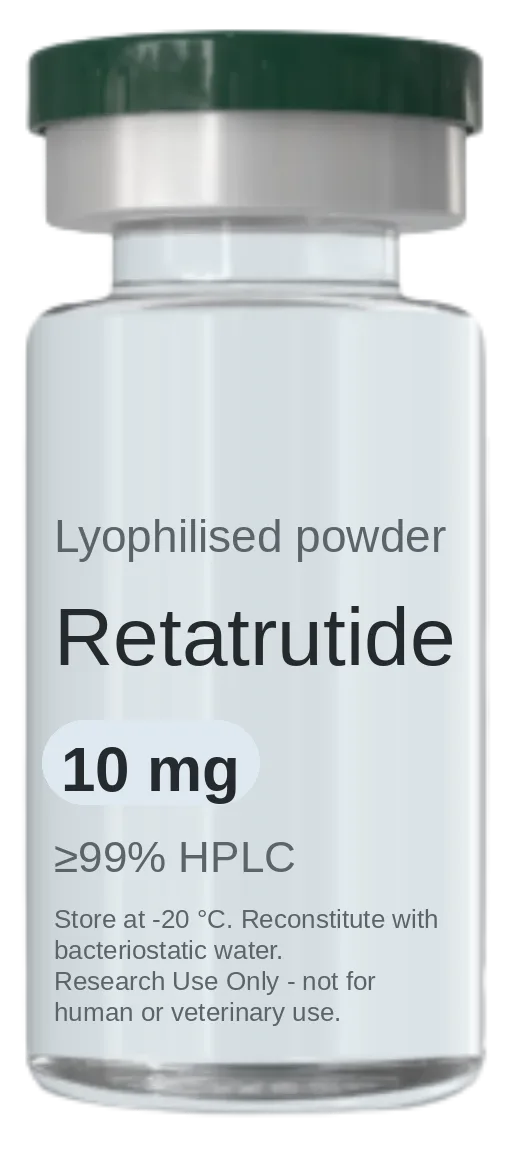
Retatrutide
Triple-agonist metabolic research peptide targeting GLP-1, GIP and glucagon receptors.
- Purity:
- ≥99% HPLC
- Sizes available:
- 10 mg
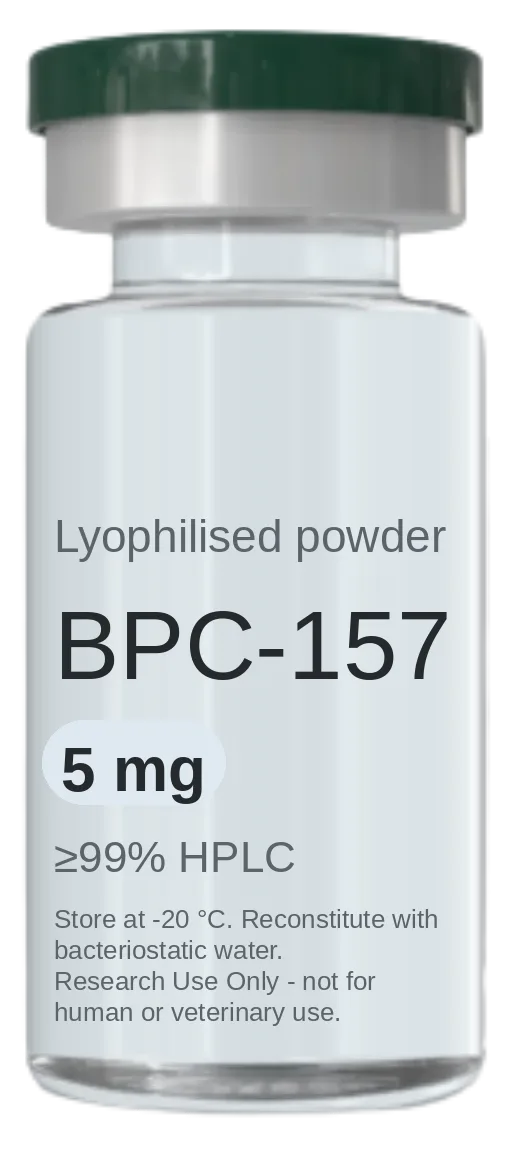
BPC-157 + TB-500
BPC-157 and TB-500 in a single vial — the pairing most studied together in tissue-repair research.
- Purity:
- ≥99% HPLC
- Sizes available:
- 5 mg + 5 mg
The consultation
One intake that settles goals, history and contraindications alongside compound, quantity, documentation and route — reviewed by a physician before anything ships.
More notes
-
Paying Argentina's Customs Duty on Peptides
How the import duty on a research peptide shipment is paid when it arrives in Argentina, and who actually collects it.
-
No Batch Number on the Invoice: Customs
If a peptide shipment's invoice skips the batch number, Argentine customs can hold it and request supporting documents.
-
Real Peptide Stock or Catalog?
How to tell if a research peptide supplier holds real stock or is just quoting from a generic catalog, before you pay anything.