
Note
How to Verify a Peptide COA Is Authentic
A peptide COA is verifiable if it names an independent laboratory, carries a task number, and the result can be confirmed in the lab's own system.
A certificate of analysis for a research peptide is verifiable if it contains six elements: the name of the laboratory that ran the analysis, the date, a task or report number, the analytical method, a result expressed as a percentage, and an independent verification mechanism. If any of those six elements is missing or cannot be confirmed outside the supplier, the document proves nothing about the compound it describes.
What a Certificate of Analysis Is — and What It Is Not
A Certificate of Analysis (COA) documents that a third-party laboratory analysed a specific batch of peptide and recorded its composition. The third-party condition is the whole point: the laboratory must be independent of the supplier. A supplier that analyses its own material and certifies its own results is not providing verification — it is issuing a statement about its own product.
A COA is also not a health clearance or a registration with any regulatory body. It does not certify that the material is fit for any use in persons. It is an analytical record of a specific lot, issued on a specific date, produced by a specific method.
The Six Elements Every Valid COA Must Include
Name and information of the laboratory
The laboratory name must be traceable through sources independent of the supplier. A logo printed on a PDF proves nothing. A real analytical laboratory has its own web presence, direct contact information, and a system for confirming its own reports.
Janoshik Analytical is one of the reference laboratories for research peptide analysis. Their reports carry a task number that makes direct verification through the laboratory's own system possible.
Date of analysis
A report without a date cannot be assigned to any lot or any period. The date must precede delivery of the material and must correspond to a period when that lot existed. A report from several years ago says nothing about material available today.
Task or report number
This identifier is what makes it possible to look up the report in the laboratory's own system. Without it, there is no way to know whether the PDF is legitimate or was assembled with figures that suited the supplier.
Analytical method
For research peptides, the standard is HPLC (high-performance liquid chromatography). Some reports add LC-MS (liquid chromatography–mass spectrometry), which confirms not only purity but the molecular identity of the compound. A percentage with no declared method has no technical foundation.
Result expressed as a percentage
The most informative figure is not the highest result a supplier has ever published — it is the lowest. Lots that always show exactly the same percentage are a warning sign: real analyses vary between batches. A supplier that publishes only its best report while withholding others is not providing complete information.
Online verifier or direct contact with the laboratory
Some laboratories allow a task number to be entered on their website to confirm that a report is legitimate. When that verifier works and the result it returns matches the PDF exactly, it is the most direct validation available. When the verifier is unavailable due to a technical limitation of the portal, the task number still enables confirmation by contacting the laboratory directly.
How to Verify in Practice
The process has three steps.
First, confirm the laboratory exists. Search the name through sources independent of the supplier: the laboratory's own website, mentions in sector publications, or references in published research.
Second, take the task number and enter it in the laboratory's online verifier. If it works and the result matches the PDF, the report is authentic. If the results differ, the document has been falsified. If the verifier is unavailable, proceed to the third step.
Third, contact the laboratory directly. With the task number as a reference, any serious laboratory can confirm by email whether that report exists in its system. If it has no record of that task, the COA has no backing, regardless of any portal's status.
The Reports PeptoClinic Publishes
PeptoClinic publishes four reports from Janoshik Analytical on its quality page, with no quote request required. All correspond to analyses dated 2026-04-13.
- Retatrutide, task 136921: purity found 99.893%. The lot contained 11.96 mg against a 10 mg label.
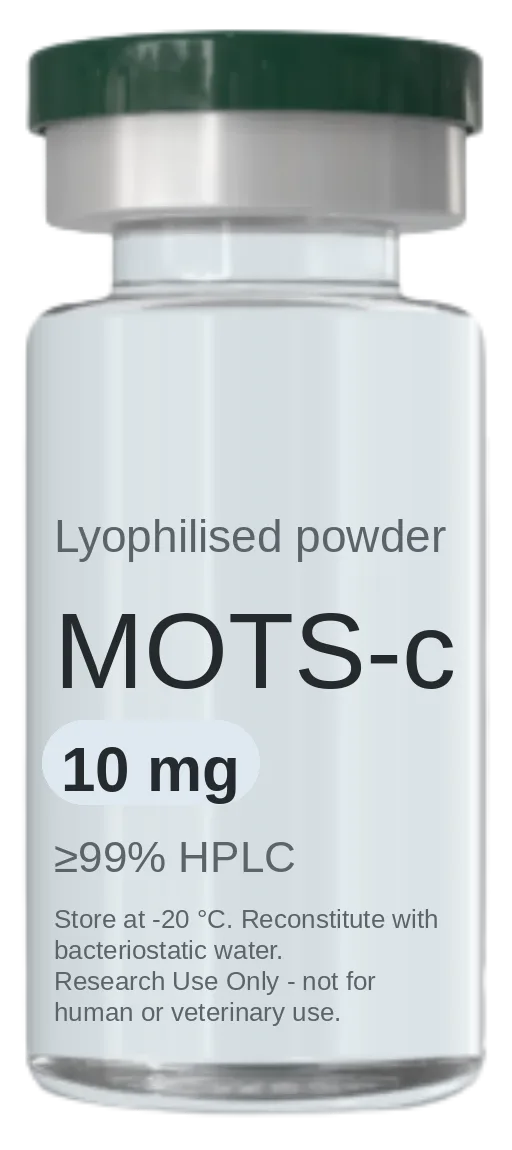
- MOTS-c, task 136923: purity found 99.669%. The lot contained 11.31 mg.
- GHK-Cu, task 204977.
- BPC-157 + TB-500, task 204975, 5 mg of each peptide.
The reference figure PeptoClinic cites in its materials is 99.669% — the lowest result published, not the highest. Two of the four reports carry an active verification link on the Janoshik site. The other two include the task number but the portal verifier returns an error; that limitation is documented explicitly on the quality page rather than omitted.
Warning Signs in a COA
These elements, individually or in combination, indicate that a document requires additional scrutiny before it can be treated as valid.
- Results that never vary. If every lot shows exactly the same percentage, real analysis is unlikely.
- No task number. A report with no identifier cannot be verified.
- The laboratory does not appear in independent sources. If the only mention of the laboratory is on the supplier's own site, it does not exist as an independent entity.
- No date. There is no way to assign the report to a real lot.
- No analytical method. The percentage has no technical basis.
- The verifier returns a different result from the PDF. This is not a portal limitation — it indicates falsification.
- No quantity analysed. A purity percentage carries more weight when it specifies how many milligrams were tested.
What a COA Does Not Guarantee
A COA certifies the purity of the lot analysed on the report date. It does not guarantee by itself that the material in the vial received corresponds to that lot, unless the lot number on the label matches the COA identifier. When a supplier presents a single report for all orders without distinguishing lots, traceability is weak.
A COA also says nothing about cold-chain conditions during transit, storage conditions before dispatch, or the stability of the compound since the analysis date. For additional certainty about molecular identity, LC-MS complements HPLC.
For Laboratory Research Only
All material supplied by PeptoClinic is intended strictly for laboratory research — Research Use Only (RUO): in vitro and laboratory investigation. It is not approved for and is not intended for consumption, diagnosis or treatment in humans or animals. No statement on this site has been evaluated by the FDA, ANMAT or any equivalent regulatory authority.
PeptoClinic is not a pharmacy, does not issue prescriptions, and does not provide guidance on administration, dosing or protocols for persons. A COA is analytical purity documentation for use in laboratory research.
Frequently asked questions
What does third-party analysis mean?
It means the laboratory issuing the report is independent of the supplier. When a supplier analyses its own material and certifies its own results, there is no external check. The validity of a COA depends on the laboratory having no commercial stake in the result it publishes.
Is HPLC sufficient to verify a peptide's identity?
HPLC establishes purity. To confirm that the compound is specifically the one declared and not a different molecule of similar purity, LC-MS is more definitive because it identifies the exact molecular mass. A COA with HPLC alone certifies what proportion of the analysed material is the main component, without necessarily confirming which component that is.
What should I do if the laboratory's online verifier is not working?
The task number remains useful for contacting the laboratory directly. A laboratory with genuine records can confirm by email whether that number exists in its system. If the laboratory has no record of the task, the report has no verifiable backing, regardless of any portal's availability.
Does a COA expire?
There is no universal standard, but a report that is several years old does not represent currently available material. The analysis date should correspond to lots in current circulation. For compounds with limited shelf life, the age of the report is especially relevant.
How do I confirm that a COA corresponds to the specific vial I received?
The lot number on the vial label must match the COA identifier. When a supplier presents a single report without distinguishing lots, there is no way to confirm that the analysis applies to the specific material received.
Can a COA be partially falsified?
Yes. A documented practice involves taking a genuine report from a real laboratory and altering specific fields — the compound name, the percentage, or the date — while retaining the layout and task number from a different authentic report. That is why checking the task number through the laboratory's verifier or by direct contact is necessary: it compares the PDF against the laboratory's original record.
Can I see PeptoClinic's reports before requesting a quote?
Yes. All four Janoshik Analytical reports are published on the [quality page](/en/quality/) with no prior enquiry required. The task number on each report enables direct verification with the laboratory.
Does PeptoClinic prepare documentation for shipping peptides to Argentina?
Yes. For material shipped to Argentina, documentation includes the analysis report and an import file prepared as laboratory reference material. The [shipping page](/en/shipping/) details the destinations served and the quotation process.
Compounds mentioned
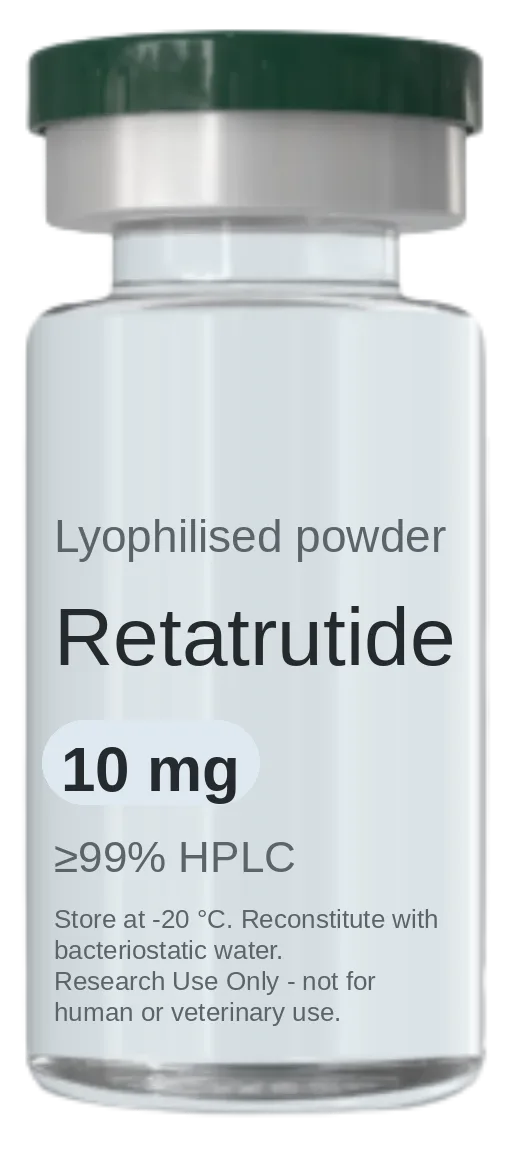
Retatrutide
Triple-agonist metabolic research peptide targeting GLP-1, GIP and glucagon receptors.
- Purity:
- ≥99% HPLC
- Sizes available:
- 10 mg
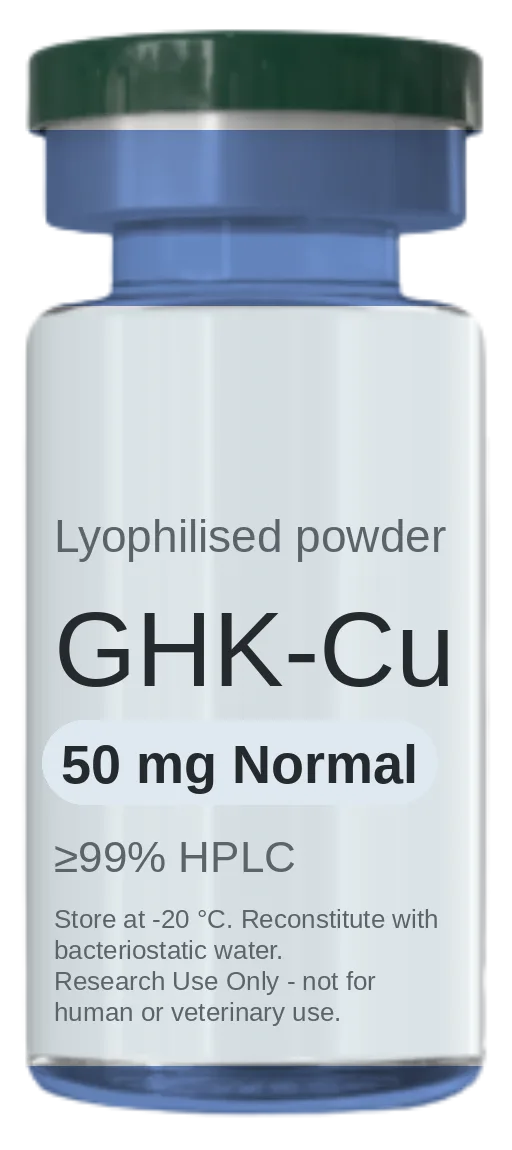
GHK-Cu (Copper Peptide)
Copper-binding tripeptide studied in extracellular matrix and dermal research models.
- Purity:
- ≥99% HPLC
- Sizes available:
- 50 mg Normal – 50 mg Plus
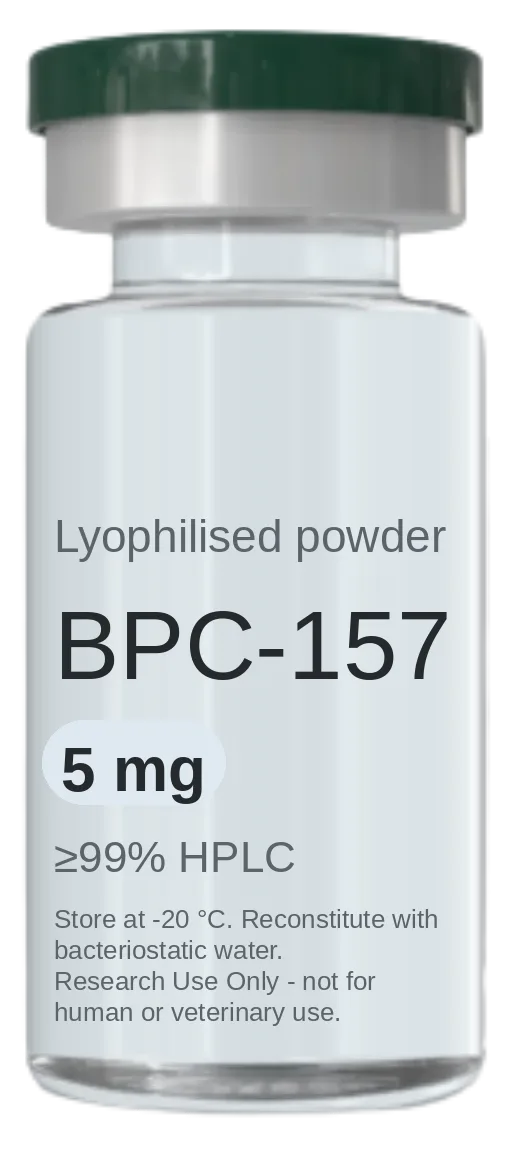
BPC-157 + TB-500
BPC-157 and TB-500 in a single vial — the pairing most studied together in tissue-repair research.
- Purity:
- ≥99% HPLC
- Sizes available:
- 5 mg + 5 mg
The consultation
One intake that settles goals, history and contraindications alongside compound, quantity, documentation and route — reviewed by a physician before anything ships.
More notes
-
Tesamorelin vs Sermorelin: The Difference
Tesamorelin and sermorelin are both GHRH analogs, but not the same molecule. Here's the structural difference and what the studies on each measure.
-
Peptide Supplier vs. Reseller: What Differs
The real difference is whether someone can name the lab that tested a batch and show the report — or only promise it's pure.
-
MOTS-c or NAD+: What's the Difference
MOTS-c and NAD+ are studied through different mitochondrial pathways; here's what each line of research actually measures.