
Note
Is TB-500 Legal in the US?
By the PeptoClinic editorial team · Medically reviewed by Dr. Emily Parker
TB-500 isn't approved by the FDA and sits on its bulk drug substance list, which blocks pharmacies from compounding it into a prescription.
TB-500 is not approved by the FDA for any use, and no licensed pharmacy in the United States may legally compound it into a dispensed product. The FDA placed TB-500 on its list of bulk drug substances that present significant safety risks when used in compounding, in the same entry as BPC-157, ipamorelin, injectable GHK-Cu, epitalon and MOTS-c (FDA bulk drug substances list). That is the practical answer to most of what someone means when they ask whether TB-500 is legal: it is not a scheduled narcotic, but it is also not a drug any pharmacy, physician or retailer is permitted to sell as a treatment.
What TB-500 actually is
TB-500 is a synthetic peptide built from a fragment of thymosin beta-4, a naturally occurring protein studied for its role in actin binding and tissue repair signaling. The underlying biology has a real published literature: Kleinman and Sosne, Vitam Horm 2016 reviewed thymosin beta-4's involvement in skin wound healing in laboratory and animal models. That research exists in cell and animal systems. It does not constitute, and has never been submitted as, a drug approval dossier for use in a person.
"Not approved" and "not scheduled" are two different facts
These two statements get confused constantly, and they answer different questions. "Approved" is an FDA determination that a specific drug product, made by a specific manufacturer, is safe and effective for a specific indication — the process that gave the world Zepbound for tirzepatide and Egrifta for tesamorelin. TB-500 has never gone through that process for any indication, and nothing on the market is a TB-500 brand drug.
"Scheduled" is a separate determination, made under the Controlled Substances Act, that assigns a drug a tier based on abuse potential. TB-500 is not on any DEA schedule. So the honest, two-part answer is: TB-500 is unapproved as a drug, and unscheduled as a substance. Those two facts together are exactly what puts it in the gray zone that generates this search in the first place.
The compounding rule is the part that actually restricts it
The FDA's authority over human drugs doesn't stop at approval. Compounding pharmacies — the ones that mix custom-dosed medications for individual patients — are allowed to use certain bulk substances outside the normal approval pathway, but only from a list the FDA maintains and periodically reviews. TB-500 was evaluated for that list and placed in the category of substances that "may present significant safety risks," which means a 503A or 503B compounding pharmacy cannot legally use it to prepare a prescription, regardless of what a prescriber requests. This is the mechanism that keeps TB-500 out of pharmacy-dispensed products in the United States, separate from any question about possession.
Is it illegal to buy or possess TB-500?
There is no general federal statute making it a crime for an individual to possess an unscheduled, unapproved research peptide. What federal law prohibits is introducing an unapproved new drug into interstate commerce when it is marketed or intended for human use, and that prohibition falls on the seller's claims and framing, not on the molecule in the abstract. A listing that frames TB-500 as a treatment, a cure, or something to be dosed into a person crosses into unapproved-drug territory. None of this is legal advice, and nothing here should be read as a legal opinion about a specific transaction — a buyer with a concrete legal question should talk to an attorney, not a blog post.
Where TB-500 sits in development
Unlike retatrutide or CagriSema, which are in active phase 3 programs with registered trials, TB-500 has no FDA approval, no pending brand application, and no publicly listed development phase moving it toward one. It sits where most of the catalog of research peptides sits: studied in published literature, absent from the approved-drug list, and absent from any near-term approval pipeline. That status can change only if a sponsor files and completes a formal FDA review, and nothing in the current record points to that happening on a known timeline.
Why the lab report matters more than the legal label
Because TB-500 isn't going to carry an FDA approval letter or a pharmacy label, the only verifiable fact a buyer can actually check is what was in the vial. PeptoClinic sends batches to Janoshik Analytical, an independent lab, and publishes the resulting certificates of analysis rather than a purity number with nothing behind it. That's the same standard applied across the full catalog, explained in more detail on the quality page. Current pricing for TB-500 and the rest of the catalog is listed on the pricing page.

Medical review
Dr. Emily Parker

Reviews every consultation as it comes in
Frequently asked questions
Is TB-500 the same thing as thymosin beta-4?
TB-500 is a synthetic peptide built from a fragment of thymosin beta-4 rather than the full-length protein itself; the published research on wound healing and tissue repair signaling generally studies thymosin beta-4 directly, and TB-500 is marketed as a shorter, stable analog intended to mimic that activity in laboratory settings.
Is TB-500 a controlled substance in the United States?
No. TB-500 does not appear on any DEA schedule, which is a separate classification system from FDA drug approval. Being unscheduled does not mean it is approved as a drug — it means the government has not classified it as having the abuse potential that triggers scheduling.
Can a compounding pharmacy legally prepare TB-500 for a patient?
No. The FDA's list of bulk drug substances that present significant safety risks for compounding includes TB-500 alongside BPC-157, ipamorelin, injectable GHK-Cu, epitalon and MOTS-c, which means 503A and 503B pharmacies are barred from using it in a compounded prescription regardless of a prescriber's order.
Does the FDA regulate TB-500 at all if it isn't approved?
Yes. The FDA's authority covers the marketing and interstate distribution of unapproved new drugs intended for human use, and it maintains the separate bulk drug substances list specifically to restrict what compounders can work with. An unapproved status does not place a substance outside FDA jurisdiction — it places it outside the approved-drug market.
Has TB-500 been approved for any medical use anywhere?
Not as of this writing. There is no FDA-approved drug product containing TB-500, and no public record of a pending approval application for any indication.
What's the difference between TB-500 and BPC-157 from a legal standpoint?
Both occupy the same regulatory position: neither is FDA-approved, neither is a controlled substance, and both appear on the FDA's bulk drug substances list that restricts pharmacy compounding. The question "is it legal" gets the same two-part answer for both molecules.
Can TB-500 be shipped to an address in the US?
Shipping logistics and legal status are separate questions. For how an order from PeptoClinic reaches a US address, see the [shipping page](/en/shipping/united-states/); that process does not change TB-500's unapproved, unscheduled status.
Is buying TB-500 for personal research the same as buying an approved drug?
No. An approved drug like Zepbound has gone through FDA review for a specific indication and is available by prescription for that purpose. TB-500 has not been reviewed or approved for any use, so it carries none of the safety and efficacy findings that come with an approval — a distinction worth keeping in mind regardless of how a listing is worded.
Compounds mentioned
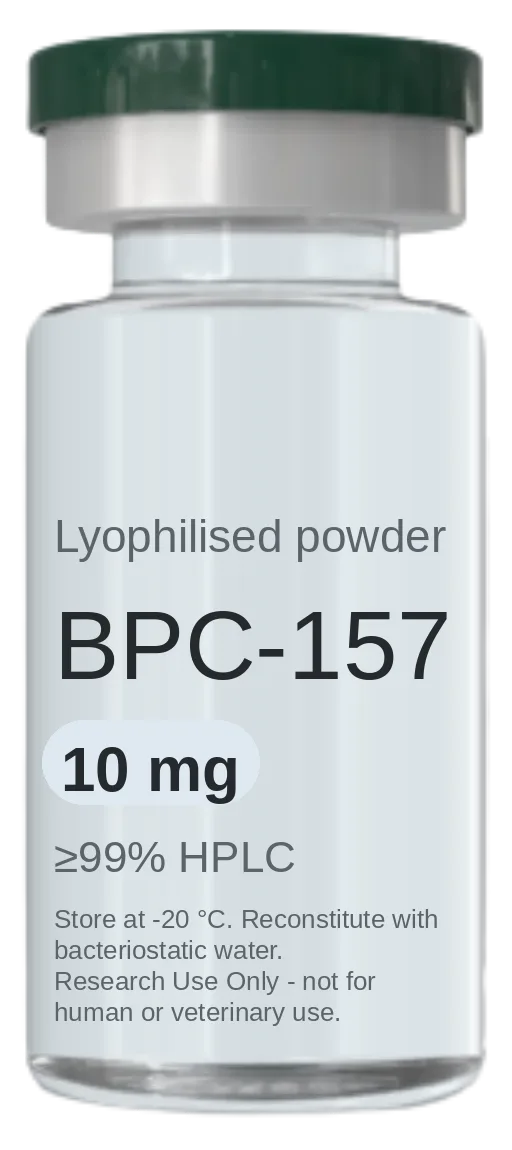
BPC-157 + TB-500
BPC-157 and TB-500 in a single vial — the pairing most studied together in tissue-repair research.
- Purity:
- ≥99% HPLC
- Sizes available:
- 10 mg
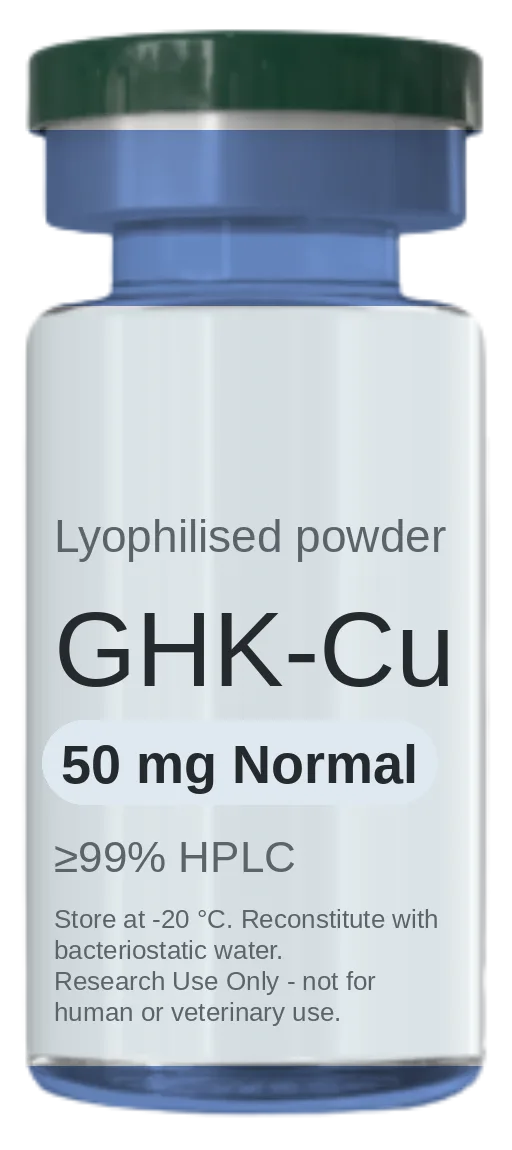
GHK-Cu (Copper Peptide)
Copper-binding tripeptide studied in extracellular matrix and dermal research models.
- Purity:
- ≥99% HPLC
- Sizes available:
- 50 mg Normal – 50 mg Plus
The consultation
One intake that settles goals, history and contraindications alongside compound, quantity, documentation and route — reviewed by a physician before anything ships.
More notes
-
LL-37 vs GHK-Cu: What Sets Them Apart
LL-37 is a 37-residue cationic peptide; GHK-Cu is a copper-bound tripeptide. We compare structure, mechanism, and research lines.
-
Is BPC-157 Legal in the US?
BPC-157 isn't an FDA-approved drug and pharmacies can't compound it, but it isn't a controlled substance either. Here's what that means.
-
BPC-157 vs TB-500: What's the Difference
BPC-157 and TB-500 are distinct peptides with different origins and mechanisms. What the literature and each COA actually show.
-
TB-500 or GHK-Cu: What's the Difference
TB-500 is a Thymosin Beta-4 fragment and GHK-Cu a copper tripeptide: different origin, structure and what each is researched for.
-
Why BPC-157 and TB-500 Ship Together
The combined BPC-157/TB-500 vial follows the ratio cited in tissue-repair research literature and carries a single certificate of analysis.